
Members of Masdar Institute’s Young Future Energy Leaders Program Attend Two-Day Workshop on Waste Management

Experts Lead Intensive Experimental Sessions on Waste Management Characteristics

Abu Dhabi-UAE: 13 March, 2013 – Masdar Institute of Science of Technology, an independent, research-driven graduate-level university focused on advanced energy and sustainable technologies, today announced that it hosted a two-day course on the growing waste problem in the trans-developing societies for members of its outreach initiative, the Young Future Energy Leaders (YFEL) program.

Titled ‘Waste Management and Waste to Energy’, the course was attended by 28 YFEL members. The first day of the course covered short lectures, divided into three sessions. On the second day the course intensified the on hands-on activities, which were conducted in the Masdar Institute’s labs, where participants had the chance to experience the high-tech equipment in the cutting-edge research facilities.

Zainab Abdul Rahim Al Ali, YFEL Project Manager at Masdar Institute, said: “The waste management course is the first to mainly focus on hands-on activities. Participants were able to experiment with the theoretical material at Masdar Institute’s labs. The objective of this course is to provide an overview of the waste problem. The YFEL team consistently works on enhancing the participants’ experience and improving the quality of our activities. We are grateful to the UAE’s leadership that supports programs such as YFEL and motivates talented youngsters to excel in future energy and advanced technologies.”

The course was led by Dr. Isam Janajreh, Associate Professor of Mechanical Engineering at Masdar Institute. The first day’s proceedings covered an overview of the waste problem, review of current policy for waste management, overview of the conversion technologies, and an introduction to the waste to energy lab. The second day’s experiments were on waste material characterization, which included ultimate/elemental analysis, proximate analysis, and biodiesel/fuel assessment, in addition to other experiments. 

Dr. Janajreh said, “The average daily per capita generation in developed world is about 1.6kg and varies between 0.25 to 6kg in the trans-developing countries. This course performed as a platform for YFEL members to assess the waste generation in Abu Dhabi and statistically evaluate its potential energy, by conducting experiments in the Waste to Energy Laboratory at Masdar Institute. The YFEL members need to be provided the right ingredients to develop into effective professionals. The two-day training program have equipped them and strengthened their skill sets.”

The two-day YFEL course forms part of an annual schedule of three courses on Technology, Policy and Leadership relating to renewable energy-related issues in managing and guiding peers. The courses targeted young practitioners and graduate students who aim to expand their knowledge of core issues in renewable energy technology, policy and leadership.

Shaikha Al Shamsi, a Masdar Institute student and YFEL member, said: “The various activities and lectures have enhanced my learning experience. In this course, I examined the distribution of waste generation in key countries including UAE in an attempt to evaluate its energy potential. I also reviewed the traditional landfilling practice and the new emerging trend of municipalities and moving from ’dry tomb’ landfill to a bioreactor-based technology. I also liked the hands-on activities that we experienced, as it helped to visualize the theory.”

Saeed Al Kaabi, a young professional from Twazun  and YFEL member, said: “I enjoyed the course and I learned new valuable information about waste management. This course provided me with an opportunity to gain an in-depth insight in this field. I believe that attending such a course helps widen my knowledge and experience, since it made me more aware of the waste problems through experiments in the Masdar Institute’s labs.”

Part of Masdar Institute’s Outreach program, YFEL offers young professionals and students from the UAE and abroad an opportunity to become more engaged in finding solutions to the world’s biggest challenges – achieving energy efficiency and tackling climate change. It also aims to bring young professionals closer to government representatives, business leaders and other organizations active in the area of alternative energy and sustainability.
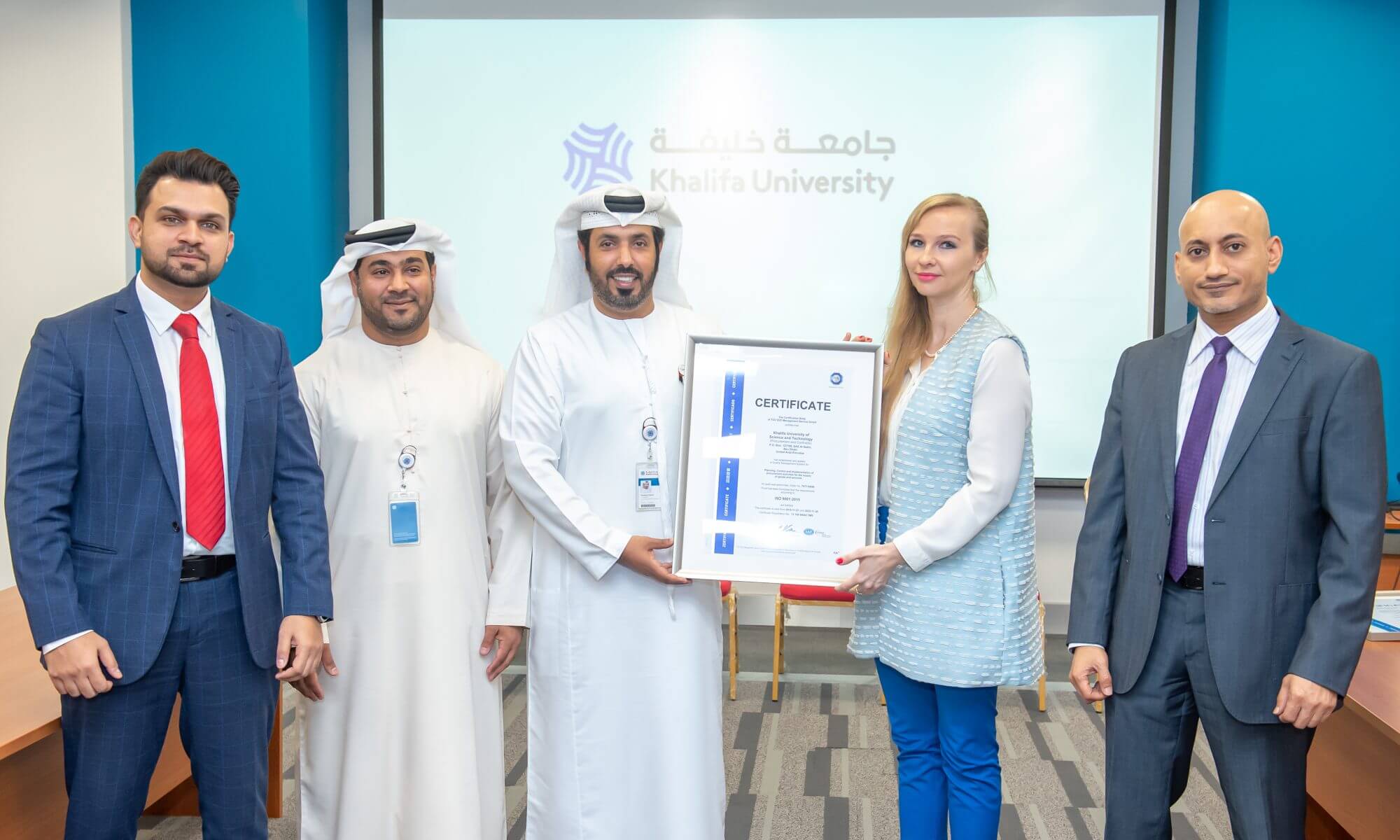
Procurement and Contracts Department Receives ISO 9001:2015 Certification

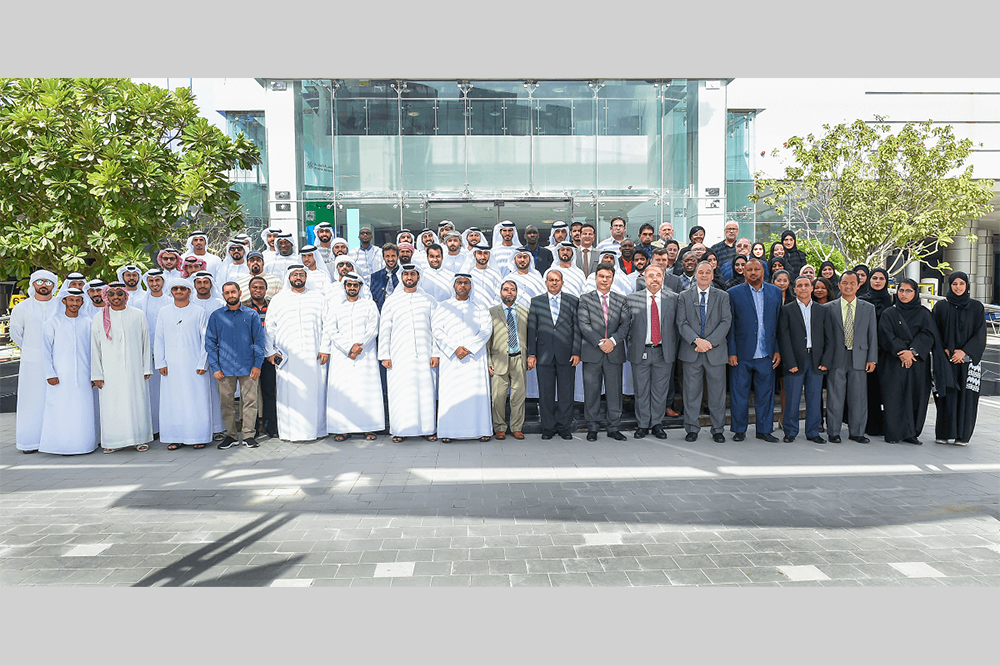
Khalifa University’s Procurement and Contracts Department has recently received ISO 9001:2015 Certification. The milestone was celebrated in a ceremony at the SAN Campus and attended by Mosallam Al Kathiri, Vice President, Human Resources and Procurement; Khalifa Alobeidli, Director, Procurement & Contracts; and all the Procurement and Contracts staff to recognize the Department’s hard work in obtaining the certification. Lyudmila Koltomova, Deputy Manager, Business Development and Marketing of TÜV SÜD Middle East, the certifying body that granted the ISO certification, was also in attendance.

ISO 9001:2015 certification specifies requirements for quality management systems that need to consistently provide services that meet applicable statutory and regulatory requirements. Being ISO 9001:2015 certified means that the Procurement and Contracts Department is capable of preparing and implementing policies and procedures that meet Quality Management Systems standards.

UAE launches region’s first public wind atlas

UAE launches region’s first public wind atlas

28th January 2015

UAE-based Masdar Institute of Science and Technology, an independent, research-driven graduate-level university focused on advanced energy and sustainable technologies, has launched the region’s first public wind atlas to support wind energy projects.

The UAE Wind Atlas is aimed at accurately characterizing the UAE’s wind resources and ultimately supporting investments in wind energy projects, said senior officials of Masdar during the launch at the World Future Energy Summit 2015 in Abu Dhabi, UAE.

Khalifa University Hosts Region’s First-Ever IAEE Middle East Symposium in Abu Dhabi

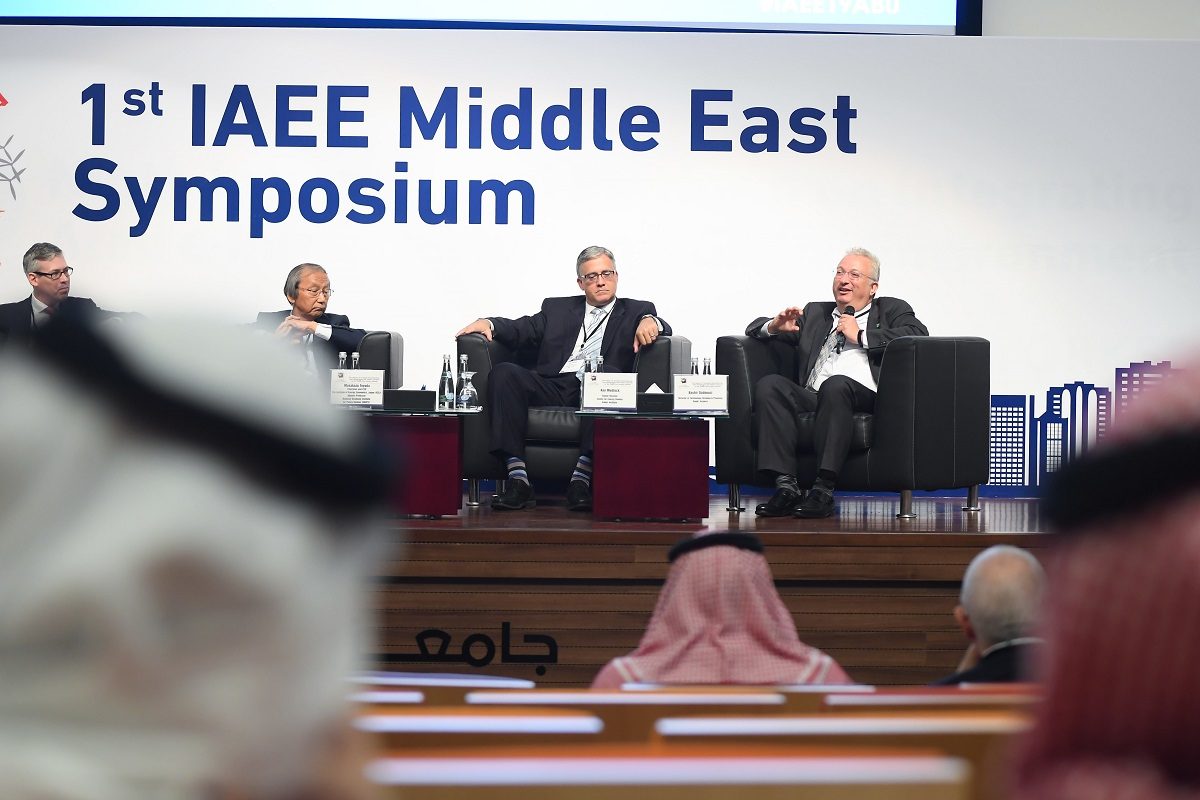
Khalifa University of Science and Technology hosted the region’s first-ever IAEE Middle East Symposium in Abu Dhabi to assess the impacts of economic diversification, new technologies and climate concerns on the Middle East energy outlook.

Organized by the International Association for Energy Economics (IAEE) on 16 December 2019, the event was attended by key academic, government, and industry stakeholders. More than 150 regional and international delegates were at the event to provide a unique opportunity for dialogue and networking among energy professionals from all energy sectors. The event was brought to Abu Dhabi with the support of Abu Dhabi National Oil Company (ADNOC), King Abdullah Petroleum Studies and Research Center (KA-CARE), global energy leader ENGIE, as well as the Energy Industries Council, the UAE Ministry of Energy and Industry, and the Abu Dhabi Convention Bureau.

Discussions focused on the main drivers, uncertainties, and potential disruptors in global oil and natural gas demand, impacts of climate change concerns and new technologies within the future energy landscape, the region’s accelerated deployment of renewable energy and nuclear power, and the potential implications of geopolitical issues facing the region.

HE Matar Al Neyadi, Undersecretary, UAE Ministry of Energy and Industry, opened with the ministerial keynote, while Christophe Bonnery, President, IAEE, delivered the opening remarks. Dr. Steve Griffiths, Senior Vice-President, Research and Development, and Professor of Practice, Khalifa University, and Symposium Chair, provided an opening address and welcomed the delegates.

Dr. Arif Sultan Al Hammadi, Executive Vice-President, Khalifa University of Science and Technology, said: “We are delighted to partner with the International Association for Energy Economics to bring the region’s first-ever IAEE Middle East Symposium to Abu Dhabi. Participating delegates will surely gain insights into the region’s energy challenges, opportunities, and advances. Energy being the vital sector in this region, we believe the fast-changing energy sector will inspire fresh perspectives from the global experts at this knowledge exchange forum.”

The plenary session on ‘The Future of Hydrocarbons: Changing Demand and Subsequent Impacts’ was presided over by Marianne Kah, Advisory Board Member and Adjunct Senior Research Scholar, Columbia University Center on Global Energy Policy. The second plenary session on ‘Shaping the Future Energy Landscape: The Role of Climate Concerns and Technology Innovation’ was led by Yukari Niwa Yamashita, Board Member and Director, The Institute of Energy Economics, Japan (IEEJ).

The first post-lunch plenary session titled ‘Energy Diversification: Renewables and Nuclear in the Middle East’ was led by Adnan Shihab-Eldin, Director General, Kuwait Foundation for the Advancement of Sciences (KFAS). Adam Sieminski, President, King Abdullah Petroleum Studies and Research Center (KAPSARC), led the discussions for the plenary titled ‘Geopolitics: Issues Facing the Region Today and Tomorrow’.

Clarence Michael
News Writer
18 December 2019

Khalifa University Partners with University of Milan and Scuola Superiore Sant’Anna to Host New Joint Lab for Embodied Artificial Intelligence in Abu Dhabi

  • Three Partners Sign Agreement to Locate Lab at Khalifa University’s AI Institute; MoU Also Signed on Exchange of Doctoral Students
  • A Similar Second Lab Facility Expected to Open in Future at University of Milan

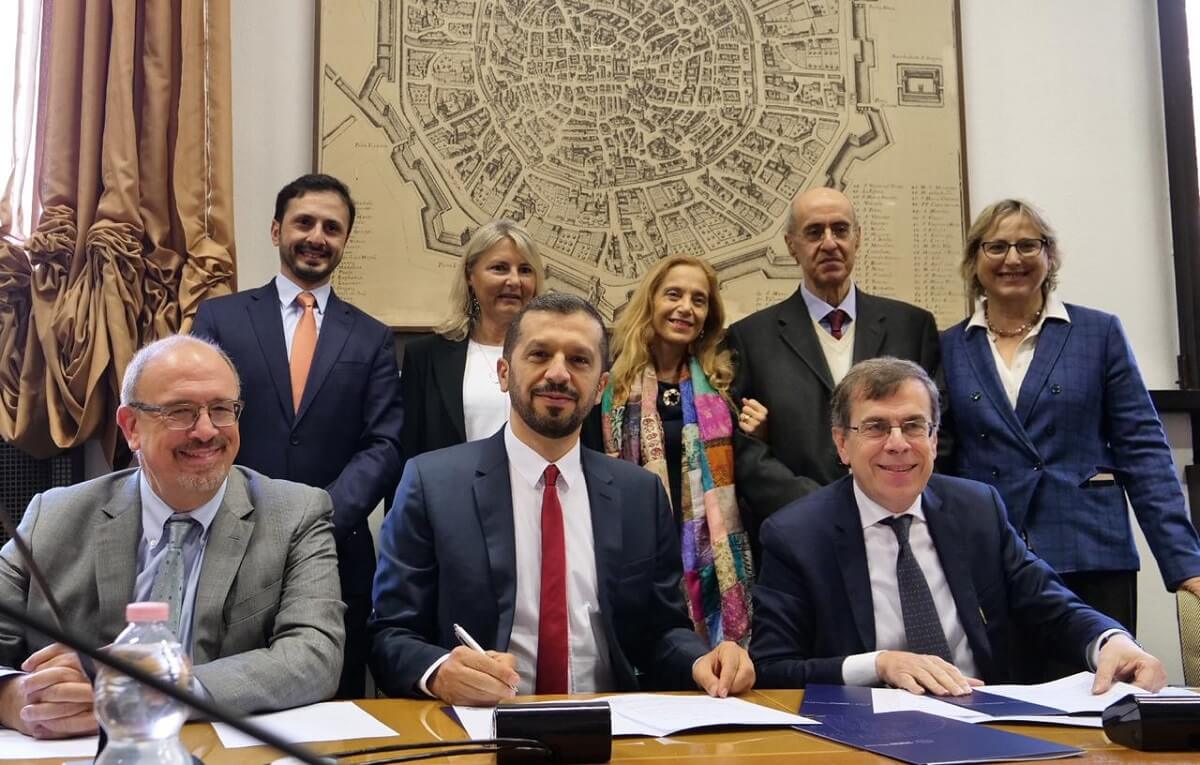
Khalifa University of Science and Technology, the University of Milan and the Scuola Superiore Sant’Anna of Pisa have signed an agreement to set up a Joint Lab for Embodied Artificial Intelligence that will be physically located inside Khalifa University’s Artificial Intelligence and Intelligent System Institute (AI Institute) in Abu Dhabi.

The agreement was signed by Dr. Arif Sultan Al Hammadi, Executive Vice President, Khalifa University, and Professor Elio Franzini, Rector, University of Milan, in Milan. Officials from the two Italian universities including Prof. Antonella Baldi, Vice Rector for Internationalization of the University of Milan, attended the signing ceremony. Dr Ernesto Damiani, Senior Director, AI Institute, Khalifa University, was also present. Separately, a Memorandum of Understanding (MoU) was also signed for international mobility of doctoral students under the common supervision of two professors, one per university.

The Joint Lab for Embodied AI, which also involves the Scuola Superiore Sant’Anna of Pisa, will represent the first operational Unimi Laboratory outside Italy. The Lab stems from the long-lasting collaboration between Khalifa University and Scuola Superiore Sant’Anna, and will represent the physical hub of the cooperative relationship among the three Universities, each contributing their different but complementary expertise – Khalifa University in artificial Intelligence, Scuola Superiore Sant’Anna of Pisa in bio-robotics, and University of Milan in life sciences.

Dr. Arif Sultan Al Hammadi said: “Khalifa University is honoured to collaborate with two top institutions in Italy. This agreement is part of our internationalization strategy. We hope establishing this relation will result in exchanges of faculty, researchers and students between the three institutions. Khalifa University has just started its College of Medicine and Health Sciences and has a strong expertise in AI applications to medical research. The strength of Milan in life sciences and of SSSA in bio-robotics will ensure world-leading research.”

Embodied Artificial Intelligence is an interdisciplinary research area that deals with the application of artificial intelligence to highly complex biological and artificial systems, using computational learning to identify their structure and behaviour. These findings are used to forecast future system evolution and determine the actions required to meet therapeutic or optimization targets.

Khalifa University ranks first in the UAE and second in the Gulf region in leading international university rankings. The AI Institute established at Khalifa University brings together seven distinct research centers specialising in robotics, computational learning, high-performance computing architectures, cyber-physical systems, computer security and data analysis.

Dr. Damiani said: “The Lab at AI Institute at Khalifa University will focus on the integration of artificial intelligence models and bio-inspired computational paradigms to make decisions that can be understood and assessed by humans, especially when they concern human health and safety.”

The Lab will be aimed at developing computational models of human cognition and quantum computing, bio-robotic and bio-hybrid systems for neural bioengineering, with potential application to neuro-rehabilitation. Dr. Arianna Menciassi, Vice Rector, SSSA, and Professor of Biomedical Robotics at the BioRobotics Institute, said: “The proposed Joint Lab has a strong potential to perform world-class research in the area of embodied artificial intelligence and to attract resources and talents, facilitating scientific exchange between the UAE and Italy.”

The Joint Lab for Embodied Artificial Intelligence within at Khalifa University’s AI Institute is expected to be followed by a second facility at the University of Milan.

According to the agreement, the laboratories will host equipment and technology platforms of the three institutions, as well as visiting members of the University of Milan and Sant’Anna of Pisa. Khalifa University scientists will be provided with remote access as-a-service to the Italian partners’ facilities and technological platforms.

“The Joint Lab will enhance international competitiveness and encourage participation in research programs,” said Dr. Maria Pia Abbracchio, Unimi Deputy Rector and Vice Rector for Research. “Furthermore, it will provide high-level multidisciplinary technical assistance and services, accessible both from inside and outside the University, to stimulate innovation and cross-fertilization between diverse research fields.”

The Joint Lab for Embodied Artificial Intelligence will also provide international exchange opportunities for both researchers and trainees, particularly doctoral students, according to the MoU.

News Writer
29 November 2019

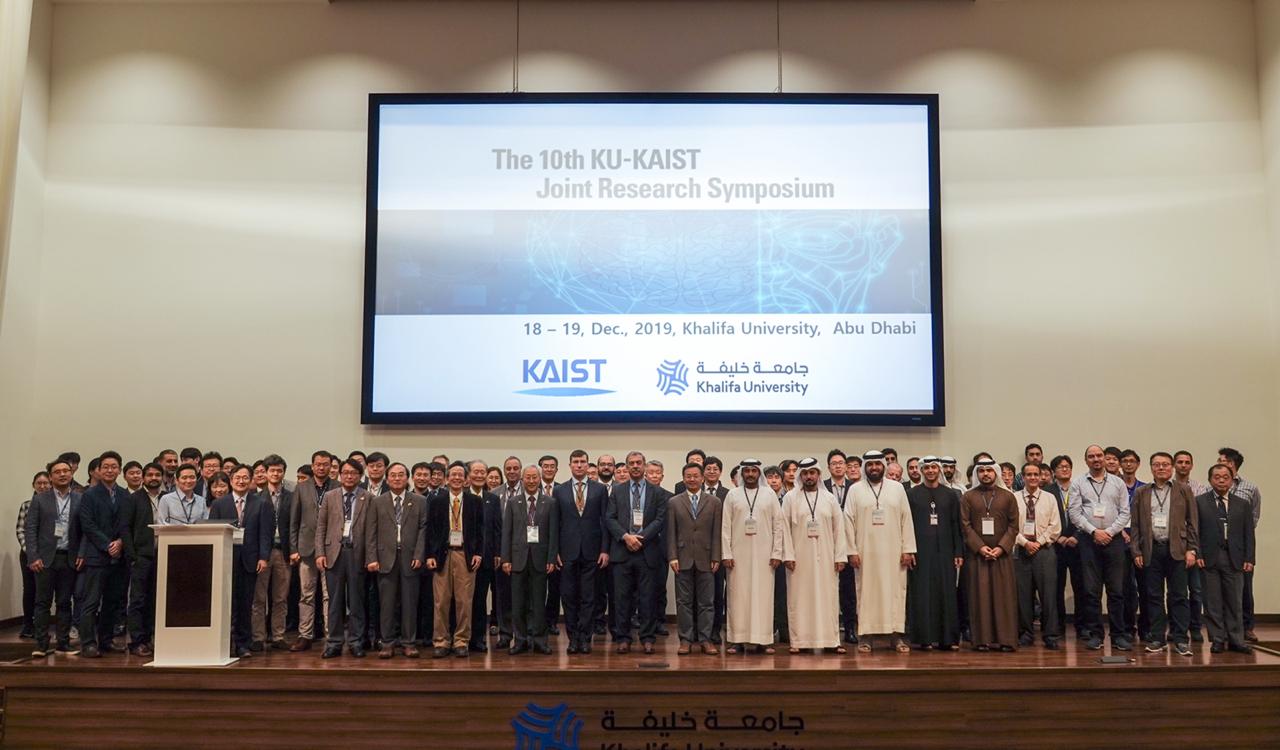
Khalifa University Hosts 10 th KU-KAIST Joint Research Symposium

The 10 th KU-KAIST Joint Research Symposium was held from 18-19 December 2019 at the Khalifa University Main Campus.
The event is the largest symposium to date between Khalifa University (KU) of the UAE and Korea Advanced Institute of Science and Technology (KAIST) of South Korea. Around 50 delegates from KAIST comprised of faculty members, research staff, and students came to the UAE to share and discuss research achievements. The KAIST delegation was led by Dr.
Hyunwook Park, VP for Research; Dr. Changheui Jang, Associate VP and Dean of KAI-NEET Institute; Dr. Jonghyun Kim, Director of KAIST-KU Joint Research Center; and Dr. Sungmin Choi, Chair of Nuclear & Quantum Engineering.
During the symposium, joint presentations were given by KU and KAIST Principal Investigators (PIs) on the 24 ongoing collaboration projects in areas such as Smart Transportation, Smart Health Care, Nuclear Materials, Robotics/Drones, Energy, Chemistry, etc. The event was an opportunity to discuss the projects, maximize synergetic effects, strengthen the KU-KAIST
partnership, and plan strategies moving forward.
Since 2011, KU and KAIST have carried out over 200 joint research projects in various fields. This partnership has reached a milestone in 2019 as Joint Research Centers were launched in the UAE in April 2019 and in Korea in July 2019, further strengthening the ties between the two countries to carry out joint research on technologies that are shaping the Fourth Industrial
Revolution.
The next symposium scheduled in 2020 will be hosted by KAIST in South Korea.

SEAS Prepares for Fourth Planting Season

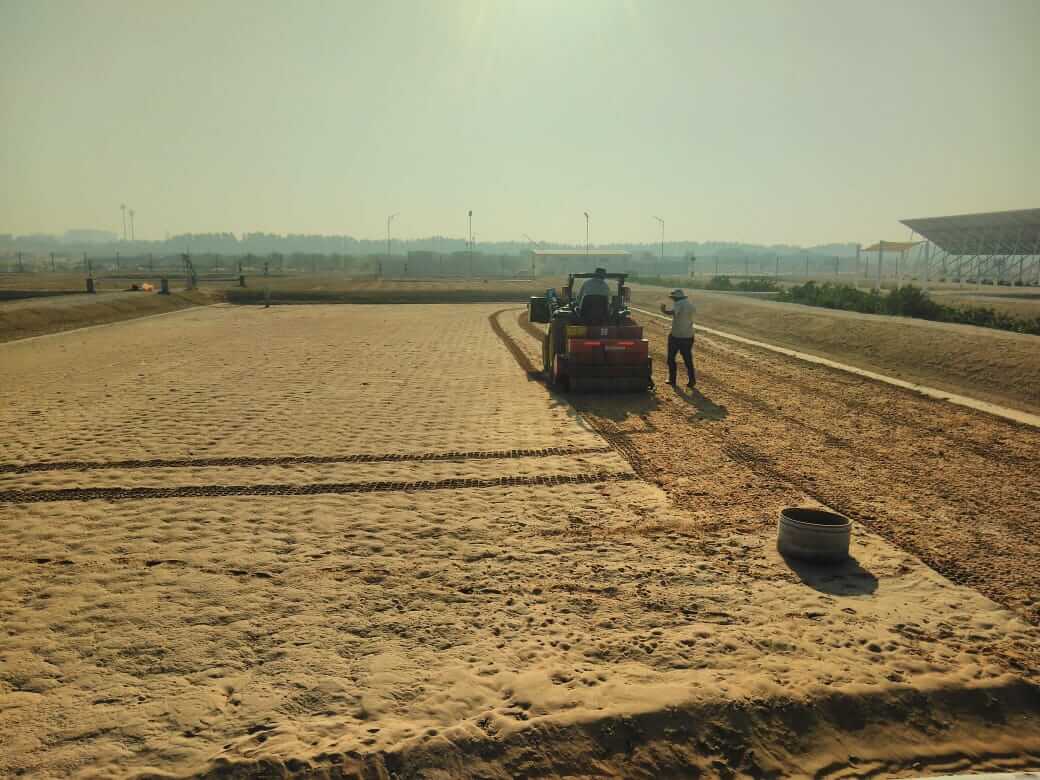
Researchers at KU’s Sustainable Bioenergy Research Consortium (SBRC) have  spent the past few weeks tilling, leveling, and replenishing the water levels in its integrated Seawater Energy and Agriculture System (SEAS), the flagship project of SBRC and the world’s first research facility to grow both food and fuel using desert lands irrigated by seawater. They are preparing to plant the fourth season of Salicornia plants, whose oil-rich seeds are harvested to produce aviation biofuel.

“This season will be dedicated to increasing the yields of the oilseed crop based on experience gained from previous seasons by implementing a different planting strategy and a supplementary irrigation methodology during the germination phase of the plant,” said Research Engineer Jose Barron.
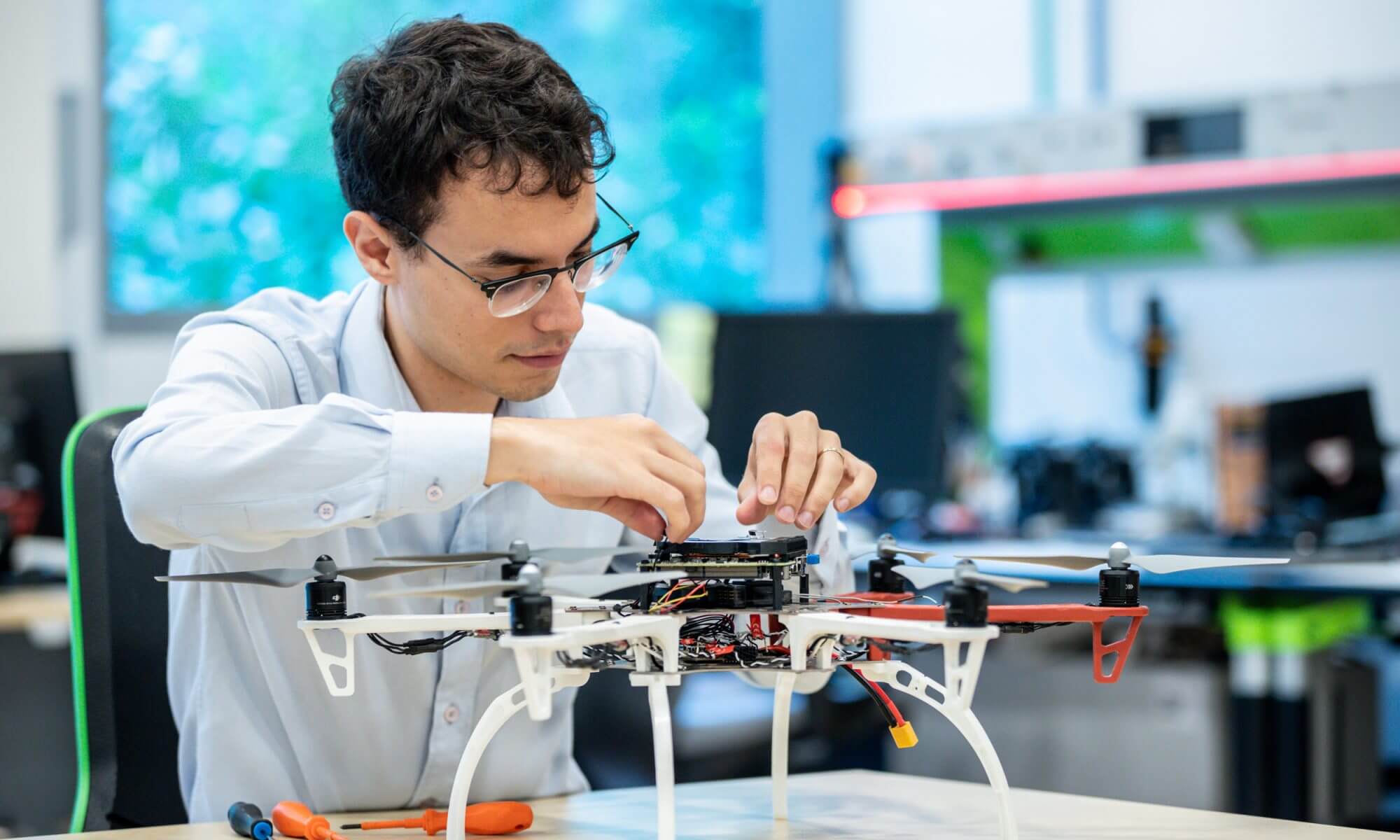
“Two of the eight fields will be dedicated to grow three of the best performing accessions based on the recommendation of the halophyte breeding team.”

From the aquaculture side, the ponds are also being prepared to be restocked with a fin fish species to explore the feasibility of growing higher market value seafood at demonstration scale. Fin fish species is more attractive to the UAE market than the Indian White Shrimp, Tilapia, and Sea Bream species that were cultivated previously.

Ankabut to Host 2019 ASREN International Conference on Arab e-Infrastructure in a Global Environment at Khalifa University Campus

Ninth Annual e-AGE Conference to Focus on ‘Groundbreaking Research and Education Networks

Ankabut, the Emirates Advanced National Research and Education Network, an initiative of Khalifa University of Science and Technology, is hosting the ninth annual e-AGE 2019 (International Platform on Integrating Arab e-Infrastructure in a Global Environment), conference at the Khalifa University of Science and Technology Main Campus in Abu Dhabi.

Organized by the Arab States Research and Education Network (ASREN) from 11 – 12 December in Abu Dhabi, the conference is themed ‘Groundbreaking Research and Education Networks’. It will focus on demonstrated successes in using research and education e-Infrastructures, and on the need for interoperable high-speed networks at national, regional and international levels.

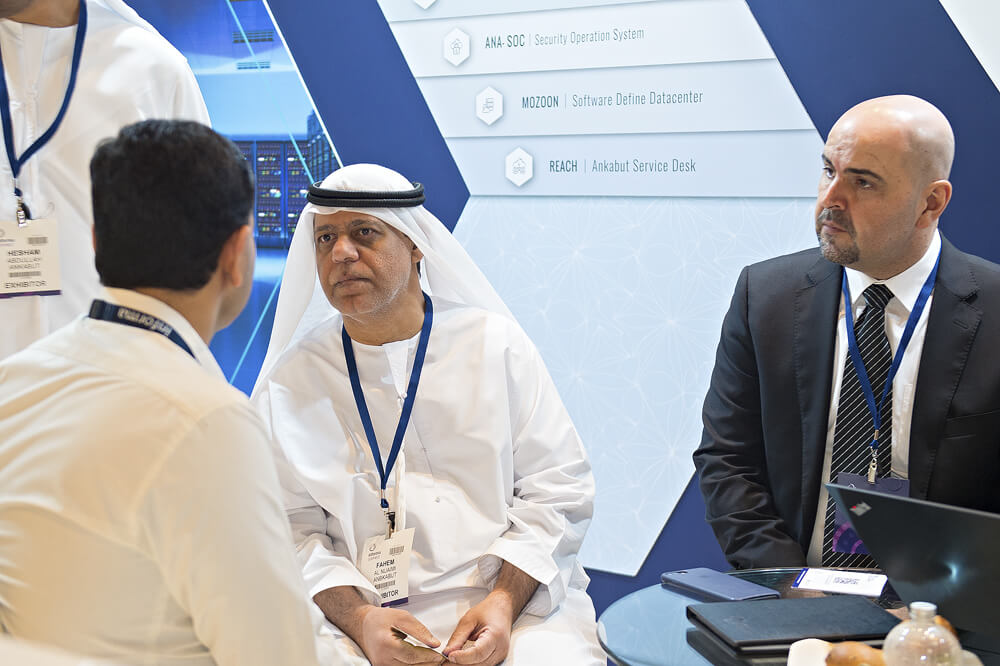
Fahem Al-Nuaimi, Chief Executive Officer, Ankabut, said: “Ankabut is delighted to partner with ASREN to bring to Abu Dhabi the ninth annual e-AGE 2019 conference, the Arab world’s most important gathering, to highlight the successes in using research and education e-Infrastructures. The conference will be a knowledge-sharing forum and Ankabut is honored to welcome delegates from across the Middle East and Africa region to showcase recent advances in this sector. We believe the outcome of the conference will immensely benefit stakeholders in this sector.”

In addition to the e-AGE annual conference, e-AGE19 will include events, workshops and meetings including the ‘12th Event on Euro-Mediterranean e-Infrastructure’, ‘The 9th annual shareholders meeting of ASREN’, ‘EUMEDCONNECT3 Project meeting’, ‘AfricaConnect2 Project meeting’, and ‘Internet2 Middle East SIG (special interest group) Meetings’. There will also be exclusive workshops for e-Infrastructure users as part of the conference.

Moreover, there will be special sessions dedicated to specific domains, mainly focusing on experiences in connectivity and e-Infrastructure, applications and services across a variety of scientific domains. The conference will underline the importance of research infrastructure in creating tangible benefits to communities, while demonstrating the role of research connectivity in promoting collaboration and innovation. Discussions will aim to drive the outcomes and concrete results on the practical steps towards developing a regional e-Infrastructure.

Managed by Khalifa University, Ankabut is jointly funded by the Telecom Regulatory Authority (TRA) through the ICT Fund and Khalifa University. Ankabut offers academic institutions connectivity to other education networks around the world. It also connects schools and public institutions together across the UAE. Ankabut cooperates on a national, GCC, regional and international arena, representing the UAE in conferences, exhibitions and forums.

Since the launch of ASREN in December 2010 at the League of Arab States, AGE is organize every year in one of the Arab countries. The e-AGE is in line with ASREN’s major objectives that are related to dissemination and awareness, promotion of research collaboration and joint activities, and establishment of research networks in the Arab region and worldwide.

Clarence Michael
News Writer
10 December 2019

IAEA and Khalifa University Hosting Five-Day Training Course on Nuclear Power Infrastructure Development

Team of Experts Offering Overview of IAEA’s Milestones Approach and Nuclear Infrastructure Issues to Implement N-Power Programs

Khalifa University of Science and Technology and the International Atomic Energy Agency (IAEA) are jointly organizing a five-day training course on nuclear power infrastructure development at the Main Campus in Abu Dhabi.

The course, being held from 8-12 December by a team of experts, aims to provide an overview of the IAEA’s Milestones Approach and the nuclear infrastructure issues countries should consider and address when implementing new nuclear power programs. The course will be titled ‘Supporting Knowledgeable Decision-making and Building Capacities to Start and Implement Nuclear Power Programs. Around 25 participants are expected to share their experiences during the course.

Dr Arif Sultan Al Hammadi, Executive Vice-President, Khalifa University of Science and Technology, said: “The hosting of the training course in collaboration with IAEA at Khalifa University validates our status as the first university in the UAE to provide nuclear programs to not only support the country’s human capital needs of the strategic nuclear power sector but also an acclaimed higher education institution that delivers academic and research-related knowledge. We believe such collaborative initiatives also reflect the UAE’s status as a responsible N-producer with a peaceful nuclear program. We firmly believe the course will enrich all stakeholders and participants.”

The IAEA Training Course on Nuclear Power Infrastructure Development provides an overview of IAEA’s Milestones Approach and the nuclear infrastructure issues countries should address when implementing new nuclear power programs. It emphasizes development of the key organizations involved in the nuclear power programs, specifically, the nuclear energy program implementing organization (NEPIO), owner/operator and regulatory body. It provides an opportunity to share best practices for establishing a strong regulatory framework and exchange experiences in the licensing process from both the regulator and owner/operator perspective.

Led by IAEA experts, the training course focuses on the implementation of national requirements for nuclear safety, nuclear security and nuclear safeguards, while highlighting the management, human resource development and stakeholder involvement. It includes a combination of classroom lectures, facility visits and interactive exercises.

The course includes discussions, case studies, peer-to-peer exchange of good practices, and working group sessions on related topical issues. This provides participants the opportunity to discuss common challenges and lessons learnt, while fostering enhanced networking between member states embarking on new nuclear power programs.

Earlier, in May 2017, Khalifa University hosted the week-long IAEA Nuclear Energy Management (NEM) School, the third joint UAE-IAEA regional NEM School since 2012 and 2015. In September 2019, an IAEA team concluded a five-day follow-up mission to review the emergency preparedness and response framework for nuclear and radiological emergencies in the UAE. The Emergency Preparedness Review (EPREV) was carried out at the request of the UAE Government.

One of the 18 dedicated research centers, Khalifa University’s recently-launched Emirates Nuclear Technology Center (ENTC) aims to support the UAE’s nuclear technology research capability and help deliver safe, clean and efficient nuclear energy to meet the strategic UAE 2030 vision, while protecting the public, workers and the environment.

Clarence Michael
News Writer
8 December 2019

Precision Medicine in Type 2 Diabetes Treatment

The discovery and mapping of the complete human genome in 2003 introduced the possibility of individualized medicine to a person’s physical and genetic makeup. Increasing evidence is now demonstrating that a patient’s unique genetic profile can be used to detect a disease’s onset, prevent its progression and optimize its treatment.

This has led to enhanced global efforts to implement precision (personalized) medicine and pharmacogenomics in clinical practice. Among the researchers leading in this field is Dr. Sabina Semiz, Professor of Molecular Biology and Genetics at Khalifa University’s College of Medicine and Health Sciences. Dr. Semiz is leading projects in genomics and pharmacogenomics of Type 2 diabetes and the bioethical aspects of precision medicine.

“Personalized or precision medicine refers to an innovative approach to the disease diagnosis and treatment by considering differences in people’s genetic background, lifestyle, and environment. Importantly, it has the potential to shape many, if not all, aspects of clinical care from prevention and early diagnosis to treatment of disease,” Dr. Semiz explained. “Pharmacogenomics investigates individuals’ genetic material in order to determine whether that person would benefit from a drug, require a different dose, or experience side effects, and as such is considered an essential tool in personalized medicine.”

Diabetes mellitus is a group of metabolic diseases, all of which are characterized by high blood glucose levels. If left untreated, diabetes can lead to severe complications including blindness, kidney and heart disease, stroke, loss of limbs, and reduced life expectancy. It is a major public health problem, affecting hundreds of millions of people worldwide and representing a substantial economic burden on society.

There are two types of diabetes: Type 1 and Type 2 diabetes. Type 1 usually begins in childhood with individuals suffering from their body’s inability to produce enough insulin, while Type 2 is commonly associated with obesity and age of onset is usually in middle age. Both types tend to run in families and genetic factors contribute to the disease, with interactions between genetic and environmental factors critical.

“Personalized medicine has the power to identify potential new biomarkers or targets for the precise diagnosis and treatment of Type 2 diabetes,” explained Dr. Semiz.

For the UAE, diabetes is a serious public health concern. Research shows that the prevalence of diabetes among citizens of the UAE is the second highest in the world; recent studies suggest the prevalence rate is around 20 percent in citizens above the age of 30 and as high as 40 percent in the age group 60 and above. In 2017, there were over 1.1 million cases of diabetes in the UAE.

“To address the considerable health and economic consequences associated with Type 2 diabetes, it would be pertinent to screen the patients at risk, initiate a prevention program, and optimize treatment,” said Dr. Semiz.

The genetic insight that is key to personalized medicine are found in the genomic letters that vary from person to person – these are called single-nucleotide polymorphisms, or SNPs. SNPs are single base-pair mutations that occurs at a specific site in the DNA sequence. They are responsible for over 80 percent of the variation between two individuals.

Research on SNPs and other genetic variations like deletions, inversions, duplications and copy number variations (CNV)—which represent up to 9.5 percent of the human genome—have changed the face of personalized medicine and validated the concept that treatment could and should be personalized.

SNPs explain why therapeutic response to metformin, a first-line drug for Type 2 diabetes with over 100 million users worldwide, is highly variable and also how the development of many chronic diseases can be traced back to early epigenetic modifications in response to environmental stimuli.

Much of Dr. Semiz’s research focuses on variation in glycemic response to metformin.

“Metformin was commercialized before the modern era of target-based drug discovery,” said Dr. Semiz. “It typically has an excellent safety record but considerable variation exists in how well patients respond to metformin. It was recently established that genetic factors influence glycaemic response to metformin, with many common variants across the genome together explaining a substantial proportion of the variation, ranging from 21 to 34 percent, depending on how glycaemic response was measured.”

The research carried out by the large international Metformin Genetics Consortium, including the research team lead by Dr. Semiz, has identified a novel genetic variant that alters how well metformin works in Type 2 diabetic patients, and is recently published in the journal Nature Genetics.

Recent genome-wide association studies have identified more than 400 Type 2 diabetes risk loci, or locations on particular chromosomes that are associated with Type 2 diabetes disease susceptibility, and further work by Dr. Semiz investigated metabolomics-based markers to predict Type 2 diabetes. Her research highlights the importance of early lifestyle intervention in diabetes treatment and has investigated the informative markers that indicate particular metabolic dysfunctions before disease manifestation.

“People identified at high risk of developing diabetes would be able to take preventative lifestyle interventions or treatments targeted to their individual molecular profile, eventually personalizing their healthcare,” explained Dr. Semiz.

In human beings there is a complex array of diversity. Just like no two people are identical in physical appearance, neither are they precisely alike on a molecular level. Even the most mundane and essential processes are subject to small individualized nuances, from how the body processes carbohydrates to therapeutic response to various medicines. Recognizing this will help healthcare professionals more efficiently care for their patients and empower patients to make better choices for their health.

Personalized medicine has the potential to revolutionize health care. It is an opportunity to intercede in disease before diagnosis, reprogram genetic destiny, and shift focus from broad population-based ‘standards of care’ to tailored modalities for an individual patient. With diabetes prevalence expected to rise globally, Dr. Semiz is leading the way to helping patients in the UAE to halt their disease in its tracks.

Jade Sterling
News and Features Writer
18 January 2020