The Emirates Polar Program at the Arctic Circle India Forum

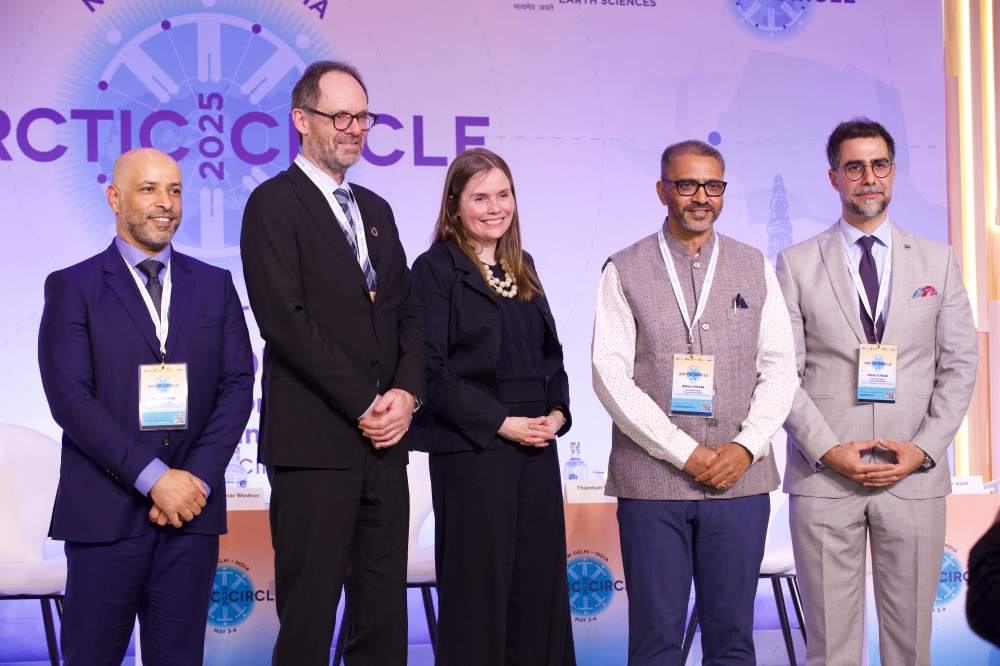
The Emirates Polar Program delegation, with its research arm at the Polar Research Center, participated in the Arctic Circle India Forum, co-hosted by Arctic Circle and the Observer Research Foundation (ORF), in collaboration with the Ministry of External Affairs and the Ministry of Earth Sciences of India. The event took place in New Delhi at the Taj Palace on 3-4 May 2025.


The theme of the Forum is The Polar Order: The Arctic and Asia | Science – Geopolitics – Climate – Business. Focusing on Asia’s growing role in Arctic affairs, including in polar research cooperation, business opportunities, climate and sustainable development, maritime activities, and geopolitical dynamics.


Hosted in India, the world’s most populous country and a fast-growing economy, the Forum underscores the Arctic’s growing relevance beyond its immediate region.


The Emirates Polar Program successfully announced its program mission and objectives through a joint panel with National Center of Polar and Ocean Research and the Arctic University of Norway (UiT). Additionally, the Emirates Polar Program held a panel discussion around the establishment of the recent Polar Research Center hosted currently at Khalifa University, and the increasingly important role of non-polar countries in Arctic affairs, emphasizing the global need for action in the poles. In these times of rising temperatures and tensions, uplifting and prioritizing scientific cooperation is vital to address global challenges.

UAE, New Zealand collaborate to advance Antarctic scientific research

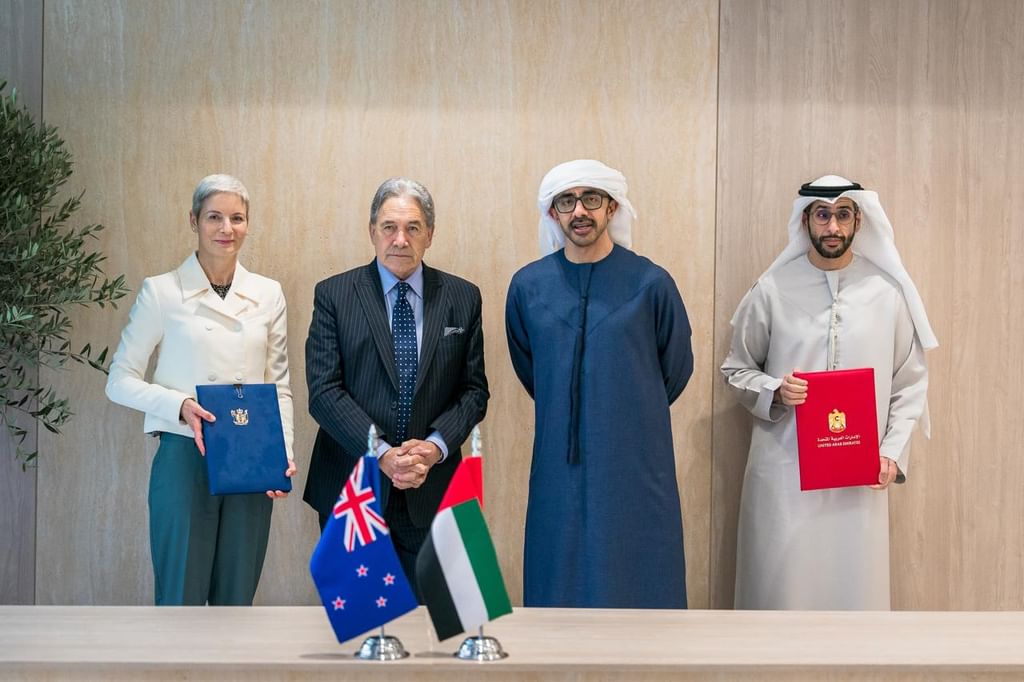
The United Arab Emirates and New Zealand have signed a Memorandum of Arrangement (MoA) marking the beginning of a landmark collaboration in Antarctic scientific research. The agreement underscores the nations’ shared commitment to environmental conservation in Antarctica.


The MoA between the Emirates Polar Programme and Antarctica New Zealand was formalised during an official signing ceremony, which was attended by His Highness Sheikh Abdullah bin Zayed Al Nahyan, Deputy Prime Minister and Minister of Foreign Affairs of the UAE. The key signatories of the key agreement were Abdulla Balalaa, the Assistant Minister of Foreign Affairs for Energy and Sustainability Affairs and Vice-Chair of the Emirates Polar Programme Steering Committee, and Paula Wilson, Deputy Secretary at the Ministry of Foreign Affairs and Trade, on behalf of Antarctica New Zealand.


The partnership aims to strengthen joint efforts in Antarctic scientific research, foster academic exchange and enhance capacity building. The memorandum focuses on collaborative projects that contribute to a deeper understanding of the Antarctic ecosystem, climate change impacts, and the preservation of the unique environment.


Highlighting the significance of this strategic collaboration, Balalaa said: “The partnership with Antarctica New Zealand represents a pivotal advancement for the Emirates Polar Programme, reinforcing the UAE’s commitment to global scientific collaboration. New Zealand’s world-class expertise in this field provides an unparalleled opportunity for the UAE to make meaningful contributions to critical research in Antarctica. Together, we can drive deeper scientific understanding and accelerate solutions to the pressing challenges faced by this vital continent.”


Leon Grice, Chair of Antarctica New Zealand, added, “Antarctica New Zealand is delighted to partner with the Emirates Polar Programme. This collaboration brings together the unique strengths of both nations, fostering innovation and scientific discovery in one of the most pristine and vulnerable environments on Earth. We look forward to the research and knowledge sharing that will undoubtedly result from this partnership.”


The Emirates Polar Programme, established to advance the UAE’s position in the field of polar science, will benefit from this partnership through enhanced research opportunities and knowledge exchange. The programme focuses on participating in international missions to Antarctica and the Arctic, supporting global climate action, and contributing to the understanding of the polar environment. Through these endeavors, the UAE demonstrates its commitment to global scientific cooperation and environmental stewardship in polar regions.


This strategic collaboration reflects the growing global recognition of the importance of scientific collaboration and environmental stewardship in Antarctica. The UAE and New Zealand, through this partnership, are demonstrating their leadership in addressing critical environmental challenges and contributing to a more sustainable future for the planet.

The Emirates Polar Program participates in Arctic Frontiers 2025

Held in Tromsø, Norway this annual event, prominent for its focus on the Arctic’s most pressing challenges, provides participants with an opportunity to engage with global leaders, scientists, and policymakers. The EPP’s involvement highlights the UAE’s dedication to shaping effective policies, fostering international partnerships, and contributing to the long-term well-being of Arctic communities and ecosystems. Through this, the EPP gained deeper insights into cutting-edge research, deliberated policies, and emerging scientific opportunities in the Arctic.

Building UAE’s research stations in Antarctica: How two scientists on historic mission braved challenges

Ahmed Mansour Al Kaabi and Badr Alameri, who recently returned after successful completion of Emirates Polar Program, spoke to Khaleej Times


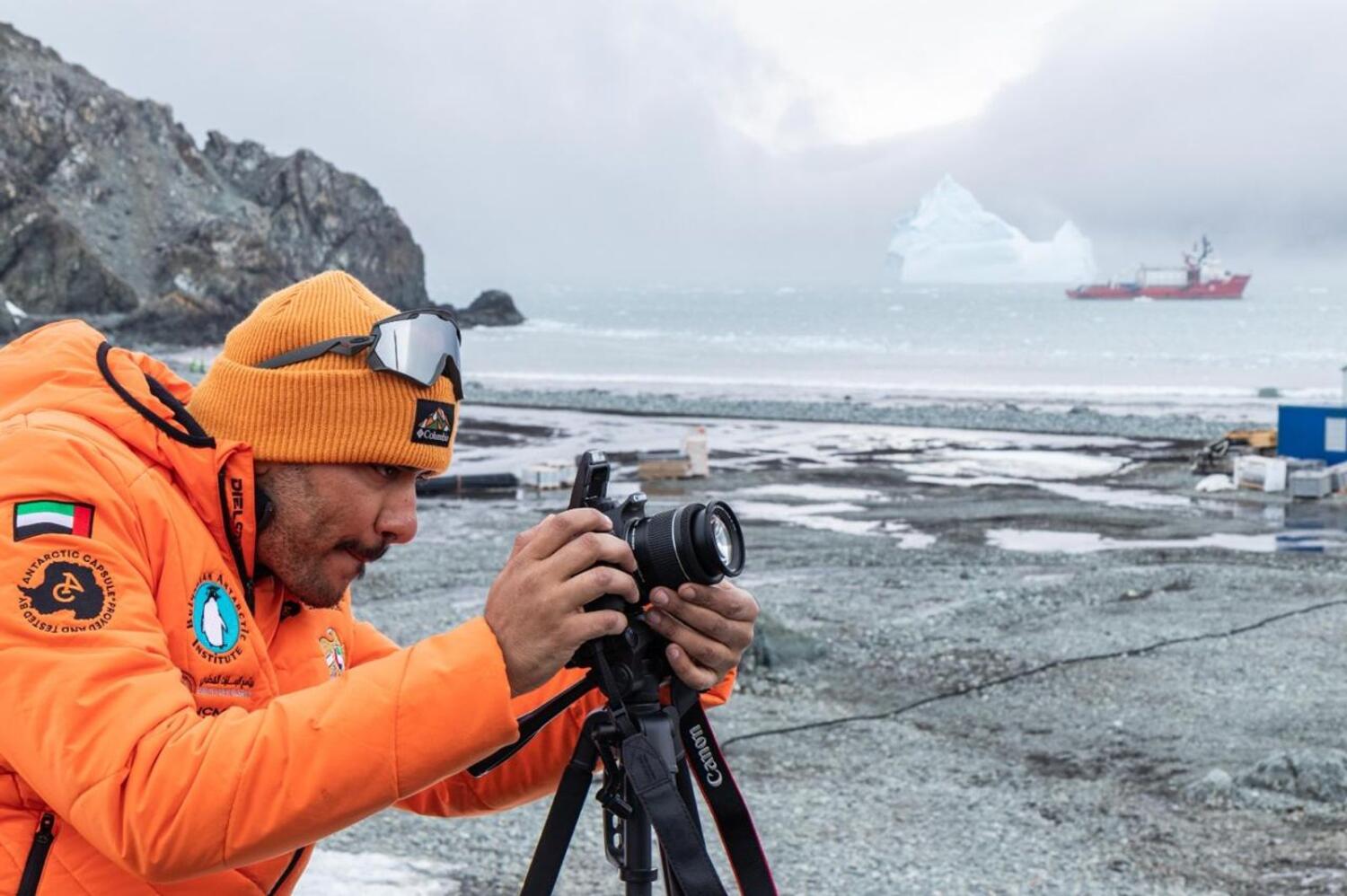
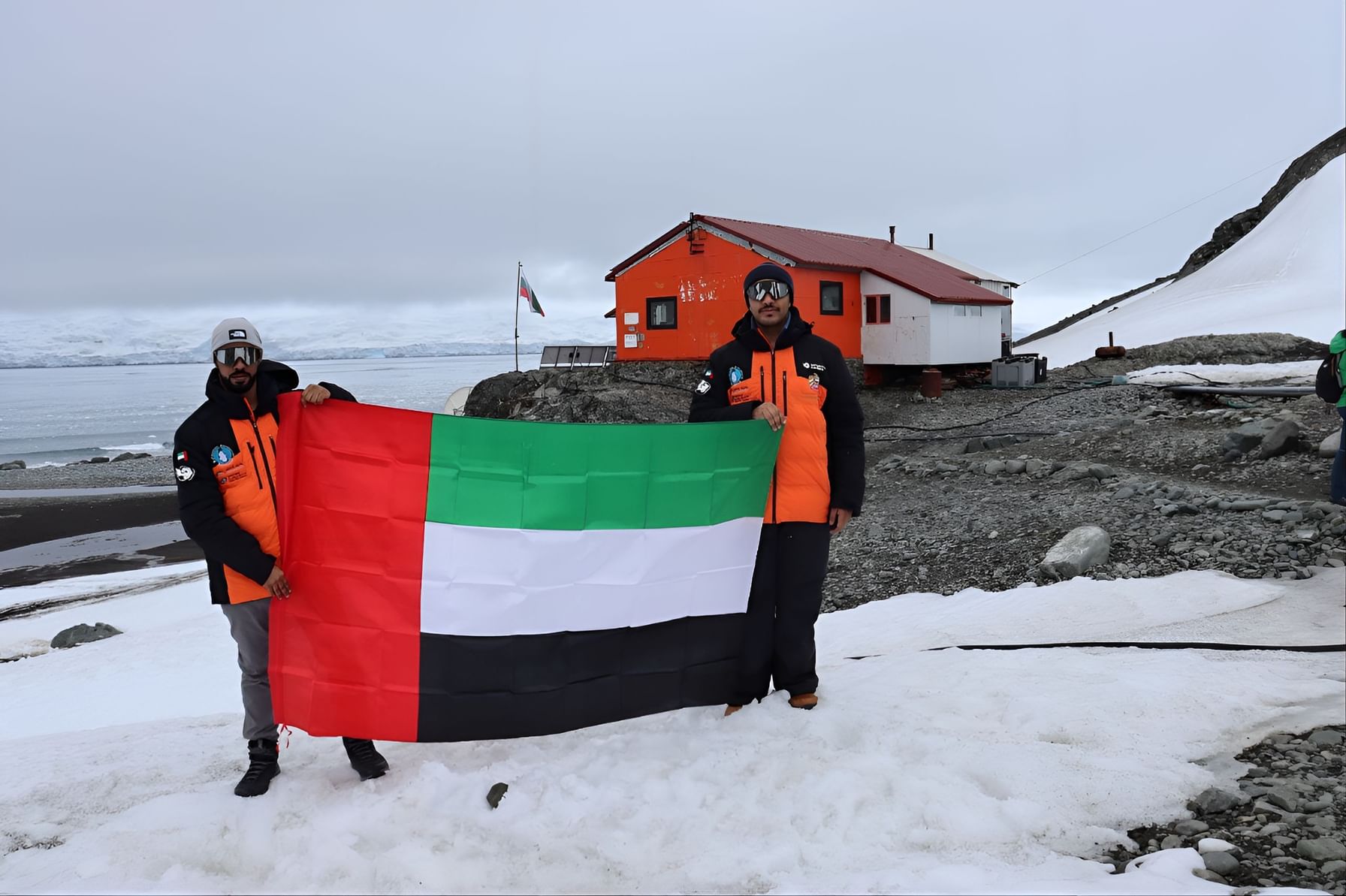
Two Emirati scientists have established two research stations in Antarctica – one for weather monitoring and another for seismological research. The remarkable feat marks the first time the UAE and the Arab region are represented in this critical scientific endeavour.


The scientists, 32-year-old Ahmed Mansour Al Kaabi and 31-year-old Eng. Badr Alameri, who recently returned from the icy cold expanse, shared their journey in an exclusive interview with Khaleej Times.


Reflecting on the challenges of operating in one of the planet’s most hostile environments, they recounted the gruelling conditions, logistical hurdles, and the meticulous planning that went into making their mission successful.


“Upon arrival in Antarctica, we had to immediately adjust to the extreme weather conditions while focusing on our project that needed to be completed within three weeks. With no night time there, we had to simulate darkness by covering the windows so as to get enough rest for the next day’s tasks. Working 12-hour shifts, from 10 am to 10 pm for nearly three weeks, proper sleep was essential to maintain productivity,” Ahmed Mansour Al Kaabi, Head of Meteorological and Geophysical Studies Section, at the National Centre of Meteorology (NCM), said.


“The weather was a huge challenge. Despite it being summer, strong winds often forced us to halt fieldwork and switch to office tasks like data collection and analysis,” Badr Alameri, Senior Application Engineer at NCM, said.


Their expedition began on December 20 with a flight from Abu Dhabi, before they reached Antarctica on December 28. The UAE team first went to Sofia (Bulgaria) and then to Rome as part of the 33rd Bulgarian Expedition, a collaborative effort involving scientists from five countries — UAE, Spain, Montenegro, Greece, and Bulgaria.


From Rome, the journey continued to Buenos Aires, Argentina, and then to Ushuaia (southern tip of Argentina) where they boarded a research vessel.


The vessel navigated the infamous Drake Passage, known for its treacherous conditions and historical significance as a “graveyard of wooden ships” that led to the creation of the Panama Canal as a safer alternative for maritime trade.


“This was really challenging as it is one of the world’s most notorious sea routes. We were in Drake passage for three days. The passage’s towering waves reached 10-12 feet and the howling winds could be heard from inside the pipes. We were extremely seasick.”


The duo was also awarded a certificate for successfully crossing the Drake Passage.

“We spent 31 hours flying and three days in such direct passes,” recalled Al Kaabi, a graduate of Boise State University in the United States, who holds a Bachelor’s degree in Meteorology and a Diploma in Emergency Response.

“A total of 34 people arrived at the base, where we stayed in wooden shelters. Each room accommodated about four people. Shortly after, we began our project and spent 24 days at the base.”


Installing the stations

Alameri said, “I installed two seismic stations, weak motion and strong motion, to record seismic activities, glacial motions, and volcanic activities among other things. There was one Bulgarian and one Spanish seismic station there; now, we’ve installed our station. Science is shareable and knowledge and data sharing is imperative.”


Explaining how seismic stations work, Al Kaabi explained: “The meteorological meter registration includes eight sensors – temperature, humidity, pressure, rain gauge, wind speed and direction, and solar radiation. In both projects, once data is collected, the next step is analysis to understand the trends and patterns. This leads to case studies and ultimately culminates in research. The more data we collect, the better we’ll understand the local parameters. However, those two weeks don’t capture the full weather patterns of Antarctica, as it’s necessary to spend at least a year there to observe all the seasons.


Alameri, a geophysicist who has graduated from the Boise State University in the United States, said, “even if it reads 0°C, it feels like -10°C. It’s not like what you feel elsewhere on Earth.”

“We layered four to five pieces of clothing and wore two to three pairs of socks. Our attire consisted of specially designed suits tailored for Arctic or Antarctic conditions, including suits, boots, and windbreaker jackets. These suits are quite heavy.”


Physical and mental strength is essential to install these weather stations, Al Kaabi added.


“We installed more sensors in our weather stations than any others in the region, but it wasn’t an easy task. Each meteorological station required six batteries, each weighing 60kg. It took four people to carry one battery, and transporting just one up the mountain took an entire day. On top of that, we had four additional batteries for the seismic station. We also had to transport other equipment of the entire weather and seismic station, moving these things in groups.”


“We went during summer. The daily average temperature was from -3°C to 5°C. This doesn’t include the wind.”


What did they do during downtime?

When the researches got some time to themselves, they would speak to their office and family via satellite phones and send WhatsApp messages.


They also took turns in kitchen duties and assisted the chef with cooking. They said they did cleaning and laundry with minimal gadgets.


One memorable moment from the mission was when they sent 10 postcards from Antarctica to 10 people before leaving.


Al Kaabi said, “I sent one to each of the 10 people. I wasn’t sure when the postcards would reach them—maybe in three or four months—because it had to travel from Antarctica by ship, then by plane. The postcards were given to a person who dropped them off at the nearest post office before they were sent on their way. Let’s see when and where they eventually arrive.”


Alameri added, “It was an incredible mix of adventure and freedom. We hopped into a Zodiac, a small boat that felt like it was flying as the wind rushed by. We cruised past massive icebergs and even saw volcanic ash. Antarctica is still a very active volcanic region. Along the way, we spotted some unique birds. The only animals that call the South Pole home are penguins, seals, and a handful of bird species. We even heard some fascinating sounds that made the whole experience feel even more surreal.”




UAE, Argentine Republic collaborate for Antarctic research

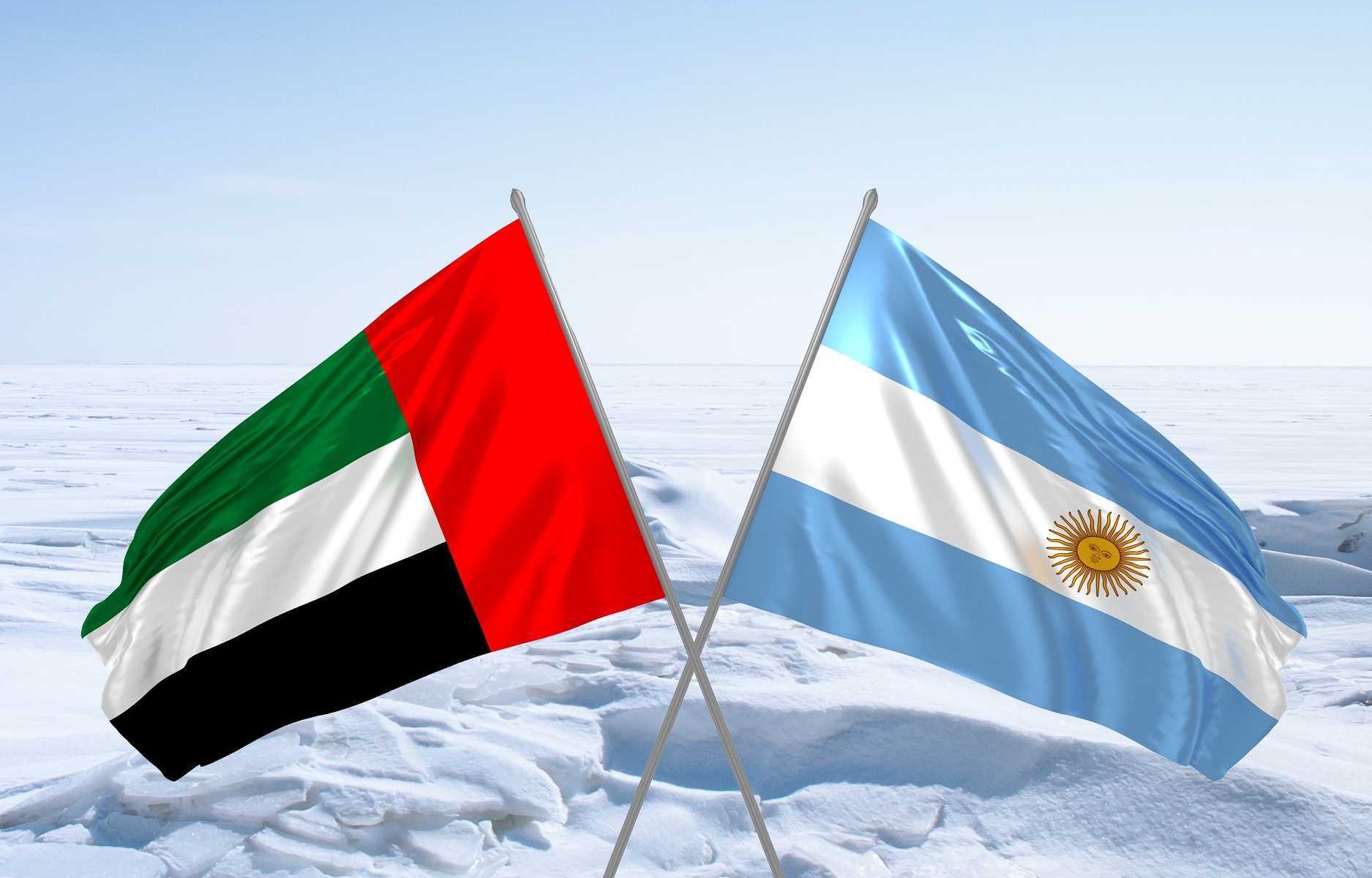
The United Arab Emirates and the Argentine Republic have signed a Memorandum of Understanding (MoU) on Cooperation in Antarctic Research, reinforcing their shared commitment to scientific progress and environmental stewardship in Antarctica.


The MoU was formalised between the Emirates Polar Program, under the Presidential Court, and the National Directorate for Antarctic (Instituto Antartico Argentino – IAA), under the Ministry of Foreign Affairs, International Trade and Worship of the Argentine Republic.


The memorandum was signed on the sidelines of the Foreign Minister of the Argentine Republic’s visit to the UAE by Abdulla Balalaa, Assistant Minister of Foreign Affairs for Energy and Sustainability, & Vice-Chair of the Emirates Polar Program Steering Committee.


This collaboration marks a significant step towards strengthening scientific cooperation in Antarctica, facilitating joint research projects, academic exchange, and capacity-building initiatives, and bolstering both nations’ contributions to the advancement of polar science and the global understanding of Antarctica.


Balalaa emphasized, “This MoU reflects the UAE’s unwavering commitment to advancing polar science through strategic global partnerships. By joining forces with the Argentine Republic, a nation with a profound legacy in Antarctic research, we are not only expanding our own scientific frontiers but also driving deeper global insights into this critical region and its indispensable role in our planet’s future.”


The Emirates Polar Program, established to strengthen the UAE’s leadership in polar science, stands to gain significantly from this partnership. The program is dedicated to participating in international missions to Antarctica and the Arctic, supporting global climate research, and deepening scientific understanding of polar environments.


Building on previous MoUs with the Arctic University of Norway and the National Center for Polar and Ocean Research of India, this collaboration reinforces the UAE’s commitment to global scientific cooperation and environmental stewardship in the world’s most remote and critical ecosystems.


Beyond advancing scientific research, this MOU further cements the growing ties between the UAE and Argentina, exhibiting a shared vision for scientific progress and responsible environmental engagement in Antarctica.

Team Watts & Water that Includes Khalifa University, Advances to Stage Two of US$119M XPRIZE Water Scarcity Competition

Milestone Achievement for Consortium Pioneering New Desalination Model


Team Watts & Water, which includes Khalifa University of Science and Technology and other UAE and international partners has officially qualified for stage-2 (Track A – System-Level Innovation) of the US$119-million XPRIZE Water Scarcity Competition , the largest prize of its kind. . The announcement was made during a dedicated event in New York City by prize partners The Mohamed.


The team consortium which is competing in XPRIZE Water Scarcity, envisioned by The Mohamed bin Zayed Water Initiative, is led by MediSun Energy (Singapore) and Trevi Systems (US), together with strong contributions from Khalifa University of Science and Technology under the technical leadership of Prof. Shadi W. Hasan, Director, Center for Membranes and Advanced Water Technology (CMAT), King Abdullah University of Science and Technology (KAUST), Saudi Arabia, led by Prof. Noreddine Ghaffour, and GreenTech (China). The efforts are anchored in regional partnerships supported by the UAE Ministry of Energy and Infrastructure (MOEI) and the Etihad Water and Electricity (EtihadWE), reflecting the UAE’s leadership in global water innovation.


The consortium is pioneering a new desalination model that reduces energy in use, transform brine into valuable resources, and captures CO2. This approach combines MediSun’s Reverse Electrodialysis and carbon capture with Trevi’s Forward Osmosis platform, advancing circular water solutions.


At Khalifa University, Prof. Shadi W. Hasan has been instrumental in aligning advanced research with industry needs, guiding the integration of breakthrough ideas into scalable, energy-efficient desalination solutions, and ensuring the University’s impact in one of the most high-profile innovation challenges in the world.


Dusun Kim, Co-Founder & CEO, MediSun, said: “Advancing in Track A of the XPRIZE Water Scarcity competition is a major step for us. This proves that innovation succeeds when the best minds and institutions come together to solve global water challenges.”


John Webley, CEO, Trevi Systems, said: “This milestone highlights the strength of collaboration. By bringing together Trevi’s Forward Osmosis with MediSun’s technologies, we are proving that integrated solutions can lower energy demand, recover value from brine, and set new benchmarks for the desalination industry.”


H.E. Prof. Ebrahim Al Hajri, President of Khalifa University, said: “Khalifa University is proud to be part of this consortium under the Mohamed bin Zayed Water Initiative of the UAE and contribute to this global competition through world-class expertise and facilities. The success of Team Watts & Water highlights the role of the UAE in addressing pressing water challenges while strengthening our leadership in innovation and sustainability.”


Prof. Shadi W. Hasan, CMAT, Khalifa University, said: “Collaboration is the engine of progress. Advancing in Track A shows how research, when connected with industry and national vision, can deliver practical outcomes that no single institution could achieve alone.”


H.E. Eng. Sharif Alolama, Undersecretary for Energy and Petroleum Affairs Office, MOEI (UAE), said: “This project demonstrates the UAE’s leadership in supporting transformative initiatives under the Water Security Strategy 2036. Partnerships like this, where academia and industry unite, are key to advancing sustainability goals regionally and globally.”


H.E. Eng. Yousif Ahmed Al Ali, CEO, EtihadWE, said: “This success underscores the importance of regional partnerships. By working collectively, we are showing how bold ideas can move from vision to implementation, strengthening the UAE’s leadership in sustainable water innovation.


Jack Zhang, Director of International Business of GreenTech, said: “Track A is recognition of teamwork across borders and disciplines. By working together in the Middle East and beyond, we are proving that international innovation and regional leadership can deliver sustainable water solutions with global impact.”


Prof. Noreddine Ghaffour, KAUST, said: “Being part of this effort underlines the importance of collaboration between academia and technology leaders. It demonstrates how deep scientific expertise can accelerate the development of practical, scalable solutions.”


Advancing to Stage Two not only reflects the strength of the partnerships but also sets the stage for developing a new generation of sustainable desalination systems. As Stage Two progresses, Team Watts & Water aims to demonstrate how global innovation and regional leadership can shape a water-secure future.


Learn more about the XPRIZE Water Scarcity Challenge here

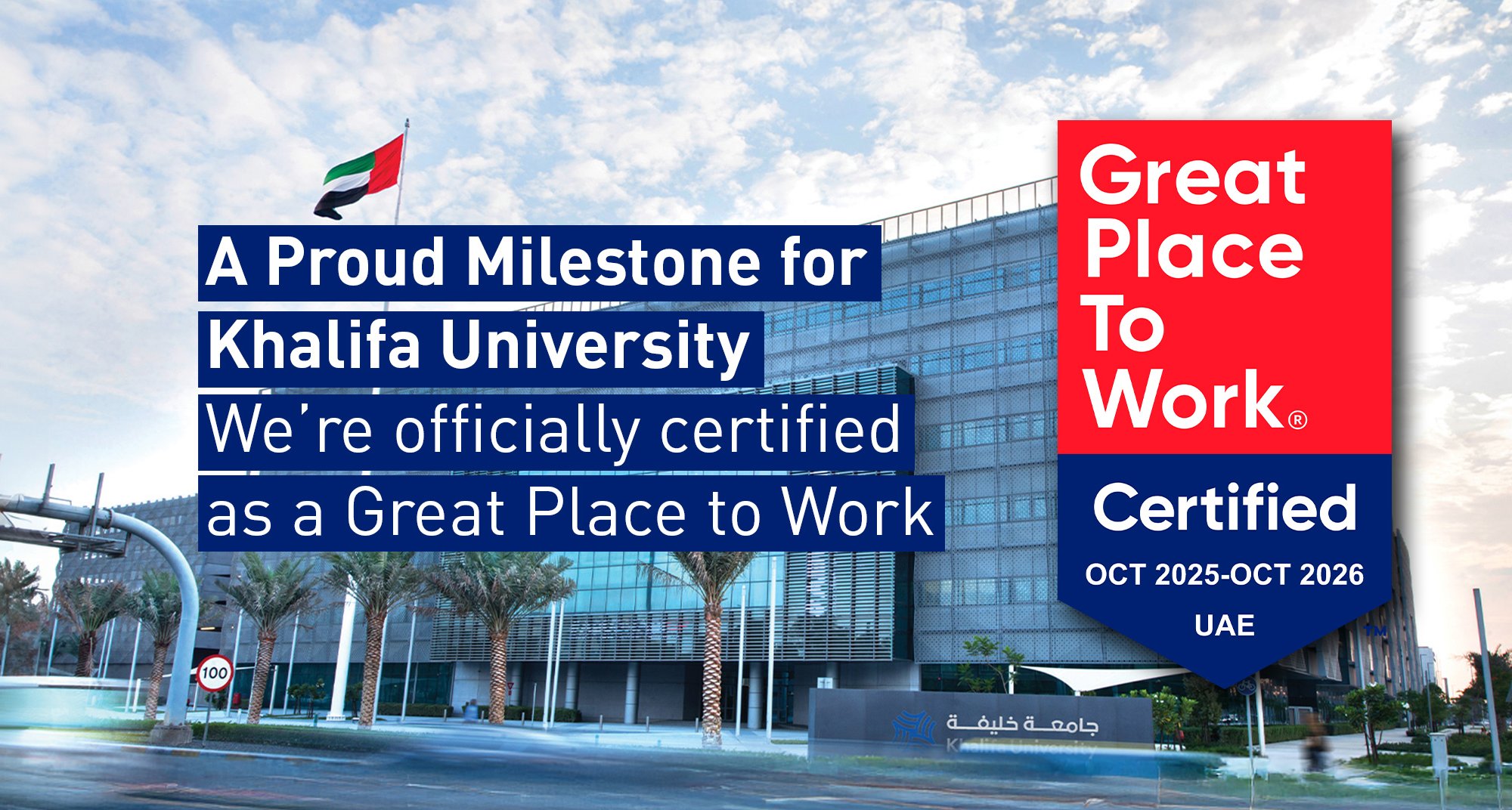
Khalifa University Certified as a Great Place to Work, Reinforcing Its Role in Advancing the UAE’s Knowledge Economy

Recognition Underscores Khalifa University’s Commitment to Empowering National Talent and Fostering Globally Engaged Academic Community


Khalifa University has been officially certified as a Great Place to Work for the next 12 months, following an independent assessment by Great Place To Work®, a global consulting organization recognized for its research and benchmarking of workplace culture and employee experience.


The certification is one of the most trusted symbols of workplace excellence worldwide and is based entirely on confidential employee feedback gathered through a globally recognized Trust Index™ survey, which measures key aspects of workplace culture such as credibility, respect, fairness, pride, and camaraderie.


Organizations must meet or exceed the benchmark set by Great Place To Work® to earn the certification. The recognition highlights Khalifa University’s positive, supportive, and fulfilling work culture that continues to attract exceptional minds from the UAE and globally.


At Khalifa University, more than 700 faculty, over 400 researchers and nearly 500 staff members participated in the survey representing nearly 70 countries, reflecting their views on leadership, trust, collaboration, and opportunities for growth within the institution. Earning this recognition places Khalifa University among a select group of organizations worldwide that demonstrate an exceptional employee experience aligned with international standards.


Through advanced research facilities, continuous professional development, and world-class training, Khalifa University continues to empower national talent and strengthen the UAE’s position as a global hub for science, technology, and innovation. The Great Place to Work certification further affirms the University’s alignment with the nation’s strategic priorities, including the UAE Vision 2031, National Innovation Strategy, and UAE Centennial 2071, which aim to build a competitive, knowledge-based economy driven by human capital and excellence.


By fostering a workplace culture built on excellence, integrity, and collaboration, Khalifa University remains dedicated to shaping a future-ready workforce and advancing the UAE’s journey toward sustainable innovation and economic progress.

Engineering Silence with 3D-Printed Lattices

A new study shows how 3D-printed lattice structures can be designed to absorb sound better than traditional materials for quieter buildings and vehicles


Discover how 3D printing stops noise – Listen now!


A team of researchers from Khalifa University and French aerospace company Dassault Aviation has demonstrated how complex, 3D-printed lattice structures known as TPMS (triply periodic minimal surfaces) can be finely tuned to absorb sound more efficiently than many traditional materials. Lattice structures are highly porous structures designed of three-dimensional repeated unit cells with mathematically engineered geometries. Their study, published in Journal of Building Engineering, shows these materials could play a key role in designing quieter, more sustainable environments, from offices and homes to aircraft cabins.


Kamal Sirivuri, Dr. Vignesh Sekar, Prof. Wesley Cantwell, Prof. Kin Liao and Prof. Rashid Abu Al-Rub, from the KU Advanced Digital & Additive Manufacturing Group, with researchers from Dassault Aviation, combined advanced numerical modelling and experimental validation based on thermoviscous acoustics, which accounts for the two primary mechanisms by which sound energy is lost: viscous friction between air and solid surfaces, and thermal conduction due to air compression and expansion.


While conventional noise-control materials rely on bulky foams or fibrous panels, TPMS lattices use geometry to manipulate sound. These intricately interconnected structures can be additively manufactured with remarkable precision, allowing designers to tailor the material’s acoustic properties at the microscopic level.


The team’s research revealed several key design principles. Smaller pore sizes lead to higher sound absorption by increasing surface interactions with air molecules. Reducing porosity, while keeping pores interconnected, further enhances performance, as does increasing the thickness of the material. However, the shape and arrangement of pores, not just their size, is also important. Structures with alternating narrow necks and wider cavities, like the team’s newly developed hybrid lattice structure called P + N, excel at trapping and dissipating sound energy across a wide frequency range.


Dr. Rashid

“A serene, pleasant, and peaceful environment fosters profound happiness, underscoring the pivotal role of sound levels in determining human health. By harnessing the geometry of TPMS lattices, we can design materials that absorb sound more efficiently. This opens new possibilities for customizable acoustic solutions in architecture, aerospace, and beyond.”

Professor Rashid Abu Al-Rub, Khalifa University.


The hybrid P + N lattice delivered the best results overall during testing with strong absorption in the critical range for human hearing and common noise pollution. Because TPMS geometries can be described and manipulated through mathematical equations, the team suggests that designers can use their approach to pre-screen designs and avoid time-consuming trial-and-error prototyping. 

Jade Sterling
Science Writer

Engineering Silence with 3D-Printed Lattices

A new study shows how 3D-printed lattice structures can be designed to absorb sound better than traditional materials for quieter buildings and vehicles


A team of researchers from Khalifa University and French aerospace company Dassault Aviation has demonstrated how complex, 3D-printed lattice structures known as TPMS (triply periodic minimal surfaces) can be finely tuned to absorb sound more efficiently than many traditional materials. Lattice structures are highly porous structures designed of three-dimensional repeated unit cells with mathematically engineered geometries. Their study, published in Journal of Building Engineering, shows these materials could play a key role in designing quieter, more sustainable environments, from offices and homes to aircraft cabins.


Kamal Sirivuri, Dr. Vignesh Sekar, Prof. Wesley Cantwell, Prof. Kin Liao and Prof. Rashid Abu Al-Rub from the KU Advanced Digital & Additive Manufacturing Group, with researchers from Dassault Aviation, combined advanced numerical modelling and experimental validation based on thermoviscous acoustics, which accounts for the two primary mechanisms by which sound energy is lost: viscous friction between air and solid surfaces, and thermal conduction due to air compression and expansion.


Dr. Rashid

“A serene, pleasant, and peaceful environment fosters profound happiness, underscoring the pivotal role of sound levels in determining human health. By harnessing the geometry of TPMS lattices, we can design materials that absorb sound more efficiently. This opens new possibilities for customizable acoustic solutions in architecture, aerospace, and beyond”

Professor Rashid Abu Al-Rub, Khalifa University.


While conventional noise-control materials rely on bulky foams or fibrous panels, TPMS lattices use geometry to manipulate sound. These intricately interconnected structures can be additively manufactured with remarkable precision, allowing designers to tailor the material’s acoustic properties at the microscopic level.


The team’s research revealed several key design principles. Smaller pore sizes lead to higher sound absorption by increasing surface interactions with air molecules. Reducing porosity, while keeping pores interconnected, further enhances performance, as does increasing the thickness of the material. However, the shape and arrangement of pores, not just their size, is also important. Structures with alternating narrow necks and wider cavities, like the team’s newly developed hybrid lattice structure called P + N, excel at trapping and dissipating sound energy across a wide frequence range.


The hybrid P + N lattice delivered the best results overall during testing with strong absorption in the critical range for human hearing and common noise pollution. Because TPMS geometries can be described and manipulated through mathematical equations, the team suggests that designers can use their approach to pre-screen designs and avoid time-consuming trial-and-error prototyping.


Jade Sterling
Science Writer

ADSW x Polar Seminar at KU

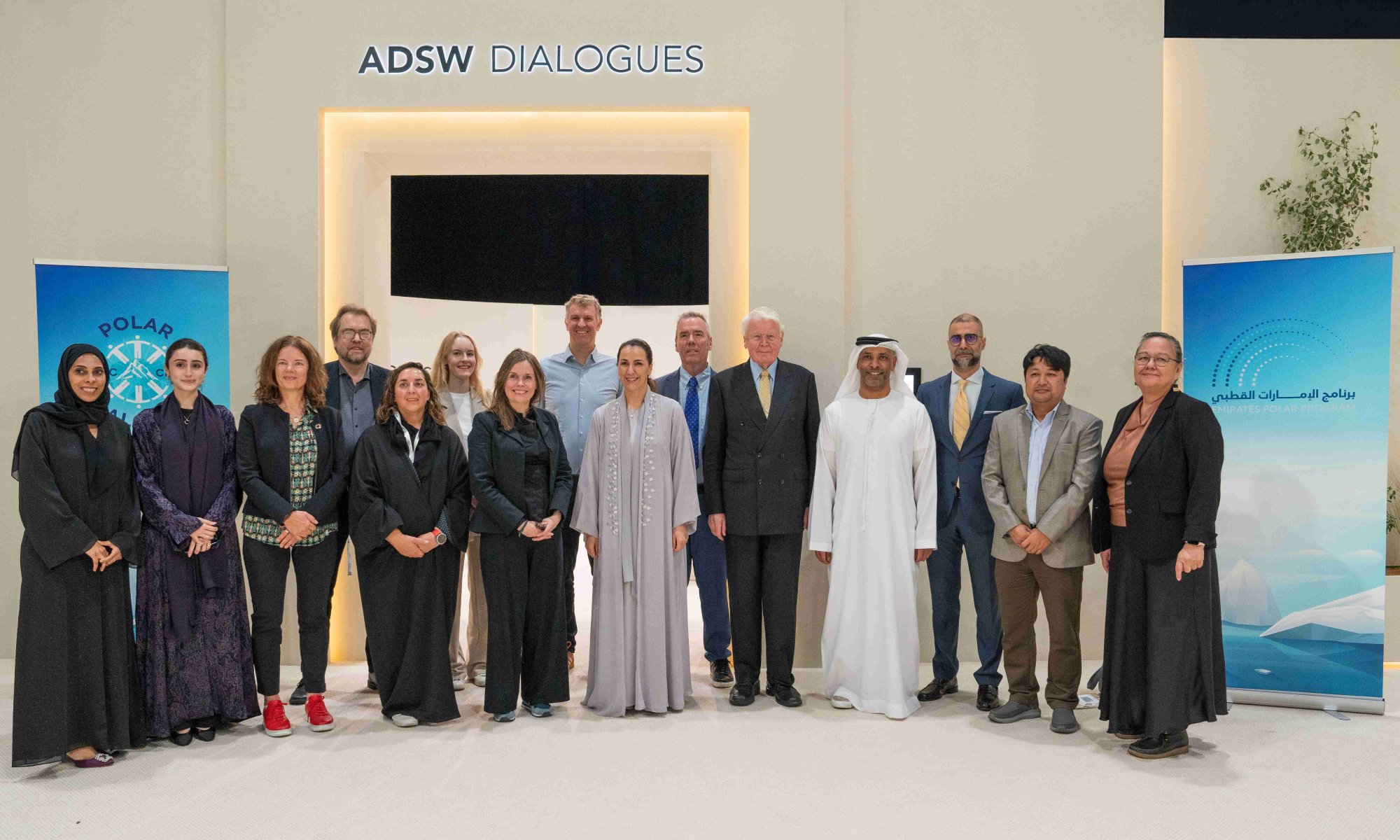
Brief: The UAE, a long-standing supporter of global sustainability initiatives, and through the newly launched Emirates Polar Program, has collaborated with the Arctic Circle to bring forth a Polar Dialogue, held in Abu Dhabi for the very first time. This event was held during the Abu Dhabi Sustainability Week and aimed at building the momentum generated by the Polar Summit 2023, and the Arctic Circle’s custodianship of the Polar Dialogue as a continual effort in 2024 and beyond. The Polar Dialogue, Chaired by H.E. Katrin Jakobsdottir, former Prime Minister of Iceland (2017-2024), has established itself as a convener and a facilitator of Polar research cooperation.


The Polar Dialogue brough together key local and international stakeholders, composed of mainly policymakers and scientists, to discuss scientific challenges and cooperation in the context of the Arctic, Antarctic, and the Himalaya – Third Pole region.


Amongst the attendees were H.E. Mariam AlMheiri, Chair of the Emirates Polar Program Steering Committee and of the International Affairs Office at the Presidential Court, Chairman of the Arctic Circle, H.E. Olafur Ragnar Grimsson, H.E. Katrin Jakobsdottir, former Prime Minister of Iceland (2017-2024), H.E. Prof. Ebrahim AlHajri, President, Khalifa University, representatives from ICIMOD, University of Greenland, Icelandic Meterological Office, Alfred Wegener Institute Helmholtz Centre for Polar and Marine Research, Khalifa University, United Arab Emirates University, and more.

Polar Seminar at Khalifa University (SAN Campus)

Khalifa University Faculty Members Share Research Perspectives on Ways to Preserve Polar Region


In collaboration with the Emirates Polar Program and the Arctic Circle, Khalifa University hosted global stakeholders, leading polar scientists, and policymakers for a Polar Seminar at the Sas Al Nakhl (SAN) Campus as part of the Abu Dhabi Sustainability Week (ADSW) 2025.


Joined by the Chairman of Arctic Circle, H.E. Ólafur Ragnar Grímsson, and the Chair of the Polar Dialogue and previous Prime Minister of Iceland, H.E. Katrín Jakobsdóttir, the guests toured Khalifa University’s cutting-edge research facilities. The group visited the Environmental and Geophysical Sciences (ENGEOS) Lab, the world’s first atmospheric water generation system (AWG) that operates entirely on solar energy and electrical thermal energy storage, the region’s only permanent Body Museum, the College of Medicine and Health Sciences (CMHS), the Advanced Research and Innovation Center (ARIC) focusing on aerospace, and the Marine Studies and Research Lab – the region’s first-ever advanced research facility equipped with wave and stream generation facilities.


Faculty members from Khalifa University representing Earth Science, Aerospace Engineering, as well as Mechanical & Nuclear Engineering and Civil & Environmental Engineering, shared their perspectives on research and science, recommending various avenues for collaborations to mitigate the threats of melting glaciers and water insecurity, aggravated by climate change.


Other delegates included members of the Emirates Polar Program Steering Committee, Gitte Adler Reimer, Rector, University of Greenland; Izabella Koziell, Deputy Director General, ICIMOD – International Centre for Integrated Mountain Development, Dr. Peter Griffith, Director, Cycle & Ecosystems Office, Science Systems & Applications, Inc. (SSAI), Sudan Bikash Maharjan, Cryosphere Scientist, ICIMOD, Dr. Thorsteinn Thorsteinsson, Glaciologist, Icelandic Meteorological Office, and Prof. Alexander Haumann, Alfred Wegener Institute Helmholtz Centre for Polar and Marine Research.


Announced in November 2024 by H.E. Mariam Almheiri, Head of the International Affairs Office of the Presidential Court, and Chair of the EPP Steering Committee, the Emirates Polar Program aims to equip Emirati scientists for participation in international polar missions. The Polar Research Center at Khalifa University was only an initial step, which also includes building strategic international partnerships, signing relevant treaties, and joining international polar missions. The Center aims to be a key contributor in filling the knowledge gaps in polar sciences by studying the cryosphere, oceans, and landscape, aligning with global initiatives like the 5th International Polar Year (IPY) 2032-33.he Arctic Circle Polar Dialogue initiative unites global experts and policymakers to drive forward the global conversation on responsible polar research and foster scientific collaboration on the Arctic, Antarctic and the Himalaya – Third Pole regions.

NCM participates in first joint scientific expedition to South Pole

The National Centre of Meteorology (NCM), in collaboration with the Bulgarian Institute of Polar Research, participated in its first joint scientific expedition to the South Pole, a unique achievement that reflects the UAE’s firm commitment to leading global scientific research and enhancing international partnerships in the fields of meteorology and climate science, emphasising its pivotal role in addressing global climate challenges.


The expedition involved Two Emirati experts in meteorology and seismology, Ahmed Al Kaabi and Badr Al Ameri, participated in the expedition, who underwent intensive training to endure the harsh conditions faced by scientific missions in polar regions.


Preparations for this mission included months of rigorous physical and technical training to ensure the team was fully prepared to handle the challenges they might encounter in the harsh environment of the South Pole.


Two meteorological and seismic monitoring stations will be installed as part of the tasks assigned to the dispatched experts. These stations will contribute to gathering vital data on weather patterns and seismic activity in the polar region, enhancing our understanding of the environmental conditions in this part of the world.


This information will have a significant impact on supporting the NCM’s projects and in developing more accurate numerical forecasting models and seismic monitoring. Additionally, media documentation and filming of the expedition will be carried out using virtual reality technologies to support this documentation and provide an interactive experience that highlights the importance of the mission, and the data collected.


The mission aims to conduct critical research on climate change, atmospheric composition, and polar meteorology, with the goal of making significant contributions to global understanding of the South Pole’s role in regulating the Earth’s climate. The journey was filled with environmental and logistical challenges, as the team faced severe weather conditions and extreme isolation in one of the most remote areas of the world.


Dr. Abdullah Al Mandous, Director General of the NCM and President of the World Meteorological Organisation, said, “This scientific expedition to the South Pole represents a significant step in enhancing the UAE’s stature as a global hub for scientific research in meteorology and climate.


“This collaboration with the Bulgarian Institute for Polar Research demonstrates our commitment to actively engage with the international community to enhance knowledge and develop scientific solutions for current climate challenges.”


He added, that the successful installation of meteorological and seismic monitoring stations in a remote polar region is a testament to the expertise of our specialists and contributes to the accuracy of weather and seismic prediction models. “The data collected from this expedition will bolster our efforts to provide precise forecasts and improve our response to changing climate conditions. I look forward to further advancements in our research projects and enhancing international scientific cooperation that supports our efforts to address climate change and achieve sustainable development”.


Despite these challenges, the team successfully made pioneering scientific observations, including collecting atmospheric data to study the impact of polar weather patterns on global climate, as well as monitoring ice melting and its effects on sea-level rise, providing vital data for climate change studies. Advanced meteorological instruments designed to operate in harsh environments were also tested.


The collaboration between Emirati and Bulgarian scientists, through enhancing the exchange of knowledge and technologies, will contribute to stimulating scientific innovation and mutual growth between the two countries. Moreover, these activities reflect the UAE’s ambition to enhance its scientific capabilities and its active role in international efforts to combat climate change.


This scientific expedition marks a pivotal advancement toward realising the UAE’s strategic objectives of bolstering international scientific collaboration and playing a proactive role in the global initiative to tackle climate challenges. By spearheading such ambitious projects, the UAE reaffirms its commitment to being at the forefront of international efforts that aim not only to understand but also to mitigate the impacts of climate change.


This mission underlines the UAE’s dedication to promoting environmental sustainability and demonstrates its resolve to contribute scientifically and practically to a more sustainable future on a global scale.