
Khalifa University Alumna and SDG Ambassador Wins ‘Y4S Champions 2025’ Future Sustainability Leader Award

2024 Graduate Maria Latifa Benkhelifa Co-Developed Three AI Projects Aligned with UN-SDGs Integrating Technology, Innovation, and Real-World Impact


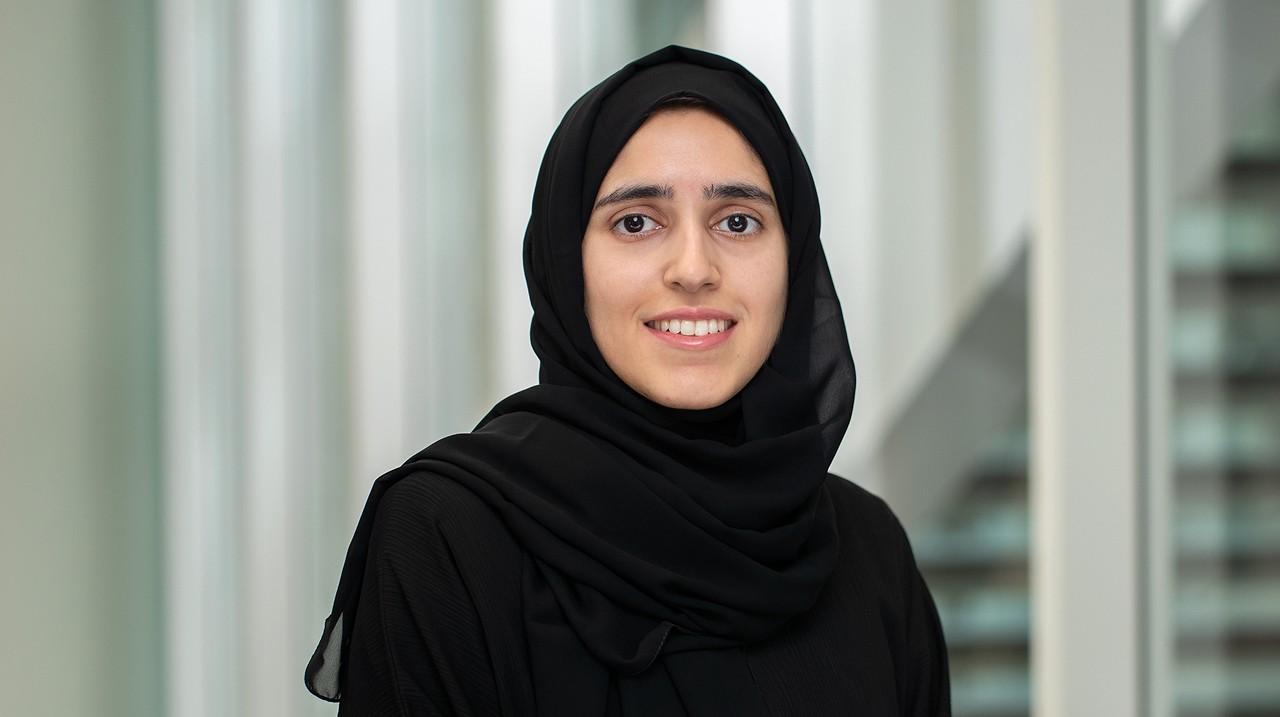
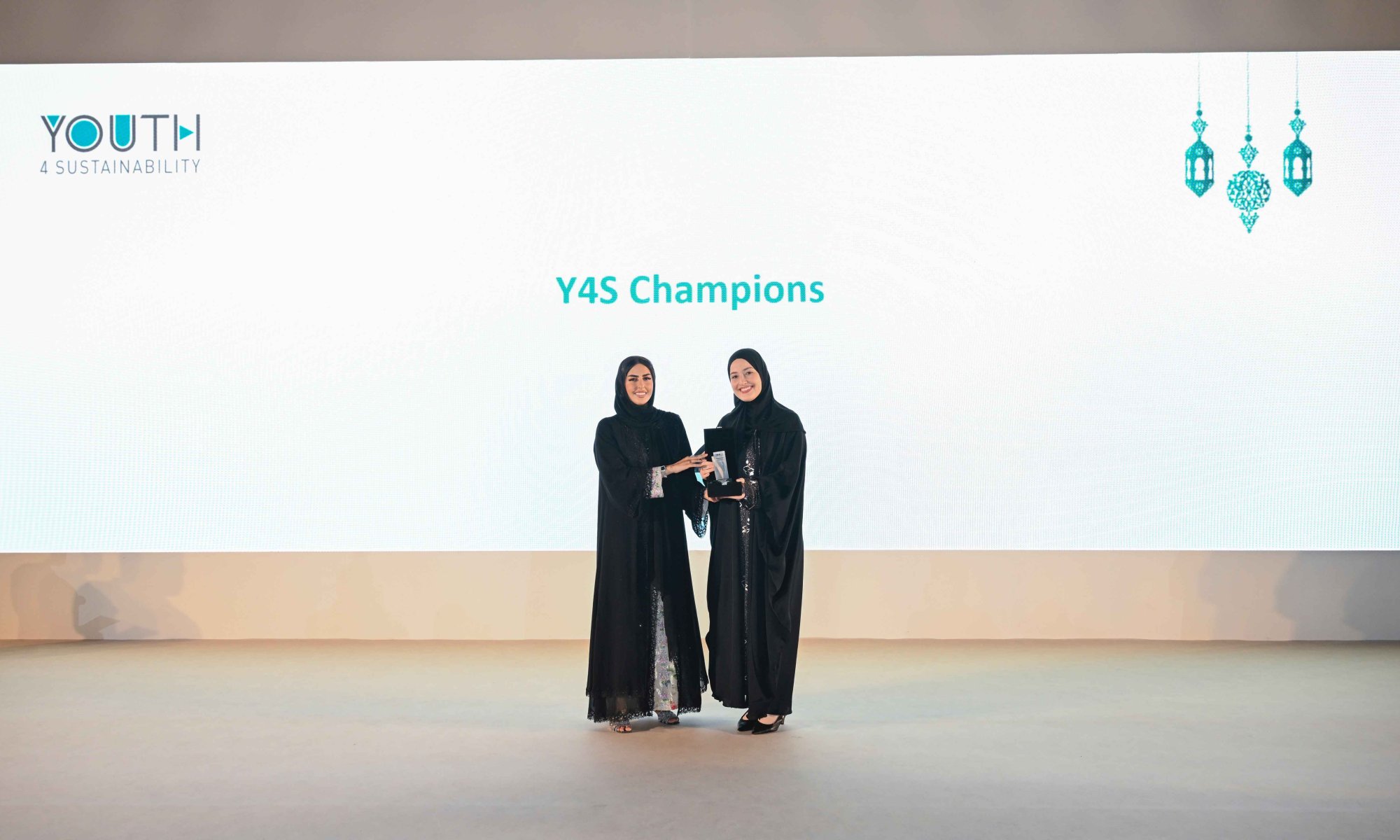
Khalifa University alumna Maria Latifa Benkhelifa, a 2024 Applied Mathematics and Statistics graduate, has won the ‘Y4S Champions 2025’ Award under the Future Sustainability Leader category from Masdar’s Youth 4 Sustainability (Y4S) program for her outstanding commitment to advancing sustainability, youth empowerment, and community engagement across the UAE.


Benkhelifa, an SDG Ambassador during her studies at Khalifa University, was part of the 2025 cohort of the Youth4Sustainability program and received the Y4S Champions Award 2025 at the Ramadan Gathering 2026. As an SDG Ambassador, she has also co-developed three AI projects, aligned with the UN-SDGs, integrating technology, innovation, and real-world impact. Y4S participants engage in mentorship programs, volunteer projects, expert-led sessions, and global exposure experiences, enabling them to contribute meaningfully to the UAE’s sustainability transition.


The co-curricular Khalifa University-SDG Ambassador Program helps to build upon the University’s membership into the UN Sustainable Development Solutions Network and introduce the UN-SDGs to students, equipping them with the knowledge to contribute towards giving back to the community.


Dr. Waleed Alameri, Associate Provost, Student Affairs, and Associate Professor, Chemical & Petroleum Engineering, Khalifa University, said: “Congratulations to Benkhelifa for her achievement, which stands as a testament to her year-long dedication to promoting sustainability awareness and leading impactful initiatives across the country. Khalifa University remains committed to nurturing leaders who will drive the UAE’s environmental and technological transformation. Through programs such as the SDG Ambassadors, community initiatives, and world-class academic support, Khalifa University plays a central role in equipping students and alumni with the tools needed to tackle global challenges. Her recognition places her among a distinguished cohort of young innovators and changemakers committed to shaping a more resilient, inclusive, and sustainable world.”


At Khalifa University, Benkhelifa gained her first exposure to meaningful community-led sustainability initiatives as an SDG Ambassador. She won first place under the Young Entrepreneurs’ Award category at the Congress of Arabic and Creative Industries’ Innovation Awards for BookBuddy AI, an intelligent AI-powered Arabic-book reading assistant that she co-created to make educational content more accessible and interactive, particularly for young learners. The project contributes directly to ‘SDG 4: Quality Education’ by enhancing learning accessibility and inclusivity.


Benkhelifa also contributed to developing Nabra, an AI-driven initiative focused on supporting children with speech and articulation difficulties. to help identify patterns in speech, provide corrective feedback, and support more effective communication development. This project aligns closely with ‘SDG 3: Good Health and Well-being’ by promoting cognitive and developmental support, as well as SDG 4. She has also founded maKina AI, an AI-powered predictive maintenance platform aimed at improving industrial efficiency and sustainability, thus supporting ‘SDG 9: Industry, Innovation, and Infrastructure’ and ‘SDG 13: Climate Action’. The maKina AI platform was showcased at Abu Dhabi Sustainability Week 2026.


Heading a Khalifa University student-led SDG initiative in Dubai, she also moderated a panel discussion alongside three inspiring panelists, exploring key topics related to the SDGs and their practical implementation within the university ecosystem, including student engagement, infrastructure, education, and community-driven initiatives.


Benkhelifa said: “Winning the Y4S Champions 2025 Award reflects my journey in sustainability which truly began at Khalifa University. The encouragement, academic environment, and mentorship I received at Khalifa University played a foundational role in shaping my passion for sustainability. The experiences and opportunities I received as an SDG Ambassador also empowered me to pursue this path with purpose. I am deeply grateful for the support Khalifa University continues to provide to its youth and alumni.”


Clarence Michael 
English Editor Specialist 
Khalifa University’s IEEE EMBS Student Chapter Receives Recognition as UAE’s Most Active Technical Chapter for 2025   

Award Recognizes Structured, High-Impact Initiatives that Help Advance Technical Excellence, Professional Development, Community Engagement, and Digital Outreach


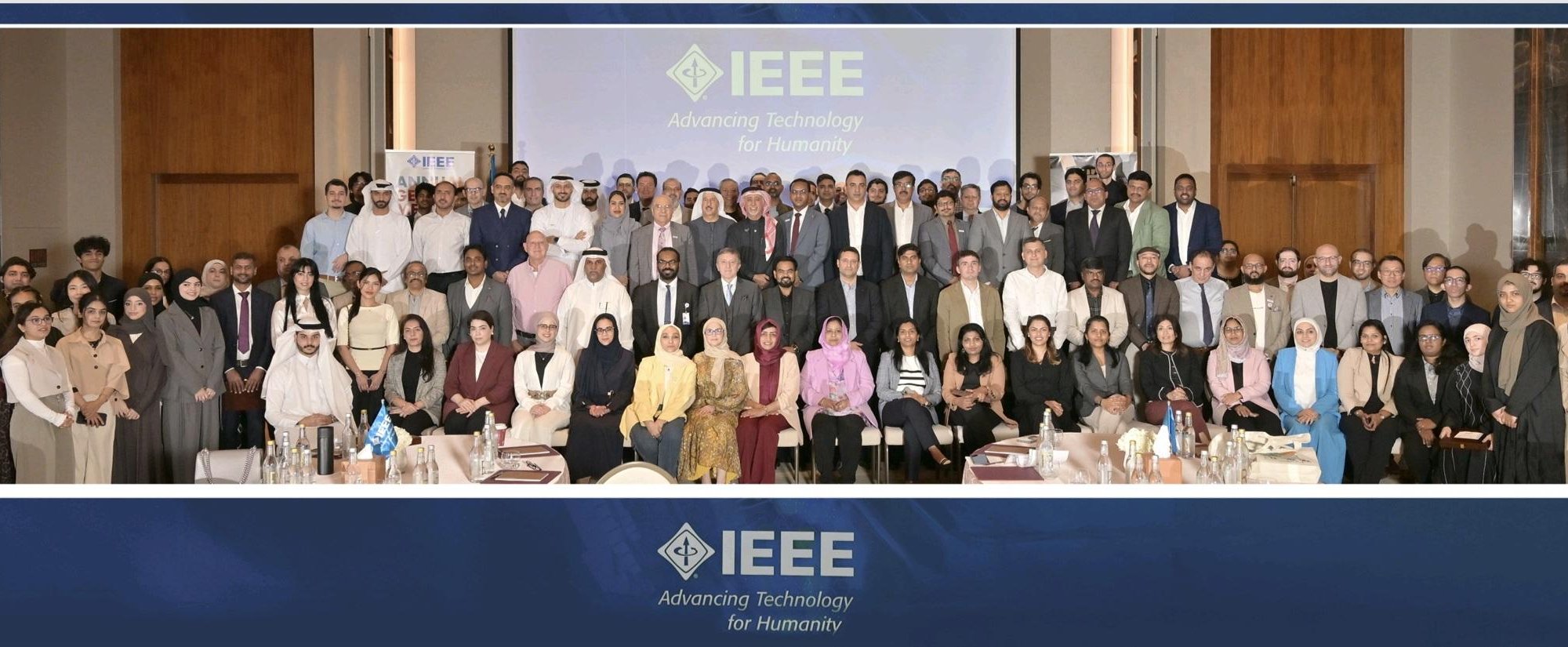
Khalifa University’s IEEE Engineering in Medicine and Biology Society (EMBS) Student Chapter has been awarded the Most Active Student Branch Technical Chapter (2025) by the IEEE UAE Section during its annual general meeting for demonstrating exceptional performance for its structured, high-impact initiatives that has helped advance technical excellence, professional development, community engagement, and digital outreach.


Robust collaboration and student engagement, high-quality technical and research-focused programming, successful membership development and retention, consistent digital presence and institutional visibility, impactful STEM outreach and community-driven initiatives, and active contribution to IEEE EMBS regional objectives were some of the reasons for the national recognition for EMBS Khalifa University Student Chapter.


During the year, the EMBS Student Chapter organized a comprehensive portfolio of events and activities that strengthened student capability and elevated the visibility of biomedical engineering within the UAE. These events helped to enrich technical competency, foster leadership development, and expand interdisciplinary collaboration while creating meaningful community impact. These include Healthcare Innovation Hackathon 2025, IEEE HealthCom 2025 – International Conference on E-health Networking, Applications & Services, a panel discussion on Women in Emerging Technology, Research seminars and distinguished lectures, high school outreach visits, as well as Job shadowing programs and student engagement events.


The chapter’s data-driven digital strategy has also demonstrated measurable success, while facilitating its online presence that significantly boosted collaborations, and professional visibility across platforms.


Dr. Maria de Fatima Fonseca Domingues, Assistant Professor, Biomedical Engineering and Biotechnology, Khalifa University, said: “This recognition for Khalifa University IEEE Engineering in Medicine and Biology Society (EMBS) Student Chapter reinforces the University’s leadership in biomedical engineering and healthcare innovation within the UAE. The award is also the outcome of contributions from all those dedicated members who invested their time, creativity, and passion, supported by strong faculty mentorship and institutional encouragement.  It reflects collective leadership, teamwork, and sustained commitment, while demonstrating how student-led innovation and structured programming can achieve national recognition.”


Clarence Michael
English Editor – Specialist

Khalifa University ranks 6th for Petroleum Engineering in QS World University Rankings by Subject 2026

Khalifa University of Science and Technology today announced it has ranked 6th in the world for Petroleum Engineering in the QS World University Rankings by Subject 2026, climbing from 7th place in 2025. The University has also made gains across other engineering disciplines, with the broader subject area of Engineering and Technology scoring 131, Electrical & Electronic Engineering rising to 92nd, and Chemical Engineering making the biggest leap into the global Top 100 at 94, up from the 151–200 range in 2025.


With three subjects placed in the global Top 100, and three within the Top 150 worldwide, Khalifa University has secured positions for a total of 15 subjects under different categories in the 2026 QS Rankings by Subject.


Additionally, Mathematics remained in the Top 150 at 130, Mechanical Engineering achieved 133rd place, and Computer Science and Information rose to 137th. This year also marks a historic milestone with Khalifa University receiving its first-ever published broad subject ranking in Natural Sciences, placed 220th globally.


His Excellency Professor Ebrahim Al Hajri, President, Khalifa University, said: “Progress in globally competitive disciplines reflects a clear focus on research that delivers impact, particularly in areas critical to the UAE’s strategic priorities and the future of energy. Our 6th place ranking in Petroleum Engineering and consistent rise in several disciplines in the QS World University Rankings by Subject 2026 demonstrates our research, academic, and infrastructure excellence. These results reflect the strength of our faculty and research community in advancing innovation that supports economic diversification and develops the scientific and engineering talent the country and the region require.”


The QS World University Rankings by Subject 2026 analysed the reputation and research output of 6,277 institutions globally, of which 1,912 were ranked across 55 subjects and 5 broad subject areas, creating over 21,000 entries.

Khalifa University FALCON Prototypes Win Two Awards at UAE GCAA-Organized Bader Initiative

Prototypes H-EPIC and ANN-2 Receive ‘Best Innovative Real-World Project’ Awards


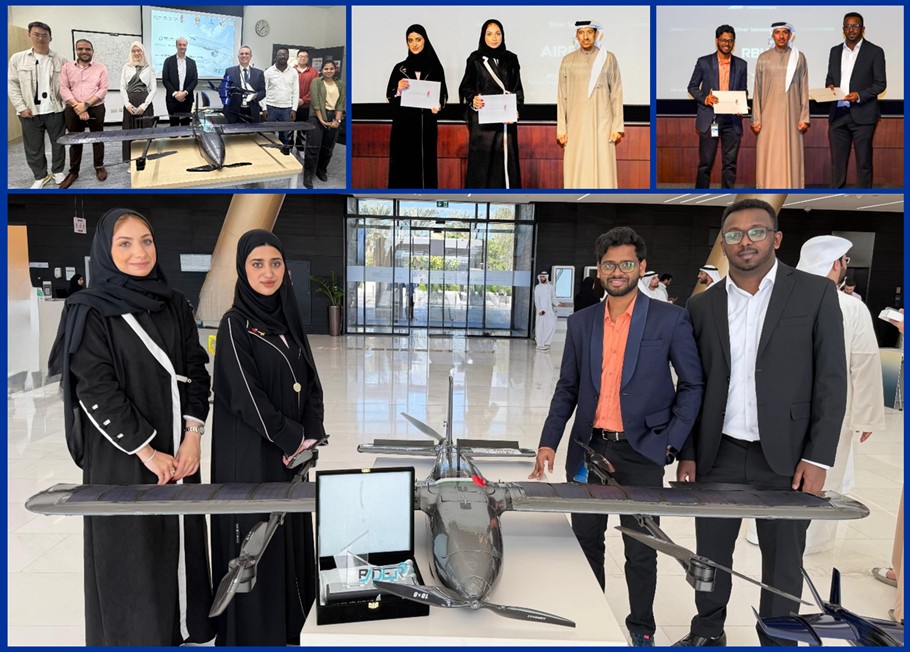
Khalifa University’s Future Aviation Leadership Center and Outreach Network (FALCON) program has won two awards at the Bader initiative – Innovate in the Aviation Sector – part of UAE’s General Civil Aviation Authority (GCAA) Promising Futures Career Fair in Civil Aviation at the Etihad Museum in Dubai for groundbreaking contributions to the air transportation industry.


The competition brought together key players from industry, government, and academia to showcase the most promising technologies for future aviation and Advanced Air Mobility (AAM).


The FALCON Program’s H-EPIC (Hybrid-Electric Prototype Integration Concept) drone and ANN-2 subscale prototype each received the ‘Best Innovative Real-World Project’ awards. 


H-EPIC, a hybrid-electric drone incorporating both Vertical Take-Off and Landing and fixed-wing flight technologies, tackles sustainability challenges by minimizing emissions and noise, while enhancing operational range and efficiency. It also functions as a platform for Artificial Intelligence based Mission Management Systems and hybrid-electric propulsion technologies critical to advancing Urban Air Mobility. 


The ANN-2 prototype, developed in collaboration with Manta International, emphasizes scalability and adaptability in AAM operations. It supports piloted, semi-autonomous, and fully autonomous missions, featuring state-of-the-art systems such as Guidance, Navigation, and Control, Sense-and-Avoid, and Human-Machine Interface.


The Bader initiative recognizes advanced projects with real-world applications, inspiring students and professionals to shape the future of aviation.


Khalifa University’s FALCON has established itself as a trailblazer in the realm of flight systems research and innovation. Partnering with both national and international stakeholders, FALCON has excelled in transforming research into impactful, real-world solutions. 


Professor Roberto Sabatini, Director of the FALCON Program, said: “The awards at the prestigious BADER Competition are a testament to the innovation and excellence demonstrated by our extraordinary team of students, researchers, and collaborators. The recognition of FALCON’s prototypes highlights their technological sophistication and alignment with national and global sustainability goals. The groundbreaking H-EPIC and ANN-2 prototypes address some of the most critical global challenges in advanced air mobility and intelligent flight systems, exemplifying Khalifa University’s pursuit of cutting-edge research and industry-focused engineering solutions. These pioneering efforts align seamlessly with the UAE’s ambitious goals to lead the way in net-zero aviation and intelligent mobility, fostering a thriving, knowledge-based economy.”


Alisha Roy
Science Writer

Khalifa University and MIT Host Joint Healthcare Innovation Program with 32 UAE and US Students

Undergraduate Students Participate in Industry-Relevant Healthcare Innovation Across Abu Dhabi


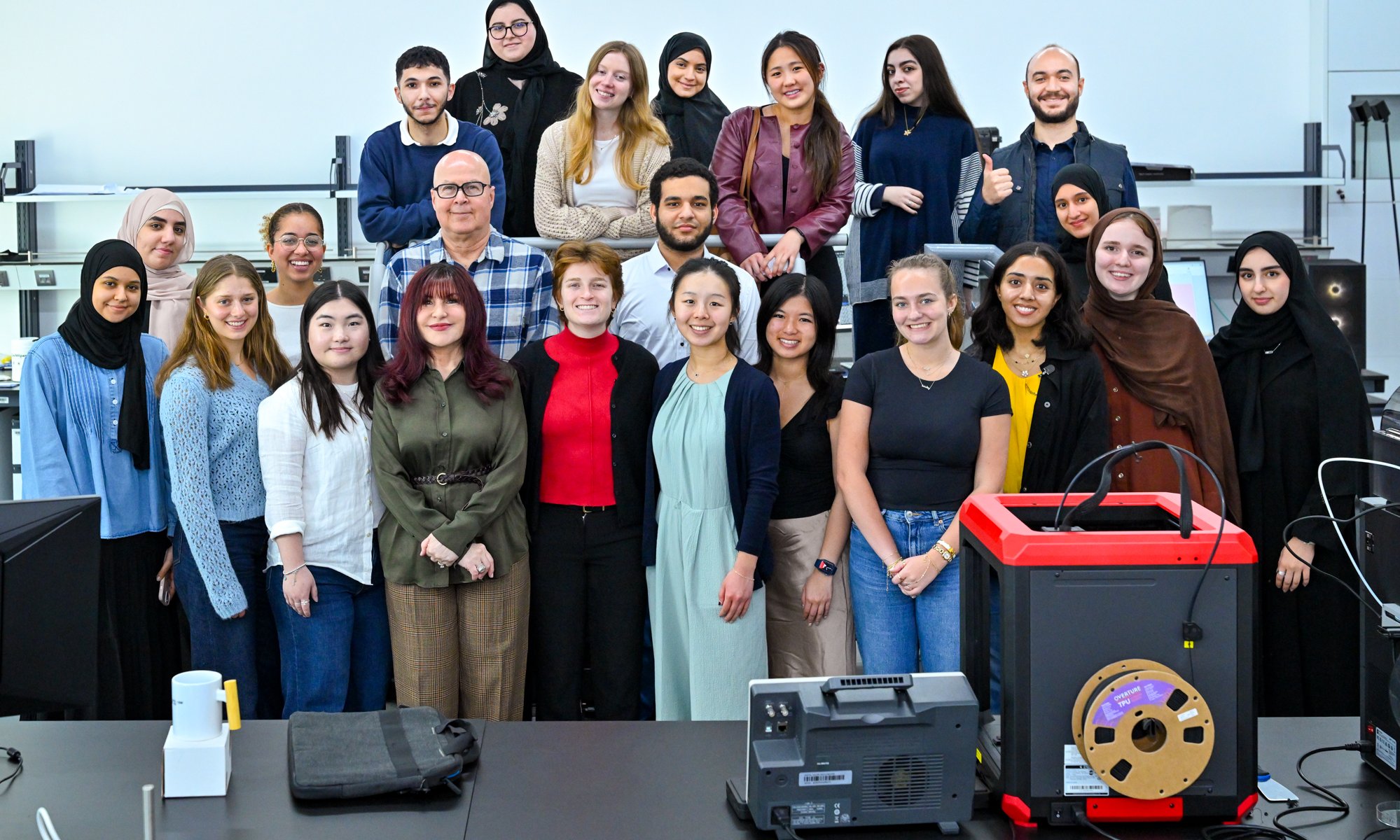
A total of 32 undergraduate students from Khalifa University and the Massachusetts Institute of Technology (MIT) participated in a two-week Healthcare Innovation Program organized by both institutions to develop solutions to real-world clinical challenges at the intersection of engineering, medicine, and entrepreneurship.


The program brought together 12 MIT students and 20 Khalifa University undergraduates, who worked in multidisciplinary teams on industry-relevant healthcare challenges. Activities were hosted across the Khalifa University campuses, its 14 research laboratories, as well as leading healthcare institutions in Abu Dhabi, including Cleveland Clinic Abu Dhabi (CCAD), Specialized Rehabilitation Hospital (SRH), and Sheikh Shakhboot Medical City (SSMC).


The initiative was led by Dr. Kinda Khalaf, Associate Dean, Undergraduate Studies, College of Medicine and Health Sciences (CMHS), Khalifa University, and Dr. Hermano Krebs, Director, The 77 Robotics Laboratory, MIT, providing interdisciplinary and cross-cultural learning experience. 

Clinically driven project themes were developed in close collaboration with physicians from CCAD, SRH, and SSMC, representing specialties such as Neurology, Vascular Surgery, Cardiology, Pediatrics, and Women’s Health. Students participated in clinical immersion experiences, hands-on design and rapid prototyping, and received mentorship from faculty members and practicing clinicians.


Beyond technical training, the program emphasized cultural exchange and experiential learning. Students took part in cultural and social activities across Abu Dhabi and the UAE, strengthening global networks and fostering mutual understanding between participants from both institutions.


Dr. Hermano Krebs said: “What made this program special was the opportunity for students to step outside the classroom and engage directly with real clinical environments. Working alongside peers from Khalifa University and interacting with clinicians across Abu Dhabi helped them see how engineering, medicine, and design come together in practice. These experiences are important because they show students how ideas evolve into solutions that can genuinely improve patient care, while also building mutual understanding across cultures and healthcare systems.”


Dr. Kinda Khalaf said: “The Khalifa University–MIT Healthcare Innovation Program supports Khalifa University’s strategic objectives by strengthening global academic partnerships, building undergraduate capacity in healthcare technology innovation, and reinforcing Abu Dhabi’s position as a regional hub for innovative biomedical research and health technology development. By hosting this collaborative initiative, Khalifa University continues to advance its vision for interdisciplinary, experiential, and globally connected education, while equipping students with research and employability skills and preparing the next generation of innovators to address complex healthcare challenges at local, regional, and global levels.”


Alisha Roy
Science Writer

Khalifa University Startups Scaling Real-World Solutions

Nearly 60 startups supported in 2025, with rising patents and a structured ecosystem advancing technologies across AI, energy, healthcare, and infrastructure


From precision agriculture and autonomous inspection systems to advanced diagnostics and clean energy technologies, startups emerging from Khalifa University’s research and commercialization ecosystem are addressing real-world challenges across sectors. In 2025 alone, the University supported nearly 60 startups, while patent activity continued to grow, reaching 60 filings. What distinguishes this momentum is a structured pathway that moves research from academic validation to market application through the Khalifa Innovation Center and Khalifa University Enterprises Company, enabling technologies to progress beyond the laboratory and into deployment.


Click Here to read the full article: Source

Tsinghua University Delegation from China Visits Khalifa University for Sustainable Energy Exchange

Joint Program Bridges UAE and Chinese Research through Lab Tours, Presentations, and Cross-Cultural Exchanges  


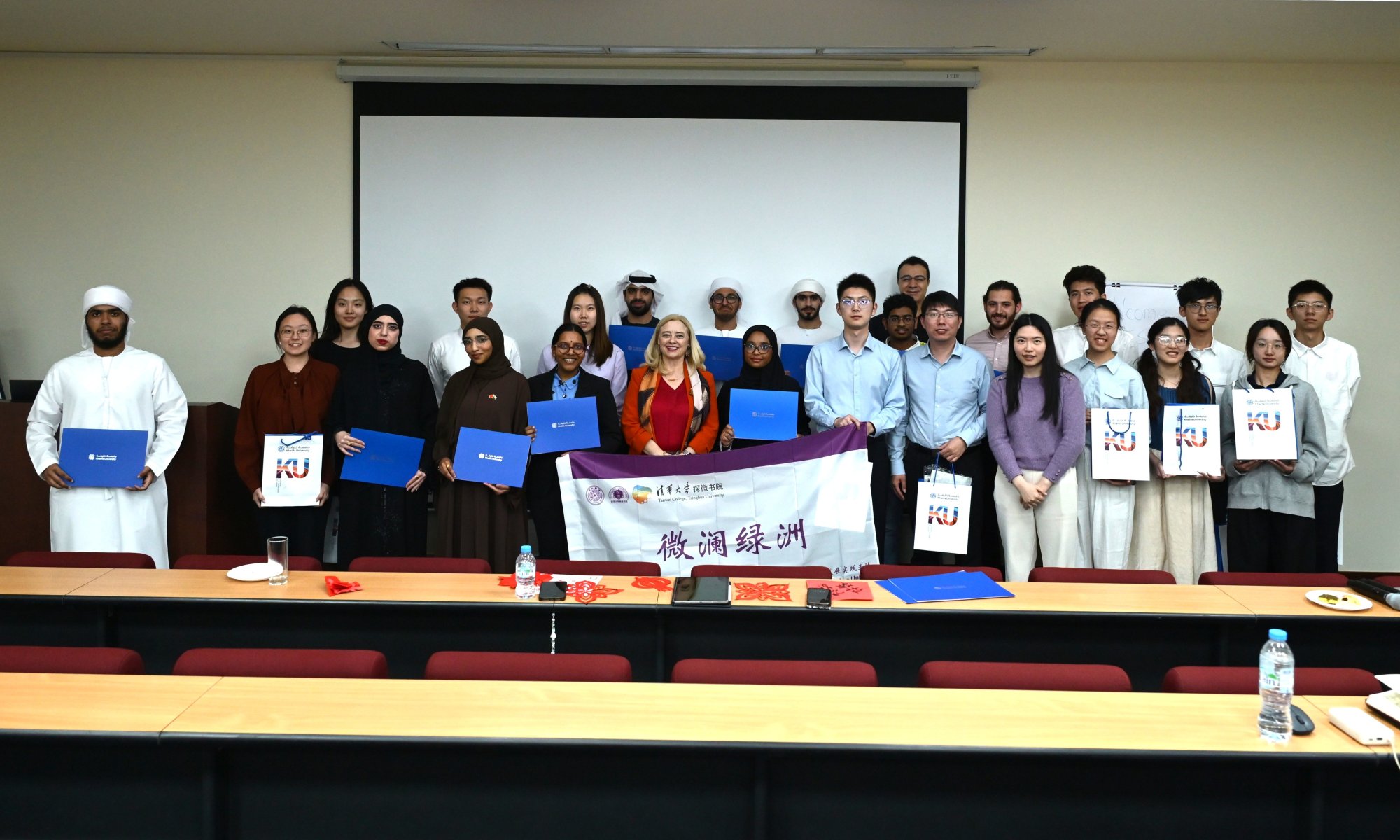
A delegation of 10 undergraduate students, a PhD student and a faculty member from Tanwei College, Tsinghua University, visited the research facilities and labs of Khalifa University in February for a multi-day academic and cultural exchange centered on sustainable energy. 


The visit was jointly organized by the Department of Chemical and Petroleum Engineering and the Research and Innovation Center on CO₂ and Hydrogen (RICH), bringing together faculty, researchers, and students from both institutions to share laboratory expertise, present research findings, and marked the start of the Chinese New Year.


The Tsinghua delegation was led by Dr. Tang Cheng, Associate Professor, Department of Chemical Engineering, whose research spans green electrification of the chemical industry, energy materials chemistry, electrocatalysis and electrosynthesis, and green hydrogen. Along with PhD student Yiyao Dai and the students, he met with Khalifa University faculty including Prof. Lourdes Vega, Senior Director of the Energy Institute and former RICH director; Prof. Ali ElKamel, Chair, Department of Chemical and Petroleum Engineering and Theme Lead at the RICH Center; Assistant Professor of Aerospace Engineering Dr. Yarjan Abdul Samad; CORE Labs Director Dr. Thomas Delclos; RIC2D Labs Manager Dr. Osama Shakir; and Postdoctoral Researcher Dr. Yuting Li, Department of Chemical and Petroleum Engineering and RICH Center.


The delegation toured three of Khalifa University’s research facilities including the CORE Labs in the Arzanah building, Sas Al Nakhl (SAN) Campus, where Dr. Delclos introduced a newly installed electron microscopy suite, featuring high-resolution systems capable of imaging materials at the atomic scale. The microscopy suite operates on a user-training model allowing certified students and researchers free access to the equipment. 


At the Research and Innovation Center for Graphene and 2D Materials (RIC2D), Dr. Shakir and Dr. Abdul Samad provided a hands-on lab tour and presented the Center’s work highlighting research areas critical to the UAE including MXene-based materials for energy storage and water desalination. 


A formal research workshop with five Khalifa University students opened with welcome remarks from Dr. ElKamel and Dr. Tang who introduced the delegation and its research themes, after which five Tsinghua University students each delivered presentations on their undergraduate studies, research training, and campus experiences. Dr. Tang also presented his team’s research on electrochemical energy conversion and highlighted the persistent gap between laboratory catalysts and the simpler materials still used in industrial electrolyzers.


Professor Vega addressed the landscape of clean energy and net-zero strategies, highlighting the role of hydrogen, renewable energy and carbon capture, utilization and storage (CCUS) and sustainable fuels to achieve it. She highlighted some of the flagship activities carried out at the RICH center on CCUS, hydrogen production and production of sustainable fuels. As practical examples, Professor Vega mentioned the emerging role of hydrogen and its derivatives in aviation, outlining technical pathways including direct hydrogen propulsion for smaller aircraft and sustainable aviation fuel production, and identifying hydrogen market development as the central challenge ahead.


The visit included a cultural program coinciding with Lichun, the traditional start of Spring, in the days before the Chinese New Year. Khalifa University students joined their Tsinghua peers in a calligraphy and paper-cutting workshop, learning to write the character Fu (福) — meaning fortune — and to craft traditional window decorations. Participants practiced brush techniques side by side, shared stories of their respective New Year customs and closed the session by displaying their work and exchanging seasonal greetings.


Professor Lourdes Vega said: “Having students and faculty from Tsinghua in our labs was a genuinely enriching experience. The quality of the dialogue on sustainable energy, from hydrogen aviation to electrochemical systems, reflected how aligned our research priorities are. For Khalifa University, exchanges like this reinforce our commitment to building international research partnerships that go beyond the formal with a common drive to move clean energy solutions from the lab to the real world. Collaborations with world-leading institutions like Tsinghua are exactly the kind of partnerships that will help translate national priorities into tangible scientific progress.”


Dr. Tang Cheng said: “This visit to Khalifa University has provided an excellent platform for academic dialogue and mutual learning in the field of sustainable energy. We are impressed by the research strengths and facilities at Khalifa University. We hope this exchange will serve as a starting point for deeper collaboration, including opportunities for student mobility and joint research projects.”


Alisha Roy
Science Writer

Khalifa University Hosts Second Pharma Logistics Winter University with Global Partners

In Collaboration with the University of Antwerp, Department of Health – Abu Dhabi, Rafed, Etihad Cargo, and Pharma.Aero


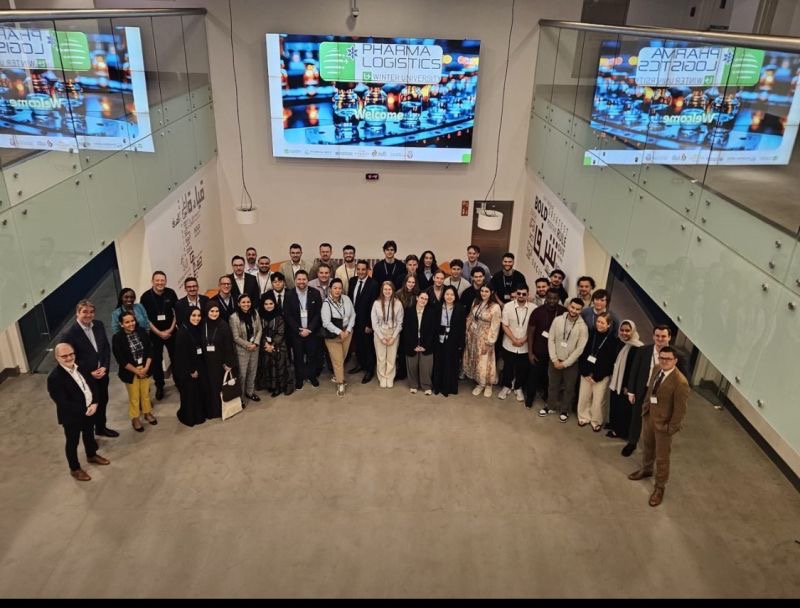
More than 40 participants from around the world gathered at Khalifa University for the second Pharma Logistics Winter University at the Khalifa Innovation Center, in collaboration with the University of Antwerp, Department of Health – Abu Dhabi, Rafed, Etihad Cargo, and Pharma.Aero. Bringing together academic experts, healthcare authorities, and industry leaders, the five-day international program focused on key developments in pharmaceutical logistics and cold-chain systems.


The intensive winter university combined expert-led lectures, case-based learning, and interactive working sessions focused on pharmaceutical distribution, cold-chain management, logistics risk forecasting, regulatory frameworks, and emerging technologies supporting life sciences and healthcare logistics.


The opening ceremony at the Khalifa Innovation Center was attended by Prof. Shihab Jimaa, Associate Dean, Undergraduate Studies, and Associate Professor Computer and Information Engineering, as well as members of the organizing committee, including representatives from partner organizations, reflecting the program’s collaborative academic and industry focus.


The agenda covered transportation and distribution strategies across healthcare supply chains, pharmaceutical products, cold-chain management and risk, and the UAE life sciences and healthcare ecosystem, including quality, regulation, and certification. It also addressed logistics ecosystems and strategy development, concluding with a Pharma Logistics competition that applied learning through case-based problem solving.


Faculty and industry specialists led participants to work on real-world logistics scenarios, engage with current practices in pharmaceutical distribution and cold-chain operations, and explore regulatory and operational considerations shaping healthcare supply chains. The program featured field visits to Etihad Cargo Pharma HUB and the Biogenix labs from M42 in Masdar City, as well as a detailed presentation on Rafed’s capabilities; meanwhile, collaborative activities engaged participants in the strength and operational realities of the UAE’s healthcare and logistics ecosystem.


Stanislas Brun, Chief Cargo Officer, Etihad Airways, said, “At Etihad Cargo, we believe in supporting the people who keep every shipment moving with precision and care. By taking part in the second Pharma Logistics Winter University at the Khalifa Innovation Center, we are investing in the next generation of logistics leaders and giving them meaningful exposure to the realities of the industry. For us, opening our doors through field visits and sharing practical insights alongside fellow leaders in the pharmaceutical sector means building a stronger, more resilient ecosystem both in the UAE and across global supply chains.”


Prof. Sami Muhaidat, Dean of College of Computing and Mathematical Sciences, said: “The Pharma Logistics Winter University supports Khalifa University’s broader efforts to strengthen industry-linked education, international academic partnerships, and applied learning opportunities in areas critical to resilient and sustainable healthcare systems.  Now in its second edition, the program remains key to bringing advanced topics in pharma logistics to the attention of decision makers. Students, management trainees, and junior professionals utilized this unique platform to address real-world logistics challenges through workshops, case studies, and expert-led discussions.”


Alisha Roy
Science Writer

Khalifa University Research Wins FANR ‘Best Research’ Award for Study on Potential Pollutant Dispersion in Arabian Gulf

Simulation Study Evaluates Dispersion and Accumulation Dynamics Near Barakah Nuclear Facility in the UAE 


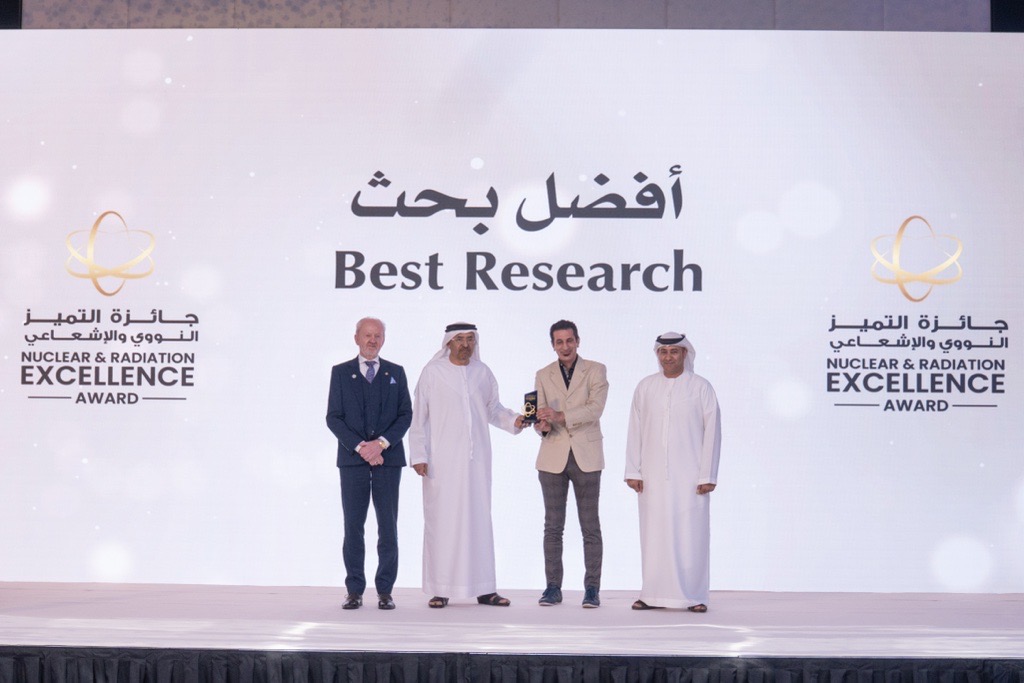
A study from the Emirates Nuclear Technology Center (ENTC) and Khalifa University’s Department of Mechanical and Nuclear Engineering has received the ‘Best Research’ Award from the Federal Authority for Nuclear Regulation (FANR), the UAE’s independent nuclear regulator, for examining the long-term dispersion of dissolved radioactive pollutants in the Arabian Gulf associated with the Barakah Nuclear Power Plant.


The award was presented at the inaugural Nuclear and Radiation Excellence Awards ceremony in Abu Dhabi, recognizing high-impact contributions advancing nuclear safety across the UAE, with a total of 90 submissions with The Best Research Award category focusing on advancement in nuclear safety, environmental protection, and evidence-based decision-making in the UAE’s peaceful nuclear sector.


The award-winning research titled ‘A Numerical Assessment of the Dispersion of Dissolved Pollutants in the Arabian Gulf Associated with the Barakah Nuclear Power Plant,’ is published in Ocean Modelling in 2023. The study is led by Dr. Yacine Addad, Deputy Director, Emirates Nuclear Technology Center, and includes Dr. Maryam Rashed AlShehhi, Assistant Professor, Civil & Environmental Engineering, Postdoctoral Fellow Oleksandr Nesterov, Research Scientist Dr. Rachid Abida, Mathematics, Dr. Sana Bilal, and Dr. Emmanuel Bosc from FANR, and Dr. Marouane Temimi, Stevens Institute of Technology, US.


Using a three-dimensional model of the Arabian Gulf, the researchers simulated dispersion patterns along the western UAE coastline, including the Barakah–Sir Bani Yas–Dalma–Yasat Islands corridor. The researchers assessed how long trace radioactive materials would move, disperse, and would remain in the Arabian Gulf waters, and which coastal areas could be affected; providing critical data to advance nuclear environmental safety and proactively support contingency preparedness in the UAE. 


Over two years of the study, simulations showed that 60–70% of trace radionuclides – which may be present in cooling water effluent during routine plant operations, and in hypothetical emergency scenarios – would exit the Gulf through natural circulation. In simulated scenarios, plume movement followed the UAE coastline eastward toward the western approaches of the Strait of Hormuz, with partial flushing into the Sea of Oman and broader circulation across the Gulf.


Prof. Yacine Addad said: “We are honored to receive this recognition from FANR for this research, conducted through the Emirates Nuclear Technology Center, which strengthens the scientific foundation of environmental safety assessment in the UAE’s peaceful nuclear sector. By applying high-fidelity computational modeling, we are able to quantify dispersion dynamics under both routine and low-probability scenarios, supporting proactive regulatory oversight and preparedness. The work reflects close collaboration between academia and regulatory authorities and contributes to the continued development of a responsible, science-based nuclear energy program in the UAE.”


Alisha Roy
Science Writer

Khalifa University Research Wins FANR ‘Best Research’ Award for Study on Potential Pollutant Dispersion in Arabian Gulf

Simulation Study Evaluates Dispersion and Accumulation Dynamics Near Barakah Nuclear Facility in the UAE 


A study from the Emirates Nuclear Technology Center (ENTC) and Khalifa University’s Department of Mechanical and Nuclear Engineering has received the ‘Best Research’ Award from the Federal Authority for Nuclear Regulation (FANR), the UAE’s independent nuclear regulator, for examining the long-term dispersion of dissolved radioactive pollutants in the Arabian Gulf associated with the Barakah Nuclear Power Plant.


The award was presented at the inaugural Nuclear and Radiation Excellence Awards ceremony in Abu Dhabi, recognizing high-impact contributions advancing nuclear safety across the UAE, with a total of 90 submissions with The Best Research Award category focusing on advancement in nuclear safety, environmental protection, and evidence-based decision-making in the UAE’s peaceful nuclear sector.


The award-winning research titled ‘A Numerical Assessment of the Dispersion of Dissolved Pollutants in the Arabian Gulf Associated with the Barakah Nuclear Power Plant,’ is published in Ocean Modelling in 2023. The study is led by Dr. Yacine Addad, Deputy Director, Emirates Nuclear Technology Center, and includes Dr. Maryam Rashed AlShehhi, Assistant Professor, Civil & Environmental Engineering, Postdoctoral Fellow Oleksandr Nesterov, Research Scientist Dr. Rachid Abida, Mathematics, Dr. Sana Bilal, and Dr. Emmanuel Bosc from FANR, and Dr. Marouane Temimi, Stevens Institute of Technology, US.


Using a three-dimensional model of the Arabian Gulf, the researchers simulated dispersion patterns along the western UAE coastline, including the Barakah–Sir Bani Yas–Dalma–Yasat Islands corridor. The researchers assessed how long trace radioactive materials would move, disperse, and would remain in the Arabian Gulf waters, and which coastal areas could be affected; providing critical data to advance nuclear environmental safety and proactively support contingency preparedness in the UAE. 


Over two years of the study, simulations showed that 60–70% of trace radionuclides – which may be present in cooling water effluent during routine plant operations, and in hypothetical emergency scenarios – would exit the Gulf through natural circulation. In simulated scenarios, plume movement followed the UAE coastline eastward toward the western approaches of the Strait of Hormuz, with partial flushing into the Sea of Oman and broader circulation across the Gulf.


Prof. Yacine Addad said: “We are honored to receive this recognition from FANR for this research, conducted through the Emirates Nuclear Technology Center, which strengthens the scientific foundation of environmental safety assessment in the UAE’s peaceful nuclear sector. By applying high-fidelity computational modeling, we are able to quantify dispersion dynamics under both routine and low-probability scenarios, supporting proactive regulatory oversight and preparedness. The work reflects close collaboration between academia and regulatory authorities and contributes to the continued development of a responsible, science-based nuclear energy program in the UAE.”


Alisha Roy
Science Writer

Khalifa University Alumna Dr. Tuka Alhanai Appointed to United Nations Independent Scientific Panel on Artificial Intelligence

UAE Engineer Among 40 Global Experts Selected to Shape International AI Governance


Khalifa University alumna Dr. Tuka Alhanai has been appointed to the United Nations’ Independent International Scientific Panel on Artificial Intelligence, joining 40 experts selected from more than 2,600 nominations representing over 140 countries.


Dr. Alhanai, who earned her Bachelor of Science in Electrical Engineering from Khalifa University, works in the field of human-computer interaction. Her research focuses on developing systems that measure subjective dimensions of human experience, including team dynamics, the conditions that influence whether ideas succeed in the market, and how individuals are assessed based on visual cues. Her work combines engineering foundations with behavioural insight and applied artificial intelligence.


The Independent International Scientific Panel on AI was established by the United Nations General Assembly in 2025 as the first permanent global scientific body dedicated exclusively to artificial intelligence.


As part of the 40-member Panel, Dr. Alhanai will contribute to the preparation of the Panel’s annual report, which provides evidence-based scientific assessments of the opportunities, risks and impacts of artificial intelligence. The report will be presented at the UN Global Dialogue on AI Governance, with the inaugural edition scheduled for July 2026 in Geneva.


The Panel’s mandate includes preparing thematic briefs on emerging issues, providing updates to the UN General Assembly, establishing working groups, and consulting external experts.


The 40 selected members provide independent, policy-relevant insights on matters such as the development of safe, secure and trustworthy AI systems; open-source software, open data and open AI models; transparency and accountability mechanisms; and the broader social, economic, ethical and human rights implications of AI technologies.


The appointment of Dr. Alhanai places a Khalifa University graduate among a diverse group of global experts contributing to international scientific assessments that will inform multilateral discussions on the future of artificial intelligence.


Dr. Tuka Alhanai said: “It is a great honour to be selected as one of the members of the United Nations’ Independent International Scientific Panel on AI. As part of the Panel, I look forward to contributing to evidence-based scientific assessments that can support informed and inclusive global discussions on artificial intelligence. I am especially proud that this achievement reflects positively on Khalifa University and the education I received there. My studies provided strong foundations in engineering and science that have shaped my professional journey every day since graduation. It was also an environment that encouraged confidence, curiosity, and ambition. Every individual’s path is unique and often non-linear, and I would encourage students and alumni to make the most of each day in ways that align with their strengths and experiences.”

Khalifa University Student Team AERONYX Wins First Place at Al Ain IMAC Gulf Cup Open International 2026 Competition

‘Raven’ Aircraft Entirely Designed and Built by Students Outperforms Once Again in Another Highly Competitive International Arena


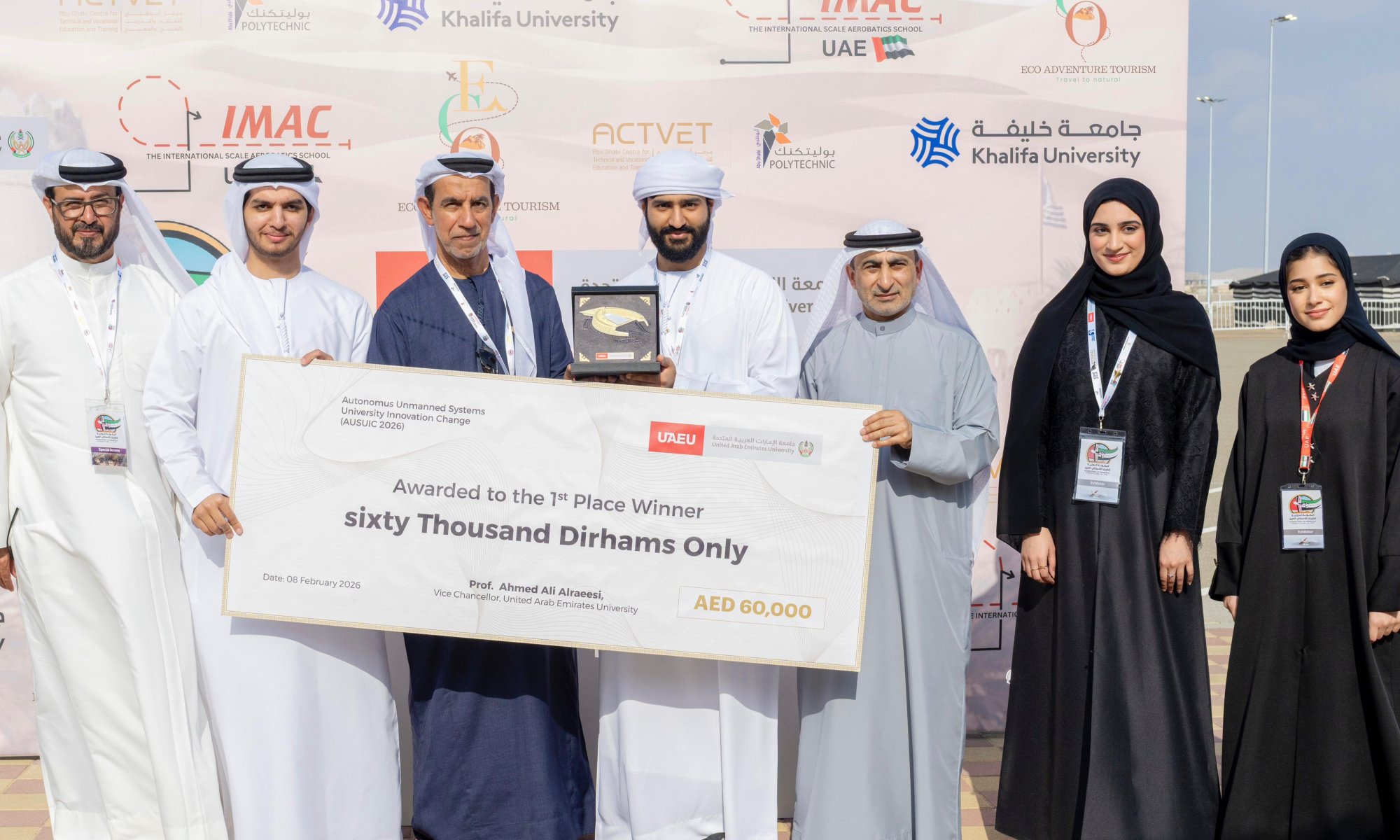
Khalifa University’s Team AERONYX of four Aerospace Engineering students won first place with a cash award of AED60,000 at the Al Ain International Miniature Aerobatic Club (IMAC) Gulf Cup Open International 2026, part of the International Radio-Controlled (RC) Aerobatics Competition, reiterating once again the University’s commitment to creating technology leaders through hands-on engineering education, and aerospace innovation..


The refined ‘Raven’ aircraft entirely designed and built by students from Khalifa University outperformed against teams from multiple universities once again, after successfully completing all mission requirements and demonstrating exceptional engineering expertise. The team, led by Hamad Almaeeni, included Mohammad Alhashmi, Bashayer Alhammadi, and Alyazia Alkhemeiri, triumphed over regional and international participants through exceptional engineering, teamwork, and execution. Dr. Rafic Ajaj, Associate Professor, Aerospace Engineering, was their faculty guide.


Organized by IMAC UAE, the second edition of the international platform specialized in radio-controlled aviation, featured 86 professional participants from 26 countries, alongside more than 20 participating entities. The competition from 6-8 February 2026 combined precision aerobatics, freestyle showcases, STEM workshops, and family-friendly activities. The event also included a renowned Pilots’ and Judges’ Boot Camp, offering training in Aresti aerobatic symbols, electronic judging, aircraft setup, and scoring methodologies — further emphasizing the technical rigor of the event. 


The 2026 IMAC Gulf Cup Open International competition was structured across three areas – Know Flights, Unknow Flights and Free Style Flight. ‘Know Flights’ are performed executing the aerobatic programs issued by IMAC for the year 2026, while ‘Unknow Flights’ are performed executing new aerobatic programs that are delivered to the pilots only on the evening before the flight. The ‘Free Style Flight’ is a program designed by the pilot, four-minute long, and executed following any music chosen by the pilot.


Team AERONYX successfully completed all mission requirements, demonstrating deep technical understanding and advanced aircraft design capabilities. Raven, Khalifa University’s winning aircraft had already earned global recognition by ranking 37th out of 112 international teams last year at the American Institute of Aeronautics and Astronautics (AIAA) Design/Build/Fly Competition in Tucson, Arizona — an experience that helped the team enhance the aircraft for championship-level performance at Al Ain.


Dr. Rafic Ajaj said: “This accomplishment reflects Khalifa University students’ strong commitment to innovation and their ability to excel in highly competitive engineering environments at both regional and international levels. We are extremely proud of Team AERONYX for their dedication, technical excellence, and collaborative spirit, which exemplifies the innovative mindset that defines our students. This success also aligns with the University’s mission to cultivate future leaders who thrive in both academic settings and real-world engineering challenges.”


Clarence Michael 
English Specialist – Editor