Khalifa University Leaps 57 Slots to be Ranked 211th Globally in QS World University Rankings 2021

Khalifa University Becomes First University from UAE to Reach Such A Distinctive Place Among Top Universities in QS World University Rankings


Khalifa University of Science and Technology today announced that it has leapt higher by 57 slots, to be ranked 211 in the QS (Quacquarelli Symonds) World University Rankings 2021, the world’s most-consulted source of comparative information about university performance.


With the new rankings, Khalifa University has become the only university from the UAE to be placed among the top 250 universities in the world, according to QS World University Rankings 2021.


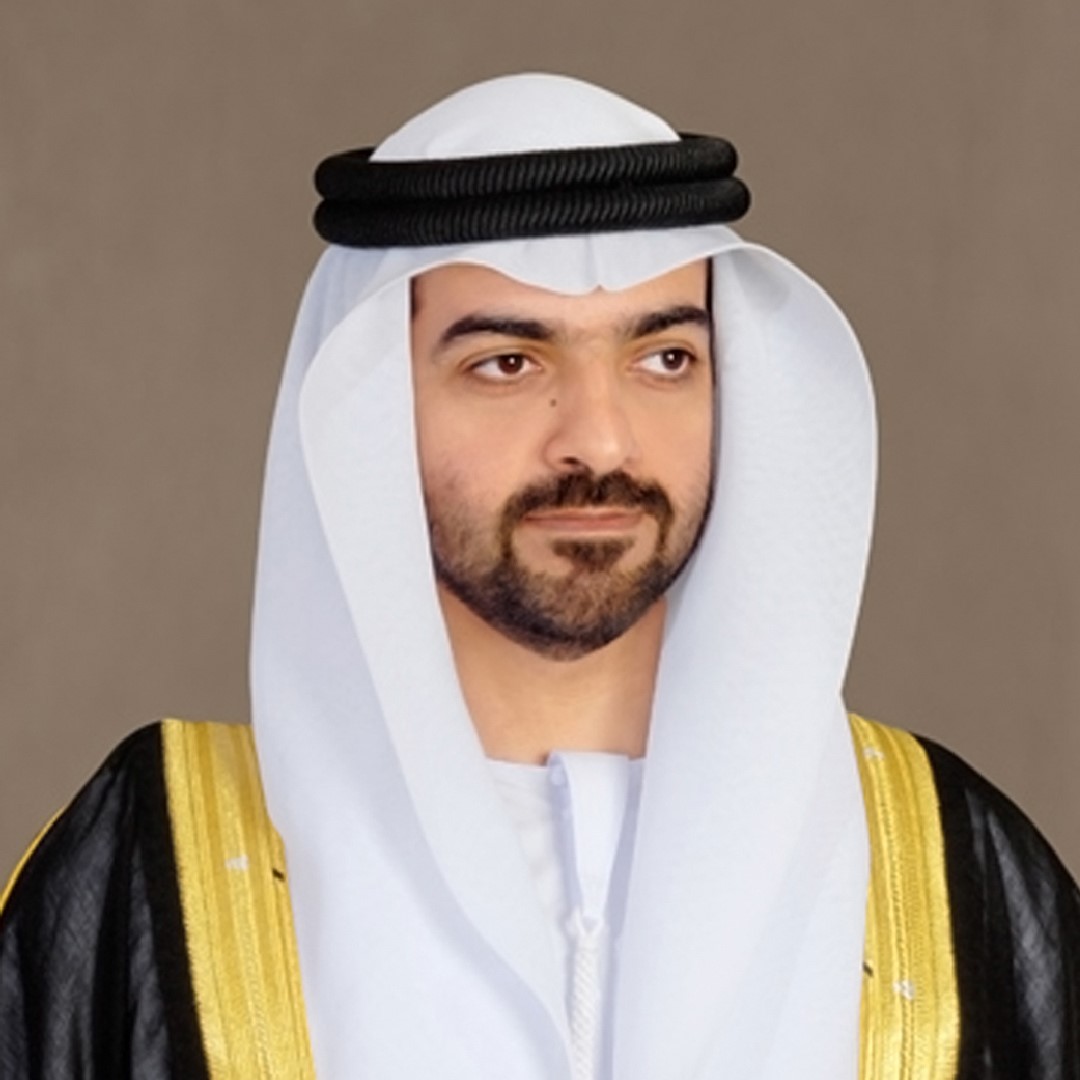
His Highness Sheikh Hamed bin Zayed Al Nahyan, Member of the Executive Council of the Emirate of Abu Dhabi, and Chairman of Khalifa University Board of Trustees, said that this new achievement is evidence to the tangible results driven by the vision of the wise leadership in supporting and developing Khalifa University.


His Highness Sheikh Hamed highlighted the role that Khalifa University plays in supporting the knowledge economy in the UAE by providing adequate human capital that leads the industries and enhances the country’s global competitiveness.


He added that the status Khalifa University has achieved, by becoming the first university in the UAE to be ranked 211 among the top universities in the world in the QS World University Rankings 2021, confirms the University’s continuous pursuit to be among the best international universities. He also said that this achievement reflects the great efforts of the University’s faculty, staff and students in the academic and research fields.


Khalifa University was ranked ‘very high’ in the ‘Research output’ category in the QS World University Rankings, which this year features 1,029 of the most prestigious universities in the world. The University is also placed in the #151-200 band in the ‘QS World University by Subject Ranking: Mechanical Engineering’.


The QS World University Rankings assess each academic institution on six metrics, including its reputation amongst academics and employers. The criteria include Academic reputation (40%), Employer reputation (10%), Faculty/Student Ratio (20%), Citations per faculty (20%), and International faculty ratio/International student ratio (5% each).


Khalifa University is already ranked top in the UAE and 114th globally in ‘Engineering’ subject in the US News & World Report’s, 2020 Best Global Universities rankings that was published in November 2019. The university is also ranked second in the Middle East and North Africa (MENA) region and among the top 200 globally in the Times Higher Education (THE) World University Rankings 2020 by Subject: Engineering and Technology.


Clarence Michael
News Writer
10 June 2020

Alumni Spotlight: Advising on Sustainability at Dream Job

Alumna Shefaa Mansour, Class of 2017 MSc in Water and Environmental Engineering graduate, is applying the skills and knowledge she gained as a student at Masdar Institute at Khalifa University at her dream job at Ernst & Young (EY) as a Climate Change & Sustainability Consultant. 


“Working at EY is an opportunity of a lifetime. I owe where I am today to Masdar Institute at Khalifa University. They put so much effort into forging strategic partnerships and relationships with organizations like EY, to give their students real-world, hands-on experiences,” Shefaa shared. 


For the past three years, Shefaa has worked as a consultant with EY MENA’s Climate Change and Sustainability Services Team. She helps companies understand the risks and opportunities arising from climate change and sustainability issues. Her work is especially important in light of recent climate change reports that reveal how climate change is accelerating at a faster rate than previously thought, and how critical it is to take urgent action to avert dangerous global temperature increases.


“Many of the skills I gained at Masdar Institute have supported me in my career at EY. This includes research and communication skills as well as learning to work in a multi-cultural environment in a comfortable and respectable manner.

“EY is truly an exceptional organization, especially in terms of how they are protecting their employees and their wellbeing during the coronavirus crisis,” she said.


In 2018, EY sent Mansour and her colleagues on a hike to Mount Kilimanjaro. She described it as an “absolute dream and an experience of a lifetime.” This was part of a personal leadership and development exercise organized by EY in order to promote and install team building as a core principle within its people. 

Among her most notable experiences at EY, is the time she visited a school for people of determination. EY provided the community of low-income students with computers to support their education. 


“I considered this experience as one of my biggest accomplishments.”


Erica Solomon
Senior Editor
10 June 2020

Khalifa University Emirati Researcher Creates New Web Tool to Facilitate First-Ever Twitter Analysis on COVID-19 in UAE

Project Assessed Tweets in English and Arabic from 01 January to 01 May on Messages Ranging from Origin and Spread of Disease, Government Responses, and Treatment
An Emirati faculty member at Khalifa University of Science and Technology has created a new web tool for analysis of COVID-19 Twitter data in the UAE, offering the public insights into conversations, emotions and sentiments concerning the virus.
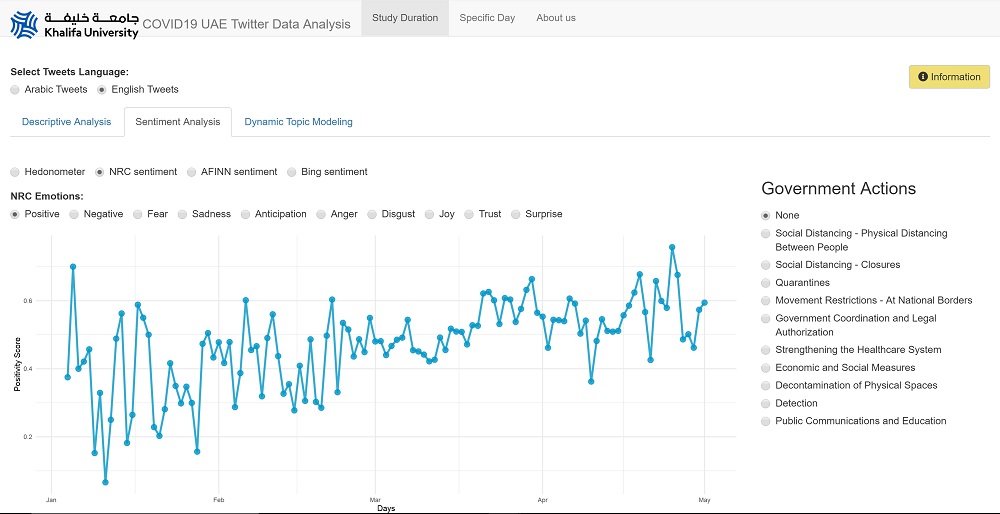
The tool titled Analysis of Cross-linguistic markers of COVID-19 Tweets in the UAE’ shows  that public sentiment remained positive and trustful of government actions towards mitigating the spread of the disease, reflecting the UAE’s effective measures against COVID-19.
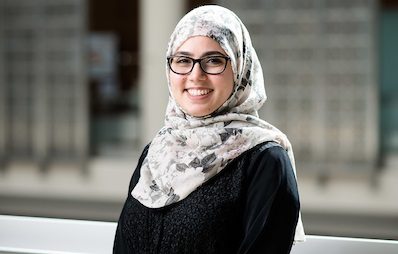
The web tool developed by Dr Aamna Mohammed Al Shehhi, Assistant Professor, Electrical Engineering and Computer Science, facilitated understanding of social impacts of COVID-19 by creating a Twitter dashboard that offers an insight into public social media conversations. Analyzing linguistic markers in social media posts helps in assessing and evaluating changes in the narrative about COVID19, while understanding the social and emotional reaction to different government actions.

Dr. Arif Sultan Al Hammadi, Executive Vice-President, Khalifa University, said: “The new web tool for analysis of COVID-19 Twitter data in the UAE identifies the positive sentiment generated by the UAE government’s timely response to fighting the spread of COVID-19, indicating the leadership’s swift response to the pandemic challenge through social distancing and other health-related measures. We hope that this web tool will serve as an instrument to gauge the sentiment and attitudes of the community, helping governments and policymakers in understanding the impacts of policy measures.”

Led by Dr. Aamna Mohammed Al Shehhi, the project to develop the web tool for Twitter analysis in the UAE, was also supported by the Emirates ICT Innovation Center (EBTIC), which is supported by Etisalat, BT, Khalifa University, and the UAE ICT Fund.
Dr. Al Shehhi said this Twitter analysis indicates the ever-increasing role of social media and its impact on policy-making. She added: “Such understanding enables large-scale opportunities for information-seeking, and practice-sharing to calm people down, and understanding of the differences in the COVID-19 narrative delivered across languages. It also provides a tool to measure the COVID-19 impact on social well-being. Integrating Twitter dashboard analysis therefore can help policymakers during the decision-making process.”
The study assessed tweets both in English and Arabic during the observation period, which spanned from 01 January to 01 May 2020. The predominant topic of tweets ranged from the origin of the disease, the disease’s spread, government responses, and treatment, in addition to common themes of daily tweets.
The data shows that in early January, at the beginning of the observation period, panic behavior was noticed in both Arabic and English tweets on COVID-19, during which time fear topics such as virus, death, epidemic, and pneumonia were common content. However, since January-end, there was a greater spread of positive and hopeful sentiment, which increased over time. This increase in positivity is attributed to different government actions, such as restrictions of movement at national borders and strengthening of the healthcare system.
Clarence Michael
News Writer
9 June 2020

The Impact of Burnout Among Frontline Healthcare Professionals Tackling the Covid-19 Pandemic

As healthcare professionals around the world get to grips with the Covid-19 pandemic, most of the media focus and research attention centers around patient outcomes and the disease’s impact. While this research is crucial to containing the spread of the disease and saving lives, a team of researchers from Khalifa University is looking at the impact of Covid-19 on a different group: the frontline healthcare workers.


Dr. Ovidiu Baltatu, Dr. Eman Alfishat, Lujain Aloum and Nnamdi Valbosco Ugwuoke, all from the KU Department of Pharmacology and Therapeutics, are investigating the impact of burnout on frontline workers in Abu Dhabi during the Covid-19 pandemic. The outbreak of the novel coronavirus has been shown to have a strong impact on the mental health of medical and nursing staff, with professionals in Italy reporting insomnia and anxiety, with some cases progressing to alarm and panic.


Physician burnout is already a significant problem in the healthcare industry and has been associated with cardiovascular risk factors. Stress and adverse psychosocial working conditions may lead to cardiovascular diseases but research about the impact of fatigue arising from overworking and stress on heart function is still limited. Additionally, work-related stress can have detrimental effects on the immune system with elevated levels of immune system health biomarkers seen in professionals under intensive and prolonged periods of stress.


“The coronavirus disease pandemic has created new and unpredictable challenges for modern medicine and healthcare systems,” said Dr. Baltatu. “Healthcare professionals are heavily affected by this rapidly changing situation, and are also at higher risk of infection. Wuhan and other regions in China reported that staff experienced psychological burden, especially those directly engaged in the diagnosis, treatment and care of patients with Covid-19.


“The main objective is to investigate the evolution of psychosocial, cardiovascular and immune system markers in healthcare workers with different levels of exposure to the Covid-19 pandemic,” explained Dr. Baltatu. “We’re studying the level of burnout and its relationship with cardiovascular health in frontline and second-line healthcare professionals. We also want to investigate the possible association between burnout and experience; does experience level have anything to do with how much burnout a professional experiences?”


“We will measure burnout using social and physical data,” explained Dr. Baltatu. “We will also be looking at various cardiovascular biomarkers and blood immune system biomarkers.”


With a team comprising investigators from Khalifa University, Zayed Military Hospital, Abu Dhabi University, Cleveland Clinic, Sheikh Khalifa Medical City, Sheikh Shakboot Medical City and Mediclinic, the study will use questionnaires, heart monitoring equipment and blood tests to evaluate the link between burnout and heart and immune system biomarkers.


Medicine is a stressful profession under normal circumstances, with some studies suggesting burnout affects up to 50 percent of physicians in the United States. Healthcare workers on the frontline of the Covid-19 pandemic are not just treating critically ill patients, but are also risking their own health. The multi-center prospective cohort study spearheaded by Khalifa University and Zayed Military Hospital hopes to identify the key markers signalling physician burnout for early intervention in frontline workers. 


Jade Sterling
News and Features Writer
8 June 2020

Khalifa University Places 9th in 2020 Design, Build, Fly Competition

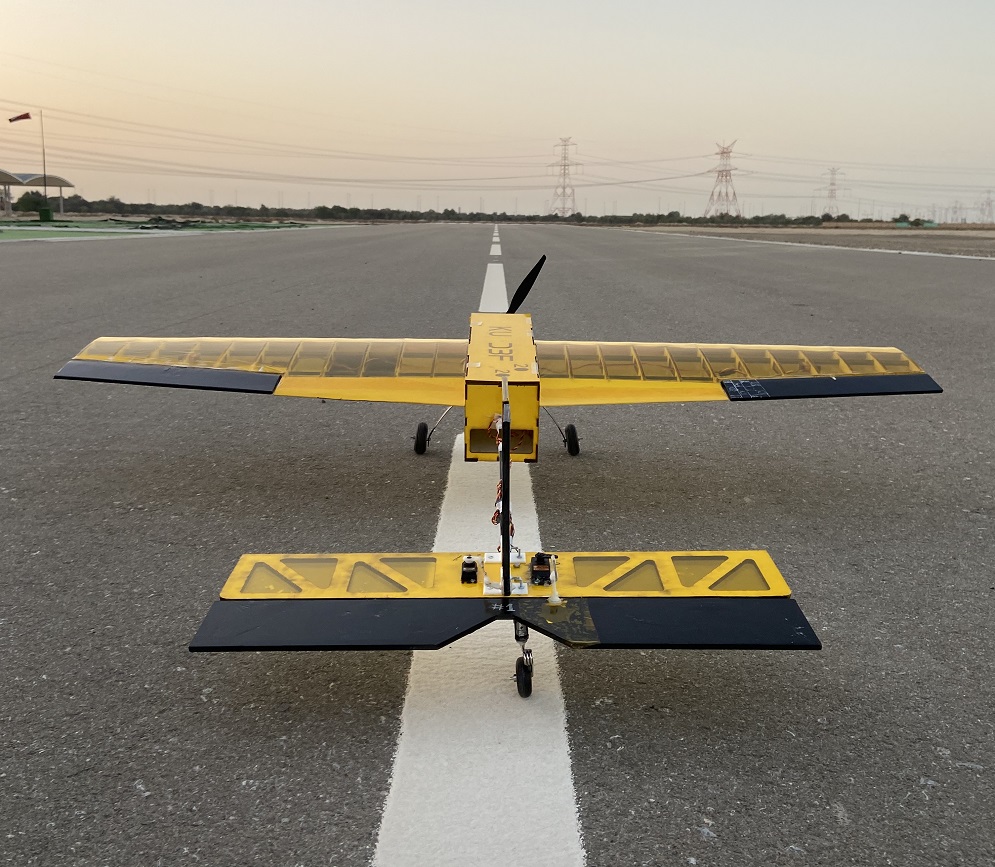
A team of 20 Aerospace and Mechanical engineering undergraduate students from Khalifa University took 9th place in this year’s DBF Competition after successfully designing, fabricating, and demonstrating the flight capabilities of an unmanned, electric powered, radio controlled aircraft.


“We believe that our students have achieved a great feat by securing 9th place out of 101 participating teams worldwide. This was an extremely tough competition where top ranked schools in the world were participating. We are very thrilled and proud of the achievement made by our students and hope we will continue to improve our ranking in coming competitions,” shared Dr. Rehan Umer, Associate Professor of Aerospace Engineering. Dr. Umer and Dr. Rafic Ajaj, Assistant Professor of Aerospace Engineering, supervised the team of 20 students.


The Design/Build/Fly (DBF) competition is a partnership between the AIAA Foundation, Cessna Aircraft Company, and Raytheon Missile Systems. This competition provides students an opportunity to design and build a radio controlled aircraft to perform specific missions. 


Khalifa University has been participating in the DBF Competition since 2012. KU faculty encourage senior students to participate each year, as it gives the engineering students a real-world aircraft design experience and an opportunity to validate the analytic skills they develop in the classroom.


Traditionally, participants who complete an entry form and submit a report on time are invited to bring their plane to a central location for a flyoff, with winners determined by a combination of their report score and their flight score. This year, however, the fly-off was cancelled to safeguard the health of the national and international teams due to the coronavirus pandemic. Thus, the winners were selected based on the formal submitted report alone.


The KU team built a total of three planes. The first plane was built to test their design to ensure the plane could fly properly. Using the lessons learned from this plane, they then built two more planes which address some of the issues they found in the first plane.
Their report detailing the steps they went through to design and test the aircraft landed them in 9th place. 


“All the planes we built were part of a process of refinement to optimize the design, and if the competition were to continue as normal, we would have built a final plane that would have been optimized for the fly-off,” explained BSc in Aerospace Engineering student and team member Omar Alhashmi.


“This has been a wonderful experience where we got to design and build an aircraft using the knowledge we have been acquiring. This journey will surly help shape us into the engineers we will be in the future, and we are glad to see students receiving support for such projects. I encourage all students to get involved in such activities as the knowledge and experience they reward are invaluable,” Alhashmi shared.


Congratulations to the team!


The 2020 KU DBF team members include:

  • Mohamed Alhosani
  • Hayat F. Ali
  • Salem Alzaabi
  • Omar Alhashmi
  • Noora Alzaabi
  • Hassan Elsheikh
  • Ahmed Alhantoobi
  • Reem Almheiri
  • Khaled Alhammadi
  • Maha Almarzooqi
  • Mohamed Alblooshi
  • Alhanouf Eshtairy
  • Mohamed Almazrouei
  • Hussein Ali
  • Sultan Al Hassanieh
  • Maryam A. Naqi
  • Abdulqader Aljaberi
  • Sara N. Alsabeeha
  • Filmon Tsegay
  • Suhail Alfalasi

Khalifa University Faculty Named Country’s Top Scientist

Dr. Ernesto Damiani Ranked #1 Scientist in UAE According to Guide2Research 2020 Computer Science and Electronics Ranking
Dr. Ernesto Damiani is Senior Director of Artificial Intelligence and Intelligent Systems Institute, Director of C2PS Center, Research Professor at EBTIC and Professor of Electrical and Computer Engineering at Khalifa University. As a regional leader in artificial intelligence, Dr. Damiani focuses his research on developing solutions to global challenges using intelligent systems, AI, and information and communication technologies.
In recognition of his pioneering work, he has been ranked the #1 scientist in the UAE, according to the Guide2Research Computer Science and Electronics Ranking 2020 of the Top 1000 Scientists in the field of Computer Science and Electronics. 
The Guide2Research ranking is based on the H-Index metric (the number of publications for which an author has been cited by other authors at least that same number of times) provided by Google Scholar and includes only leading scientists with an H-index of at least 40 and a considerable number of research papers indexed on DBLP (a computer science bibliography website).
Dr. Damiani’s research interests include secure service-oriented architectures, privacy-preserving big data analytics and cyber-physical systems security. On Scopus, he has co-authored around 600 scientific papers and many books, including Open Source Systems Security Certification.
In 2008, Dr. Damiani was nominated ACM Distinguished Scientist and received the Chester-Sall Award from the IEEE Industrial Electronics Society. In 2015, the Bill and Melinda Gates Foundation granted US100,000 for Dr. Damiani’s ‘Pay with a Selfie’ technology to be developed. Recently, Dr. Damiani has been chosen by the European Network and Information Security Agency among the international Group of Experts for Artificial Intelligence in Cyber-Security Defense.
“I welcome this ranking as a recognition of the international impact of the research in AI and cybersec done at KU. I am proud of my KU colleagues and of the students who contributed to this effort” said Dr. Damiani.
Erica Solomon
Senior Editor
10 June 2020

Uncovering New Insights into Topological Insulators

A new group of advanced materials known as ‘topological insulators,’ which conduct dissipationless electricity – electricity in which no energy is lost – on the edge of their surfaces, are being eyed as potential replacements to semiconductors for their ability to make computer processing faster, and for use in thermoelectric applications due to their ability to convert heat to electricity in a unique way. 
Before engineers can begin designing new, high-efficient electronic and energy components that use topological insulators, however, scientists must learn much more about their properties – at the quantum level.
Now, a collaborative team of researchers from Khalifa University, Stockholm University, the Korea Basic Science Institute, the National Center for Scientific Research Demokritos, and the Josef Stefan Institute in Lubljana, have uncovered a new way to study and investigate the quantum properties of topological insulators using a novel technique that relies on Nuclear Magnetic Resonance (NMR). Their work was published earlier this month in the prestigious journal Nature Communication.
“Until now, surface electrons in topological insulators were only observed using Angle Resolved Photoemission Spectroscopy (ARPES),” explained Dr. Yasser AlWahedi, Assistant Professor of Chemical Engineering and Dr. Saeed Alhassan, Associate Professor of Chemical Engineering and Acting Senior Director of the Petroleum Institute, the two researchers from KU who co-authored the paper. 
“However, ARPES cannot see how the electrons penetrate into the bulk interior of the topological materials, nor see their surface-level electron excited states in the form of virtual quasiparticles. Knowing how these interactions work is important to understanding the material’s quantum topological properties.”
The research team discovered that by using NMR, they can detect and even manipulate the virtual quasiparticles. 
In ARPES, high energy photons (a beam of light) are shined on the topological insulator. If the energy of the photons is high enough, then electrons are knocked out the sample which can be detected. From this, information about the structure of the sample is obtained. 
In NMR, a large magnetic field is applied to the topological insulator. Then a high frequency radio wave is applied to the material at different frequencies. Some frequencies will interact with the material more than others, which gives information as to the state of the material. 
The NMR technique can conduct simultaneous probing of the bulk topological insulator, where conduction does not happen, and its edge electron states, where conduction is taking place. Using NMR, the research team successfully measured the electrons’ spin and orbital magnetic susceptibilities in a topological insulator made of a compound called bismuth telluride.
Their discovery could help engineers speed up the development of useful applications of topological insulators, such as for use in quantum computers. Topological insulators’ ability to conduct electricity even when its surface is nicked, or disturbed in any way, makes them excellent candidates for use in quantum computing – a type of computing wherein the data being processed is so delicate that interaction with the environment can destroy it. 
Erica Solomon
Senior Editor
28 May 2020

How Does Culture Influence the Transition to Low-Carbon Energy?

While climate change and carbon emission reductions are strong elements of global discourse today, attempts by cities, states and nations to switch to low-carbon energy technologies and practices are often hindered by cultural influences.


In a paper published in Nature Sustainability in May 2020, Dr. Steve Griffiths, Senior VP Research and Development and Professor of Practices at Khalifa University, and Dr. Benjamin Sovacool, Professor of Energy Policy at the Science Policy Research Unit (SPRU) at the University of Sussex School of Business, Management, and Economics, propose a framework for assessing the influence of culture on the adoption of low-carbon technologies and behavioral practices. They asked how insights about cultural influences can guide energy planners and policymakers who are trying to stimulate transitions, particularly at a time of rapid technological change. The paper specifically explores the cultural dimensions of four broad specific sustainability cases.


“Culture can complicate, or catalyze, efforts to promote more efficient, more sustainable, and often more affordable forms of mobility, as well as energy use in homes and buildings,” said Dr. Griffiths. “We looked at the evidence on low-carbon energy transitions and culture, leveraging data from energy and transport studies, as well as anthropology, area studies, political science, psychology and sociology.”


Using this approach, the authors explored how the cultural dynamics of low-carbon transitions are shaped not only by user practices, but also by the technologies and environments that co-exist and co-evolve with practices.


“This is particularly important when we consider radical technical innovations, such as autonomous vehicles, where the machine or technology itself takes on culturally determined behaviors,” explained Dr. Sovacool.


The authors propose a framework that relates modest and substantial changes in practices to incremental and radical technology innovations in order to investigate the range of influences that culture can have on efforts toward low-carbon transitions. The specific cases considered within this framework were the adoption of ridesharing, alongside automated vehicles, eco-driving, and whole-house retrofits.


“Although we treat our cases as distinct, there are factors that can connect them,” explained Dr. Griffiths. “This includes spillovers and social influence—adopters influencing non-adopters—and households that may adopt multiple innovations. Although we show that culture can affect the uptake of technology and that culture can mediate how technologies are designed, technology itself can also alter cultural attributes and cultural attributes can affect how technology is used.”


Perhaps the most obvious culturally-influenced behavior is driving. Eco-driving can be categorized into three types: strategic decisions such as vehicle selection, tactical decisions such as route planning, and operational decisions such as driving style.


“Culture has a significant positive relationship with eco-driving,” said Dr. Griffiths. “For instance, one study of the early adopters of the Toyota Prius found that owners were willing to pay a premium price for a non-luxury vehicle because it symbolized a green identity. Adopting a Prius allowed an owner to brand him or herself as a ‘prosocial’ individual. Follow-up work has confirmed that ‘eco cars’ have status and symbolic value across diverse contexts, and often marks the adopter as someone who is educated, informed, healthy, and environmentally focused.”


The authors also investigated the opposing side, finding that behaviors known as ‘aggressive driving’ have significant negative implications on energy use and run counter to eco-driving as a cultural norm. They noted that aggressive elements of driving may prevail in any location with strong cultures of masculinity, strength or aggression, with many studies suggesting drivers speed due to strong social pressure from peers.


At the opposite end of the scale from eco-driving, automated vehicles require a radical change in practice and very advanced technology to implement. The authors make clear that there are multiple sustainability benefits to automated vehicle adoption, but note there are various cultural factors that impact their adoption and their safety.


“The software in an automated vehicle contains artificial intelligence and machine learning algorithms that enable the vehicle to make real-time decisions based on the information it receives from sensors that perceive the environment around them,” explained Dr. Sovacool. “These algorithms are ‘trained’ to recognize and interpret this environment and then take actions that are ‘appropriate’ based on context. However, this training can result in unintended biases that are difficult to remedy and ultimately reflect varying degrees of racial, gender, or religious discrimination.”


Research shows that automated vehicles trained using machine-learning techniques are likely to have biases in detecting pedestrians based on skin tone, with better recognition performance for people with lighter skin tones, and pattern of dress, with better recognition performance for those in ‘Western’ clothing. Such machine biases can result in pedestrian injuries and even fatalities.


Other, albeit less dangerous, cultural differences affect the proliferation of ridesharing apps, particularly in the Middle East. Despite Uber dominating the Western market, it has not managed to translate its services to the local context, with local ridehailing companies growing into major businesses thanks to their cultural awareness.


In Saudi Arabia, Careem tailored its approach to the market by training drivers to follow cultural norms about not conversing with female passengers, which allowed them to tap into the large female population. Conversely, the norm across the Gulf Cooperation Council countries is private car ownership, with 97 percent of residents travelling predominantly by private car. A key aspect of the individualistic car ownership culture is the expression of class and wealth, which is a known cultural counter to the adoption of ridesharing.


“Rather than perhaps promoting Western or imported technologies for a particular region, programs could incentivize more locally designed, culturally acceptable, appropriate technology,” said Dr. Griffiths. “This preference for appropriate technology could push for technology that is designed, manufactured, and owned by stakeholders who better comprehend the cultural dynamics of the customers they are supposed to serve.”


Whole-house retrofits are recognized by the authors as a departure from the mobility theme but represent a case where entirely new configurations of technology are required but only modest changes in practice are needed. Whole-house retrofits focus on redesigning homes, especially for heating or cooling, to reduce their energy demand and to be more energy-efficient. This is often accomplished through the integration of multiple technologies, including fabric insulation, energy-efficient lighting, improved windows, and even integration with renewable energy.


“Australia has been credited for having a national ‘love affair’ with retrofits due to a ‘renovation culture’ that prioritizes style and aesthetics,” said Dr. Sovacool. “Many homes have implemented retrofits such as small-scale rooftop solar panels because they are seen as more modern, and overall more beautiful. Additionally, the property becomes more valuable. These positive cultural dynamics contrast with the negative dynamics apparent in Ireland, England and Japan, where retrofits are often abandoned or discouraged due to notions of aesthetics and cultural heritage standing in the way of retrofits.”


The authors stressed that policy interventions related to cultural awareness about sustainability are important, with a cultural perspective needed for sustainability transitions.
“Low-carbon energy transitions are not only based on techno-economic dimensions and considerations,” said Dr. Griffiths.


“Rather, they are shaped—in positive and negative ways—significantly by culture. Of particular importance, researchers in recent years have come to understand the critical importance of adopting social science perspectives in both energy and artificial intelligence research. Now is the time to leverage this clarity and bring together interdisciplinary research efforts to ensure that low-carbon transitions are helped, and not hindered, by the embodiment of culture as we seek to decarbonize our future homes, communities and countries.”


Jade Sterling
News and Features Writer
21 May 2020

Aerospace Engineering Professor Elected as Royal Aeronautical Society Fellow

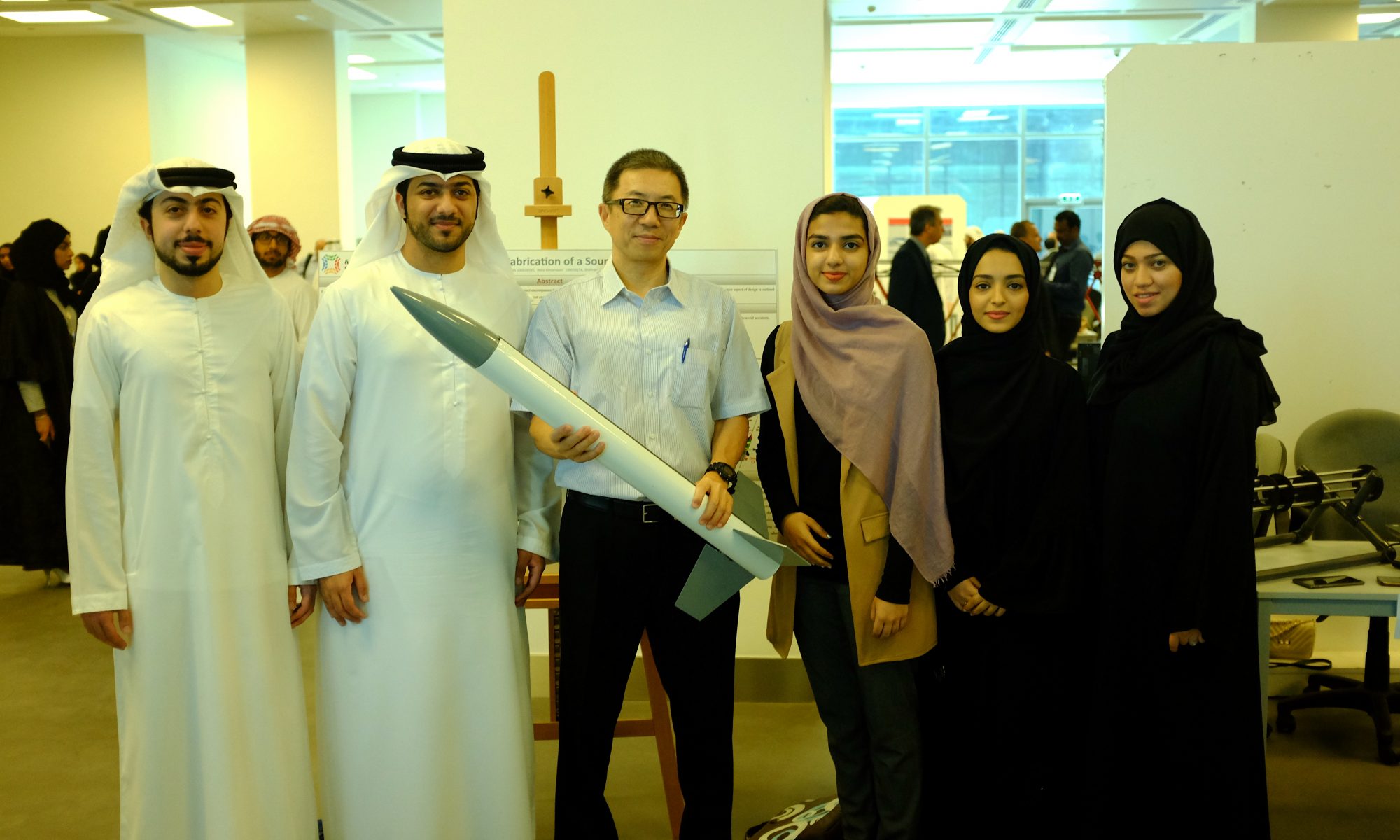
  • Dr. Liao with his students during the Spring Semester Senior Design Project Day. 


Dr. Kin Liao, Professor of Aerospace Engineering at Khalifa University, has recently been elected as a Fellow of the Royal Aeronautical Society (RAeS), the only international professional organization dedicated to the aerospace community. 
“Professor Liao’s Fellow election to the global aerospace organization Royal Aeronautical Society is a testimony of his leadership within the aerospace industry, and is a great honor and recognition to the Aerospace Engineering Department at Khalifa University of having top-notch leaders within its faculty,” commented Dr. Rashid K. Abu Al-Rub, Acting Chair of the Aerospace Engineering Department at Khalifa University. 
With more than 25,000 members around the globe, the RAeS has a wide international network and nearly 300 industrial partners. As a fellow, Dr. Liao will have direct access to new developments in the industry and will be able to share these with KU and with his students, ensuring that knowledge sharing will not be limited to what they learn within the classroom.

“First, I’d like to thank KU for its generous support for my research over the years; second, I’d like to thank my collaborators, former and current students and postdocs for their ideas and hard work. Without their contribution, this would not be possible. So the honor is also theirs. I am really delighted to be elected a FRAeS, and I also believe that, among other things, this is an international recognition of the kind of research that we are doing here at KU,” Dr. Liao said.
The Society’s numerous events and information sharing will also provide access to the most current research in aerospace engineering and open opportunities for new ideas for future research. 
For the past few years, Dr. Liao has been working on two-dimensional (2D) materials—materials that are one- or few-atoms thick—such as graphene. Together with Dr. Abu Al-Rub, and Dr. Vincent Chan, Professor of Biomedical Engineering, they have been awarded a project by ADEK to develop lightweight, high-performance electromagnetic wave shielding based on 2D materials. This kind of material may also be applied to develop functionalized coatings for high-performance filter materials to effectively trap pathogenic particles, such as viruses, in the air to enhance the safety of air circulation in a building or an enclosed space, greatly reducing the risk of people getting infected or sick. This project is especially timely as the whole world is currently in the midst of the COVID-19 pandemic. 
Dr. Liao received his BSc and MSc in Engineering Mechanics, and PhD in Materials Engineering Science from Virginia Tech. Before joining KU, he was a Lee Kuan Yew Fellow and served Nanyang Technological University (NTU) in Singapore for 13 years. During his stay there he helped establish NTU’s Bioengineering Division and served as Director of NTU’s BioInformatics Research Center. 
Ara Cruz
News Writer
19 May 2020

Khalifa University Responding to COVID-19 with 14 Funded Research Projects

Establishes ‘COVID-19 Research and Development Task Force’ to Accelerate Solutions in Epidemiology, Diagnostics and Medical Devices, and Digital Tools for Modeling and Predicting Spread of Virus
Khalifa University of Science and Technology has established a COVID-19 Research and Development (R&D) Task Force as part of its strategic approach to help tackle the COVID-19 pandemic. This is in response to a call for industry, government and academic sectors to mobilize efforts to mitigate and manage the spread of the novel coronavirus and to create new technologies and solutions that will bolster the world’s ability to deal with future pandemics.
Under the COVID-19 R&D program, Khalifa University has launched a total of 14 research projects; five projects focused on epidemiology, six projects focused on diagnostics and medical devices, and three projects focused on digital tools for understanding, mitigating and providing resiliency against disease spread. 
Of the 14 projects launched, six have been developed as focused programs, each led by two faculty experts, while eight projects have been awarded as part of an open call for proposals across Khalifa University. These research projects were selected based on their technical merit, innovation, ability to deliver results within six months and alignment with the COVID-19 science and technology needs.

The Task Force is mandated to oversee several initiatives including coordination of the University’s cross-sector stakeholder R&D engagements and development of an R&D program that leverages the university’s established research strengths for addressing the UAE’s priority R&D areas for COVID-19. These include epidemiology, diagnostics and medical devices, digital tools for modeling and predicting disease spread and digital tools for mitigation and resiliency measures.
Dr Steve Griffiths, Senior Vice-President, Research and Development, Khalifa University, said: “From the start, Khalifa University’s response has been focused and coordinated to ensure that its resources are used efficiently to contribute science and engineering-based solutions to efforts aimed at quickly bringing the outbreak under control. The university’s measures will place its strongest research assets and ideas at the front lines in the global fight against coronavirus. Through mobilizing its R&D resources in response to COVID-19, Khalifa University is setting the perfect role for academic institutions in the region.”
The projects harness the University’s core research strengths, particularly in the area of healthcare. Over the past few years, Khalifa University has established research capabilities in healthcare by launching two of the region’s leading healthcare research centers – the Healthcare Engineering Innovation Center (HEIC) and the Biotechnology Center (BTC) – in addition to establishing a College of Medicine and Health Science (CMHS).
The two research centers along with CMHS bring in-depth scientific expertise in a range of medical disciplines. They specifically provide expertise in biomedical technologies, genomics, bioinformatics and functional biology. Each center possesses state-of-the-art research facilities that are being used to advance the development of solutions for COVID-19.
Consequently, researchers at HEIC have already completed the development of an emergency ventilator prototype designed with affordable, easily accessible materials and 3D printing to meet the growing regional and global ventilator caused by COVID-19. Researchers from the BTC are leveraging the center’s genomic analysis capabilities to validate the sensitivity of commercially available polymerase chain reaction (PCR) COVID-19 medical test kits.
For digital tools, Khalifa University’s Artificial Intelligence (AI) and Intelligent Systems Institute, which was launched in July 2019, brings together the university’s robotics, AI, data science, telecommunications and semiconductor hardware capabilities under a single umbrella to accelerate research. Through this Institute, Khalifa University is exploring the most efficient and effective ways to gather a broad spectrum of data related to COVID-19 and then use data analysis, particularly AI, and data modeling to harness actionable insights.
At the same time, a cross-disciplinary team has already developed an open-source epidemiological model that can help decision makers visualize the impact of different mitigation interventions, such as universal social isolation or selective isolation of the elderly. Another research team is in the process of developing a mobile app to collect data from the smartphones of COVID-19 patients to identify whether they are at high risk of severe medical complications from the virus. With these initiatives, Khalifa University researchers continue to demonstrate the essential role of such projects in tackling the pandemic.
Erica Solomon, Senior Editor and Clarence Michael, News Writer
18 May 2020

First-Ever Annual Ankabut Users’ ‘Virtual’ Meeting at Khalifa University to Focus on Role of Cloud-Based Technologies in Education

 16th Annual Online Event to Include International ‘Special Internet Group Meeting’; Around 500 Delegates from Higher Education Community and Over 50 Post-Secondary Institutions Expected to Attend
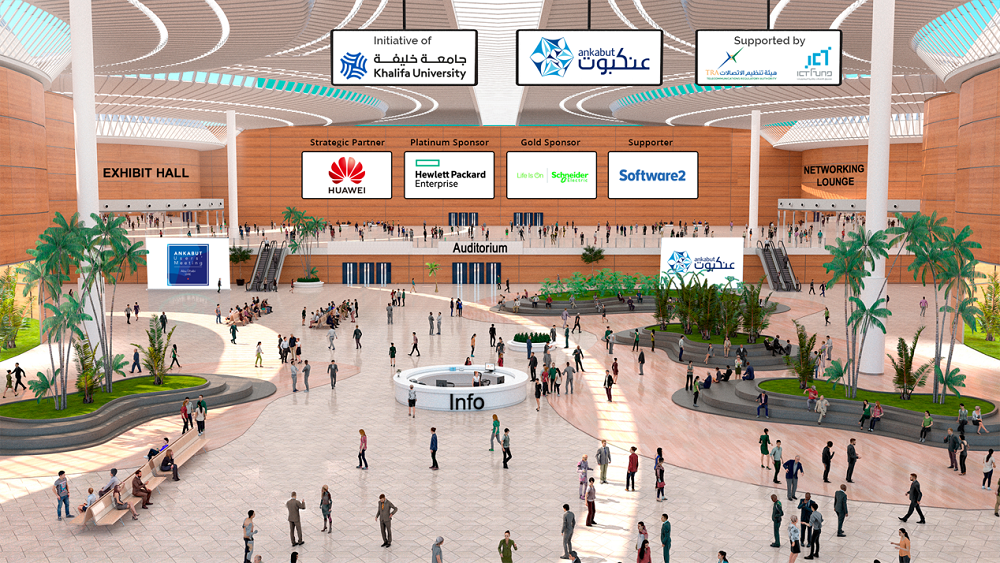
Khalifa University of Science and Technology today announced that Ankabut – the Emirates Advanced National Research and Education Network – will organize the first-ever virtual meeting of users’ to emphasize the expanding role of cloud-based services in educational technology. 
The one-day annual ‘Ankabut Users’ Virtual Meeting 2020 – Transform with Ankabut Cloud’ will be streamed live on 18 May. The conference will virtually gather around 500 delegates, primarily from the UAE higher education community and over 100 organizations, including over 50 different post-secondary institutions. This year’s conference will include an international ‘Special Internet Group Meeting’. Moreover, recorded sessions of the entire proceedings will be available to access for a month on the event web page. Click www.ankabut.ae/users to virtually attend the live stream.
The event introduces many specialized sessions aiming at showcasing Ankabut’s various services and its partnerships with several vendors along with Ankabut’s role using the Cloud-based technologies to support online and digital learning in both schools and higher education institutions.
Dr. Arif Sultan Al Hammadi, Executive Vice-President, Khalifa University of Science and Technology, will welcome the gathering, while the keynote, titled ‘Unlock the Full Potential of Digital Learning’, will be delivered by Berj Akian, CEO, ClassLink. Top officials from Huawei, Ankabut’s strategic partner, HPE, the platinum sponsor, and Microsoft are also expected to address the virtual gathering.
Tony Austwick, Director, Software2, Ankabut’s Virtual Users Meeting’s supporter sponsor, will speak on ‘Academic Software Virtualization and Khalifa University Use – Case Study’, while Asif Rashid, Azure Specialist (Education Industry), Microsoft UAE, will highlight ‘Remote Learning during COVID-19’.
Moreover, Huawei will be participating in the event with two sessions. Ashraf Esmat Mahmoud Khalil, Senior Solution Architect, Technical Manager, Huawei, will speak about ‘Cloud and Big Data in Education’, and a session titled ‘ Discovering Wi-Fi 6 powered by Huawei Technologies’ will be delivered by Mohamed Mamdouh Elsabagh, IP Solution Manager for Education Sector, Huawei. 
Fahem Al-Nuaimi, Chief Executive Officer, Ankabut, said: “The Annual Ankabut Users’ Virtual Meeting 2020 will highlight innovation in educational technology based on experience, to reflect on and share lessons from stakeholders. We will be streaming this annual event online in order to showcase the integral role of cloud technology in education. We are also gathering the most knowledgeable researchers from all over the world, as well as leaders in innovative educational technologies to explore the challenges and future opportunities. I firmly hope the technical sessions will offer everyone adequate opportunity to virtually network with our partners.”
In addition to government entities and senior officials as well as corporations who are involved in higher education, the meeting will additionally be a gathering of multiple groups, who share a common interest in educational technology. 
Stakeholders from higher education are also expected to participate in the technical sessions on cutting edge issues related to the industry. 
Other notable speakers who will interact with Ankabut users include Ezzeldin Hussein, Team Lead, System Engineer, North Africa, Levant and Egypt (NALE) Region, VMware, who will speak about ‘Higher Education IT Solutions to Accelerate Your Digital Transformation’, and Morad Hussam, Chief Technology Officer, HPE, who will cover ‘Digital transformation in the education sector’. Schneider Electric is a gold sponsor for the event which is also supported by Software2.
Clarence Michael
News Writer
17 May 2020

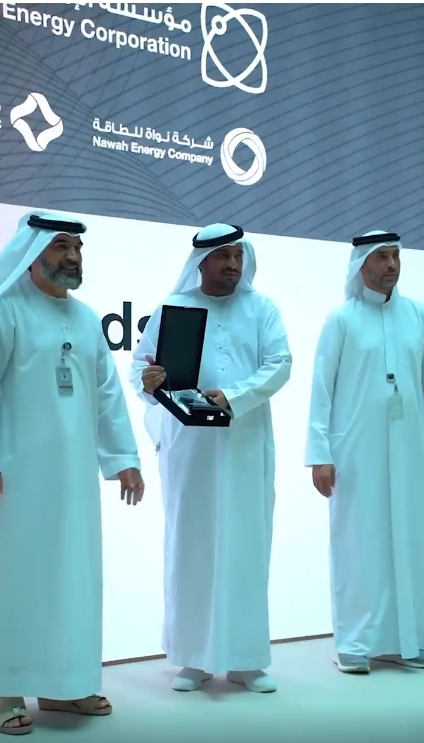
ENTC Attends ENEC’s Annual R&D Roadshow


ENTC Attends ENEC’s Annual R&D Roadshow We are pleased to share that ENTC recently attended the annual R&D Roadshow hosted by ENEC, where stakeholders from across the UAE gathered to explore the latest initiatives aimed at enhancing operational activities and advancing nuclear technologies. It was an invaluable opportunity for us to engage with industry leaders and collaborate on our shared goal of nuclear excellence. We appreciate ENEC’s efforts in promoting safety, performance, and efficiency in the nuclear sector and look forward to continuing our partnership in these vital areas.