KU Student to Participate in Trojan Young Engineers Internship Program

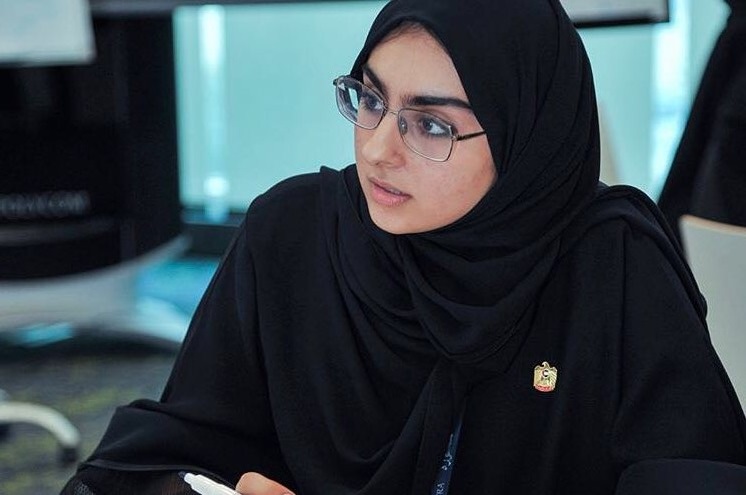
BSc Electrical Engineering student Khawla AlMarzooqi was chosen to take part in Trojan Holding’s Trojan Young Engineers Internship Program.

Trojan Holding is a UAE-based construction company that has grown not only in the country but globally as well with projects across the Middle East, Africa, and Europe. The company’s Trojan Young Engineers Program is a CSR initiative that aims to host engineering students from different universities in the UAE to spend one day with Trojan’s in-house engineers and experience day-to-day activities at actual construction sites and gain insight on how working in a construction company will be like after university.
Last 23 June 2020, Trojan held an online event to kick off the 4th cycle of their Trojan Young Engineers Program. The event was attended by students from five universities, namely Khalifa University, Abu Dhabi University, American University of Sharjah, Sharjah University, and Al Ghurair University. During the event, Trojan showed the students the different work processes and phases involved in construction. The virtual on-site visit took place on Abu Dhabi’s “Water Edge” development at Yas Island, to help students understand and visualize the construction phases.
Five internship slots were given to the students who performed well in the assessment conducted by Trojan after the online event to gauge the students’ knowledge and understanding of the construction process.
“I feel really exhilarated and proud to be chosen as one of the interns to participate in the program. This program was introduced to five universities. Out of all the students in those universities, Trojan selected five lucky students to intern in their program and I was one of those students. Honestly, I never thought I’d be hand-picked by Trojan for such an opportunity,” commented Khawla.
“I’m really excited about all the hands-on experience I’ll gain from this internship! It would be great to see the theoretical knowledge I’ve gathered from my Electrical Engineering degree utilized and integrated in construction work,” she said.
Trojan’s Young Engineers Program supports the UAE’s 2021 Vision of creating a sustainable, knowledge-based nation by educating, training, and preparing young engineers who are shaping the future of the UAE.
Ara Cruz
Creative Writer
19 August 2020

Predicting the Impact of Covid-19 With Mathematics


Researchers at Khalifa University are developing mathematical tools that can analyze data generated by the numerous Covid-19 transmission models already in use.


In an effort to understand the dynamics of the Covid-19 outbreak, a team of researchers led by Dr. Dimitris Goussis, Professor of Mechanical Engineering at Khalifa University, is developing mathematical tools to support the analysis of numerous Covid-19 transmission models already in use. The findings are expected to support public health policies and efforts to tackle the virus’ spread and its impact on society.


Mathematical models try to forecast things such as how a disease spreads, the total number infected and the duration of the epidemic. They can estimate various epidemiological parameters. For example, they can predict the range of values that might vary the reproductive number – a term that indicates how contagious an infectious disease is. They can also assess the influence of different public health interventions in controlling the outcome of the epidemic.


“We’re planning on developing mathematical tools for identifying the degree to which various factors (like, social distancing or recovery rate) influence the development and control of the Covid-19 outbreak, and how they may prevent its resurgence,” explained Dr. Goussis. “This work will be based on existing and widely used simple compartmental mathematical models, which are frequently used in analyzing diseases spread by the transmission of viruses, bacteria or fungi.”


Dr. Goussis’ team will apply their analysis to existing disease models, including the compartmental models used to assess disease impact. Timescale analysis leads to deeper understanding by identifying the components of the model that drive the system and those that are unimportant. In this way, the team can assess which interventions are most beneficial to reducing disease spread, among other things.


Compartmental models for disease modelling began with Nobel Prize winning research on the transmission of malaria in African countries, early in the 20th century. They have also been used recently to assess the impact of vaccination against polio, Ebola and measles, and to study the spread of dengue fever, swine flu, norovirus and varicella-zoster virus. Compartmental models simplify infectious disease modeling by assigning the population to various compartments with different labels.


The simplest compartmental model is the SIR epidemiological model involving Susceptible, Infectious and Recovered labels. It is considered to be quite effective at predicting the spread of human-to-human infectious diseases. More detailed models involve more compartment labels, such as Exposed, Quarantined or Asymptomatic infected.


“A major portion of the Covid-19 literature is based on compartmental models,” explained Dr. Goussis. “Among the various features addressed are the international spread from Wuhan, the prediction of the reproduction number and the assessment of travel restrictions in reducing the number of infected cases, and the effect the virus has on different age groups. All of these works have addressed features of the problem, like profiles of the infected population, but have not examined the dynamics of the process and especially the issue of the timescales characterizing the various phases of the outbreak.”


“Given a model, timescale analysis reveals the mechanisms that control the evolution of the system,” said Dr. Goussis. “Our work will identify the components of the model under consideration that control the dynamics of the outbreak’s evolution and its possible resurgence; i.e. the contact rates, the infectious periods, and the impact of relaxing social distancing.”


Jade Sterling
Science Writer
19 August 2020

Student Spotlight: Amna Nasser Ahli, Future Doctor Helping Advance the UAE’s Health Sector

When asked what she wants to do in the future, Amna Nasser Abdullah Ali Ahli said she wants to focus on helping to improve the country’s medical sector. 
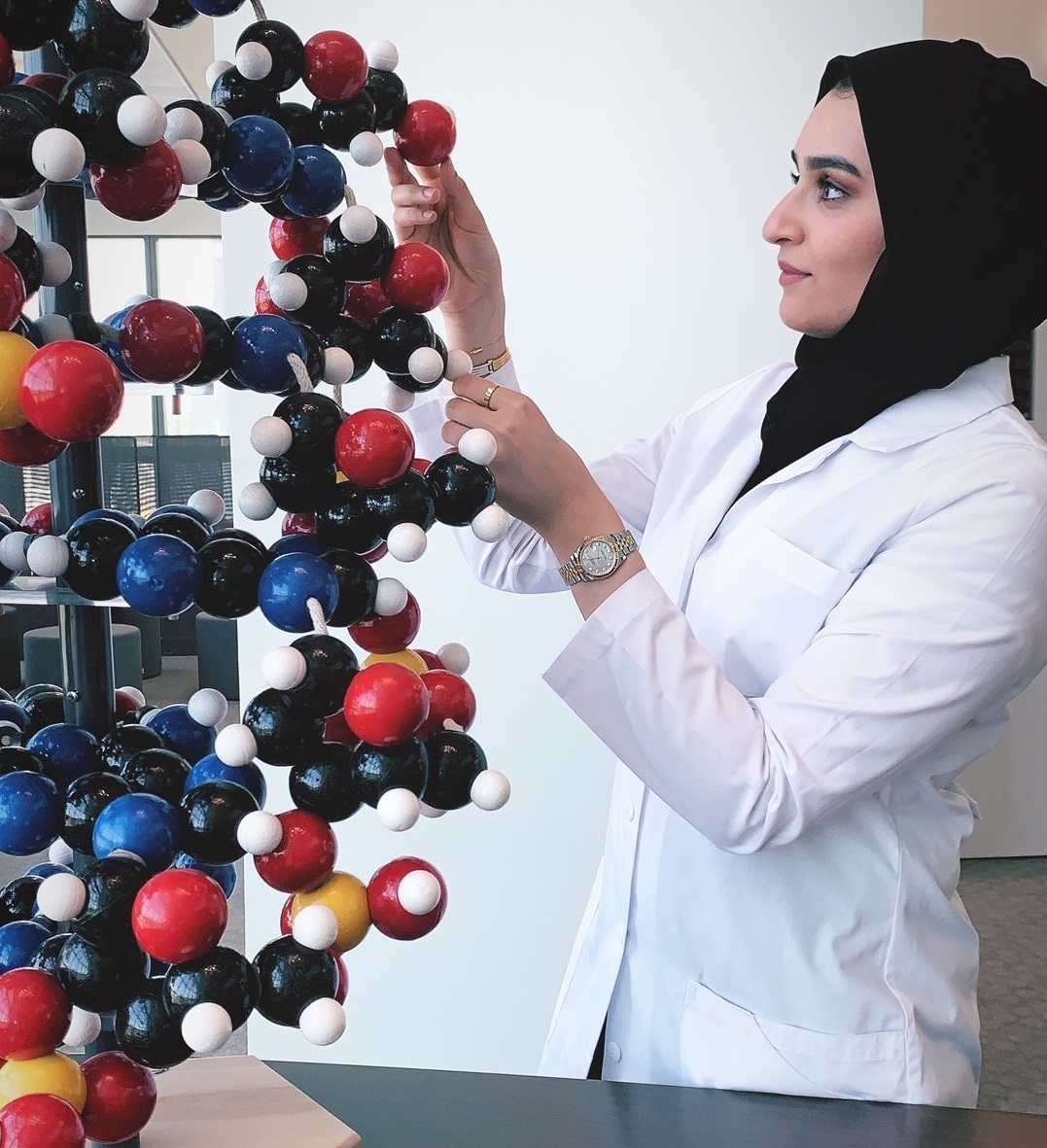
Amna graduated with a Biomedical Engineering degree with honors at Khalifa University and is currently a medical student at KU, pursuing her dream of becoming a doctor. Even during her undergrad days, she has always been interested in medicine. In fact, Amna, together with her teammates Fatima Yousif Alshamsi, Sarah Ismail Alali, and Tamader Omar Alhouqani, under the guidance of Dr. Habiba Alsafar, Associate Professor of Genetics and Molecular Biology and Director of the Center for Biotechnology (BTC), developed the Thyroid-on-a-ChiP device to help people make decisions that can prevent and/or treat thyroid cancer. This innovative device was one of the projects that secured funding and support from the Expo 2020 University Innovation Program (UIP) of Expo Live. 
Thyroid cancer is the third most common cancer type prevalent in the UAE. Amna and her groupmates saw that there is a need for advanced diagnostic tools that will help screen the population and in turn reduce the risk factors that can result in thyroid cancer for patients that are susceptible to this disease. 
“Thyroid-on-a-Chip is a project that I worked on and am still working on with my colleagues at KU. After assessing the need in the UAE and by knowing that thyroid cancer can be caused by environmental factors, we developed a personalized diagnostic tool designed to look for biomedical markers in the human body that indicate if a person is susceptible to developing thyroid cancer. This diagnostic tool is specific to the Emirati/Arab population as we are studying biomarkers in Emirati patients only,” explained Amna. 
“I am so proud of what we have established, and so honored that our project was chosen as one of the top projects presented. And I am very glad that Dubai Expo Live2020 funded our project, because the UAE is developing rapidly, and developing the medical sector is essential to provide a better healthcare for the patients,” she said. 
“I have a biomedical engineering background and I am now studying medicine. This has made health and patient care important to me. If I will work on future projects, it will always combine both my biomedical engineering and medical backgrounds toward finding solutions to help patients and improve the medical sector of the UAE,” Amna revealed. 
Amna admits that KU has been an integral part in helping her achieve her dream. “In my long journey at KU, I can describe it as a place where I can explore all my possible potential and move forward with them. It has made it possible for me to study medicine and make my lifelong dream come true. Also, as KU is ranked as the #1 university in the UAE, it makes me so proud that I get to study here.”
“I am also very lucky to be part of the first batch of the MD program at KU, it is unique and the only one in the country. This program has made it possible for me to continue my journey in medicine.”
Khalifa University’s College of Medicine and Health Sciences offers a four-year Medical Doctor (MD) program that incorporates an innovative curricular design and employs a variety of education strategies that blends problem-based learning and clinical experiences to enable students gain the competencies expected of all physicians. KU’s MD graduates will be fully prepared to enter residency training in any specialty anywhere in the world, with the ultimate goal of being able to seamlessly integrate technology into the delivery of personalized, preventative healthcare.
“I believe KU is very successful in establishing this unique program and it will create physicians who are at the same level of competency with the best and most prestigious medical programs worldwide. I highly appreciate the support our leaders have given this program to make it possible and successful.”
Ara Cruz
Creative Writer
17 August 2020

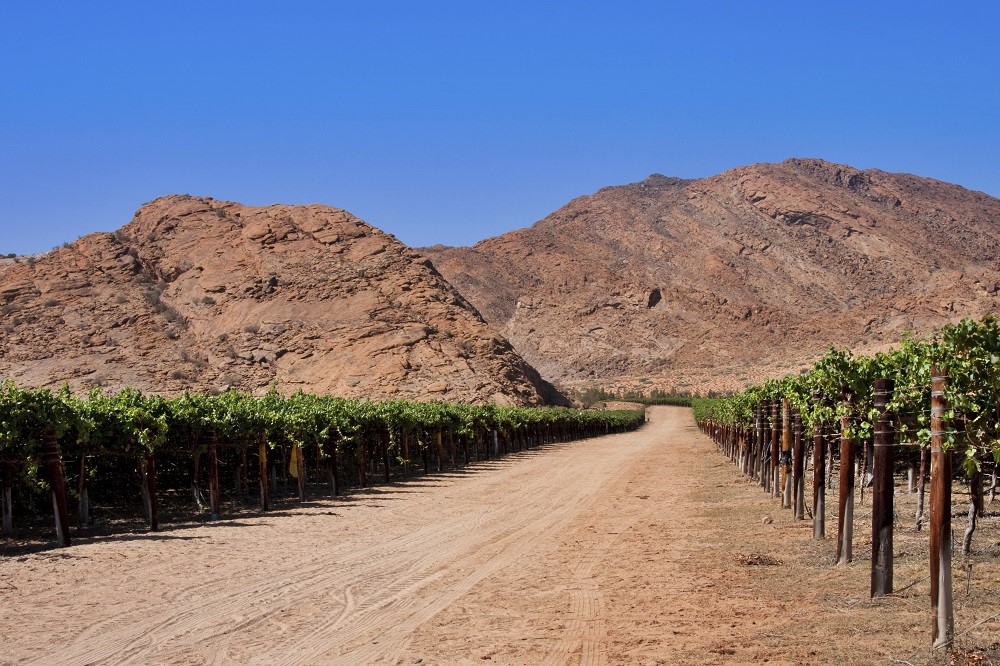
The Wide-Reaching Effects of River Basin Salinization


Khalifa University researchers make strong case for why soil salinization must be included in future climate models.


It is widely accepted that rising salt levels in our soils, rivers and streams is a major environmental issue worldwide. Still, little has been done to understand the long-term impacts of river salinization on the terrestrial water budget and climate.


An analysis by researchers at Khalifa University has now found that soil salinization – the accumulation of soluble salts in the soil – also affects the way river basins and their hydrology interact with climate.


The study, published recently in the prestigious Proceedings of the National Academy of Sciences of the United States of America, shows that salinization enhances the aridity of river basins, reducing the capability of vegetation to take up water from the soil and release it to the atmosphere; a process called transpiration. 


“Transpiration represents the main pathway through which water is transferred from land to the atmosphere and is a key driver of our climate,” explained Dr. Saverio Perri, post-doctoral fellow in Civil Infrastructure and Environmental Engineering at Khalifa University and the study’s lead author.


“As salts start to accumulate in the soil, osmotic effects make it more and more difficult for plants to take up water through their roots and transpiration is progressively impaired, affecting water and energy fluxes at the interface between land and atmosphere.” 


“However, not all the plants respond to salinity the same way,” Dr. Perri added. “Halophytes (their name comes from the Ancient Greek words ἅλας, ‘salt’, and φυτόν, ‘plant’) can grow in salty soils and have developed hydraulic traits, which allow them to withstand salt stress and sustain transpiration under saline conditions, which many other crops and plants cannot. As a consequence, plant salt tolerance could significantly impact how land exchanges water with the atmosphere and controls climate.”


“The other crucial factor to keep in mind is the size of the phenomenon,” said Dr. Annalisa Molini, Associate Professor of Civil and Environmental Engineering, and a co-author of the study. “River salinization has grown at an unprecedented rate in the last few decades, and is now a global environmental issue.”


“We have estimated that river basin salinization already affects more than one-third of catchments around the world. This is a huge area – millions of hectares – where salinity is not only a major cause of fertility reduction and soil degradation but also a powerful hydro-climatic driver,” Dr. Molini added.


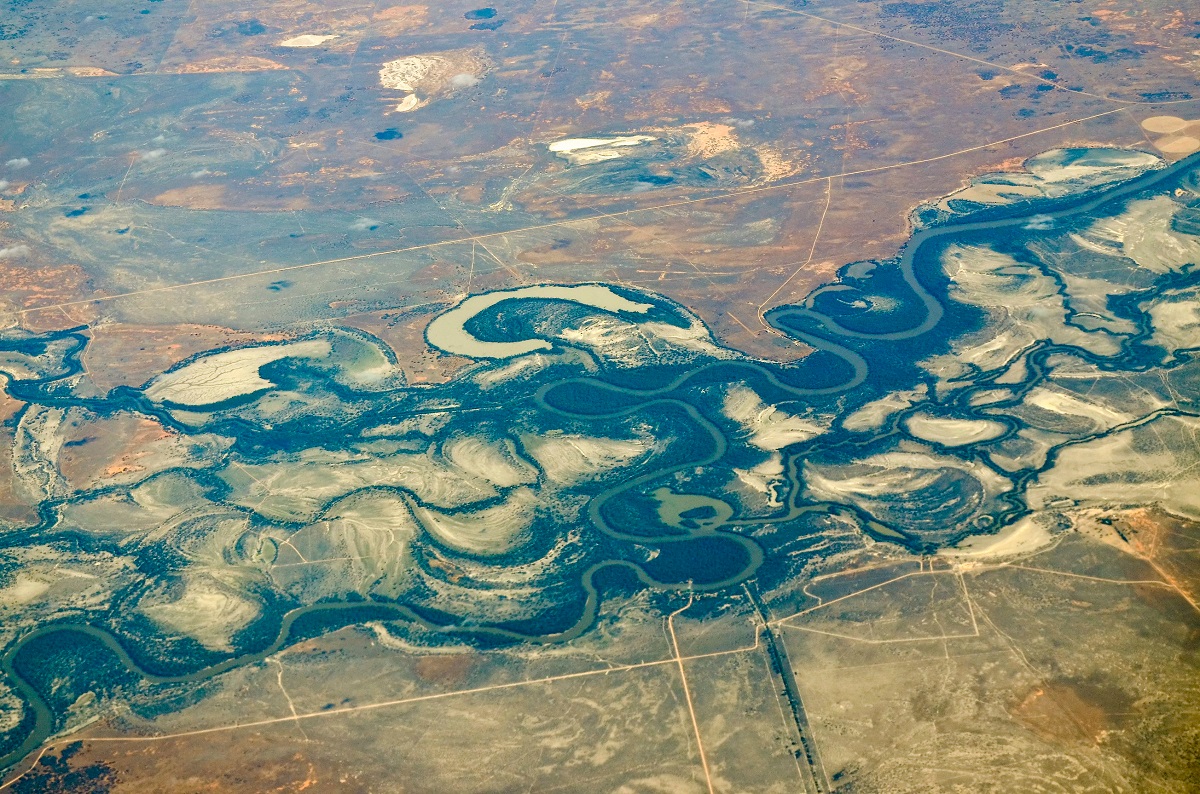
“The majority of salt-affected basins can be found in the Middle East, Africa and Australia, all regions which are already experiencing extreme aridity, land degradation, and vulnerability to climate change. Despite the global dimension of the problem, the effects of salinization are not included in climate models. These models cannot differentiate between vegetation types with different hydraulic traits.”


“Our study provides the essential machinery to understand how salinity can alter the local soil water balance and land-atmosphere interactions. A first vital step toward including salinity effects in climate models,” Dr. Molini shared.


The Khalifa University research team – including Dr. Perri, Dr. Molini and Dr. Prashanth Marpu, Associate Professor of Electrical Engineering and Computer Science – worked with colleagues at the University di Padova, MIT and the New South Wales Rural Fire Service of Australia to develop a new model of the soil water balance in saline river basins. The novelty of the model is that it accounts for both the effects of salinity and plant salt tolerance.


“The beauty of the model is that it is rather simple, and still, it can capture the main components of the process, including the response of different types of vegetation,” said Dr. Perri.


“Also, it can be used to develop reverse-engineering strategies to mitigate salinization, based on plant salt tolerance. This paves the way for a wide range of applications which might help us to tackle the problem of salinization from the eco-hydrological perspective.”


The paper’s other co-authors include Dr. Samir Suweis of the University of Padova, Dr. Dara Entekhabi of MIT, and Dr. Alex Holmes from the New South Wales Rural Fire Service. Support for the research was provided by the Abu Dhabi Department of Education & Knowledge and by the University of Padova.


Jade Sterling
Science Writer
16 August 2020

How Dust Impacts the Arabian Climate

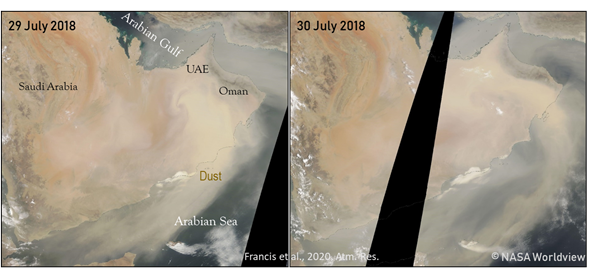
Despite how frequent dust storms are in the Middle East, little is known about how and why they are so much more common in the summer months. A team from Khalifa University set out to better understand this phenomenon by examining the intense dust activity that occurred in July 2018.


The Arabian Peninsula is one of the world’s major sources of dust year round, contributing substantially to the total amount of dust in the air in the Northern Hemisphere. Frequent dust storms occur here, between 15 to 20 per year, impacting all aspects of life for its human population, as well as affecting marine ecosystems and the climate.


Despite this, little is known about how and why dust storms are much more common in the summer months. A team from Khalifa University set out to better understand this phenomenon by examining the intense dust activity that occurred in July 2018.
Dr. Diana Francis, Senior Research Scientist, Dr. Narendra Nelli, Postdoctoral Fellow, and Dr. Marouane Temimi, Associate


Professor of Civil Infrastructure and Environmental Engineering, all from Khalifa University, published their findings in the journal of Atmospheric Research along with Dr. Jean-Pierre Chaboureau, University of Toulouse, France, Dr. Juan Cuesta, Université Paris-Est Creteil, France, Noor Alshamsi, UAE National Center for Meteorology, Dr. Olivier Pauluis, New York University, and Dr. Lulin Xue, US National Center for Atmospheric Research. The team investigated the dust storms of July 2018 to identify the underlying atmospheric dynamics and assess how much impact the radiative effects of dust had on cloud and rain development.


“Despite originating from relatively few areas around the world, atmospheric dust is an important component of the Earth’s climate system,” explained Dr. Francis. “Atmospheric dust particles can serve as cloud condensation nuclei and ice nucleating particles, thereby altering cloud development and properties and associated precipitation.”


The amount of dust in the air also influences radiative effects as dust particles can scatter and absorb shortwave radiation, and absorb and re-emit longwave radiation. This has repercussions for atmospheric thermodynamics as the local temperature, winds and rainfall are affected.


“The dust in the air interacts with radiation from the sun and increases the mass of water in the atmosphere, causing a greenhouse effect and further increasing the ground temperature and humidity,” explained Dr. Francis. “This then has implications on the development of weather features such as sea breezes.”


Though the dust does reduce the amount of solar energy reaching the surface by absorbing and scattering the radiation, this absorption can contribute to localized heating by directly warming the dust-filled atmospheric layer and emitting longwave radiation towards the surface of the Earth. This, however, depends on where the dust layer is located, such as whether it is situated over water, vegetated areas or desert regions.


“Given the sporadic nature of dust storms, this complex balance between their effects on radiation and the resulting impacts on climate has been difficult to assess,” explained Dr. Francis.


“Because of this, dust storms can’t be included in future climate projections with much accuracy, with current global climate models underestimating the warming effect of dust by underestimating the actual amount of dust in the atmosphere.”


An essential part of the dust cycle is the transportation of dust around the world. For this, the dust storm needs the atmospheric processes that determine all aspects of the storm—from its intensity to its duration­. For the Arabian Peninsula, the Shamal winds play a critical role. These northerly semi-permanent winds are thought to be the main meteorological driver for dust emissions year round but Dr. Francis is interested in why dust emissions over the southern parts of the Arabian Peninsula peak in the summer.


“This peak indicates the existence of a still-unknown but important mechanism for dust emissions,” explained Dr. Francis.


“Cyclogenesis, the formation of cyclone, has proven to be a major dust emission mechanism over other arid regions, capable of generating dramatic dust storms. However, little attention has been given to dust activity associated with cyclogenesis over the Arabian Peninsula”


In July 2018, a cyclone formed over southwestern UAE and generated intense dust emissions over the UAE and northwestern Oman due to strong cyclonic winds.


“A clear footprint of the cloud was visible in the radiation measurements at the surface, with the warming effect by up to 10°C induced by the dust especially at night,” explained Dr. Francis.


“On the second day of cyclogenesis, clouds started to develop in the warm sector of the cyclone,” explained Dr. Francis. “Localized rain was observed in the southwestern UAE, and as the cyclone intensified, more water vapor was drawn from the Arabian Gulf and the Arabian Sea, which caused further rain to develop. Daytime ground temperatures were two degrees higher compared to prior days, while at night, temperatures were ten degrees higher than the normal temperature before and after the dust storm. This was due to sustained emissions of longwave radiation during the entire lifetime of the dust storm.”


The researchers found that the dust over a major dust source region induces a significant net warming effect at the surface and in the atmosphere during the night, modifying the atmosphere at lower levels. Their results highlight the important role dust plays in the climate system of the Arabian Peninsula, proving that air quality and weather forecast systems need to account for the impacts of dust storms to achieve improved accuracy.


“Dust also needs to be considered when predicting, designing and conducting cloud-seeding operations in the UAE because of the impact on the circulation, which in turn impacts the development of clouds and their lifetime,” added Dr. Francis. “Dust is a quasi-permanent natural part of the atmosphere over the Arabian Peninsula, and its impact on the climate and environment of this region is more significant than anyone previously thought.”


Jade Sterling
Science Writer
13 August 2020

Khalifa University Participates in Youth Focus Group Workshop on Environmental and Climate Policy

Khalifa University faculty Dr. Hector Hernandez, Assistant Professor of Biomedical Engineering, and Dr. Riaan van der Merwe, Assistant Professor of Civil Infrastructure and Environmental Engineering, represented the University in an online workshop on Wednesday, 1 July 2020, organized by the Ministry of Climate Change and Environment (MOCCAE) to discuss the Ministry’s upcoming UAE National Environmental Policy. 

The main purpose of the focus group was to meet with academic research faculty and students to: (1) understand what research programs are currently in place in the respective universities’ research groups and departments; (2) find out what are the potential future areas of academic research for the UAE; and (3) identify what programs need to be supported and implemented by the MOCCAE to achieve these academic research objectives. 

During the meeting, they discussed the MOCCAE’s commitment to developing a data-driven approach to addressing emerging climate change challenges in the UAE. The Ministry’s national environmental policy will focus on the following:

  • Biodiversity
  • Marine and coastal environment
  • Climate change
  • Air quality
  • Food safety
  • Agriculture
  • Animal welfare and development
  • Chemicals management
  • Waste management

The attendees were also asked to share research programs they are currently working on in their laboratories and institutions, as well as identify emerging areas of research that would specifically support the MOCCAE and benefit the UAE. Dr. van der Merwe and Dr. Hernandez were able to highlight several of their projects during the workshop. 

Dr. van der Merwe mentioned that he is currently developing projects on marine and coastal environment, including projects titled “Shifting the discharge mindset from harmful to habitat: exploring inventive designs and benefits of underwater discharge structures for fish habitat enhancement” and “Use of unmanned aerial systems to promote water resources management in the agricultural sector”.

Dr. Hernandez also shared his current projects, including one that is focused on establishing a halophyte breeding program in the UAE; the Green Barjeel project, which he is working on in collaboration with the MOCCAE; and Green Chemistry 2.0, which focuses on remediation of persistent environmental organic pollutants and in which he is Co-PI with Dr. Sharmarke Mohamed, Assistant Professor of Chemistry. He also talked about future projects under development in agriculture, including a project titled “UAE native microalgae as a renewable source of feed stock for animal feed in the United Arab Emirates and “Mining UAE-native halotolerant microorganisms for promoting plant salinity resistance.”

At the end of the workshop, the participants were asked to provide recommendations of programs that both the Ministry and academia can implement to be able to support the UAE National Environmental Policy. 
The focus group was also attended by other faculty from the American University Sharjah, Sharjah University, and United Arab Emirates University. 

Ara Cruz
Creative Writerr
09 August 2020

21 Khalifa University Students Participate in Virtual Study Abroad Program Amidst COVID-19 Outbreak

Khalifa University strives to provide its students with different learning opportunities to enhance their educational experience. For Summer 2020, KU planned to send 100 sophomore and junior students in a study abroad program to ten prestigious universities in the United States where they were to spend the summer semester taking classes and experiencing living abroad in the diverse environment of these top universities. The main goal of the program, called Sufara 2020, was to add to the students’ well-rounded education, exposing them not only to new classroom experiences but also cultural experiences at other campuses. It was also going to be an opportunity for the students to broaden their network and develop professional relationships.  
And then COVID-19 happened. The whole world was at a standstill as everyone dealt with the pandemic. With international travel restrictions in place, the original plan to send students was put on hold. However, 21 students were determined and rose to the challenge, deciding to continue with the program, albeit virtually. They have been attending summer online classes at Stanford University, Boston University, UCLA, and Arizona State University.
The virtual classes still offer an exciting learning opportunity for the students.
Shouq Derzada is enrolled at Stanford University, taking a course called Understanding Energy and Sustainability Design Thinking. “I knew that this experience would be challenging considering the current pandemic situation, but I’m also certain that it will be valuable,” she said.
She explains why she chose to take a course on energy: “One reason why I became interested in understanding energy is that energy has the most influence in climate change and it is indeed the main driver for human development. As a chemical engineering student, this course would help me further understand the fundamentals of each energy resource as well as the potential conversion processes and technologies. I have always been passionate and curious about energy and its resources. And I decided to take the sustainability design thinking course since the world nowadays is seeking sustainability in all aspects of life. This course would help me to learn design thinking techniques to promote sustainable design of products.”
“I consider myself lucky to be part of such a valuable program that allows me to experience new ways of learning, get to know new people, be exposed to different cultures, develop new academic skills, and enjoy this opportunity,” Shouq added.
Omar AlRemeithi has also chosen to take classes at Stanford University. From the very beginning, he had a definite plan of what he was going to take. Omar chose classes that complement the courses he is currently taking at KU.
“I am taking Signal Processing and Linear Systems I, which is equivalent to Signals and Systems at Khalifa University. Also, I’m planning to take Machine Learning as a technical elective,” he said. 
Ghalia Hamad Al-Qawadi Al-Hammadi, a Biomedical Engineering student, chose to enroll in Boston University because of the university’s excellent biomedical sciences program. She is currently taking two classes, Biology and Behavioral Biology of Women.
“My participation in the program will bring me a lot of advantages and help me in my studies in the future, especially that the two courses I have chosen are the basis of my field and they are taught theoretically and practically with the best specialists in the field of biomedicine, which will strengthen my foundation in my field in addition to the strong experience that I gained from my university. More than that, distance learning under these conditions with one of the best universities in the world will be a strong and distinctive addition to my CV,” she said.
Fares Aljaberi is taking a Materials Science class in University of California-Los Angeles (UCLA). For him, the virtual classes can be challenging. “There are some difficulties that we face, which are paying attention, understanding, and participating. It has been harder to work on these three things during the online courses, but hopefully things will be better,” he commented.
Despite the unique circumstances, the students are excited and eager to learn new things. Omar particularly enjoys the “Virtual Residence Hall” experience at Stanford where he can virtually meet with his classmates and participate in different activities. And although they are not able to experience life at other campuses, the students still have gained additional knowledge and developed new connections.
Ara Cruz
Creative Writer
11 August 2020

Khalifa University and the Department of Health – Abu Dhabi Develop Reagent to Extract COVID-19 RNA

Collaboration Initiative with Abu Dhabi Health Services Company (SEHA), Abu Dhabi Ports Company and Unilabs

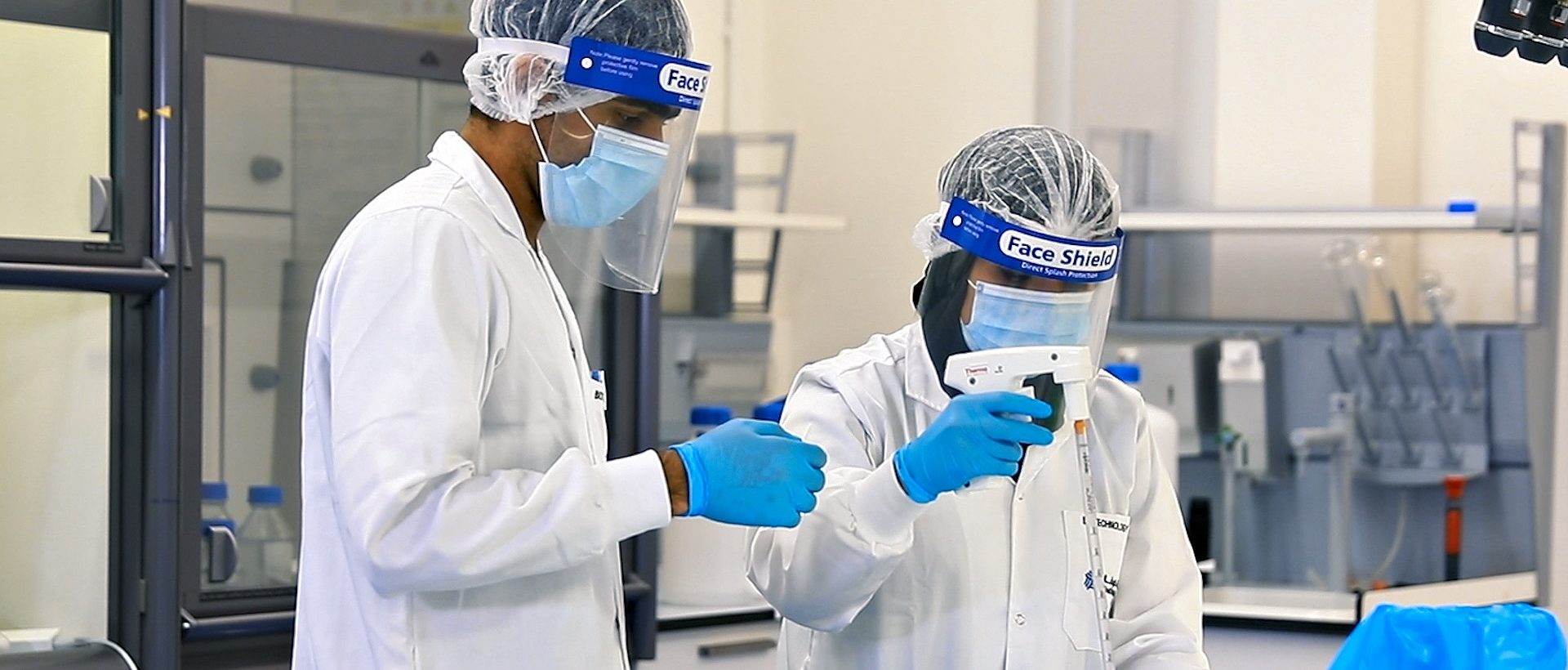
The Department of Health – Abu Dhabi (DoH), in collaboration with ADQ and its portfolio companies Abu Dhabi Health Services Company (SEHA) and Abu Dhabi Ports Company, as well as Khalifa University of Science and Technology (KU) and Unilabs, has successfully manufactured a chemical solution that is designed to extract COVID-19 RNA. The chemical solution was created over the course of two weeks and is one of the key components for testing the virus.

This milestone is aligned with local efforts aimed at achieving the highest levels of self-sufficiency and supporting precautionary measures taken to curb the spread of the virus in the country. The UAE has been among the first nations to reach out and lend a helping hand to those affected by the Covid-19 pandemic, which shows a clear reflection of its humanitarian role in times of crisis.

The COVID-19 testing process undergoes three main technical steps; collecting swabs taken from patients, extracting the RNA from the virus, and then using the solution to analyze and verify whether the person’s test results are positive or negative.


View this post on Instagram


A post shared by جامعة خليفة (@khalifa_university) on

HE Abdullah bin Mohammed Al Hamed, Chairman of DoH, said: “With unwavering determination, the UAE continues to take steps to unify teams at all levels in order to confront the virus. The success that we have achieved with our partners in manufacturing the chemical solution is yet another milestone that we take pride in and complements the efforts to support the country’s drive to contain and control the virus”.

“This imperative step will further boost our objective of expanding the scope and capabilities of COVID-19 testing, where the UAE is leading the way. To this day, more than 2 million tests have been carried out in the emirate. We are grateful for the UAE’s ongoing commitment to prioritising the health and well-being of members of society,” Al Hamed added.

DoH pointed out that, despite the availability of the solution in sufficient quantities, the regulator is keen to cooperate and coordinate with all parties concerned to move forward in its locally manufacturing the solution, utilising a solid infrastructure, advanced science and technology, as well as its wealth of expertise and knowledge in order to reinforce the national capabilities in mitigating potential future challenges that might emerge in light of this pandemic.

Jaap Kalkman, Chief Investment Officer of ADQ, one of the region’s largest holding companies with a diverse portfolio of major enterprises in Abu Dhabi, said: “Drawing on the knowledge and resources from our healthcare and logistics experts at ADQ and our portfolio companies, we took an agile and collaborative approach to help bring together multiple partners in order to set new standards of excellence in our local healthcare ecosystem.”

Dr. Arif Sultan Al Hammadi, Executive Vice-President, Khalifa University of Science and Technology, said: “We are delighted to be part of this great achievement, one of several initiatives that aim to obtain innovative solutions against the COVID-19 pandemic, with researchers at Khalifa University. We are also proud to contribute, along with the Department of Health and other stakeholders, to support the UAE’s efforts in preventing the spread of the disease and enhancing the country’s pioneering status in extracting the RNA of the novel Coronavirus, indicating the excellence of research infrastructure in the country in general and Khalifa University in particular.”

Dr. Al Hammadi added: “Through its ground-breaking research facilities and appropriate human capital, Khalifa University, represented by Center for Biotechnology, has contributed enthusiastically to this distinguished project. Emirati researchers from Khalifa University have worked on the project, producing the chemical solution within the university’s laboratories, ensuring its quality and compliance with the highest standards, signifying Khalifa University’s local and global reputation as a top-notch academic institution specializing in education and research.”

Dr. Zain Ali Al Yafei, Pharmacy and Allied Health Director of SEHA, said: “This is a great opportunity and a success story of the collaboration between the different organizations. At times, during the COIVD-19 pandemic, it was very challenging to secure reagents for testing. However, this step will ensure sustainability and availability of continuous supplies of extraction reagents.”

Mohammed Daoud, General Manager of Unilabs Middle East, said: “In view of these extraordinary times, we greatly appreciate the relentless efforts of the UAE’s wise government in maintaining the health and safety of the people through the provision of COVID-19 testing for the largest possible portion of the population, setting an exceptional record at the global level. At Unilabs, we are fully committed to utilizing our expertise and technical resources in partnership with the authorities to setup a significant local testing capacity and support in the manufacturing of the RNA extraction solution locally by sharing the scientific knowledge of our global experts and have them travel into the UAE, in a step to enhance the national capabilities. “We are proud to support the tremendous efforts of the Department of Health Abu Dhabi and its measures which constitute a global model for dealing with COVID-19 pandemic,” Daoud added.

DoH explained that the chemical solution, which has already proven its effectiveness, is manufactured in specialized laboratories in Abu Dhabi. The solution is then produced in industrial quantities, where the first batch of 200, 000 units has been completed. The next few batches, which are expected to include 1 million units, are currently being developed.

It is worth mentioning that MoU was signed by DoH, Khalifa University of Science and Technology and UNILABS. It sets the tone for establishing a general framework of cooperation and mutual coordination between the parties, as well as assigns the roles and responsibilities for the procedures related to the chemical solution manufacturing.

DoH urges all members of the society to continue following all precautionary measures to stop the spread of the virus. This includes practicing social distancing and maintaining a safe distance of 6 feet or 2 metres approximately from others. In addition, DoH urges the public to contact ISTIJABA call centre on 8001717, if they suspect that an individual is infected with COVID-19, or head to any of the emirate’s testing centres in case of experiencing any symptoms.

Staff Report
27 July 2020

Internships Go Digital Amid the Coronavirus Pandemic

Despite the global lockdown caused by coronavirus, Khalifa University’s Career Services Office has successfully placed 330 of its undergraduate students into a virtual internship program this summer. 
The students will be interning at major public and private organizations that reflect the critical sectors of the UAE economy, including, but not limited to, local organization such as ADNOC, the Dubai Police, DEWA, Tawazun, Du, Ministry of Education, Halcon, General Civil Aviation Authority, Ministry of Infrastructure and Development, AD Municipality, DP World, and Ankabut, and international organizations such as Children’s National, Diehl Group of Companies, CAE, Lockheed Martin, Thales, Solarship Ins, Ureka, and TOKA.
The internship experience is a core part of Khalifa University’s curriculum, and it is also a requirement for graduation. Internships offer students a unique opportunity to acquire critical skills and knowledge that they wouldn’t realize inside a classroom, while giving them the chance to put theory to practice.
The traditional internship had to go through a major conceptual change to be transformed into a virtual internship program. Industries, hosting companies, eligible students and faculty had to be introduced to the new concept. However, the resulting virtual internship program that has been developed seems to have paved the way for deeper partnership opportunities with new industries and companies at both the local and international levels.
The dedication of the Career Services team has ensured that each eligible student was placed in a high-quality virtual internship, where they will experience a well-rounded, memorable and inclusive work experience that will provide them with lifelong skills. Student internships are a cornerstone of the KU student experience, and Career Services oversees this activity to increase employment rates of KU graduates. Other initiatives of the Career Services Office include Majors Day, Career Development  Course, CV Clinic, Career Fair, Internship Fair and Alumni engagement. 
Erica Solomon
Senior Editor
5 August 2020

Khalifa University, In Collaboration With Aviation Industry Leaders, Launches Webinar Series on Sustainable Aviation Fuels

First Seminar on 5 August Titled ‘The Challenge for Sustainable Aviation Fuels Beyond COVID-19’ to Cover Key Subjects  
Khalifa University of Science and Technology, in collaboration with key aviation industry players Etihad Airways, the General Civil Aviation Authority, The Boeing Company, and the International Air Transport Association (IATA), today announced the launch of a webinar series to emphasize the need for establishing the Sustainable Aviation Fuels Initiative (SAFI) in the UAE. 
The SAFI–UAE Webinar Series will include several virtual panel sessions that will take place over a period of 8 – 10 weeks. The series will be supported by nearly 50 local and international government, corporate and academic stakeholders. Out of the eight seminars, the first will be held on 5 August and will be co-hosted by the International Association for Energy Economics. 
The first seminar titled ‘The Challenge for Sustainable Aviation Fuels Beyond COVID-19’ will address the extreme challenges being faced by the aviation industry as a whole due to the current pandemic, and talk specifically about how can Sustainable Aviation Fuels can move forward.. The 60-minute event will be a panel session to be moderated by Dr. Steve Griffiths, Senior Vice-President, Research and Development, and Professor of Practice, Khalifa University. 
Dr. Steve Griffiths said: “We are delighted to launch this SAFI – UAE Webinar Series at the most challenging time not only for the aviation industry but also for related sectors and policy-makers across the globe. The first seminar will set the tone for the series and will offer a general overview of the need for SAF and the goals that the aviation industry has set for itself. We believe this initiative will throw a spotlight on the need for setting up the Sustainable Aviation Fuels Initiative (SAFI) in the UAE.” 
The panelists for the first seminar will include Robert Boyd, Assistant Director–Aviation Environment, International Air Transport Association (IATA), Switzerland, Jim Hileman, Chief Scientific and Technical Advisor for Environment, Federal Aviation Administration (FAA), US, and Dr. Alejandro Rios-Galvan, Director, SBRC, Khalifa University. 
Panelists will share their insights and perspectives on the short and long-term impacts of the COVID-19 demand shock for the aviation industry, the efforts and strategies of the aviation industry to reduce its carbon footprint, the development and use of sustainable aviation fuels to date, and the onset of the Carbon Offsetting and Reduction Scheme for International Aviation (CORSIA). 
They will also focus on the outlook towards the long-term goal of reducing carbon emissions by 50% in 2050 using 2005 as the baseline year, and the future for SAF and the pathways most likely to address the challenge. 
The second seminar titled ‘Pathways to produce SAF’ will be held on 11 August and will have a panel session to be moderated by Dr. Alejandro Rios-Galvan. Panelists will include Mark Rumizen, Senior Technical Specialist, Aviation Fuels, FAA, US, Bruno Miller, Managing Director – Fuels, Fulcrum Bioenergy, US, and Jennifer Holmgren, Chief Executive Officer, Lanzatech, US. 
Panelists in this session will share their insights on an understanding of the fuel approval process for SAF, the annexes that have been approved up to date and the ones that are on the pipeline, assess some of the most relevant projects that are being developed worldwide, the current and future technologies that can be used for producing SAF, and the challenges for developing refining infrastructure for SAF and getting it to market.
Clarence Michael
News Writer
4 August 2020

Keeping Solar Nanofluids Stable

Scientists at Khalifa University are researching how solar nanofluids can be stabilized for use in concentrating solar power plants to generate clean electricity.


Concentrating solar power (CSP) plants – which use energy from the sun in the form of heat to generate clean electricity – could one day be used to meet a significant share of the world’s energy needs. But CSP faces a challenge: many power plants still rely on heat transfer fluids that were developed in the 1980s and are limited to lower operating temperatures.


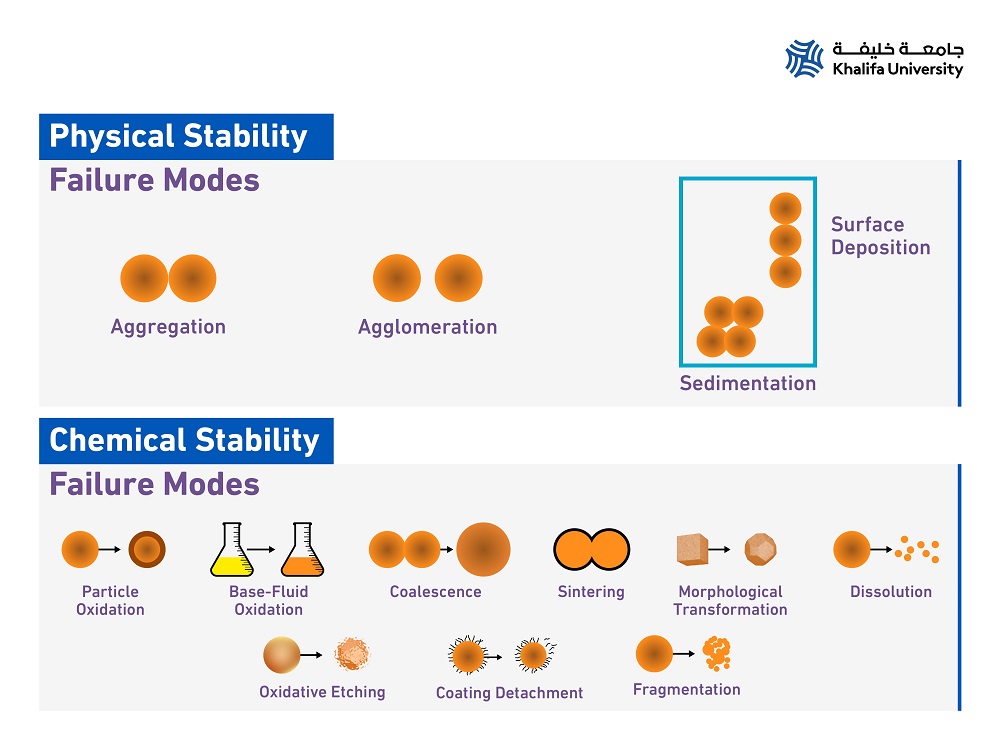
Heat transfer fluids bring the heat collected from solar energy to a generator, where it is transformed into electricity. The hotter the fluid can get, the more its particles move and the higher its thermal energy, which translates into more efficient power generation. Nanofluids have been eyed as advanced heat transfer fluids for some time now, as the nanoparticles suspended in the fluid increase the fluid’s absorption surface area and thermal conductivity. However, solar nanofluids are challenged by instability, mainly caused by the clustering of nanoparticles within the fluid.


Now, scientists at Khalifa University are researching how these nanofluids can be stabilized, which is key to accelerating their uptake in CSP plants, and other industrial applications, around the world.


Dr. Omar Sharaf, Post-Doctoral Fellow at Khalifa University, with Dr. Eiyad Abu-Nada, Professor of Mechanical Engineering, and Dr. Robert Taylor, Associate Professor of Mechanical and Manufacturing Engineering at University of New South Wales, Sydney, recently published a review paper in Physics Reports covering the topic of solar nanofluids to investigate their colloidal and chemical stability in various applications.


“Nanofluids are engineered colloidal dispersions with solid inorganic nanoparticles,” explained Dr. Sharaf. “They have superior thermophysical properties that make them excellent materials for numerous engineering applications, including solar power generation.”


“But while a few review articles have previously targeted the issue of stability for thermal nanofluids, which allow for more effective heat transfer, there are no review articles covering the stability of solar nanofluids, which function as both solar absorbers and heat carriers,” added Dr. Abu-Nada. “Therefore, our objective was to provide a much-needed, state-of-the-art review of the stability of solar nanofluids and investigate the modern techniques and strategies to overcome their limitations. We’ve made an important step towards understanding the state-of-the-art in the development of resilient, long-term stable solar nanofluids for use in photothermal conversion applications.”


Nanofluids are increasingly used in applications requiring quick and effective heat transfer, including in solar thermal applications. They absorb the solar irradiance passing through them, which allows the base fluid to effectively capture and transport solar radiation. The more solar energy the nanofluid absorbs, the more efficient the photothermal conversion process, with the solar thermal system’s efficiency governed by the effectiveness of the photothermal conversion and heat transfer processes.


An ideal direct-absorption solar collector will absorb the concentrated solar radiation, convert that into heat, and transfer the heat to the intended application. Nanoparticles allow for several orders of magnitude higher heat transfer when absorbing solar radiation directly within the surrounding fluid, simply due to the small size and huge specific surface area of the nanoparticles.


“Despite their favorable thermophysical properties, the key challenge still hindering the widespread use and commercialization of solar nanofluids are issues pertaining to their dispersion and chemical stability,” explained Dr. Sharaf. “This is a result of operating for prolonged periods of time under the rough outdoor conditions encountered in photothermal conversion devices, such as elevated temperature, intense solar radiation, and thermal and solar cycling. Such conditions destabilize the nanofluids, eventually leading to those prized properties being significantly altered.”


Nanoparticles have exceptionally high surface-to-volume ratios and remain in a high energy state. As the particles move to reduce their surface energies, they cluster together, which reduces their efficiency. A nanofluid’s ability to resist clustering is known as its colloidal stability. Its chemical stability is determined by the ability to resist undesired chemical transformations over time.


“In other words, a stable nanofluid is one that retains its optical and thermal properties of interest after frequent use in its intended application,” explained Dr. Abu-Nada. “Depending on the nature of the solar photothermal conversion device, a solar nanofluid can be exposed to a number of destabilizing factors. Understanding these factors is crucial for designing a stable nanofluid.”


The working temperature of a solar nanofluid could be high during the day and low during the night due to solar cycling, reaching very high temperatures of much more than 400C in photothermal devices operating under concentrated solar radiation. Temperature variations can trigger sharp transitions from stability to instability, with parts of the nanofluid known to partially or even completely decompose and detach from the particles at working temperatures as low as 60C.


“In sunny, desert climates, where solar collectors are likely to be deployed, the difference between nanofluid temperature at daytime and night time could be significant, especially when operating under concentrated solar radiation,” explained Dr. Abu-Nada.


“Additionally, although it constitutes a small portion of the solar radiation hitting the Earth, UV radiation can cause severe damage to the constituents of a nanofluid, especially if optically concentrated. Prolonged UV radiation exposure is more often than not overlooked as a major destabilizing factor, because upon testing under natural sunlight for a limited period of time, the levels of exposure are not usually enough to induce too much damage. However, upon prolonged exposure, it is clear that UV exposure can have hugely detrimental effects.”


As energy demand across the globe increases, harnessing renewable energy remains essential. Concentrating sunlight is an effective way to generate higher output and nanofluids can play a crucial role in the development of these technologies.


Jade Sterling
Science Writer
4 August 2020

Khalifa University, UAE Space Agency and YahSat in 3-Way Funding Agreement to Establish ‘Khalifa University Space Technology and Innovation Centre’

KUSTIL Will Incorporate Existing YahSat Space Lab and Focus on Training Students in Satellite Design and Manufacturing
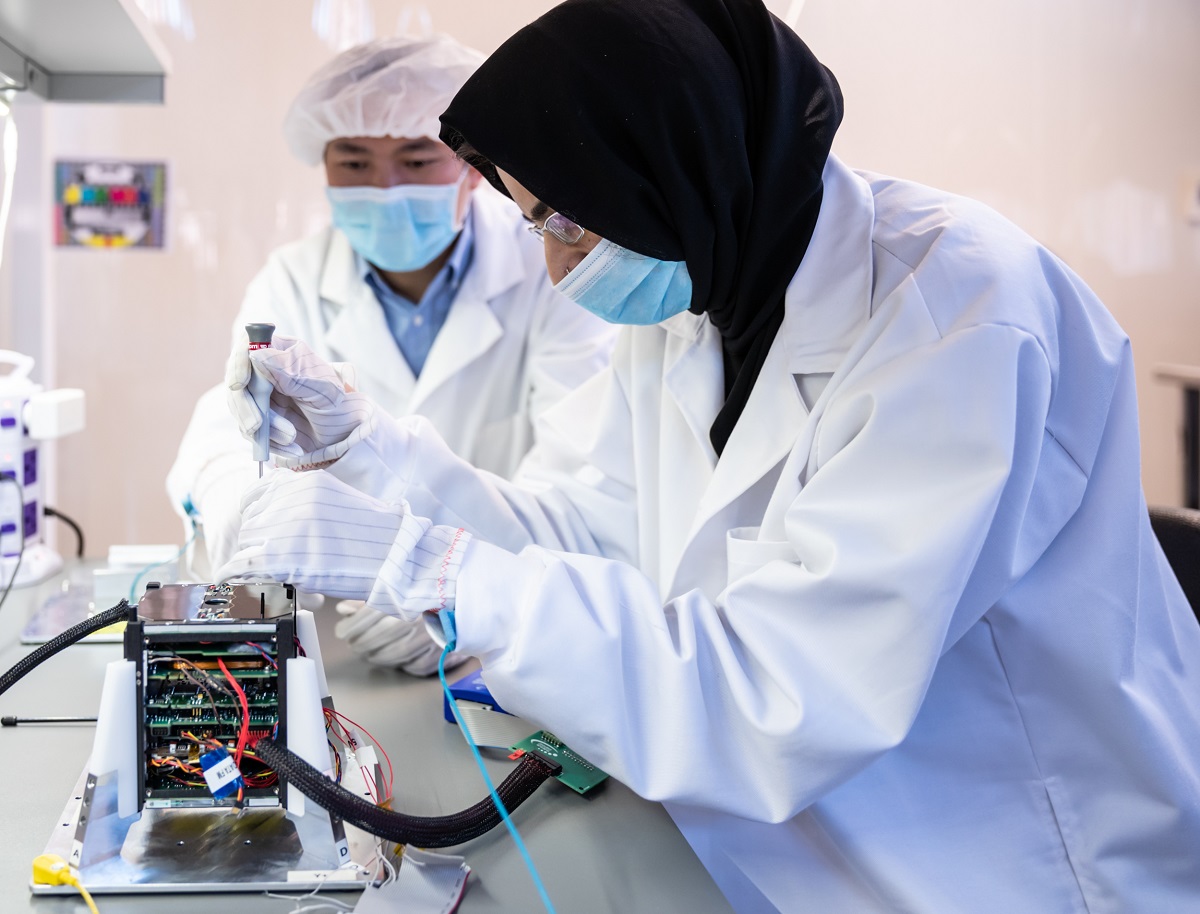
Khalifa University of Science and Technology, the UAE Space Agency (UAESA), and Al Yah Satellite Communications (YahSat), have signed a three-way funding agreement to establish and operate the Khalifa University Space Technology and Innovation Lab (KUSTIL), firmly committing to scientific innovations and laying the foundations for further inspiring the UAE’s future space missions.
A virtual gathering in Abu Dhabi on the agreement was attended by His Excellency Dr. Ahmed Belhoul Al Falasi, Minister of State for Entrepreneurship and SMEs – Chairman of UAE Space Agency, His Excellency Dr. Eng. Mohammed Nasser Al-Ahbabi, Director-General of the UAE Space Agency, Dr Arif Sultan Al Hammadi, Executive Vice-President, Khalifa University of Science and Technology, His Excellency Khaled Al Qubaisi, Chairman of the Board of Directors of Al Yah Satellite Communications Company (YahSat), and His Excellency Masoud Sharif, CEO of YahSat.
The main objectives of KUSTIL will be to build capabilities and create a technical space hub through training UAE students in satellite design and manufacturing, conducting scientific research in space sector and applications, developing satellite manufacturing capabilities in the UAE, promoting and inspiring entrepreneurship in the space sector, supporting space science and technology initiatives of the UAE Space Agency, and focus on the design and assembly/integration/testing of small satellites through the Yahsat Space Lab.
KUSTIL will aim to achieve the UAE’s vision in space exploration, technologies, and applications. It will play a crucial role in building capabilities and creating a technical hub by training UAE students in satellite design and manufacturing, conducting scientific research in the space sector and applications, and developing satellite manufacturing capabilities in the UAE. It will also promote and inspire entrepreneurship in the space sector; while supporting space science and technology initiatives of the UAE Space Agency. 
The lab will incorporate the existing YahSat Space Lab (YSL), established in 2017 as the nationwide focal point in CubeSats’s design and Assembly/Integration/Testing (AIT), both in terms of facilities and expertise. All small satellite design, AIT and manufacturing activities of the lab shall be performed at YSL. The lab produced and successfully launched the UAE’s first imaging CubeSat in 2018.
His Excellency Dr. Ahmed bin Abdullah Hamid Belhoul Al Falasi, Minister of State for Higher Education and Advanced Skills, and Chairman, UAE Space Agency, said: “We are looking forward to achieving a fruitful collaboration with Khalifa University of Science and Technology and YahSat that aims to enhance the interest of the youth in technology and innovation, and getting engaged in all areas of science, technology, engineering and math. Earlier this year, we launched a national strategy for space sector that will help our country gain insights matching  the level of advanced countries in this vital sector. Our wise leadership has spared no effort in developing scientific research facilities in the UAE, and providing young nationals with training and professional qualifications, as they are the key drivers to move forward towards achieving the government’s vision in this field.”
His Excellency Dr. Eng. Mohammed Nasser Al-Ahbabi, Director General of the Emirates Space Agency, said: “The achievements gained by the national space sector is the translation of the government’s wise and long-term vision for developing the space sector, which further enhances the plans and agendas in support of the sector. We are consistently working towards strengthening productive partnerships with different organizations, adding value to the sector. Our collaboration with Khalifa University of Science and Technology and YahSat will help in supporting the young Emiratis’ ambitions in working and being productive individuals in the space sector, thus enhancing the UAE’s leading status in the region and the world.”
Al Ahbabi added: “We believe that all outcomes of this collaboration will have a significant role in consolidating the entrepreneurial spirit among the youth and increasing the number of trained staff in space sector.”
Dr Arif Sultan Al Hammadi said: “As the UAE marches ahead with its ambitious plans for space missions, keeping pace with the technology advancements in this special industry has become not only essential for every institution in the country, but prudent as well. Top-ranked Khalifa University continues to remain the perfect training ground for students in science and technology, providing the right infrastructure for future scientists to seek new worlds and reach beyond today’s frontier. We believe this partnership with UAE Space Agency and YahSat will further solidify our status as not only a research-intensive institution working in space-related technologies but also the ideal university that seeks to build human capital in the most advanced areas for tomorrow’s scientific development.” 
His Excellency Khaled Al Qubaisi said: “As one of the trusted satellite operators in the world today, Yahsat embodies our nation’s dreams of becoming a leading technology innovation hub. We are committed to using our capabilities and standing as an industry leader to nurture the prospects of our youth and their potential on a global scale. By guiding scores of aspiring engineers at Yahsat Space Lab, we have discovered an enormous pool of talent within the UAE, and would like to develop it further. Yahsat’s responsibilities as a technology mentor have increased manifold with the inception of the new Space Technology and Innovation Centre. We will continue to extend our expertise and support the students through internships, career placements and research opportunities.” 
According to the agreement, KUSTIL will specifically empower the development of various research thrusts covering major aspects of space mission development. The projects and initiatives will benefit the UAE and contribute to key sectors of the national economy. 
More importantly, KUSTIL will be an important partner in raising awareness about the space sector among the Emirati youth, and the importance of their role in the advancement of national research and development. Moreover, in addition to focusing on the design and Assembly/Integration/Testing (AIT) of small satellites, the lab will aim to establish component, assemblies, and subsystem manufacturing capabilities. 
Two already existing Khalifa University research centers will contribute to KUSTIL’s activities. The ‘space robotics’ research thrust shall be covered under the leadership of the research staff from the KU Centre for Autonomous Robotic Systems (KUCARS), while the ‘space power’ and ‘energy storage’ research thrust shall be covered under the leadership of KU Advanced Power and Energy Center (APEC), another existing research center.
Clarence Michael
News Writer
3 August 2020