Nature Communications Editors Highlight CMI Research Paper on Solar and Climate Change

Amilcare Porporato, a Professor in Civil and Environmental Engineering and the High Meadows Environmental Institute and a member of the Carbon Mitigation Initiative (CMI) leadership team, had his paper, “Impacts of solar intermittency on future photovoltaic reliability,” highlighted by editors at Nature Communications as one of a small number of recent studies and articles published in the journal that are particularly interesting or important in the field of Applied Physics and Mathematics. Published in October  2020 with past Princeton postdoc Jun Yin and Annalisa Molini at Khalifa University, the paper found that climate change could make solar-power production in hot, arid areas less reliable in the future as higher surface temperatures lead to more moisture, aerosols, and particulates in the atmosphere. Supported by CMI, the study was the first to assess the day-to-day reliability of solar energy under climate change and was featured on the Princeton University homepage.

Read the original article here: https://cmi.princeton.edu/news/nature-communications-editors-highlight-cmi-research-paper-on-solar-and-climate-change/

Khalifa University’s Accelerated and Dual Credit Programs Gaining Wider Appeal among High School and Under-Graduate Students

23 Elite Students from Grades 11 and 12, and Seven Undergraduates Enroll for Spring 2021 Semester Dual Credit and Accelerated Programs  


Khalifa University’s Dual Credit and Accelerated Programs continue to gain wider appeal among students, with a total of 23 elite students from grades 11 and 12 currently enrolling under the High School–University Dual Credit program to earn credits that could be used for undergraduate admissions. Seven students are also benefiting from the 4+1 accelerated Bachelor’s and Master’s program at present.


Launched in August 2020, the Khalifa University Dual Credit and accelerated educational program allows outstanding high school students to earn credit for Bachelor-level courses, and brilliant Bachelor’s students to earn credit for Master’s level courses. The program aims to bridge the gap between educational levels, providing an opportunity for exceptional students to obtain their degrees within a shorter duration.


Of the 23, a total of 17 students are newly enrolled for the 2021 Spring semester while six students, who have completed the Fall 2020 semester, are returning for a second semester.


The high school students were selected in collaboration with the Ministry of Education, after they excelled in rigorous entrance tests and personal interviews. They are offered five courses to choose from, including calculus, physics and introduction to programming (C++ or MATLAB), so that they could complete one course per semester. Eight faculty members are involved in offering these courses.


Dr. Arif Sultan Al Hammadi, Executive Vice-President, Khalifa University, said: “We are proud of these talented high school students who, through our Dual Credit and accelerated program, have now earned undergraduate and graduate credits that will be useful for further education. This fast-track program offers an excellent option for outstanding students to launch their academic pursuits and achieve their goals within a shorter time-period. The program is our initiative to integrate education into a seamless experience, especially between general and higher education. It also serves as our outreach effort to engage with the community to enroll talented students into science and engineering majors to provide local human capital to the thriving industries in the UAE.”


Similarly, the Accelerated Master of Science Programs enable exceptional senior undergraduate students in the College of Engineering to start their Master’s studies even while pursuing their undergraduate education. Through the Accelerated MSc program option, a highly motivated student, with the help of her/his academic advisor, can finish undergraduate and Master’s degrees within a nominal period of five-years. The program targets students for whom a Master’s degree will provide the necessary preparation to achieve career goals, or for pursuing a doctorate degree.


Computer Engineering student Saeed Ali Saleh Jumaan Alseiari, who has enrolled for the 2021 Spring semester, said the accelerated Master’s program especially at Khalifa University was an opportunity for him to further his education and get a PhD, which has been his objective. He hopes to use the knowledge he gains as a catalyst in artificial intelligence research domains.


The students believe credits from the UAE’s top-ranked Khalifa University can be leveraged not only to shorten their time in pursuing their degrees, but also to improve upon their employment prospects as a career professional.


Clarence Michael
English Editor Specialist
2 March 2021

SCAD and Khalifa University Sign MoU to Boost Statistical Cooperation

Strategic Cooperation for New Development Prospects in the Provision and Analysis of Data


Khalifa University has signed an MoU with the Statistics Center – Abu Dhabi (SCAD) for statistical cooperation and the exchange of data. This partnership seeks to enhance collaboration, integration and sharing of knowledge and expertise in the fields of statistics, data and AI technology.


Through the memorandum, SCAD’s Centre of Insights and Forecasting, and Khalifa University, will create a framework to develop joint initiatives and projects that are in line with rapid technological developments in data provision and analysis. This partnership will also aim to address the needs of decision-makers, the business sector and the public through the provision of accurate and reliable statistical data.


In this context, the partners will focus on developing areas of mutual cooperation to utilize administrative records and big data. They will also cooperate in national capacity building and the exchange of knowledge from local and international studies.


The agreement was signed by H.E. Ahmed Mahmoud Fikri, Director General of SCAD, and Dr. Arif Sultan Al Hammadi, Executive Vice President of Khalifa University of Science and Technology, in the presence of several representatives virtually.


On the MoU signing, H.E. Ahmed Mahmoud Fikri, Director General of SCAD, said: “SCAD looks forward to exploring new development horizons with Khalifa University. We endeavour to cooperate with leading academic institutions to advance the field of statistics and data by investing in national cadres to pursue the fields of research and development, innovation and artificial intelligence “.


 H.E. Fikri said: “the Centre of Insights and Forecasting supports our mission to enable data-driven decision-making through actionable insights that are generated as a result of strong partnerships.”


Dr. Al Hammadi said: “We are glad to enter into this partnership with Statistics Center – Abu Dhabi and consolidate our existing collaboration. The MoU will enable maximum utilization of each other’s strengths, contributing to the integration of plans for building comprehensive national statistical capabilities. We believe this partnership will lead to the creation of more advanced futuristic systems that will help government and private stakeholders.”


Clarence Michael
English Editor Specialist
28 February 2021

How Rivers in the Sky Melted Antarctic Ice

New research is causing scientists to rethink how polynyas—massive holes in the sea ice—are formed.

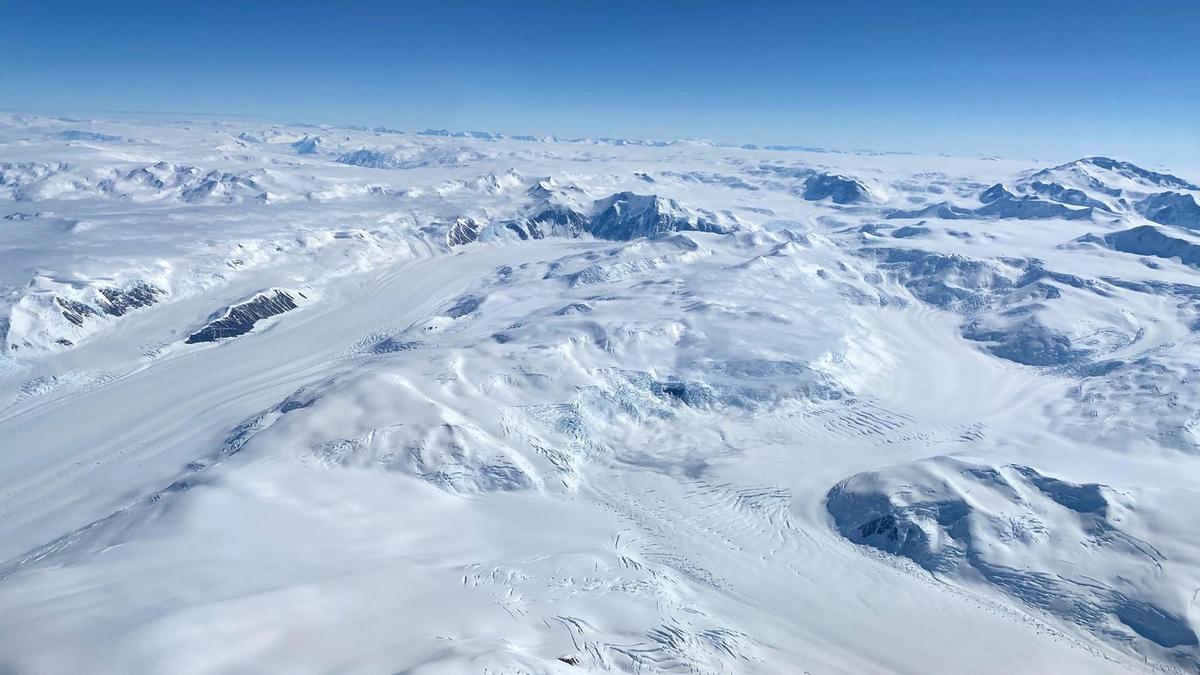
A few years ago, a giant hole opened up in the Antarctic sea ice, capturing attention around the world. Not since the 1970s had such a chasm appeared in the mid-ocean ice of the Weddell Sea.

Scientists showed in previous research that ocean processes and cyclones contributed to the hole, called a polynya. But a recent study has revealed a new piece of the puzzle: atmospheric rivers.

Most polynyas in the Southern Ocean occur along Antarctica’s coast. These temporary ice-free zones are oases for penguins, seals, and other Antarctic wildlife. The Weddell polynya, however, formed much farther from shore.

Though they are just massive holes in the ice, polynyas can affect regional and global climates. Understanding the factors that contribute to their creation—especially of an anomalous open-ocean polynya like the large Weddell polynya—can then lead to more accurate predictions of their behavior in a warming climate, the study says.

In her previous work, lead author Diana Francis, an atmospheric scientist at Khalifa University in the United Arab Emirates, found that cyclones played a role in creating the polynya. However, since these storms are relatively common and don’t always result in such major openings in the ice, she continued to search for another contributor; that’s when she landed on atmospheric rivers.

Read the full story here: https://www.hakaimagazine.com/news/how-rivers-in-the-sky-melted-antarctic-ice/

Khalifa University Researchers Analyzing the Biology of COVID-19 Virus

Research Conducted in Collaboration with SEHA, Dubai Health Authority, University of Sharjah and the UAE University


A joint team of scientists and clinicians from Khalifa University of Science and Technology, UAE University, Abu Dhabi Health Services Company (SEHA), Dubai Health Authority (DHA) and the University of Sharjah are currently working to better understand how the COVID-19 virus spreads and its impact on society, to enable the country’s leaders develop and implement strategies that can reduce the undesirable effects of COVID-19 on the quality of life and the UAE’s economy.


The scientists are working on a range of projects to understand why some humans respond with greater severity than others and how the virus infects its host.


Specifically, researchers within the multidisciplinary team are trying to understand the role of the immune system and whether differences in our ability to respond can explain the variation in disease severity seen in the population.


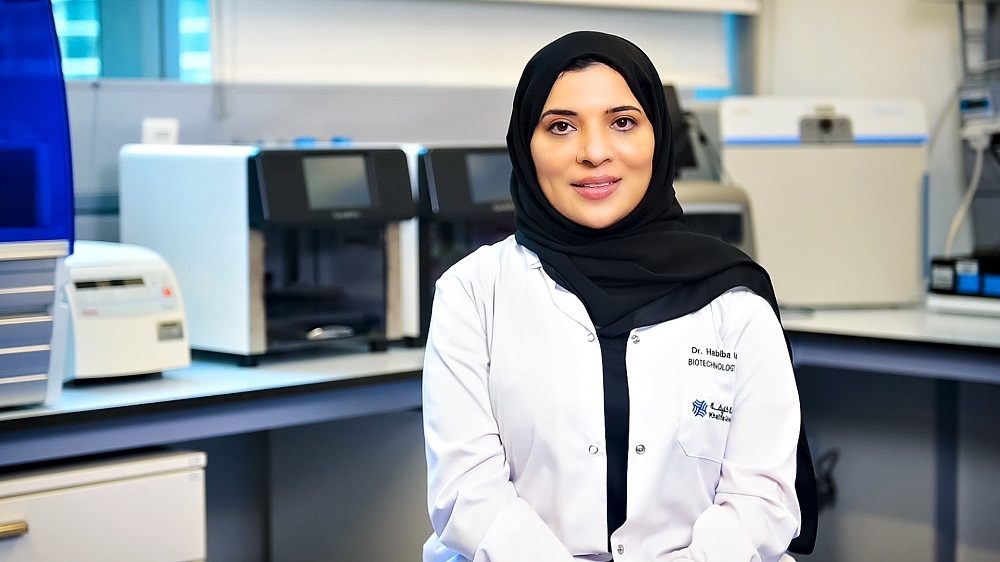
Dr. Habiba Alsafar, Acting Associate Dean for Student Affairs, College of Medicine and Health Sciences, Associate Professor at Department of Genetics and Molecular Biology, and Director of Khalifa University Center for Biotechnology, is part of the team of researchers.


Dr. Alsafar said: “On an average, it takes five-to-six days for symptoms to show and people with mild symptoms can generally take care of themselves at home. However, for patients with underlying health problems, the infection can prove fatal. Our team is trying to establish how other genes and proteins that explain the predisposition of certain patients go completely asymptomatic and those that respond poorly to the infection.”


For this reason, researchers are looking at the RNA from the host patients while trying to identify potential biomarkers to see why some patients become infected but remain asymptomatic and others develop mild or moderate symptoms. Although a number of host factors play a role in progression of the disease, it does so in the context of viruses.


For example, the ACE2 receptor of the host cells binds to the S-protein on the surface of the virus particle, interacting and contributing to the pathophysiology of the disease, necessitating the study of the genomes of both the host and the virus. The global effort to understand the interplay between the host and the virus is likely to advance disease management, vaccine development and identification of targets for therapeutic interventions.


Information obtained from the viral genome can be used to determine how the virus spreads and from where it has originated. It also provides information about the evolving strains circulating in the population, which may be important for initiatives to control and suppress the spread of the virus.


Clarence Michael
English Editor Specialist
25 February 2021

Khalifa University and G42 Healthcare Sign MoU on Research Collaboration

Partners Foresee Multiple Projects for Collaboration to Support the UAE’s Vision, Especially in Precision Medicine and Advancing Research on Genomics and Proteomics


Khalifa University and G42 Healthcare, a subsidiary of the Abu Dhabi-based technology company Group 42, announced they have signed a memorandum of understanding to collaborate in research and academic areas related to the healthcare sector and artificial intelligence.


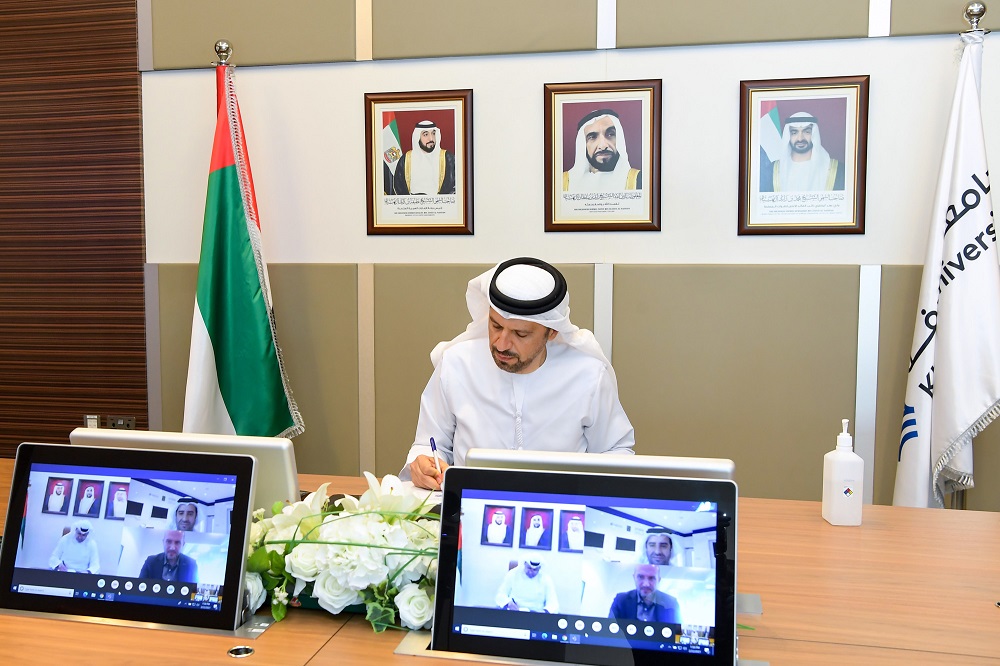
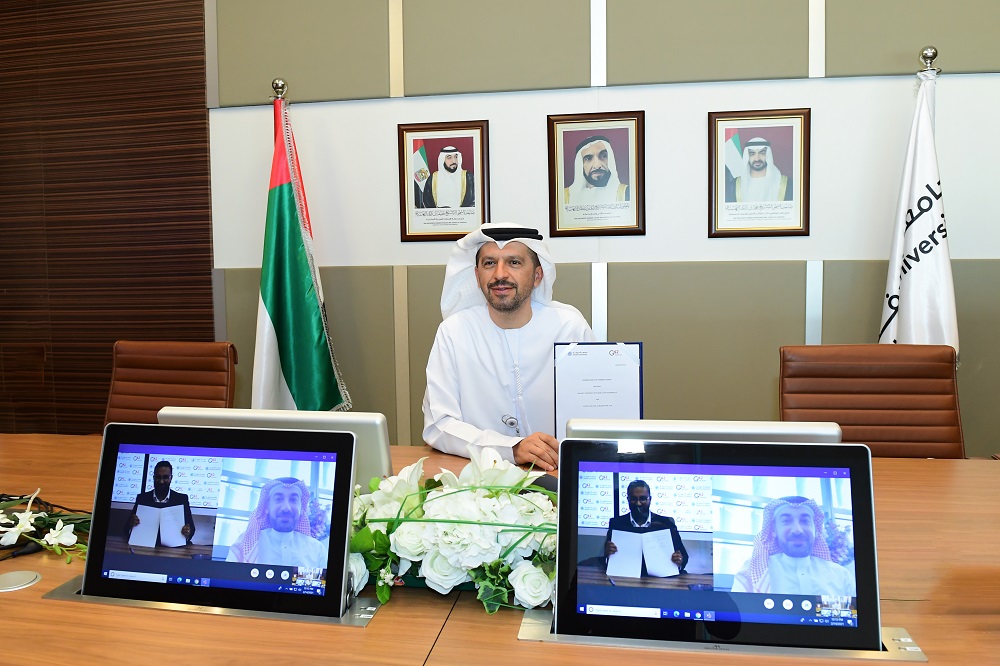
The MoU was signed by Dr. Arif Sultan Al Hammadi, Executive Vice-President, Khalifa University, and Ashish Koshy, CEO, G42 Healthcare, at a virtual ceremony in Abu Dhabi.


According to the MoU, both partners will cooperate on research and the publication of research outcomes by faculty, scientists and researchers, as well as on academic programs. The two will also implement a student exchange program.


Dr. Al Hammadi said: “Khalifa University is delighted to enter into this research collaboration MoU with G42 Healthcare and advance the healthcare vision of the UAE. Our academic and research capabilities are acknowledged widely, as our collaborations expand into various areas including smart healthcare, genomics, bioinformatics, systems biology, diagnostic engineering, and cyber-physical systems, as well as advanced technology. We believe the synergy resulting from our joint activities, especially through our dedicated research centers, will inspire innovation that will benefit the wider community.”


Mr. Ashish Koshy said: “We are extremely pleased to be partnering with Khalifa University, one of the leading academic institutions in the country, on collaborative research, publications, joint academic programs and student exchange programs. During this pandemic, we have all understood and witnessed how strategic collaboration between entities is critical for future proofing the health of our nations.”


Both partners agree that there are multiple projects they can collaborate on, to support the UAE’s vision for the future, especially in introducing precision medicine and working closely with the pharma industry and advancing research on genomics and proteomics.


More recently, G42 Healthcare and the Khalifa University Center for Biotechnology conducted a SARS-CoV-2 genome sequencing study that has identified the genomic source of the COVID-19 pandemic. The study will help determine the spread and evolution patterns of the virus ever since the disease was first recorded in the UAE, while providing additional insights for sustainable screening of the SARS-CoV-2 dynamics and will help the country better prepare for future outbreaks. The entire study is expected to be published soon.


Dr. Habiba Al Safar, Director, Center for Biotechnology, and Associate Professor, Genetics and Molecular Biology, Khalifa University, has already been investigating the nuances of the Emirati genome, following a research published last year describing the sequence of the first complete Emirati genome. She and other researchers have since been investigating the specific genome variants that may point to risk factors for certain diseases and seeking to understand how these genetic variations can help develop more personalized treatment plans.


Dr. Walid Zaher, Chief Research Officer, G42 Healthcare has been leading the viral genome sequencing and Emirati Genome Program, among other projects and commented, “Our collaboration spans an array of research projects that draw upon combined expertise in technology and innovation. The longitudinal viral genome sequencing study assesses the potential emergence of a more virulent subtype and its potential effect on the country’s infection control strategies and will in turn translate into improvements in diagnostic accuracy and sensitivity. Similarly, our Omics Centre of Excellence has analyzed more than 1,000 human genomes on NGS and TGS platforms to create a standard Emirati reference genome which sets the precursor for a wider scale roll out of the program”.


At present, some of the Khalifa University research centers involved in healthcare-related research include the Center for Biotechnology (BTC), Healthcare Engineering Innovation Center (HEIC), Center for Cyber-Physical Systems (C2PS), and the Khalifa University – Korean Advanced Institute of Science and Technology (KU-KAIST) Joint Research Center.


Clarence Michael
English Editor Specialist
22 February 2021

Northrop Grumman Set to Launch 15th Cargo Delivery Mission to the International Space Station

Northrop Grumman Corporation (NYSE: NOC) is set to launch the company’s 15th resupply mission (NG-15) to the International Space Station under NASA’s Commercial Resupply Service-2 contract. The NG-15 mission’s Cygnus spacecraft will launch aboard the company’s Antares rocket with nearly 8,000 pounds of scientific research, supplies, and hardware for the crew aboard the station.

Liftoff of the Antares rocket is scheduled for Feb. 20 at 12:36 p.m. EST from the Mid-Atlantic Regional Spaceport Pad 0A on Wallops Island, at NASA’s Wallops Flight Facility. Live coverage of the Antares launch will be available on NASA Television at http://www.nasa.gov/live.  

Read the full story here: http://spaceref.com/news/viewpr.html?pid=57019 

Khalifa University Research Predicts New Effect for Proving the Existence of Cosmic Strings

A team of researchers from Khalifa University has used the theory of General Relativity to figure out a new way to detect cosmic strings across the universe. The team applied the concept of ‘gravitational lensing’ to a family of pairs of black holes connected by a cosmic string in what is known as a C-metric, and computed the first-ever lensing formula that can be coupled with existing technologies to chart our universe.

Read the full story here: https://www.gulftoday.ae/news/2021/02/17/khalifa-university-research-predicts-new-effect-for-proving-the-existence-of-cosmic-strings 

Meet the KU Team Behind DhabiSat

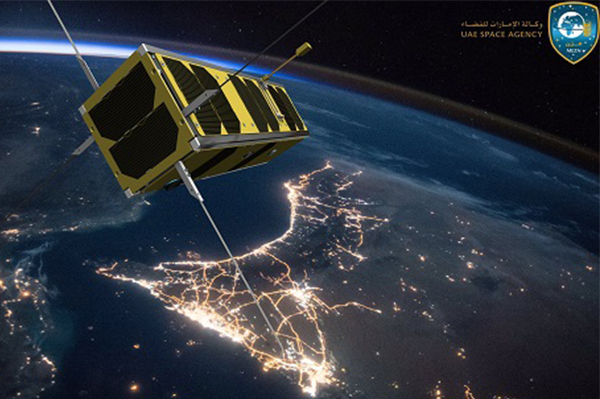
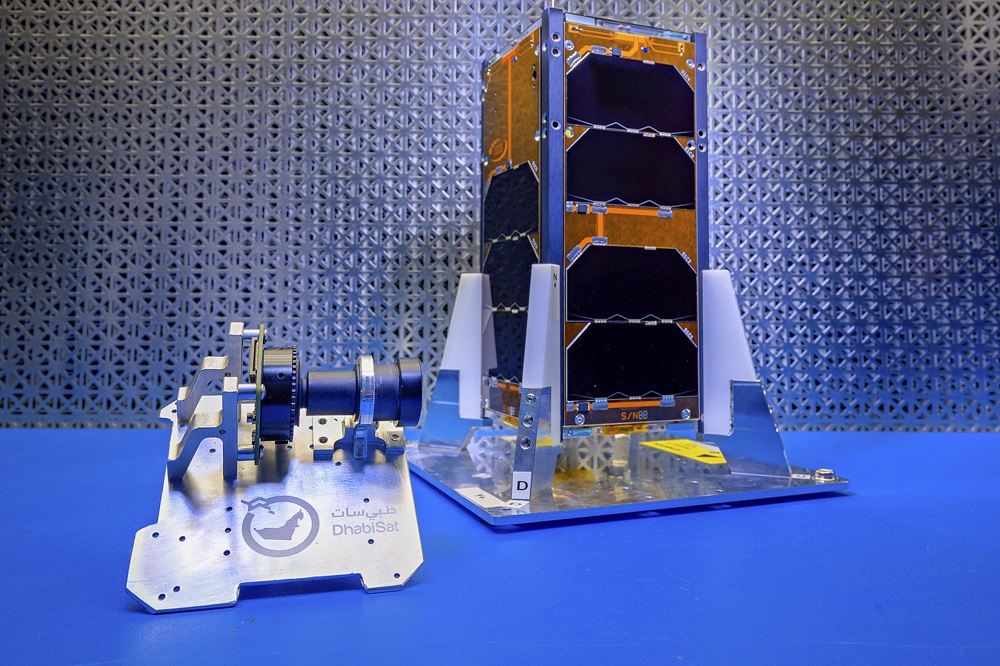
Meet the students, faculty and researchers who are contributing to the DhabiSat mission. DhabiSat is the second mini satellite, or CubeSat, to be developed by a team of KU students. 

Find out who they are and what role they are playing to ensure DhabiSat’s success.

To learn more about the mission and scope of DhabiSat, read this article


Faculty


Dr. Firas Salah Jarrar Acting Manager of Yahsat Space Lab & Assistant Professor of Mechanical Engineering


Students


Ahmed Ali Albuainain MSc Engineering Systems and Management (Space Systems and Technology Concentration) / Member of Communication subsystem team. Also involved in Risk Management and Concept of Operations team.
Aysha Khaled Alharam MSc Electrical and Computer Engineering (Space Systems and Technology Concentration) / Member of Attitude Determination and Control/Payload/On-Board Computer subsystem. Also involved in Concept of Operations team.
Ebrahim Ali Almansoori MSc Engineering Systems and Management (Space Systems and Technology Concentration) / Member of Concept of Operations team.
Aaesha Ahmed Almazrouei MSc Mechanical Engineering (Space Systems and Technology Concentration) / Member of Mechanical subsystem.
Yaqoob Khaled Alqassab MSc Mechanical Engineering (Space Systems and Technology Concentration) / Member of Attitude Determination and Control subsystem.
Muhammad Taha Ansari MSc Mechanical Engineering (Space Systems and Technology Concentration) / Member of Attitude Determination and Control/Mechanical subsystem.
Ahmed Mohamed Bushlaibi MSc Engineering Systems and Management (Space Systems and Technology Concentration) / Member of Electrical Power subsystem.
Abdullah Alansari MSc Mechanical Engineering (Space Systems and Technology Concentration) / Member of the Attitude Determination and Control subsystem.
Ali Andan Al Mahmood MSc Engineering Systems and Management (Space Systems and Technology Concentration) / Member of On-Board Computer/Attitude Determination and Control subsystem. Also involved in Fault, Detection, Isolation and Recovery team.
Aaliya Khan MSc Mechanical Engineering (Space Systems and Technology Concentration) / Member of Mechanical subsystem. Also involved in Project Management team.
Abdullah Almesmari MSc Mechanical Engineering (Space Systems and Technology Concentration) / Member of the Mechanical subsystem.
Adham Alkhaja MSc Mechanical Engineering (Space Systems and Technology Concentration) / Member of the Attitude Determination and Control subsystem.
Ali Alhammadi MSc Mechanical Engineering (Space Systems and Technology Concentration) / Member of the Mechanical subsystem.
Ali Alqaraan MSc Electrical and Computer Engineering (Space Systems and Technology Concentration) / Member of Attitude Determination and Control subsystem.
Alya AlHammadi MSc Electrical and Computer Engineering (Space Systems and Technology Concentration) / Member of Electrical Power subsystem.
Amina AlBalooshi MSc Engineering Systems and Management (Space Systems and Technology Concentration) / Member of On-Board Computer/Attitude Determination and Control subsystem. Also involved in Risk Management and Fault, Detection, Isolation and Recovery team.
Amna Adheem MSc Engineering Systems and Management (Space Systems and Technology Concentration) / Member of Attitude Determination and Control/Payload subsystem.
Ashraf Khater MSc Mechanical Engineering (Space Systems and Technology Concentration) / Member of the Mechanical subsystem.
Fatama Alshehhi MSc Electrical and Computer Engineering (Space Systems and Technology Concentration) / Member of Electrical Power subsystem.
Manal Alshehhi MSc Computing and Information Sciences (Space Systems and Technology Concentration) / Member of On-Board Computer team.
Muneera Al-Shaibah MSc Mechanical Engineering (Space Systems and Technology Concentration) / Member of Mechanical subsystem.
Reem Alali MSc Electrical and Computer Engineering (Space Systems and Technology Concentration) / Member of Electrical Power subsystem.
Safeyya Alshehhi MSc Computing and Information Sciences (Space Systems and Technology Concentration) / Member of On-Board Computer team.
Taryam Al Katheeri MSc Mechanical Engineering (Space Systems and Technology Concentration) / Member of Mechanical subsystem.
Fatima Alketbi MSc Mechanical Engineering (Space Systems and Technology Concentration) / Member of Mechanical subsystem.
Ruqayya Ahmed Yousef MSc Mechanical Engineering (Space Systems and Technology Concentration) / Member of Mechanical subsystem. Also involved in Orbit Analysis team.
Shaima Bahumaish MSc Mechanical Engineering (Space Systems and Technology Concentration) / Member of Attitude Determination and Control subsystem. Also involved in Orbit Analysis team.


Lab Engineers


Vu Thu System Engineer
Panagiotis Dimitropoulos Software Engineer
Basel AlTawil Mechanical Engineer
Hamzeh Issa Communication Engineer

Khalifa University Researchers Share Knowledge at 2021 International Rain Enhancement Forum

At the first virtual International Rain Enhancement Forum (IREF), researchers from Khalifa University shared their innovative methodologies and new insights to enhancing rainfall across the UAE.


Read Arabic story here.


The International Rain Enhancement Forum (IREF) is a global platform that brings together leading international and national experts, researchers, scientists, and stakeholders to tackle pressing water and sustainability issues worldwide.


In the 2021 forum, three Khalifa University researchers shared presentations on their innovative research and advancements in materials and methods applicable to rain enhancement. After the presentations, the researchers were joined by Dr. Steve Griffiths, Senior Vice President of Research and Development at KU, to further discuss their work in a panel discussion.


Topics included the application of nanotechnology for developing novel cloud seeding materials, the study of the effects of electrical charges on cloud droplet formation, algorithms for determining suitable cloud seeding conditions, and the integration of multiple modeling efforts and novel data to create a unified weather forecasting model.


Porous Nanoparticles for Cold Cloud Seeding


Dr. Linda Zou, Professor of Civil Infrastructure and Environmental Engineering, introduced porous nanoparticles and their potential for cold cloud seeding. Cloud seeding is the process where substances are put into clouds to stimulate the formation of rain drops. Natural cold cloud rainfall occurs when ice crystals from clouds high in the atmosphere fall into clouds lower down. The ice crystals act like seeds to start the formation of larger crystals which leads to raindrop formation.


Dr. Zou uses nanotechnology to create materials called ice nucleating particles (INPs), which act in the same way as natural ice crystals, forming supercooled water droplets at temperatures lower than -38° Celsius. Cold cloud seeding works in the area of warm surface temperature, allowing ice nucleation at temperatures around -8° Celsius, making cloud seeding relatively easier.


But cloud seeding isn’t just used for enhancing precipitation; it can also be used to evaporate fog and clouds. If the fog is very cold, adding large quantities of INPs causes the fog to dissipate as all the liquid turns to ice—a useful technique in areas that see a lot of winter fog, such as the UAE. However, for this to work, the fog needs to be very cold, and desert temperatures rarely drop to the required temperature. This is where cloud seeding techniques can be used. Cloud seeding can also suppress the formation of hail as the artificial and natural ice particles compete with each other for the available liquid water, with seeding accelerating the development of raindrops, transforming the clouds from dangerous to benign.


Dr. Zou applies nanotechnology to conventional cloud seeding materials, engineering particles with optimal properties to ensure the maximum amount of ice nucleation. Reduced graphene oxide serves as the template for ice crystal growth due to a similar hexagonal lattice structure while the addition of silicon oxide nanoparticles enhances the overall water molecule adsorption capabilities of the composite particle.


The silicon oxide nanoparticles create pores in the final product and play an essential role in ice nucleation as liquid water collects in the pores. Dr. Zou’s experiments showed that the particles caused ice nucleation in temperatures of around -8° Celsius, with these results indicating how cold cloud seeding can be used in actual operations, including hailstorm suppression and fog reduction.


Accurately Modeling the Weather


Following this presentation on rainfall generation using porous nanoparticles, Dr. Diana Francis, Senior Scientist and Environmental and Geophysical Sciences (ENGEOS) Lab Head, covered her lab’s efforts to develop a unified multi-component atmospheric model for rain enhancement applications in the UAE. While the UAE is known for being hot and dry, rain does fall during the winter months. However, perhaps surprisingly, the UAE also possesses unique weather systems that can develop during the summer months, occasionally providing water to rain-starved areas and relief from the excessive heat. These systems are known as mesoscale convective systems (MCS) and Dr. Francis wants to be able to predict them.


Numerical models are a powerful tool to improve our understanding of the processes in the atmosphere and help predict weather patterns and their impact. Dr. Francis’ team has been assessing and validating the components of their unified model with two investigations on dust and climate and summertime rainfall.


An MCS is a cluster of storms that moves as a single system and for one to develop in a hyper arid environment like the UAE, a combination of factors ranging from local to regional scale is needed, including a steep temperature gradient on the ground between the land and the surrounding seas. If cold air from the sea meets hot air from the desert, there is potential for an MCS to form. Dr. Francis found that MCS formation and its impacts on the atmospheric state are not accounted for in many simulations of weather over the UAE, notably underestimating the observed cloud cover. This has important implications for the use of the current state-of-the-art models for climate projects in arid regions. It is therefore important to develop comprehensive numerical models and assess their capability in accurately representing the regional environment.


Dust emissions from the Arabian Peninsula also play a critical role in the weather over the UAE. Dust cover induces a significant net warming effect at the surface and in the atmosphere during the night, modifying the atmosphere at lower levels. Dr. Francis explained that dust needs to be considered when predicting, designing, and conducting cloud-seeding operations in the UAE because of the impact on circulation and the development of clouds. The role dust plays in the climate system of the Arabian Peninsula needs to be considered in weather forecast systems to achieve improved accuracy.


As desert regions are expected to expand in the future and are sensitive to climate change, regional models need to be further developed to better represent the UAE environment and the atmospheric processes and interactions. Discrepancies in any model may result in inefficient cloud-seeding operations, highlighting the need for accurate models and forecasting systems, particularly as summertime clouds offer the best chances for cloud seeding.


Convection over the UAE and Implications for Cloud Seeding Operations


Part of developing an effective model is understanding the processes involved. Postdoctoral Fellow Dr. Ricardo Fonseca detailed how convection over the UAE happens and its implications for cloud-seeding operations. The vast majority of precipitation occurs between December and March but rainfall at isolated spots in the summer season is not uncommon, with accurate model forecasts crucial for any intended cloud seeding operations to take advantage of this cloud formation. Dr. Fonseca explained that two atmospheric features play an important role in triggering summertime convection in the UAE: The Arabian Heat Low (AHL) and Intertropical Discontinuity (ITD). The AHL is a weather system that develops inland as a result of strong surface heating by the sun while the ITD is the boundary between the hot and dry winds from the desert and the cooler and moister winds from the Arabian Sea. Using a rainfall event that occurred in 2017 over the Al Hajar mountains to the east of the UAE, Dr. Fonseca used various models to simulate the event. The results indicate that, of the models tested, the Weather Research and Forecasting (WRF) Model does a reasonable job of simulating the convective event over the Al Hajar mountains in September 2017, despite certain deficiencies in the model. Dr. Fonseca suggests that WRF predictions can be used for guidance into cloud seeding activities in the UAE and any modeling work needs to consider the important circulation features in the atmosphere over the Arabian Peninsula in the summer.


The KU panelists emphasized the important role research into rain enhancement innovations, including cloud seeding technologies and accurate weather modeling systems, will have on the UAE’s future water and food security goals, and revealed the critical work underway at Khalifa University aimed at turning this research into practical applications.


Jade Sterling
Science Writer
17 February 2021

 

Holographic Food Could Soon Hit Shelves as Khalifa University Researcher Develops Method to Decorate Foods


Holograms on food could be used to reduce packaging needs or share information about the food item.


A team of researchers, including Khalifa University’s Dr. Haider Butt, have developed a way to print edible holograms onto food using lasers and corn syrup. Their work was published in American Chemical Society Nano and funded by Khalifa University, Sandooq Al Watan, Aldar Properties and the Engineering and Physical Sciences Research Council.


Shiny and beautiful, holographic chocolate is a common sight among chocolatiers wanting to make an impact. But beyond aesthetics, holograms on food—specifically, edible holograms—could be used to reduce packaging needs, for example, as information about nutritional content or labels could be printed directly onto the food item.


Most holograms are imprinted onto metal surfaces with lasers to give the metal that shiny rainbow effect, but the volume of metal required for food would render the food inedible. Holographic chocolate works by molding edible holograms onto the surface of the chocolate, imprinting patterns that cause light to diffract into the classic rainbow pattern. However, this process only works for certain types of chocolate, with the researchers wanting to find a safe, fast, and versatile way to print edible holograms on all kinds of foods.


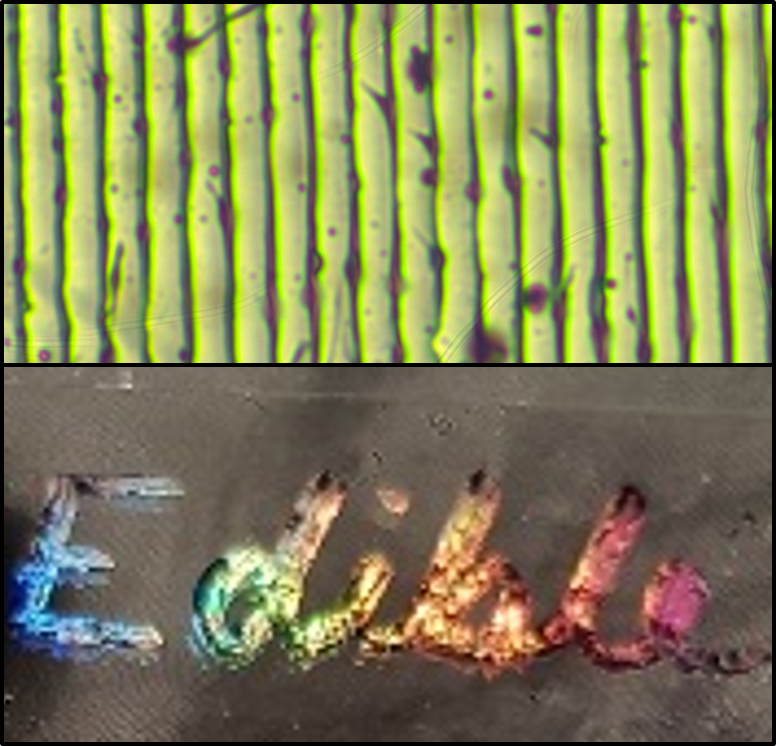
The researchers developed a method involving a thin film of dried corn syrup, vanilla, and water, which they then coated with a layer of black dye. Most of this black dye was etched off using lasers, leaving behind raised lines of the black dye on the film. When struck by light, these lines diffracted the light into the rainbow pattern, with different colors appearing at different angles. The team found they could control the intensity and range of colors by varying the pattern etched into the dye or by changing the sugar content of the corn syrup film.


The research team will now adapt the method to a food-grade dye that could replace the black dye used in these experiments so that holographic food can become a staple on the shelves.


Jade Sterling
Science Writer
17 February 2021

Khalifa University Working with Italy Pavilion at Expo 2020 Dubai to Promote International Scientific Cooperation

MoU Signed in Abu Dhabi to Focus on Promotion of Partnership with Italian Universities, Research Centers, Companies and Start-Ups  


Khalifa University and the Commissioner General’s Office for Italy’s participation in Expo 2020 Dubai today announced they have signed a memorandum of understanding (MoU) with a view to setting up joint initiatives during the six-month period when the Universal Exposition will be taking place from 1 October 2021 to 31 March 2022.
 

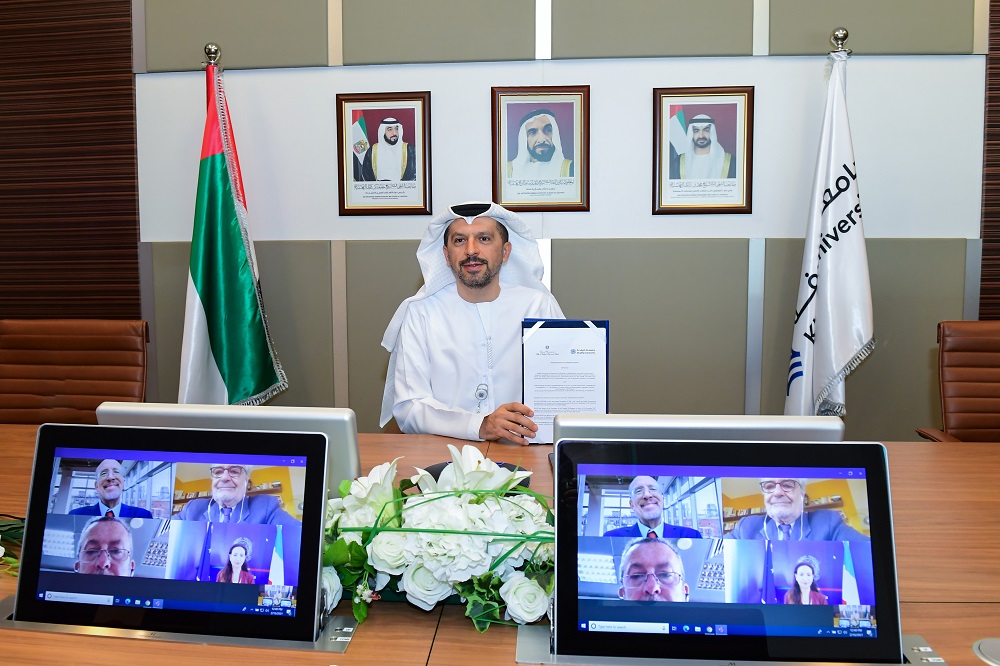
The MoU was signed by Dr. Arif Sultan Al Hammadi, Executive Vice-President, Khalifa University, Paolo Glisenti, Commissioner-General for Italy’s participation in Expo 2020 Dubai, at a ceremony in Abu Dhabi.


Dr. Al Hammadi said: “We are delighted to sign this MoU with the Commissioner General’s Office for Italy’s participation in Expo 2020 on collaboration activities for Expo 2020 Dubai. As a world-class research-intensive academic institution, Khalifa University’s research strengths in strategic economic sectors are widely acknowledged globally, and this MoU will further strengthen our resolve to reach out to more stakeholders in Italy and Europe for educational, research, and industrial collaboration.”


“Khalifa University is already collaborating with Italian universities, research centers and companies and we believe this MoU will help further consolidate our status as the most preferred academic institution for expertise in advanced technologies, while highlighting the UAE’s profile as a knowledge-economy that welcomes innovation in emerging areas of science,” Dr. Al Hammadi added.


Commissioner Glisenti said: “The partnership with Khalifa University opens a fundamental channel of Scientific Diplomacy between Italy and the UAE and sets the conditions for making Expo 2020 Dubai a milestone in the collaborative international model of innovation, which will guide and inspire the course of history after the pandemic.”


Under the agreement, the partners commit themselves to scientific and cultural collaboration and plan joint activities, initiatives and projects during Expo 2020 Dubai.


Khalifa University and the Commissioner General’s Office for Italy’s participation in Expo 2020 Dubai will promote exchange of know-how between the countries of the expanded Mediterranean and the MENA (Middle East and North Africa) region, and in particular in the UAE, with scholarships, internships, exchange and cooperation programs between students, teachers, researchers and other support systems.


The MoU also focuses on the development of new business models and the training of new skills and themes of Expo Dubai before and during the six-month period of the Universal Exhibition.


The partners will collaborate to implement initiatives and partnerships between the network of Italian universities, research centers, companies and start-ups that participate in Expo 2020 Dubai with the Italian Pavilion and Khalifa University in strategic sectors of common interest including aerospace, biomedical, health, life science, materials science, human and social sciences, creative burns, sustainable energy, protection of biodiversity and the environment, nanosciences and biotechnologies, as well as information technologies.


Khalifa University is already collaborating with several Italian partners including the University of Salerno, Scuola Superiore Sant’Anna, University of Milan, and the Ca’ Foscari University of  Venice, as well as the Ambienthesis Group.


Staff Report
17 February 2021