
EBTIC’s SPL Team Wins Two Artificial Intelligence and Machine Learning Awards in UK

EBTIC and BT Team Win International Awards Based on Innovation, Relevance and Evidence of Success, for their SPL Solution and Trial  


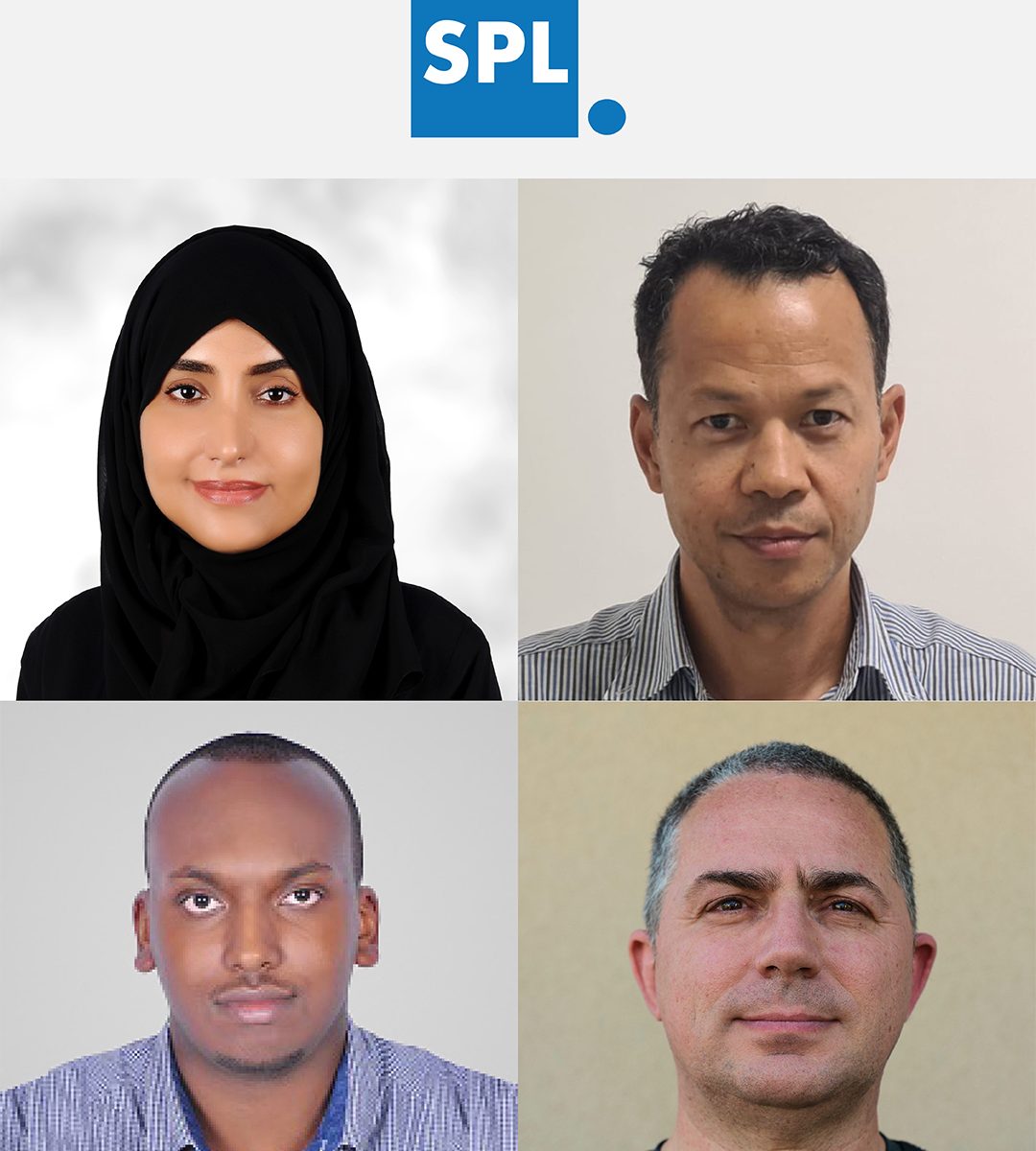
The SPL team led by Salwa Alzahmi, a senior researcher at KU’s Emirates ICT Innovation Center (EBTIC), has won two awards in two categories at the prestigious 2021 Artificial Intelligence (AI) and Machine Learning Awards in the UK. 


EBTIC is a research and innovation center focused on driving research and innovation in intelligent systems and applications founded by Khalifa University, Etisalat and BT (British Telecom), and supported by the Telecommunication and Digital Government Authority’s (TDRA) ICT Fund. It is based at the Khalifa University campus in Abu Dhabi. 


The Computing magazine’s AI and Machine Learning Awards recognise the best companies, individuals, and projects in artificial intelligence. The judging process covers several industry segments such as security, ethics, data analysis, and innovation, while showcasing the movers and shakers including the technology heroes and projects that deserve industry-wide praise. 


The awards won by EBTIC’s SPL were in the categories of Best Cloud Automation Tool and Best Use of Automation. An elite panel of 12 judges selected the SPL entries as winners based on the evidence of three factors – innovation, relevance, and achieved success. More specifically, the Best Cloud Automation Tool award was given to EBTIC and BT for the tool’s innovative and fully featured automation solution that is designed to ease the burden of application migration to the Cloud. In their citation, the judges mentioned that the SPL Tool ‘has the opportunity to hugely reduce code complexity, thus improving security and reducing the cost of cloud migration’. 


In the Best Use of Automation award category, the SPL tool was highly recommended for the automation of migrating legacy software systems to cloud-native architecture using artificial intelligence, hence, addressing the challenges of complexity and high associated costs. The judges’ citation mentioned that the SPL team is highly recommended for this category for its ‘SPL project that has a strong topical story and told it well’. 


Dr. Nawaf I. Almoosa, Acting Director, Head of Smart Infrastructure Research, EBTIC, and Associate Professor, Electrical Engineering and Computer Science, Khalifa University, said: “Achieving this success in the 2021 Artificial Intelligence and Machine Learning Awards across two categories strongly indicates the extent of cutting-edge technological innovation being produced by the EBTIC’s SPL team productive partnership with BT to accurately target the future requirements of the industry in these areas. Our team members have demonstrated their talent in another prestigious international competition, and we hope to continue exploring innovation through working on new projects in AI and ML-related areas.”


SPL is a platform developed at EBTIC and uses intelligent methods to simplify and streamline software governance, development, and migration to the Cloud. The technology is currently undergoing commercialisation as a start-up in collaboration with Khalifa Innovation Center (KIC). Salwa Alzahmi, an Emirati researcher and tech entrepreneur, is leading the SPL platform development and commercialization, and has been instrumental in driving the technology, its commercialisation and the collaboration with BT Applied Research to evaluate the tool’s business value. As part of the drive for commercialisation, Alzahmi has set up a UAE-based tech start-up in the Khalifa Innovation Center – KIC khalifainnovation.ac.ae that is registered at Abu Dhabi Global Market. The EBTIC-SPL research team also includes Ahmed Suliman, Corrado Mio and Sid Shakya.


At the Computing AI and Machine Learning Awards 2021 in London, one of the UK’s leading business technology information resource, EBTICs SPL won awards for “Best Cloud or Networking Automation Tool” and was highly commended in the category of “Best Use of Automation”


The judges commented that SPL, in winning the “Best Cloud or Networking Automation Tool” category “has the opportunity to hugely reduce code complexity, thus improving security and reducing the cost of cloud migration.”


Alzahmi, Senior Research at EBTIC who leads the SPL team, said “I’m so proud of my team to be recognised in such a fantastic way. It is testament to all the hard work that has been put in to make the SPL tool such a compelling solution.”


Dr. Nawaf Almoosa, Acting Director of EBTIC, said: “EBTIC has a history of innovating practical AI solutions and have been a leader in intellectual property generation in UAE for the past 10 years. These awards are a further testament to EBTIC’s expertise of applying AI techniques to the operations of its partner organizations, and to their effort to promote Intelligent Systems research in the UAE and the region. We are immensely proud for the SPL team to be winning such prestigious awards, and we have high hopes for the future of SPL. I’d like to thank the SPL Team: Salwa Alzahmi, Corrado Mio, Ahmad Suliman, and Sid Shakya for this great achievement.”


Computing’s AI & Machine Learning Awards recognise the best companies, individuals, and projects in the AI space today. The judging process covers every corner of the industry: security, ethics, data analysis, innovation and more, as well as showcasing the movers and shakers: the technology heroes and projects that deserve industry-wide praise. With judges from prestigious organisations, such as Expedia Group, Network Rail, MET Office, London Stock Exchange and Computing itself, the winning of these awards proves that SPL demonstrates an outstanding, innovative approach in the field of AI.


EBTIC spun-out SPL.Co Ltd as a start-up in its own right, incorporated in 2019 and registered at Abu Dhabi Global Market. It came about following the success of SPL as a research project in 2015. SPL.Co provides corporations with an intelligent software modernization solution to accelerate and reduce the high costs associated with upgrading software systems into a cloud infrastructure.


EBTIC has a very successful history with Computing awards. In 2019, EBTIC’s spares optimization project Inuitu, won two awards for ‘Outstanding AI/Machine Learning Project’ and ‘Most Innovative use of AI/Machine Learning’.


EBTIC has produced more than 500 scientific publications, developed more than 75 inventions, resulting in 60 granted patents, with more pending, and has trained more than 350 students,  and 250 professionals. It has also organized 10 international technical workshops and developed numerous technologies and worked on many projects in collaboration with its partners and stakeholders.


Cloud Automation Tool

Best Use of Automation Award


Clarence Michael
English Editor Specialist
10 August 2021
Khalifa University and ADNOC to Organize Program to Educate High School Students on the UAE’s Oil and Gas Sector

Ro’ya Program will Raise Awareness among Students about Taking Up Petroleum Engineering-Related Majors and Potential Careers in Oil and Gas  


Khalifa University and the Abu Dhabi National Oil Company (ADNOC) have announced the launch of a two-year Ro’ya program for high school students to educate them on the UAE’s oil and gas sector. The program that aims to raise awareness among the students about undertaking Petroleum Engineering-related academic majors and potential careers in the oil and gas sector, kicked off this summer. 


The Ro’ya initiative underpins ADNOC’s corporate social responsibility efforts to invest in the education and development of the UAE’s students and enable them to contribute to the nation’s long-term economic growth. It also reflects the status of Khalifa University’s Petroleum Engineering Department, which is ranked 21st globally in the 2021 QS (Quacquarelli Symonds) World University Rankings by Subject.


Dr. Ahmed Al Shoaibi, Senior Vice-President, Academic and Student Services, Khalifa University, said: “We are glad to partner with ADNOC for the Ro’ya summer program that is designed to provide students with the right perspectives as they look forward to planning and choosing their future academic course. Khalifa University’s Petroleum Engineering program is ranked 24th globally, demonstrating the world-class quality of our faculty, cutting-edge laboratories, research centers, and state-of-the-art campus facilities that create the most advanced learning environment. We believe through the Ro’ya summer program, high school students will be able to dream their future and adopt the right approach that will help them materialize their vision.” 


Ghannam AlMazrouei, ADNOC Director, Group Human Capital Directorate, said: “ADNOC is committed to supporting the development of the next generation of skilled workforce across the UAE’s oil and gas value chain and so we are pleased to partner with Khalifa University on the Ro’ya program. The program will provide our students with unique insights into the latest technologies, processes, and expertise used in the industry and highlight the exciting opportunities that our dynamic sector offers to young talent. We will continue to invest in STEM-related educational programs and initiatives to empower and foster our youth and help them build successful careers, in line with the UAE Centennial 2071 vision.” 


The program will have two parts. The initial segment ran virtually from 11 July – 5 August 2021 and combined practical hands-on training, laboratory work, interactions with professional organizations, and project assignments related to the oil and gas industry, all virtually. In the second segment, Grade 11 students will have a one-week internship at Khalifa University that will include workshops and project presentations from December to January 2022, which will lead to another three-week program the following summer. Khalifa University faculty who are leading the program will remain in touch with the students over the entire period and support their projects.


The Outreach Department’s program for high school students from ADNOC Technical Institutes will involve Khalifa University’s Geoscience and Petroleum Engineering departments.


The first week of the initial segment of the program included virtual tours of ADNOC’s Panorama Digital Command Center and Thamama Center of Excellence, and presentations on geology from relative to absolute dating, as well as palaeontology, stratigraphy, correlation techniques, and isotopes. The week also covered scales in geology from small to large, microscopy, fieldwork, seismic reflection geophysics, and reservoir characterization. Participants learnt about the geology of the Middle East and worked together to build a geologic model of a field. 


The second week introduced students to oilfield services company Schlumberger, with tours of its Al Shamkhah Technical Learning Center in Abu Dhabi. The week also included visits to Khalifa University’s Reservoir Rock Properties Lab, Reservoir Fluids Properties Lab, Well Drilling and Drilling Fluids Lab, and the Petroleum Reservoir Simulation Lab. 


In the final week, participants received presentations from professional organizations such as the Society of Petroleum Engineers (SPE), and Society of Exploration Geophysicists (SEG). Interactions with the alumni and current Khalifa University students were also part of the agenda during the week. Other events included sessions on ‘Lead with Ro’ya’ and a workshop on webpage development, as well as a visual interactive platform for exploration and production in the oil and gas industry.


Clarence Michael
English Editor Specialist
9 August 2021

Technology Innovation Institute and Khalifa University Join Forces to Design, Develop Secure Flight Computer System


Research partners seek to deliver reliability, security to flight computer system applications 


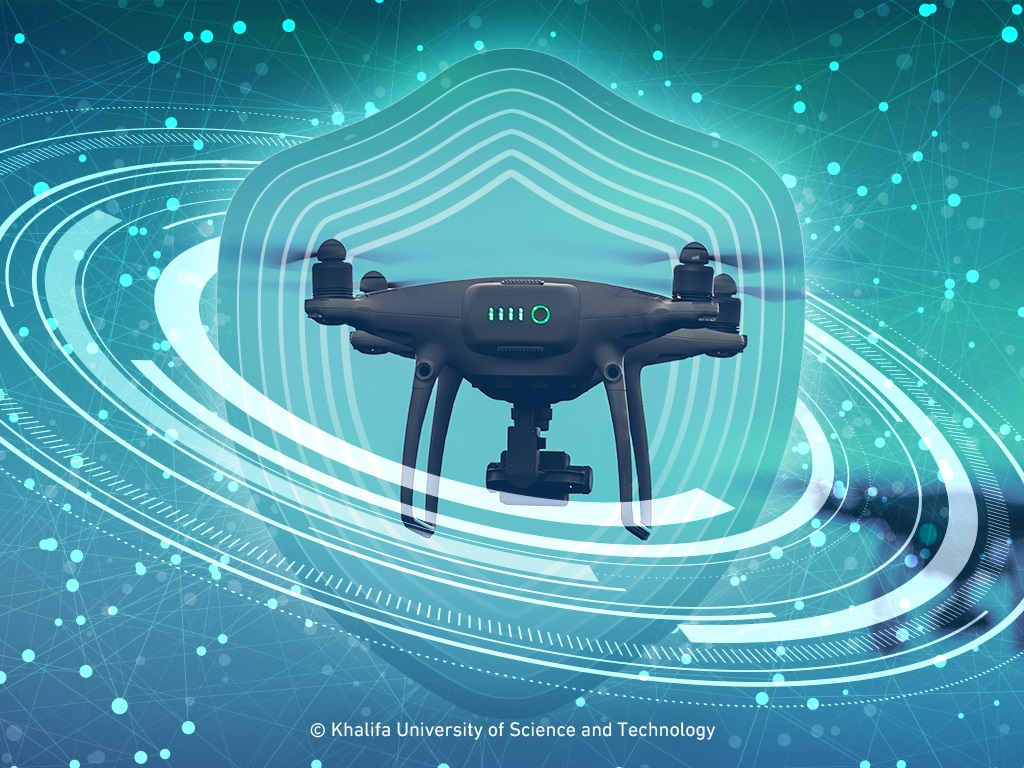
Unmanned aerial vehicles (UAVs), commonly known as drones, have multiple potential uses. To optimize their operability and efficiency, they need to be protected from hackers and must also expend minimal energy to extend their flight time. A variety of internal components tell the drone where to go, how to orient itself and how to avoid danger. However, some of these factors may be exploited to wrest control of the drone from its rightful operator.


In collaboration with the Technology Innovation Institute (TII), the applied research pillar of Abu Dhabi’s Advanced Technology Research Council (ATRC) and international partners from universities across Italy, Canada and the US, researchers at Khalifa University, led by Dr. Baker Mohammad, Professor and Director of the KU System-on-Chip Lab (SoCL), are creating a secure flight computer system to prevent external parties from attacking and taking control of drones.


The KU team, comprising Dr. Mohammad, Dr. Hani Saleh, Associate Professor, Dr. Mahmoud Al Qutayri, Professor, and Dr. Dima Kilani, are developing a system-on-chip hardware for drone flight computer applications to optimize security, resilience, power efficiency and real-time performance. In addition, their design will showcase innovative in-processor and platform design to ensure the power- and area-efficiency of the solution for use on standard and micro drones.


The team is basing its hardware on established reduced instruction set computing (RISC) architecture. This means their system will use a small, highly optimized set of instructions rather than the more specialized set often found in other types of computer architecture. Based on open source RISC-V, this architecture allows the research team to achieve at least 10 times greater efficiency and performance when compared to existing commercial systems.


Once the computer architecture is developed, the team plans to scale it down to serve heavily power-constrained applications such as flight computers for nano drones.


A smaller device will further mitigate the cost and integration issues often seen in large power-hungry and expensive systems. Owing to its enhanced computing capabilities, this device will also enable drones to tackle the most demanding advanced flight control tasks and connectivity management functions, such as drone-to-drone and drone-to-cloud communication.


“A key objective of the project is to co-design software and hardware to achieve a strong Trusted Computing Base (TCB) for the flight controller and drone connectivity platform,” Dr. Mohammad said. “The TCB is designed to ensure that the hardware and software components work together to provide security guarantees. Our approach to the design will be based on the Kerckhoffs’ principle, which states that the TCB of a security system should be publicly known and transparent except with regard to the cryptographic keys. Therefore, even if an attacker knows everything about the operation of the TCB, they still cannot break the system unless they are familiar with the keys.”


Once these parameters are assured, the designed computer architecture can deliver security and reliability in real-time while addressing the power efficiency requirements.  


The project also has the ambitious goal of exploring the combination of security and safety features to ensure a truly reliable and flexible flight control platform for unmanned aerial vehicles well capable of withstanding intentional attacks as well as unintentional faults emerging from a harsh operating environment. This is one of many projects currently underway as part of the multi-year collaboration between KU and TII and is set to pave the way for future synergies.


Speaking on the collaboration, Dr. Shreekant Thakkar, Chief Researcher at TII’s SSRC, said, “SSRC is focused on developing and applying innovative security technologies to protect potentially vulnerable systems in our increasingly connected world, where cyber threat levels continue to surge every day. Through our collaboration with our international partners, we target one order of magnitude improvements in performance and efficiency with respect to current flight computer systems. In the context of commercial solutions, we hope to deliver the reliability and security requirements flight computer system applications urgently need today.”


Jade Sterling
Science Writer
9 August 2021

Research on Sustainable Refrigeration System Nabs 2nd Place Win at the 8th Undergraduate Research Competition

The Undergraduate Research Competition (URC) is one of the largest competitions in the GCC that promotes scientific research among undergraduate students and supports the UAE government’s initiative of fostering innovation and empowering the youth to prepare them for the future. This is the eighth year of the competition and the research event has attracted creative minds not only from the GCC but in other countries as well such as Indonesia, Malaysia, Malta, and Morocco.


Around 315 original research papers were presented from 87 major universities in different disciplines, including engineering, natural and health sciences, business administration, education and law, and arts and social sciences.


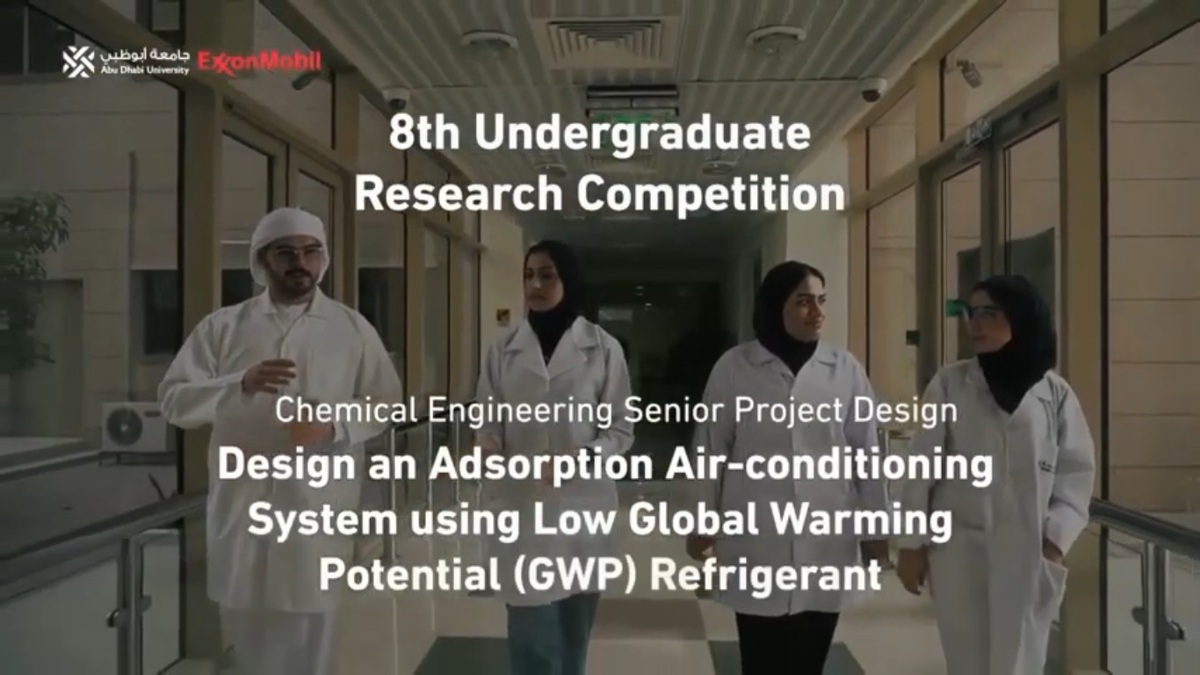
The Chemical Engineering senior project of Khalifa University students Muna Al Jasmi, Anfal Abloushi, Shamma Thani, Reem Saeed Salem, and Ali Ahmed Algallaf, supervised by Prof. Lourdes Vega and Dr. Daniel Bahamon, won second place in the Chemical and Petroleum Engineering Category of the competition, with the project titled “Design of an Adsorption Air-Conditioning System Using Low Global Warming Potential (GWP) Refrigerants.”


“This system is the first of its kind in the region and considered as one of the most promising technologies because of its advanced features as it does not depend on the electric energy generated from fossil fuels. It can work using electricity from renewable sources and a great alternative from an economical as well as environmental point of view,” Muna said. She explained that the system uses water as the refrigerant that provides powerful cooling while at the same time offers a sleek design that incorporates simple construction, easy control, quiet operation with no vibration, and low maintenance.


Cooling systems are an essential technology in our life, especially in arid and semi-arid regions, like the UAE.


“Current air-conditioning and refrigeration systems are energy-intensive, consuming around 17 percent of the global electricity production and more than 60 percent in the Emirates, representing a major impact on global warming and climate change. Moreover, the primary refrigerants used today have a high global warming potential (GWP), being thousands of times more potent greenhouse gases than carbon dioxide. Hence, active work is needed to replace them with low GWP refrigerants and to find more efficient cooling equipment. In their research project, our group of students proposed and designed an adsorption refrigeration system as an alternative to the compression system using water as the refrigerant, a silica-gel as the adsorbent, and a solar collector to provide the heat source to operate the system, a creative system with much lower impact into the environment than the ones currently used, representing a step forward on solving this very important environmental issue,” Dr. Vega said. 


“Obtaining second place in such a strong competition is a well-deserved recognition of their hard and innovative work and we are so proud of them!” she added.


The design the team came up with can be used here in the UAE and in other countries with similar weather conditions. 


“This project gave us an opportunity to apply the chemical engineering knowledge we gained during our academic journey to find and implement a solution to a major climate dilemma. We expect that in the near future, these novel technologies will change the whole scenario of sustainability, and will position the UAE to become a pioneer in the field of the new green economy globally,” Muna added.


Dr. Fawzi Banat, Professor and Chair of the Chemical Engineering Department, commented, “In the Shanghai Global Ranking of Academic Subjects 2021, which is dedicated to academic institutions for teaching and research, the Department of Chemical Engineering is ranked among the top 76-100. To achieve this ranking, the department achieved high scores on all of the analyzed indicators, which include articles indexed in Web of Science, the total number of citations, citations per article, articles published in the top 25% of scientific journals, and international interaction developed through collaborations with foreign institutions.”


“The department is dedicated to research and teaching excellence and currently offers doctoral, master’s, and bachelor’s degrees,” Dr. Banat added. 


The UAE actively supports a knowledge-based economy transformation, and events such as the URC encourages students to be more involved in accelerating the research needed to drive innovation in the country.


Ara Maj Cruz
Creative Writer
5 August 2021

World’s first solar/thermal energy storage-powered project to extract water from air at Masdar City

The world’s first project to produce commercial volumes of an uninterrupted water supply from a sustainable source will launch this month in Masdar City in Abu Dhabi.


The innovative pilot project will be run by US-based water technologies company, AQUOVUM, in partnership with Masdar and Khalifa University of Science and Technology, as part of a three-party research and development agreement, according to a joint press release issued on Sunday.


The project, which is beginning this month, will evaluate the performance of AQUOVUM’s large format Atmospheric Water Generation (AWG) technology in combination with a renewable energy source, and its ability to be included in current and/or future sustainable water projects.


The AWG technology, which extracts water from the atmosphere using a renewable energy source, is another promising addition to the innovative sustainability-focused projects being run in Abu Dhabi’s R&D hub, Masdar City.


The carbon-free technology will create access to clean water, a fundamental necessity in building a greener future, while contributing to the United Nations Sustainable Development Goal (UNSDG 6) of ensuring the availability and sustainable management of water and sanitation for all.


Read the full article here: https://www.wam.ae/en/details/1395302956753 

Khalifa University Top in UAE in 2021 Times Higher Education Arab Universities Ranking

New Ranking Indicates Emphasis on Locally and Globally-Relevant Research, World-Class Faculty Experts and Quality Education  


Khalifa University has announced that it is top-ranked in the UAE and has remained among the top 10 out of 125 Arab institutions in the 2021 Times Higher Education (THE) Arab Universities Ranking that was announced at the THE Arab Universities Forum.


Khalifa University ranked sixth overall in the THE list that assessed universities from 14 Arab countries. The ranking is THE’s most comprehensive assessment of higher education in the Arab region to date.


The methodology behind the Arab ranking is based on the same framework as the global table, but some adjustments have been made and some new metrics have been included to reflect the features and missions of universities in the Arab region. There are regional measures on reputation and collaboration as well as metrics related to social impact.


The performance indicators are grouped into five areas: Teaching (the learning environment); Research (volume, income and reputation); Citations (research influence); International outlook (staff, students and research); and Industry income (knowledge transfer).


Dr. Arif Sultan Al Hammadi, Executive Vice-President, Khalifa University of Science and Technology, said: “Our ranking in the latest 2021 Times Higher Education (THE) Arab Universities listings rankings once again establishes the emphasis we place on locally and globally-relevant research, world-class faculty experts and our quality of education. We believe this ranking will encourage us further to seek even greater heights in the future.”


THE University Ranking Forum: Arab University Rankings 2021 also featured the launch of the inaugural THE Arab University Rankings. Leaders and managers from institutions across the Arab World convened for the one-day forum to reconsider performance and to examine how measuring university impact can provide a framework for building and enhancing reputation.


Clarence Michael
English Editor Specialist
27 July 2021

Researchers at Khalifa University’s ENGEOS Lab Use Remote Sensing and Machine Learning to Find Potential Unexplored Archeological Sites in UAE

Saruq Al-Hadid Archaeological Site in Dubai Selected for First Study by ENGEOS Researchers to Apply Newly Developed Novel Method


Khalifa University has announced that researchers at its Environmental and Geophysical Sciences (ENGEOS) Lab have used satellite remote sensing observations to detect buried objects in already known archaeological sites and to identify potentially unexplored archaeological sites in the UAE by applying machine learning techniques to satellite data.


The novel method, which combines satellite data and machine learning, was developed at Khalifa University and can be applied to similar desert environments in the UAE and elsewhere. With this technology, the researchers were able to find a new potential area, unexplored yet by classic methods. This area is buried under the ground and is located on the opposite side of the current excavations.


Currently, the ENGEOS Lab at Khalifa University is investigating another archaeological site near Al Ain in the UAE.


Results from the ENGEOS research project led by Dr. Diana Francis, head of ENGEOS Lab, show that radar imaging allows direct detection and characterization of known as well as potentially novel buried archaeological sites. Researchers use satellite-borne Synthetic Aperture Radar (SAR) at very high resolution that can detect features of the size of one meter that might be buried in the subsurface (less than two meters) under optimum conditions, that is, dry and bare soils such as the soil at Saruq Al Hadid site. Moreover, remotely sensed data are well-suited for supporting regional archaeology, as well as tracking of environmental factors that influence archaeology.


Based on the machine learning techniques and deep learning analyses conducted during this work, the ENGEOS Lab was able to find potential areas for further on-site investigation. The unsupervised artificial intelligence developed during this project was partially validated as it was able to find the areas already under excavation on the site. As a next step, the method developed during this first phase of the project will need to be validated through a field survey, which will help improve the accuracy of the results. 


This technology will not only help reduce the cost of archaeological exploration but will also effectively help archaeologists identify potential locations. At the same, it will create a model that will be more accurate with time, because it has the ability to learn and use this knowledge.


Dr. Arif Sultan Al Hammadi, Executive Vice-President, Khalifa University of Science and Technology, said: “Khalifa University researchers focus their efforts not only on science, engineering, technology and healthcare areas, but also are able to apply remote sensing to archaeology to explore UAE’s cultural and heritage sites. The ENGEOS Lab leads remote sensing at Khalifa University and has developed an archaeology application with the potential to be applied to similar desert environments, anywhere in the world.”


The Saruq Al-Hadid archaeological site was selected for the first study by the ENGEOS researchers. This site had earlier been investigated by a team of researchers from Dubai Municipality and the Mohammed bin Rashid Space Center (MBRSC) Lab, indicating the presence of buried settlements in the site used by ancient indigenous workers. 


Discovered in 2002, Saruq Al Hadid sits deep in the desert of the southern reaches of Dubai emirate and is believed to have been an iron-age metal ‘factory’ in operation around 1,300-800 BC. Even though relics from the Stone Age (10,000 BC) have also been discovered, the peak period of the site is believed to have been around 3,000 BC. Based on up to 12,000 artefacts found on the site, archaeologists believe it is one of the main centers of copper tool manufacturing in the region since the beginning of the Iron Age (1,000 BC). 


Dr. Francis said: “Remote sensing has been able to assist archaeological research in several ways in recent years, including detection of subsurface remains, monitoring of archaeological sites and monuments, and archeo-landscapes studies. Now, artificial intelligence and machine learning applied to remote sensing can provide additional support and invaluable guidance for on-site archaeological work.”


Clarence Michael
English Editor Specialist
27 July 2021

Khalifa University CMHS to Organize Summer Med-Camp 2021 to Provide Learning Opportunities for Emirati High School Students

Camp Includes Special Activities and Capstone Projects to Generate Interest in Pursuing Careers in Medicine and Health Sciences  


Khalifa University has announced that the College of Medicine and Health Sciences will organize the ‘Summer Med-Camp 2021’ to provide learning and growth opportunities for UAE National high school students with an interest in pursuing careers in medicine and health sciences.


The week-long Khalifa University CMHS Summer Med-Camp 2021 will run from 1–5 August, targeting Emirati high school students to socially connect and get more information on medicine. The camp will include capstone projects in radiology, anatomy and genetics, during which students will engage and learn with Khalifa University faculty and medical professionals. Fun activities, quiz programs, and presentations from guest speakers are also part of the agenda.


There will also be an activity focusing on Objective Structured Clinical Exams (OSCE) that is generally designed to prepare medical students for the clinical and communication aspects of becoming a doctor or a medical professional. Additionally, participants will be able to tour the state-of-the-art facilities at Khalifa University CMHS, while taking part in health and wellness activities, presentations of projects, and awarding of the winners. Moreover, they will interact with current MD students at Khalifa University CMHS.


Dr. Arif Sultan Al Hammadi, Executive Vice-President, Khalifa University of Science and Technology, said: “The Summer Med-Camp 2021 by Khalifa University CMHS will help Emirati high school students learn many ways to competently apply professional skills and knowledge, thus providing a learning-pathway experience. This is part of our initiative to create an overall healthcare ecosystem that inspires high school students to explore various options in the medicine and health sciences sector, and encourages them to develop special skills required for medical professionals. We believe student participants will gain an adequate understanding of this crucial sector.”


Dr. John Rock, Founding Dean, Khalifa University CMHS, said: “The Summer Med-Camp 2021 will include elements such as the capstone projects that will help students improve their critical thinking capability, solve challenging issues, and develop skills such as oral communication, public speaking, research skills, media literacy, teamwork, planning, and become results-oriented. It will also encourage students to connect their projects to community-specific challenges, and to integrate outside-of-school learning experiences, through activities such as interviews, and scientific observations.”


The Khalifa University CMHS recently received approval from the UAE’s Commission for Academic Accreditation (CAA) for the implementation of the Clinical Phase of the MD program. The milestone achievement demonstrates Khalifa University CMHS’ clinical educational experience, which comprises the third and fourth years of the four-year professional MD degree program.


Since its launch, the Khalifa University CMHS has published 45 research papers in respected international scientific and medical journals, covering a wide array of biomedical topics, ranging from the Arab genome to diabetes, nanoparticles to cardiovascular and medical education.


Clarence Michael
English Editor Specialist
27 July 2021


100 High School Students Undergoing ‘Estedad’ National Ambassadors Program Training at Khalifa University in July

National Ambassadors Program Participants Receive Insights into Scientific Research, Enrichment, and Innovation & Entrepreneurship Tracks


Khalifa University has announced that a total of 100 students selected under the National Ambassadors Program ‘Estedad’, a capacity-building initiative in collaboration with the UAE Ministry of Education, are undergoing training at Khalifa University in various tracks.


The high school students – 74 UAE national and 26 international students – will undergo a two-week training during summer to gain essential skills, enabling them to prosper in various fields in which research, design thinking, entrepreneurial, leadership, and interpersonal skills are highly required. This is the second successive year the Estedad participants are provided this kind of training at Khalifa University in collaboration with the Ministry of Education.


Each of the tracks will last for two weeks and is led by a Khalifa University faculty expert. The Enrichment and the Innovation & Entrepreneurship tracks have 33 students each, while the Scientific Research track has 34. Students were selected on the basis of their academic and behavioral performance, which were evaluated based on the school’s transcript and personal interview.


Dr. Arif Sultan Al Hammadi, Executive Vice-President, Khalifa University of Science and Technology, said: “We are delighted to partner with the Ministry of Education’s National Ambassadors Program ‘Estedad’ and contribute to nurturing and building critical skills among students for the country. Such skills will be required as they enter the STEM-related professional fields, when they will meaningfully contribute to the UAE’s economic development. We believe these students will become true ambassadors of not only Khalifa University but also for the UAE in general.”


Individual orientation sessions were organized for each track that provided an overview of the university, higher education in general and an introduction to the specific track.


The research track aims to provide UAE students with the scientific research methodology concepts, skills, and practical experience through undertaking a research project, and equip them with the skills needed to apply for the university after school years. Students will understand the importance of research and its impact on every field, as well as gain the ability to identify problems, collect or analyze relevant information and propose appropriate solutions.


The enrichment track seeks to promote the students’ knowledge and skills in design thinking, train them on different scientific topics such as Artificial Intelligence, Programming, Robotics and other trending areas, thus enhancing the participant’s academic experience, while additionally giving them a sense of personal growth through introducing them to creativity and innovation.


The Entrepreneurship track helps nurture students in the business field and embed them with the qualities and skills of an entrepreneur, empowering them to think out-of-the-box, come up with innovative solutions and play a key role in their country’s economy. In the process, they will gain important entrepreneurial skills such as critical thinking, problem-solving, communications, risk-taking and collaboration.


The Estedad National Ambassadors Program is a prerequisite for the International Ambassadors Programs that the Ministry of Education has been implementing annually since 2016. The program involves different tracks including Innovation, Future, Diplomacy, Sports, and Masterpieces. Those students who excel in the National Ambassadors Program will have priority access to the International Ambassadors Program.


Clarence Michael
English Editor Specialist
15 July 2021

Khalifa University’s DhabiSat Deployed into Its Orbital Slot, Marking another Milestone Event for UAE

Second CubeSat Designed and Built by Students, Gently Eases into its Orbit after Leaving International Space Station  


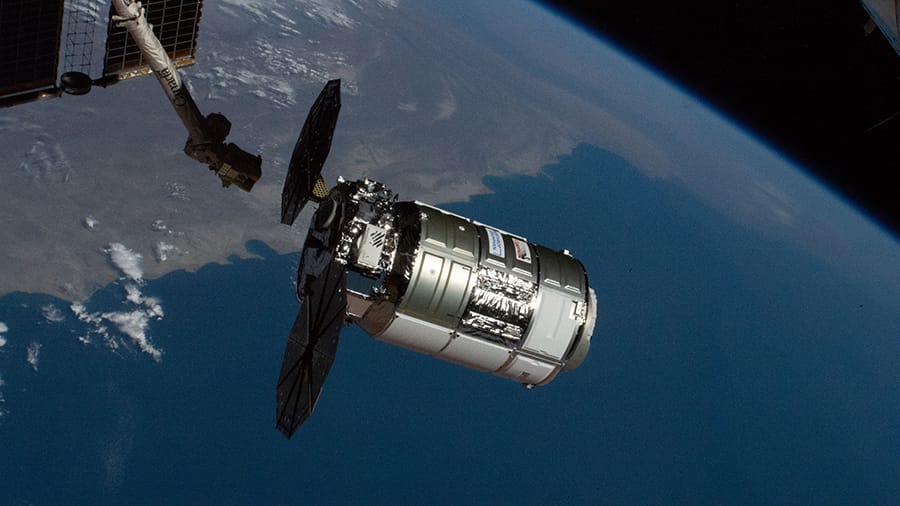
Khalifa University and Al Yah Satellite Communications Company (Yahsat) have jointly announced the deployment of DhabiSat into orbit from Northrop Grumman’s Cygnus resupply spacecraft, marking yet another milestone achievement for the university and the UAE.


DhabiSat, the second CubeSat designed and built by Khalifa University students, gently eased into its orbit after leaving the International Space Station (ISS). The primary mission of DhabiSat is to enable students to design, implement, and test software modules for attitude determination and control subsystems (ADCS). The work was conducted at the Yahsat Space Lab, which is part of the Khalifa University Space Technology and Innovation Lab (KUSTIL).


Dr. Arif Sultan Al Hammadi, Executive Vice-President, Khalifa University, said: “With the deployment of DhabiSat into its orbital slot, our students and our partners have once again registered another key milestone for Khalifa University and the UAE. We thank our partners Yahsat and Northrop Grumman, who have supported our students throughout the process of designing, developing and launching DhabiSat, the third CubeSat built by Khalifa University students, as well as another CubeSat we are planning to build in the future. As the UAE begins to consolidate its status as a space power in the world, we look forward to creating more scientific talent and human capital, especially in the space science sector, along with our academic and industry partners.”


Congratulating the team, Yahsat’s Chief Human Capital Officer Muna Almheiri said: “This is a significant step in the UAE’s mission to develop homegrown talent to lead its National Space Programme. We need future generations of Emirati space leaders and visionaries to fulfill the aspirations of our founding fathers, and the rich potential of our nation. DhabiSat’s successful deployment underscores the aptitude, skills, and maturity of our youth to manage multi-pronged programmes and work with the leading lights in the global space industry. Yahsat is very passionate about helping worthy candidates grow and understand advanced satellite technologies to spur national industrialization efforts. The Yahsat Space Lab established at KUSTIL is an excellent vehicle for the development of local manpower in space and system engineering fields, and DhabiSat is yet another example of its success. We also thank our partners – UAE Space Agency, Khalifa University, and Northrop Grumman – for their committed support to the cause. The UAE’s space ambitions are not defined or limited by national borders, and DhabiSat is a perfect example of what a country can achieve through national and international collaborations.”


“As technical advisor and student mentor to the DhabiSat team, Northrop Grumman looks forward to the results of the attitude control research that will be carried out by the satellite,’ said Frank DeMauro, vice-president and general manager, tactical space systems, Northrop Grumman. “The deployment of DhabiSat and other CubeSats also highlights the versatility and value in our Cygnus resupply vehicle carrying out missions beyond supplying the International Space Station.”


DhabiSat will assess the accuracy of various ADCS pointing control strategies and validate the same by taking images using a digital camera onboard pointed in specific directions. The new ADCS algorithms shall improve the pointing accuracy of the CubeSat and its response time to attitude changes as compared to conventional algorithms. In terms of system resources, DhabiSat will require less power to achieve the targeted pointings and if successful, the algorithms will gain flight heritage on board DhabiSat, which then can be used as a baseline for future CubeSat missions.


Earlier, MySat-1, the first CubeSat developed by students of Khalifa University, was deployed from the NG-10 Cygnus spacecraft in February 2019. The educational and communication CubeSat sent images from space that were received by the satellite ground station at Khalifa University. In addition, a new Lithium Ion battery, manufactured at Khalifa University’s Masdar Institute laboratories, was also tested in space. Students and faculty have so far published several papers based on the data from MySat-1.


Clarence Michael
English Editor Specialist
13 July 2021

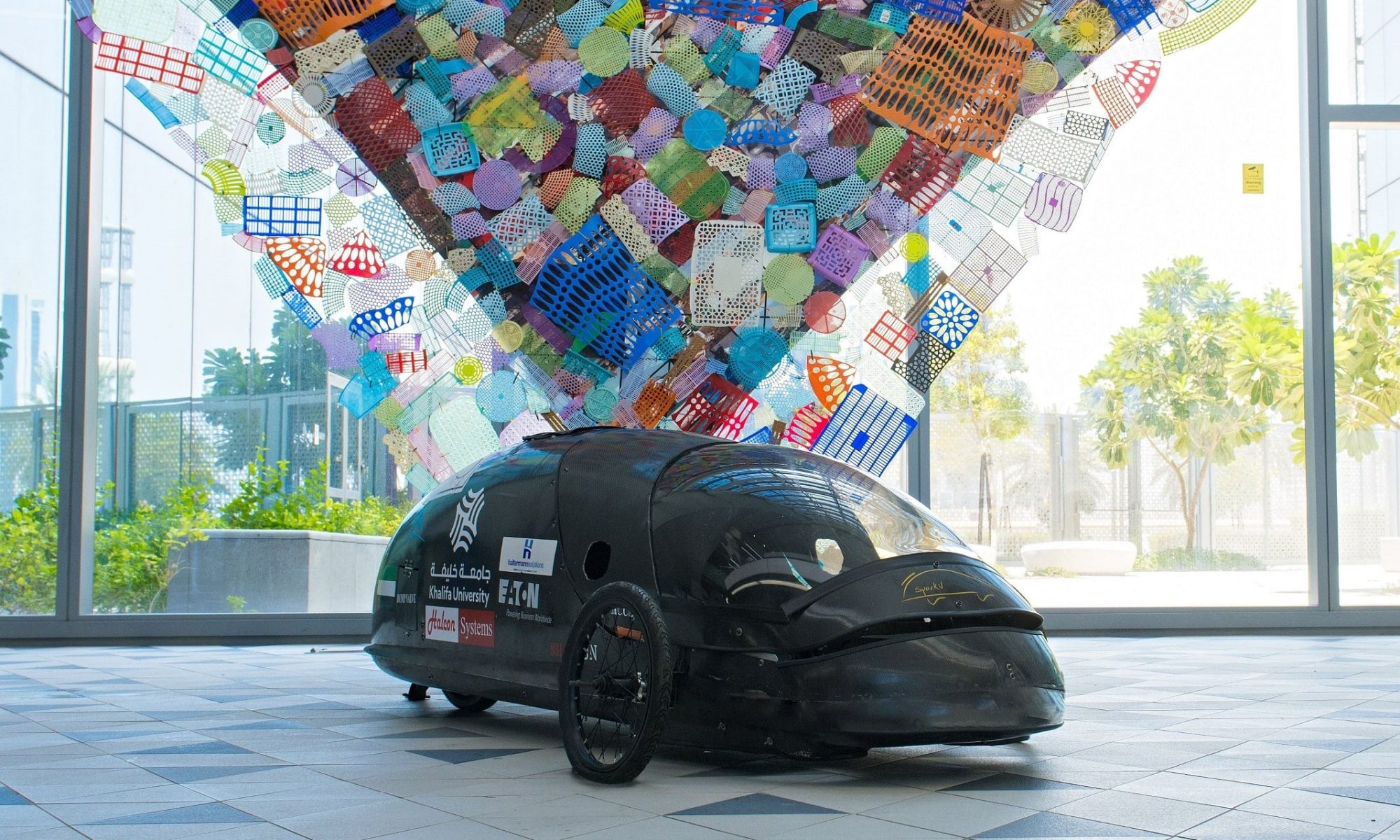
Khalifa University Student Team Wins Top Spot in Verbal Presentation at 2021 SAE Collegiate Design Series Supermileage Competition

Khalifa University Team Also Retains 6th Spot in Design Segment to Remain Ahead of Renowned International Universities


Khalifa University has announced that a 21-member student team led by Sultan Al Hassanieh has won the top spot in verbal presentation for the first time during the Knowledge Event at the 42nd Society of Automotive Engineers (SAE) Collegiate Design Series Supermileage Competition for 2021. The team also retained 6th spot overall in the Design Event, the same position it won last year in Michigan, US.


The verbal design report demonstrates the Khalifa University team’s understanding and application of the engineering principles that support their design of the one-person, single-cylinder engine vehicle, capable of achieving fantastic fuel economy during a 6-lap attempt around an approximately 1.6-mile-long, banked, oval track.


Since the traditional validation event at the 42nd SAE Collegiate Design Series Supermileage Competition was cancelled due to the pandemic this year, the organizers opted to score teams based on two major criteria – the submitted design report that details the design and fabrication of the vehicle, and a verbal presentation on Zoom in which team members present their design process and final outcome to a panel of judges. The student team was then critically questioned, and the Khalifa University students proved their mettle to reach the top spot. They were also assessed on team participation, program knowledge and technical knowledge.


Dr. Arif Sultan Al Hammadi, Executive Vice-President, Khalifa University, said: “Our faculty members and the students have once again demonstrated that Khalifa University remains the top-ranked, globally-acknowledged academic institution with unparalleled expertise. Winning an international competition of this stature not only brings honor to the university but also to the UAE. Congratulations to the student team and the faculty members who guided them through training and support.”


The Khalifa University team achieved this remarkable feat even though it entirely consisted of only first-time participants, demonstrating the world-class faculty’s role in imparting knowledge, as well as the talented students’ capability in designing and presenting the project to the international judges. Also for the first time, this year’s team comprised students from all majors.


Dr. Bashar Khasawneh, Associate Professor, Mechanical Engineering, and Dr. Reyad El-Khazali, Associate Professor, Electrical and Computer Engineering, advised the students on the project.


In line with the healthcare protocols being implemented on campus at Khalifa University, team members were allowed to visit the campus and work on fabricating parts of the vehicle that they are responsible for, while complying with all necessary safety precautions. Team members used online video communications applications to ensure safety while discussing the general concept of the design, which was then developed into working theoretical models of the vehicle’s subsystems.


Dr. Khasawneh said: “Though the student team leaders were initially worried that the majority of the work would be held online, they achieved the top position because of team skills. What made the Khalifa University Supermileage team one of the best in the world was how every member ensured to constantly support and motivate each other, creating an inherently supportive atmosphere.”


The SAE Collegiate Design Series Supermileage Competition challenges students to design and construct a single-person, fuel efficient vehicle that will run a specified course to obtain the highest combined km/L (mpg) rating. Teams generally spend 8-12 months designing, building, and preparing their vehicles for competition.


Clarence Michael
English Editor Specialist
5 July 2021

Khalifa University Researchers Complete Reference Genome Study for the UAE

Research to Support Accurate Classification of Genome Variants for Development of Preventative Healthcare System


A team of scientists from Khalifa University of Science and Technology has completed a significant local genome study that will contribute to nationwide efforts to build a high-quality, comprehensive reference genome for the UAE population.


The first phase of the study — the description of the first whole genome sequences of UAE nationals — was completed in 2019. Subsequently, in 2020, the researchers completed the second phase which described the nature of the genetic diversity found among UAE nationals. This year, the researchers completed the third phase of the UAE reference genome, which supports a broader understanding of the genome composition of the nation.


Following advancements in DNA sequencing and analysis techniques since renowned scientist Craig Venter and his colleagues published the first whole human genome sequence at the turn of this century, the genome study has become part of a major area of research at Khalifa University.


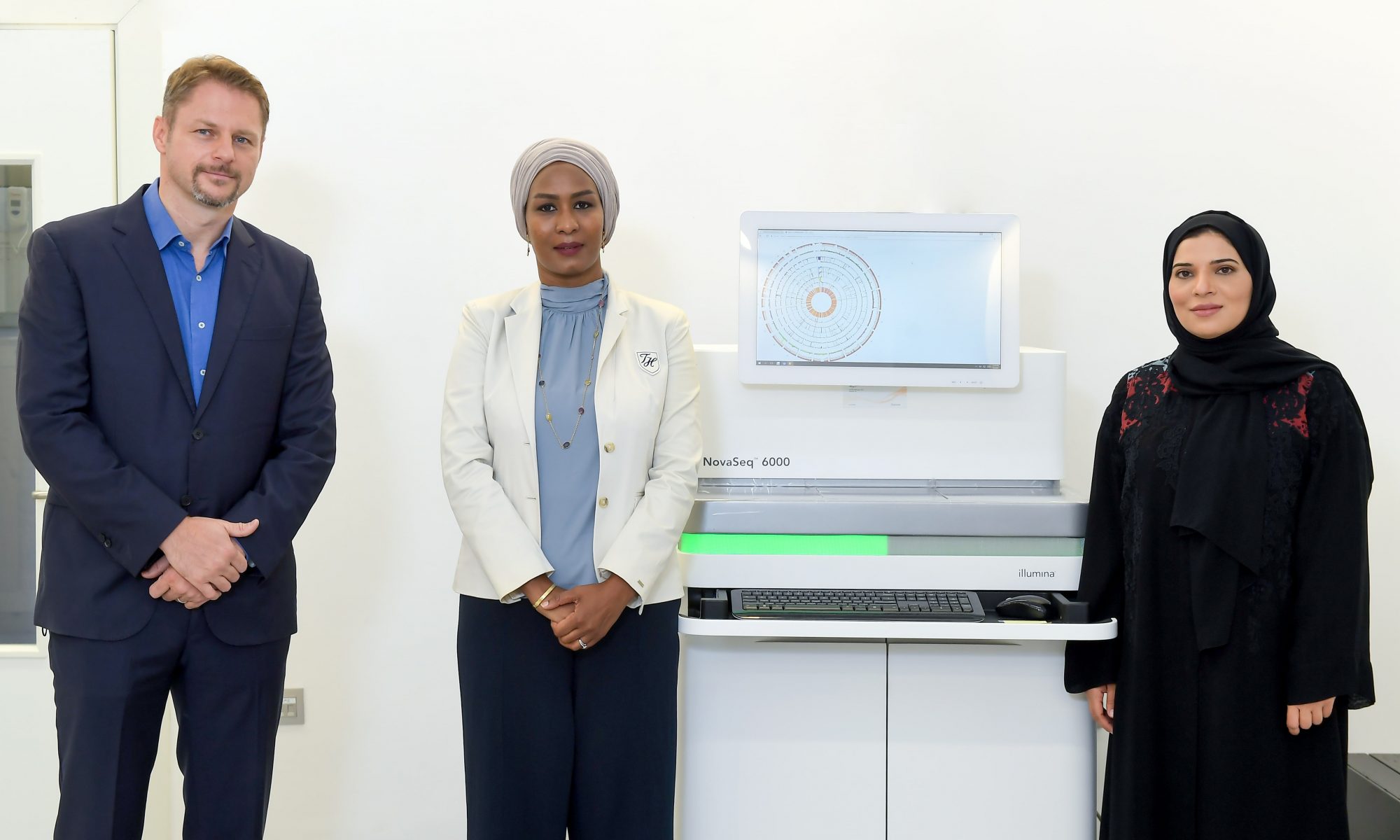
The Khalifa University scientists recently published a report titled ‘A population-specific Major Allele Reference Genome from the United Arab Emirates population’ in the international journal, Frontiers in Genetics. The study was authored by Dr. Habiba Alsafar, Associate Professor, Department of Genetics and Molecular Biology, Dr. Andreas Henschel, Associate Professor, Electrical Engineering and Computer Science, with Dr. Gihan Daw Elbait and Dr. Guan Tay, from the Center for Biotechnology.


https://www.instagram.com/p/CQ8iLHTpvpl/?utm_medium=copy_link


Dr. Arif Sultan Al Hammadi, Executive Vice-President, Khalifa University, said: “Our researchers have published the first whole genome of a UAE national and have followed it up with this reference genome.  This will advance our understanding of the genomes of the UAE population, improving the ability of researchers and clinicians to identify genetic causes of diseases that are common in the UAE and the region. This is a stellar achievement in the field of medicine and healthcare, as this will become a fundamental tool that will advance genome and public health research in the UAE, and contribute to nationwide efforts, being led by the recently formed UAE Genomics Council to incorporate genomics into the healthcare ecosystem of the UAE.” 


The ethnic composition of the population of a nation contributes to its genetic uniqueness.  Consequently, it is important to define national reference genomes of its people to avoid any confounding effects which are linked to the use of reference genomes from other national genome sequencing efforts. A total of 1,028 UAE nationals were recruited for this study, as part of the 1,000 UAE genome project that was conceived by the research team when the Center of Biotechnology was founded in 2015. Of these, 129 samples were selected as individuals that are most representative of the genetic diversity of the UAE for construction of the UAERG.


“Despite achieving this major milestone in a relatively short period of time, our work to improve our understanding of how genes contribute to health continues,” said Dr. Alsafar and added, “Our next challenge is to decode the genome data to identify genetic markers that better predict the likelihood of disease.”


Precision medicine has the potential to profoundly improve the practice of medicine. The goal is to enable clinicians to quickly, efficiently and accurately predict the most appropriate course of action for a patient; a pre-emptive strike to prevent or delay the onset of disease.  However, the practice of precision medicine and personalized healthcare is a complex science as it is influenced by a range of factors such as the environment and the inherent characteristics within an individual. Genetics is an important contributor to this complexity and genome science will play a key role in the rollout of future national health programs.


Since the establishment of the Center for Biotechnology (BTC), its primary mission sought to address a gap in knowledge relating to the specific genomic features of the UAE population.  In 2018, the BTC team outlined a vision for a National Arab Genome project for the UAE in the Journal of Human Genetics. The aim was to address the deficiency in genome data on the UAE population to improve our understanding of genome variants that are unique to the population of the nation.  The team led by eminent geneticist Dr. Alsafar, proceeded with the bold ambition to sequence Emirati nationals to provide a reference upon which clinical decisions can be made.


In 2019, Dr. Alsafar led the team that described the first Whole Genomes Sequences (WGS) of two UAE nationals in Nature Publishing Group’s Scientific Report.  “It was important to achieve this milestone, as the whole genome sequences provided a starting point for construction of a UAE reference panel which will lead to improvements in the delivery of precision medicine, which we hope will eventually lead to improvements in the quality of life of UAE nationals” said Dr Alsafar.


Despite reporting on the first genome of a UAE national, the Khalifa University team continued to sequence samples provided by UAE nationals for research. In mid-2020, the team followed up the report of the first UAE Whole Genome Sequence with two papers in Frontiers in Genetics. These studies showed that the contemporary population of the UAE arose from gradual admixture through complex and long term interactions between local communities of the area that is now the UAE and the people of neighbouring regions.


The seven emirates that formed the UAE in 1971 were once sheikhdoms that were homes of communities that existed for centuries. These communities lived on the southern routes of human migration within the Arabian Peninsula. Some of the inhabitants of the region encountered people who led a nomadic lifestyle, travelling widely into and out of neighbouring African, Asian and European states. As these nomadic communities passed through this region, traces of genetic impressions of the populations that they encountered in their travels were left behind.


As researchers continue to probe the secrets entwined in the genome of the UAE population, the construction of this reference genome is intended to drive the developing paradigm that is precision medicine, specifically clinical practice that embraces prevention rather than treating disease once it has taken hold.


Clarence Michael
English Editor Specialist
5 July 2021