
How 3D Printing is Revolutionizing Design

Khalifa University’s Dr. Bashar El-Khasawneh Chairs Additive Manufacturing Conference and Shares Insights on the Future of 3D Printing

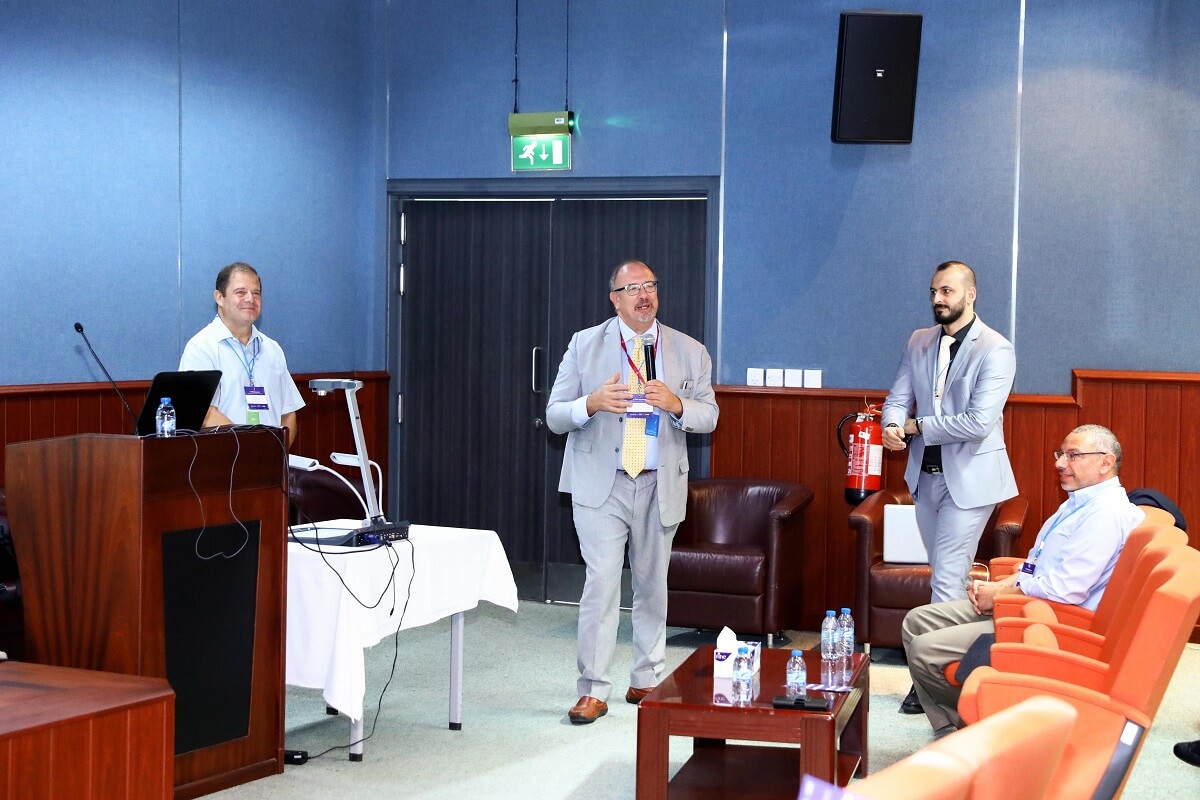
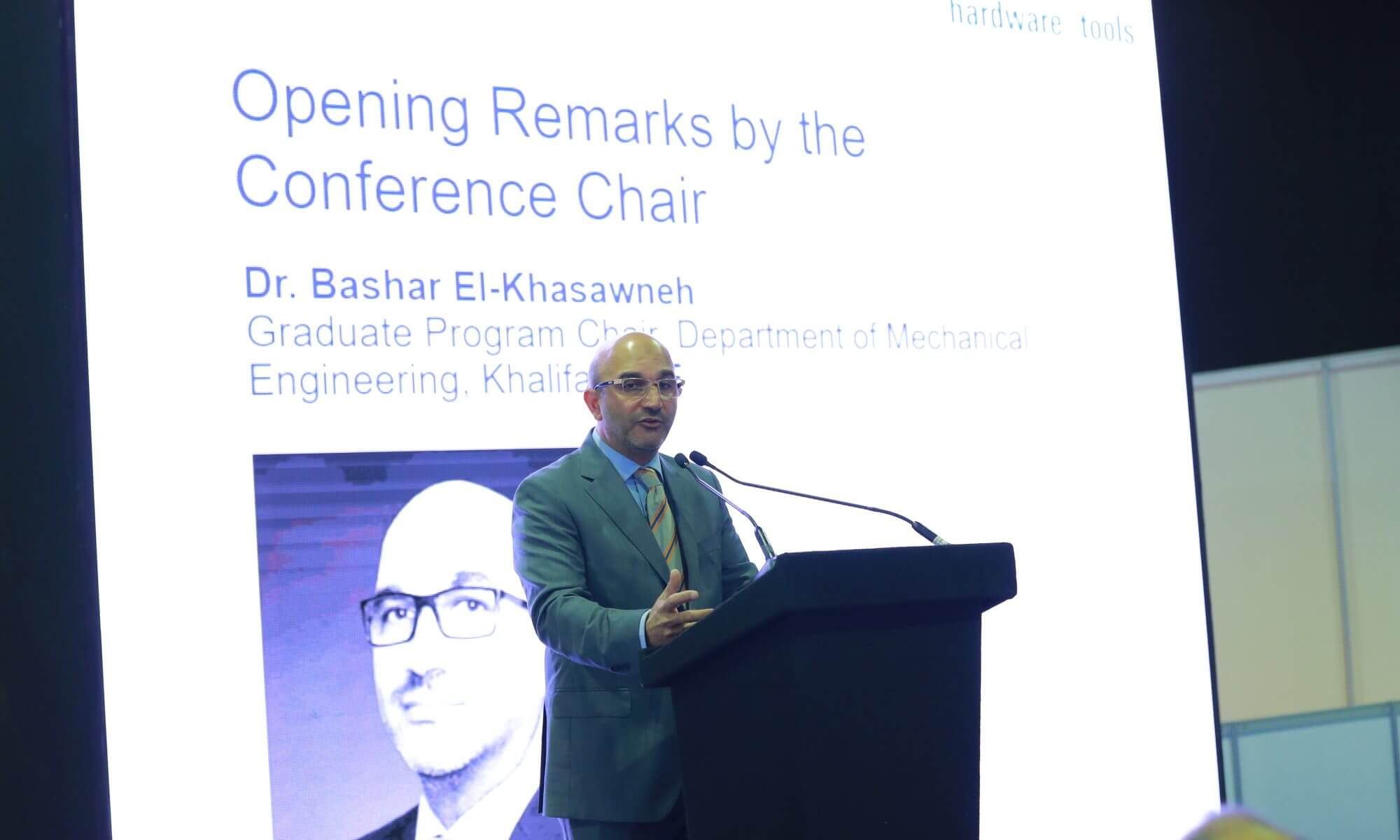
As a regional expert in the field of additive manufacturing, Khalifa University’s Dr. Bashar El-Khasawneh, Graduate Program Chair of the Department of Mechanical Engineering, was invited to chair the Additive Manufacturing Middle East Conference, which took place from 10 – 11 June, 2019, in Dubai. He spoke about the transformative potential of 3D printing, a sustainable additive manufacturing process, for product design and development.

The conference provided a platform for researchers and industry experts to address the full spectrum of 3D printing, and dive deep into present and future 3D printing technologies.

“Additive manufacturing is a tool that has the potential to radically transform a number of key industries, including manufacturing, medicine, aerospace, and education,” said Dr. El-Khasawneh. “That is why the UAE is capitalizing on 3D printing to support the country’s efforts to become one of the most advanced and innovative nations.”

In recognition of the increasingly important role 3D printing will play in boosting manufacturing capability, sustainability and economic growth in the UAE, Khalifa University actively leverages 3D printing technologies across a number of its research activities.

3D printing’s freedom and flexibility in product design and development, coupled with its reduced manufacturing time and costs, enables researchers to design and test new ideas quickly and affordably. It negates the need for highly specialized factory set-ups to manufacture certain types of objects, like aircraft parts, medical prosthetics, and customized accessories. 3D printing is used widely across the University’s three campuses, with dozens of 3D printers employed by faculty and students from the biomedical, mechanical, and electrical engineering departments to conduct critical research.

“Many faculty members are engaged with Additive Manufacturing at Khalifa University. Either they are working on the development of advanced materials or on design perfection based on current capabilities of 3D printing,” Dr. El-Khasawneh shared.

“We have recently established an Advanced Digital & Additive Manufacturing (ADAM) research group, at KU to strategically cater to the needs of aerospace, healthcare, construction, defense, and energy sectors. The ADAM group will serve as the state-of-art research facility in the area of AM and will be a platform to provide services to industries across the UAE. The group will address the challenges and limitations in the current status of AM and will work towards developing new processes and advanced materials to mitigate these limitations. KU also established the Additive Manufacturing Lab, which was developed in collaboration with industry partners Strata and the Emirates Research and Innovation Center (ETIC), which contributed funding for the purchase of an industrial-scale metal 3D printer. This printer will help us conduct R&D on printed metallic parts for aerospace and other cutting-edge applications.”

Dr. El-Khasawneh was invited to chair the Additive Manufacturing Middle East Conference due to his in-depth knowledge of additive manufacturing. Five years ago he was part of an initiative launched by the UAE Prime Minister’s Office to improve awareness of 3D printing across different disciplines in the country. And now he is part of an advisory board for the Innovation Laboratory at the Dubai Health Authority, which includes the exploration of the use of 3D printing.

“The UAE is striving to be a regional hub for 3D printing by 2030. In fact, Dubai Municipality regulations have set an ambitious target of 25% of every new building be 3D printed by 2025,” he shared.

At Khalifa University, his research focuses on designing and building novel robotic systems that are capable of constructing large structures (large houses) with special types of cement mixtures suitable for such technologies.  Construction in such a scheme is an additive manufacturing process.

During his presentation, titled “3D Printing: Revolution vs. Evolution in Design & Innovation,” Dr. El-Khasawneh spoke about how 3D printing has revolutionized the role of design, and explained how it has “changed the rules of the game.”

“3D printing has revolutionized the capability of the designer. The designer can now focus more on functionality rather than follow a traditional way of design, giving designers a new paradigm in order to think about their design in a completely different fashion. Additive manufacturing (AM) is not leading to designing outside the box, rather, it has dissolved the box. Meaning, AM eliminated the constraints that impacted the traditional designs. Designers can better design for performance with less regard for traditional limitations of design for assembly or manufacturing.”

Dr. El-Khasawneh also highlighted the important impact that 3D printing is having on innovation in general, and in universities in particular. Innovation requires expression tools such as computer aided design (CAD) and realization tools such as the easy-entry 3D printing technologies. This leads to an expansive base of innovators across a wide span of age groups.

“3D printing is significantly enhancing the innovative capabilities of universities. Students can now easily transform ideas into products, and hopefully, change their mindset to become entrepreneurs.”

In the UAE, this means 3D printing will play an important role in fueling the country’s innovators and inventors, and accelerating the UAE’s ongoing transition to a knowledge economy.

Erica Solomon
Senior Editor
23 June 2019
SparKU Student Team Wins 8th Place in SAE Supermileage

Only University from Arab World to Successfully Complete Race

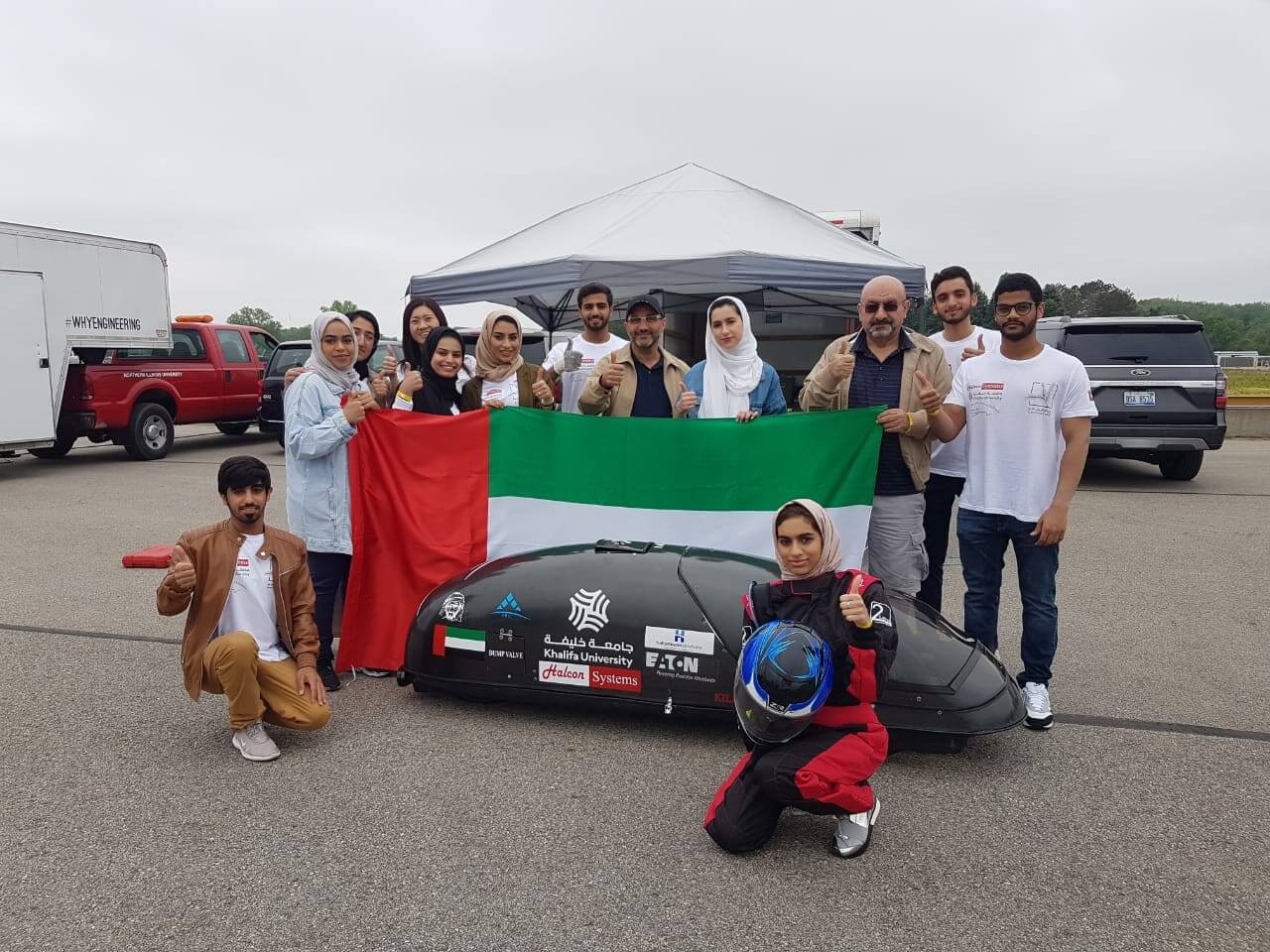
SparKU, a team of nine Khalifa University students from Mechanical, Electrical, Computer and Chemical Engineering programs, has won eighth place out of 31 international universities that participated in the Society of Automotive Engineers (SAE) Supermileage 2019 competition in the US.

The SAE Supermileage competition offers undergraduate and graduate students the opportunity to enhance their engineering design and project management skills. Participating teams are required to develop a single person, extremely high fuel economy vehicle that complies with the Supermileage rules and runs a specified course. The vehicle obtaining the highest combined kilometers per liter (KMPL) rating as well as points on design segment wins the top spot. The Khalifa University team achieved a fuel rating of 384 miles per gallon (163 kmpl).

As stipulated by the organizers, the Khalifa University team successfully developed the complete design, simulation and composite material fabrication, achieving it with expired carbon fiber material from Aerospace Research and Innovation Center (ARIC), provided by Strata Manufacturing. The team was also the only one from the Arab world to successfully complete the race and earn a good fuel economy rating.

Dr. Arif Sultan Al Hammadi, Executive Vice President, Khalifa University of Science and Technology, said: “The strong position for Khalifa University’s SparKU team in the SAE Supermileage 2019 competition validates the extent of our faculty’s expertise and student commitment to reach excellence. The students displayed their skills and applied what they learned, thus bringing honor to Khalifa University. We offer our compliments to the faculty and student team members and believe this success will pave way for similar ones in the future.”

Dr. Saeed Almansori, CEO of Halcon System, a defense technology company owned by Abu Dhabi-based Yas Holding Group, said: “It is Halcon Systems’ responsibility as an Emirati organization to support future UAE engineers, including students from Khalifa University, and develop them to become professionals and capable of becoming leaders in any industry. Continuous learning never ends and we urge future engineering graduates to follow that rule through their entire careers to serve their country in the most appropriate and honorable way.”

Faculty advisors included Dr. Bashar El-Khasawneh, Graduate Program Chair, Department of Mechanical Engineering, and Dr. Reyad AlKhazali, Associate Professor, Electrical and Computer Engineering. E. Rajesh Ganithi, Mechanical Engineering Department, provided administrative and technical support. Two teams of students – one dealing with the mechanical systems, and the other with the engine and the electrical systems – built the vehicle for the SAE Supermileage 2019 competition and for the senior design project, conforming to the stringent time line, while displaying their project management and technical skills.

Mechanical Engineering student Khalifa AlShehhi and Electrical Engineering student Shamma Alblooshi drove the vehicle. Other team members included Abdulaziz Naqi from Electrical Engineering, Khalifa Rashed of Computer Engineering, and Sultan AlShamsi of Chemical Engineering. From Mechanical Engineering, the students included Alanood Alblooshi, Aamna Alteneiji, May Sharif Afif Asad Al Shami, and Rawan AlKatheeri. Manar Alhebsi was responsible for steering system and wheels.

Mechanical Engineering senior student Al Shami, who was also responsible for car chassis, body, internal and exterior compartments and mechanical systems, said SAE Supermileage 2019 competition in the US provided an opportunity to employ the skills and knowledge learned throughout our university years and plan and execute a design.

She said: “Working with a dedicated and hardworking team and getting to represent our country in an international competition was the most special aspect of this journey.”

Acknowledging the contribution of last year’s team, she added: “This year’s brand new team would not have achieved this modest victory without the advice and experience of the 2018 team. We were competing against strong international teams, some with even 30 members that have been participating for over five years in this challenge. It is also an honor to be the only team from the region to complete the race and represent not only the UAE but the entire Arab world.”

Halcon Systems has been the sole sponsor of Khalifa University SAE Supermileage team for the last two years. ARIC has provided technical and in-kind support.

Clarence Michael
News Writer
19 June 2019

Paper on UAE’s Entrepreneurial Ecosystem Wins Award

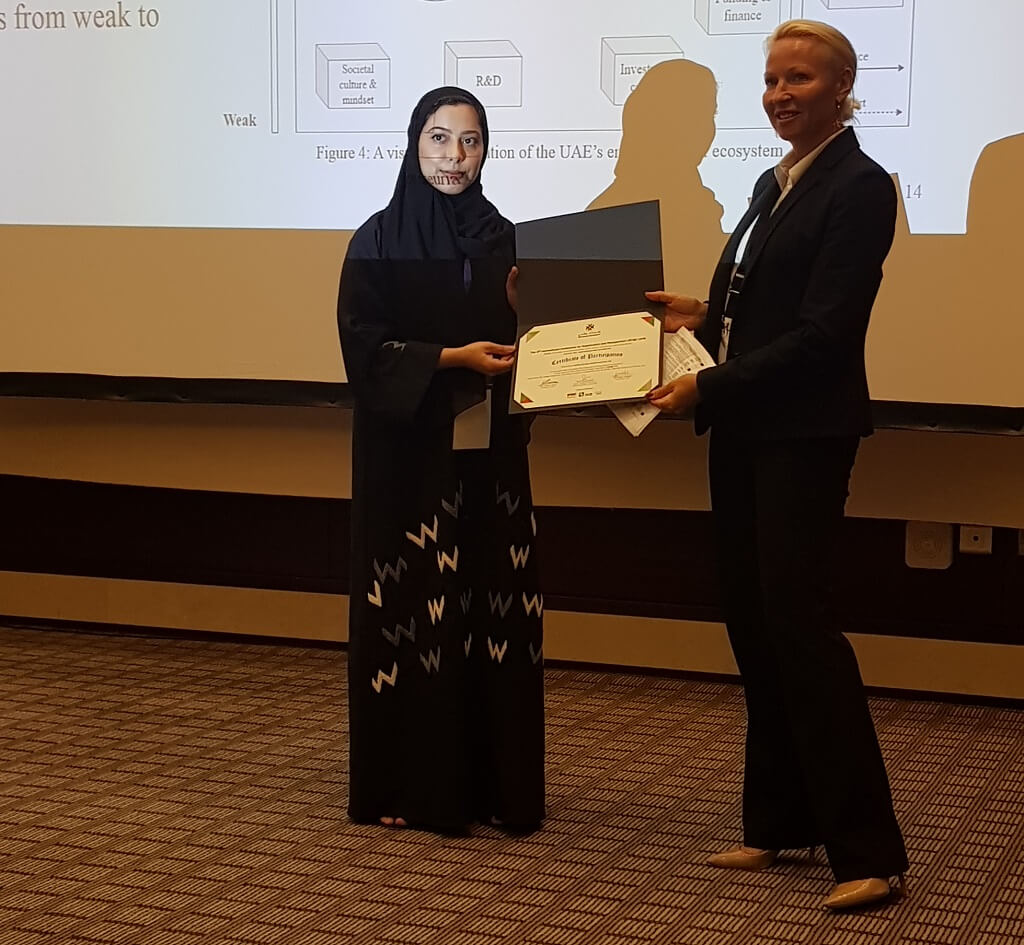
A ‘UAE Entrepreneurial Ecosystem Framework’ designed by KU students to Enhance the country’s Innovation Index Won Best Paper Award at ICOM 2019

A team of KU graduate students from the Engineering Systems and Management (ESM) Program won Best Paper Award at the 4th International Conference on Organization and Management (ICOM 2019), held from 12-13 June in Abu Dhabi, for their paper on the strengths and weaknesses of the UAE’s entrepreneurial ecosystem.

The paper, titled “Examining the Framework of Entrepreneurial Ecosystems: A Case Study on the United Arab Emirates,” examines the UAE’s current entrepreneurial ecosystem model, its gaps and opportunities, with a particular focus on the domains of the ecosystem that startups find pivotal to their growth and success. It won Best Paper in the conference’s Entrepreneurship & Innovation Management Track.

“We were motivated to study this topic because of the lack of academic studies and up-to-date literature on the entrepreneurial ecosystem in the UAE, especially considering that it is evolving at an extremely rapid pace,” said Aamna Aljarwan, one of the paper’s authors and a Spring 2019 graduate. Co-authors include fellow ESM graduate students Bushra Alyas Yahya and Bashayer Mohamed Almarzooqi. The paper was written as part of a team research paper for ESMA 607 Management and Entrepreneurship for Engineers, a graduate level course taught by Dr. Toufic Mezher, Professor of Engineering Systems and Management.

The UAE is committed to transforming into one of the world’s most innovative nations by 2021. The KU paper is an important step towards assessing what needs to be further improved to help the country achieve its ambitious goal.

The ultimate aim of the paper was to design a framework that could be used as a tool to help policy-makers, academics, researchers and industry leaders further enhance the UAE’s entrepreneurial ecosystem and raise the country’s innovation index, which would in turn attract more global startups to establish operations in the UAE.

The students interviewed ten key ecosystem players from across the public-private sector, including CEOs and founders of SMEs, incubators, and government authorities, to understand how they enable and support entrepreneurs and tech startups, and to learn their opinions about the gaps and opportunities in the UAE’s ecosystem. They also conducted surveys to quantify the availability and importance of key ecosystem support elements, such as the funding, accessible markets, and the legal framework.

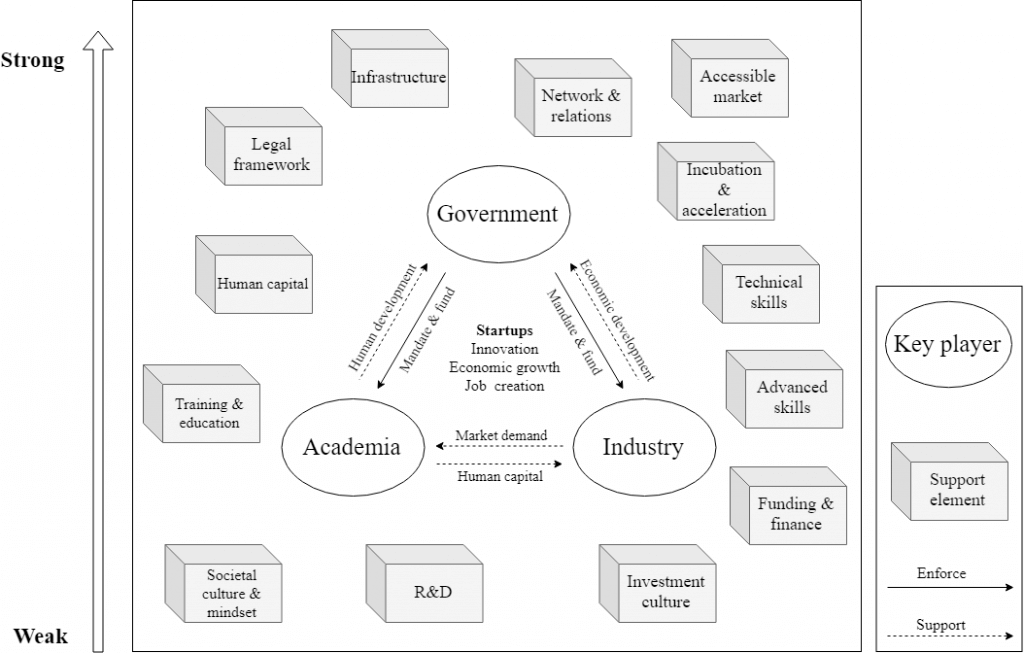
They then compiled their data and developed a ‘triple helix model’ to describe their findings on the interactions between academia, industry, and government. The triple helix model studies innovation at a national level and can be used as a tool to foster economic and social development.

“We used the triple helix model as a base and integrated it with our framework to study the entrepreneurial ecosystem at a national level,” Aljarwan explained. The result was an Entrepreneurial Ecosystem Framework that clearly identifies the UAE’s key players, important support elements, the relationships between them, and the which support elements are strong and weak.


Aljarwan and her team found that the government is the strongest key player in the ecosystem and the main driver of the current entrepreneurial movement. The government mandates strategies to the private sector and academia, such as the UAE’s National Innovation Strategy and Abu Dhabi Economic Vision 2030, which in turn creates a kind of reliance on the government to initiate the growth in the ecosystem.

The students identified some of the ecosystem’s strongest support elements as the infrastructure, the legal framework, national and international networks and relations, an accessible market, and incubation and acceleration programs. Some of the ecosystem’s weakest support elements identified by the students include the investment culture, a lack of angel investors due to the risk-averse investment culture, the predominant social culture and mindset, and research and development.

“It is predicted that once the ecosystem grows, it will start to decentralize and become autonomous, where it does not rely on mandates and incentives any longer,” Aljarwan explained. “Once a large batch of entrepreneurs succeeds, it will create enough competition to drive the industry to innovate and collaborate with academia. Moreover, successful entrepreneurs will then become investors and motivators to encourage the younger batches to follow the same path. This will also make a paradigm shift in the culture and mindset to become more tolerant of risk and acceptant of failure.”

The team made numerous recommendations to improve the UAE’s startup ecosystem. On the government side, they recommend that governments incentivize the private sector to work with academia by building non-profit shared labs. They also recommend that the government reduce the legal setup costs for startups with innovative ideas, incentivize private companies to allocate a percentage of their procurement from startups, and reduce the cost universities and startups pay for filing novel intellectual property (IP). They also advise that more technology equity funds, which are funds solely dedicated to investing in specific technologies, should be established.

On the academic side, they recommend that universities establish on-campus incubators and accelerators, and better connect students to startups for internships. They also suggest that more academic institutions establish permanent acceleration programs for senior design projects to encourage students to continue working on their ideas after graduation.

As a startup founder herself, Aljarwan is experiencing firsthand the pros and cons of starting a company in the UAE.

Aljarwan founded GrowthPass, a marketplace for discovering and listing self and career growth events, workshops, and classes.

“The platform aims to encourage lifelong learning and to help people upskill their soft skills to complement their hard or technical skills. In this day and age, recruiters don’t only look at one’s technical skills, but they also look at their soft skills and mindset and the kind of value they bring to their teams,” Aljarwan said.

She was inspired to develop GrowthPass after trying to find soft skill training and development opportunities that were aligned with her interests, and available at a convenient location. She immediately realized there was a need for a better, more effective way to find career-growth events.

Now, GrowthPass is receiving support from one of the UAE’s well-regarded startup incubator program, Sheraa. Aljarwan is set to launch a minimum viable product (MVP) within the next month or so.

“Although the government and other key players continue to support the ecosystem, the success of any startup lies in the hands of its founders first and on the ecosystem second. Now that I have a better understanding of our ecosystem’s gaps and opportunities, I’ve been able to navigate around them and leverage on what is available”.

Erica Solomon
Senior Editor
1 July 2019

Concentrating Solar Power Pilot Project Updates Shared

Dr. Nicolas Calvet, Assistant Professor of Mechanical Engineering and Chair of the Masdar Institute Solar Platform (MISP), highlights R&D progress of solar thermal energy systems coming out of the MISP at major CSP conference in Dubai

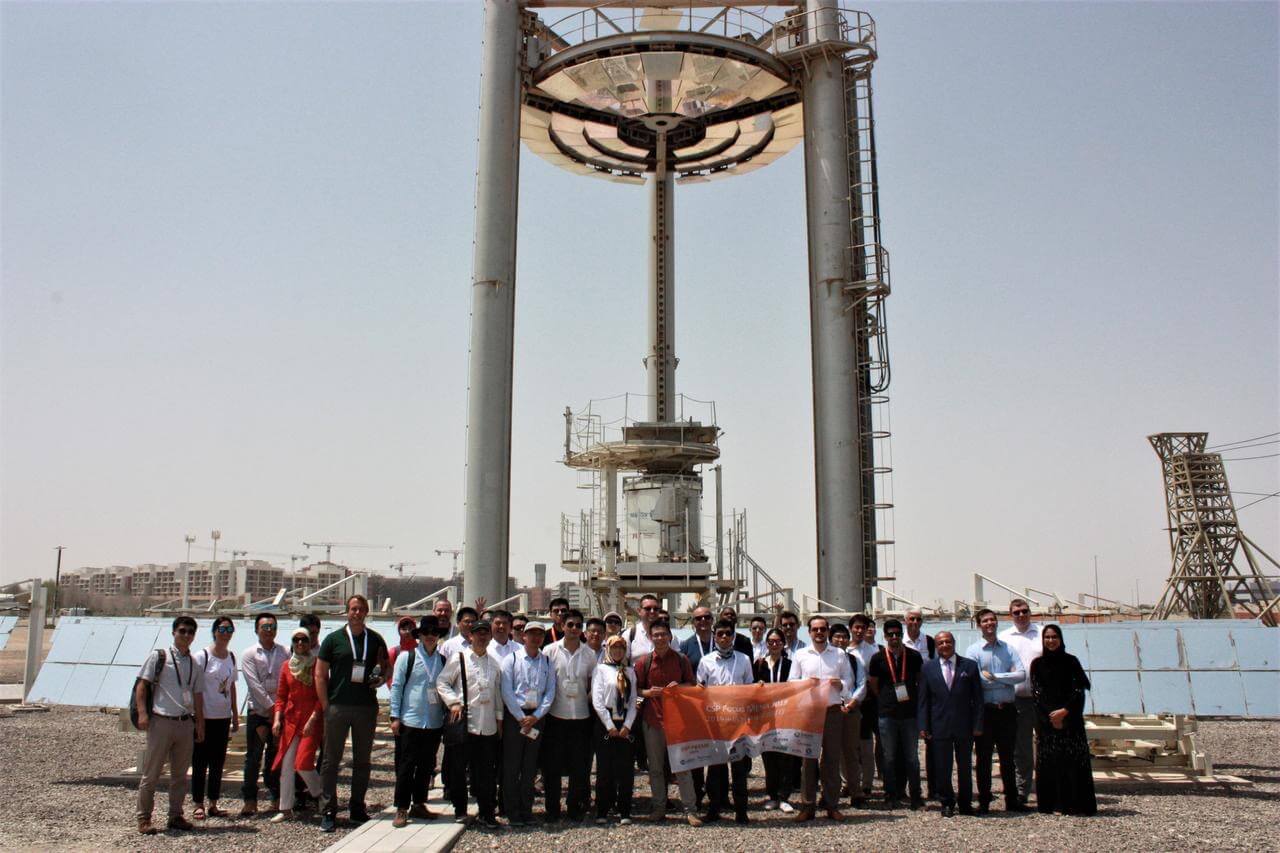
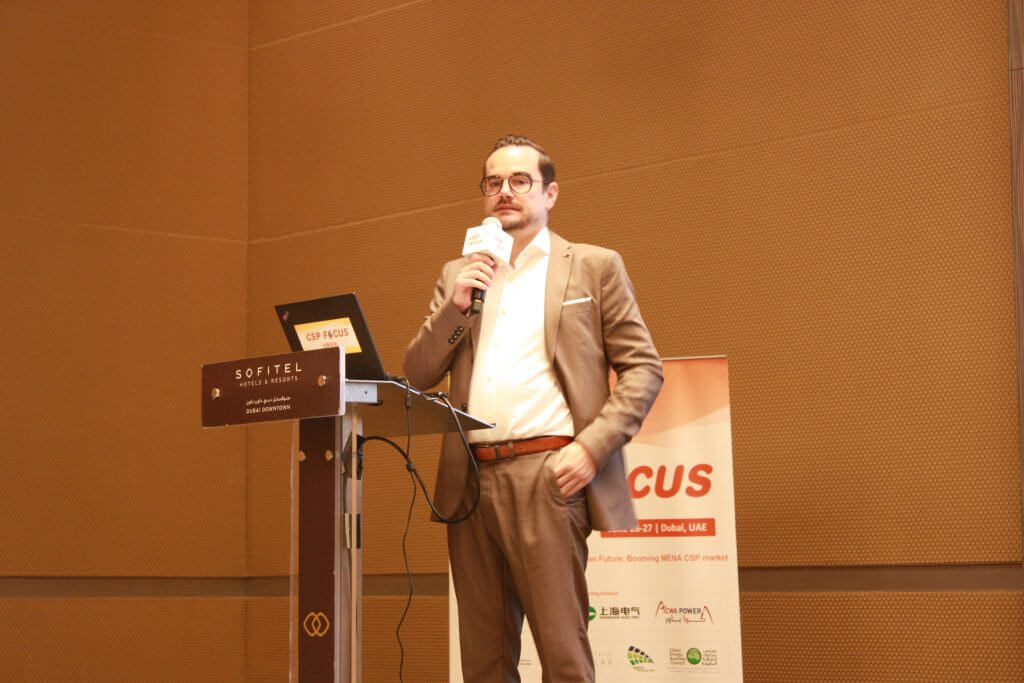
Dr. Nicolas Calvet was invited to share updates on the UAE’s first solar platform dedicated to research and development of concentrating solar power (CSP) and thermal energy storage (TES) technologies – the Masdar Institute Solar Platform (MISP) – at the 4th annual CSP Focus MENA conference, which was held in Dubai from 26-27 June 2019.

MISP was inaugurated in 2015 in recognition of the increasingly important role CSP will play in achieving the UAE’s renewable energy target of generating 24% of its energy mix from renewable sources by 2021.

With its one-of-a-kind 100 kW beam-down solar concentrator facility, the MISP aims to provide local and international research institutes and solar companies the opportunity to research, test, and validate new CSP components and TES systems capable of withstanding the UAE’s harsh desert climate in order to increase the implementation and utilization of CSP in the UAE and wider world.

“At 7.3c$/kWh, CSP is now competitive with conventional fossil fuel based power production in the UAE,” Dr. Calvet shared, citing figures from a recent IRENA report. “Major CSP projects like the Gemasolar in Spain and Shams 1 in the UAE have been instrumental to demonstrating that CSP can deliver affordable, reliable, dispatchable and carbon-free energy.”


Dr. Calvet shared a number of the innovative CSP-related collaborative research projects and pilots that have either been completed or are ongoing at the MISP, including projects with EnergyNest, MIT and Wahaj Investment.

Working with EnergyNest, a Norwegian thermal storage technology developer, Dr. Calvet’s team tested a special blend of concrete to store thermal energy in a smart modular configuration. They developed a system to enable storage of thermal energy up to 400°C, making it the first high-temperature thermal energy storage demonstration system in the Middle East.

Another TES prototype system validated at the MISP was developed through a collaboration with MIT. The system, called Concentrated Solar Power On Demand Demonstration (CSPonD Demo) came online in June 2017. The innovative prototype directly absorbs and stores thermal energy in the form of molten salts in a single-tank system, which considerably simplifies its operation compared to the conventional two-tank molten salt technology commonly used today.

The third project Dr. Calvet presented is one that is currently under construction at the MISP – the Wahaj Solar Concentrator. Designed and developed by UAE-based Wahaj Investment, Dr. Calvet’s team will help validate the unique metallic reflector based Fresnel lens 10-meter concentrator, which reaches theoretical temperatures above 1,000 degrees Celsius.

“These projects and others at the MISP intend to lead to the creation of next-generation CSP and TES technologies that are more affordable and efficient, which will make thermal solar energy an increasingly viable option for solar power generation in the UAE and around the world,” Dr. Calvet said.

Erica Solomon
Senior Editor
9 July 2019

Shaikh Tahnoon Bin Khalifa Bin Mohammed B K Al Nahyan – Interview on Internship in UK

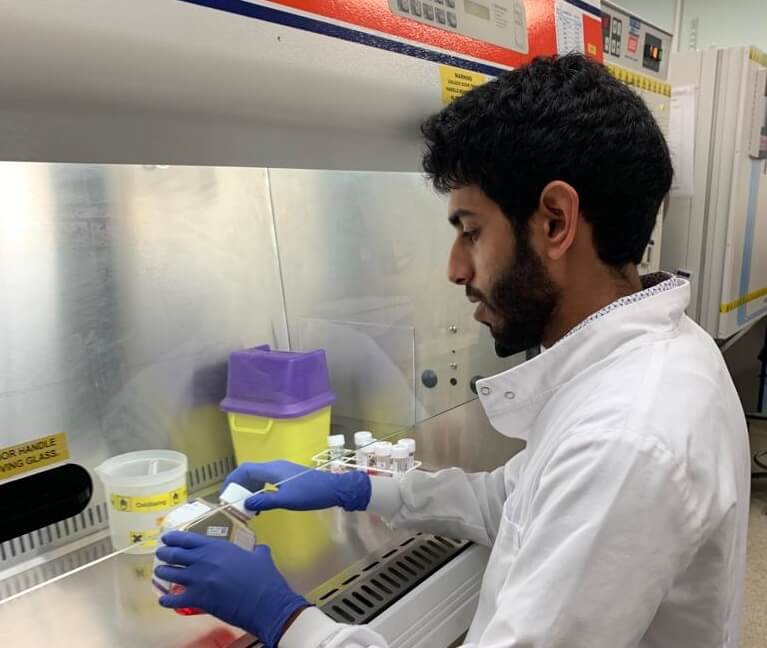
Intro: Shaikh Tahnoon Bin Khalifa Bin Mohammed Al Nahyan, Biomedical Engineering bachelor’s student at Khalifa University of Science and Technology, recently completed an 8-week summer internship at St George’s Hospital in London. Here are excerpts of an interview with Shaikh Tahnoon on his personal experience.

Question: How long was the internship at the prestigious Genetics Laboratory of St George’s Hospital in London?

Answer: My summer internship at Genetics Laboratory of St George’s Hospital in London lasted for about eight weeks. It was a great experience.

Q: Who did you work with at the London hospital? Who was your mentor during the internship?

A: During the internship, I worked with Dr Anand Saggar, Consultant Clinical Geneticist, at St George hospital in UK who was also my mentor. His specialty is Clinical (medical) genetics while his sub-specialties include hereditary Cancer Genetic Testing, and Paediatric Genetics.

Dr Anand Saggar is a Senior Consultant in Clinical Genetics at St Georges NHS Trust and Senior Lecturer in Medicine. He has a comprehensive record of experience in genetics, respiratory medicine, diabetes/endocrinology, cardiology, intensive care, nephrology (kidney disorders) and neurology. He is also a fellow of the Royal College of Physicians. Dr Saggar has published over 40 papers. He was a founder trustee and is currently chairman of the Scientific and Clinical Research Advisory Board of the Polycystic Kidney Disease Charity (UK). He is also President of the Medical Genetics section at the Royal Society of Medicine.

Q: How was this internship organized?

A: Genetics is one area that greatly interested me. So I contacted Dr. Habiba Alsafar, Acting Associate Dean for Student Affairs, College of Medicine and Health Sciences, Associate Professor at Department of Genetics and Molecular Biology, and Director of Khalifa University Center for Biotechnology. It was Dr Alsafar who arranged for the internship through the UAE Embassy in London and Dr Saggar was kind enough to accept me in his clinic and laboratory.

Q: In what area does this DNA analysis and cell culture experiments help? What are the future benefits?

A: I was interested in personalized medicine using DNA-based technology, which has a huge future benefit for better life quality for the society. I would like to see the UAE community benefit in this area and that was the reason why I was keen to do my internship.

Q: Were there other students along with you at St George’s Hospital internship program in London?

A: I was the only intern under Dr Saggar during the eight-week internship in London.

Q: What do you feel about your internship in London?

It was an awesome eight-week internship experience for me at the Genetics Laboratory of St George’s Hospital in London. I learned a lot from Dr Saggar about clinical genetics and I believe that we can implement start-of-the-art diagnostic tools in genetic testing in Abu Dhabi and the UAE.

Q: What would you like to do after completing your biomedical engineering bachelor’s degree at Khalifa University?

I am looking forward to pursue my postgraduate studies in medicine and / or health sciences, after completing my Biomedical Engineering bachelor’s degree at Khalifa University. I know Khalifa University offers a lot of options for those interested in science, engineering and new technology subjects for Master’s studies and I believe I can academically enrich myself here in Abu Dhabi.

I also would like to add that I am really grateful to Khalifa University, especially the faculty members who have always been very supportive in guiding me in my academics. And special thanks to Dr Habiba Alsafar for taking the extra effort to ensure that I got the right kind of experience through this internship program.


The Cloak of Compassion: White Coat Ceremony Inducts First Class of Future Medical Professionals

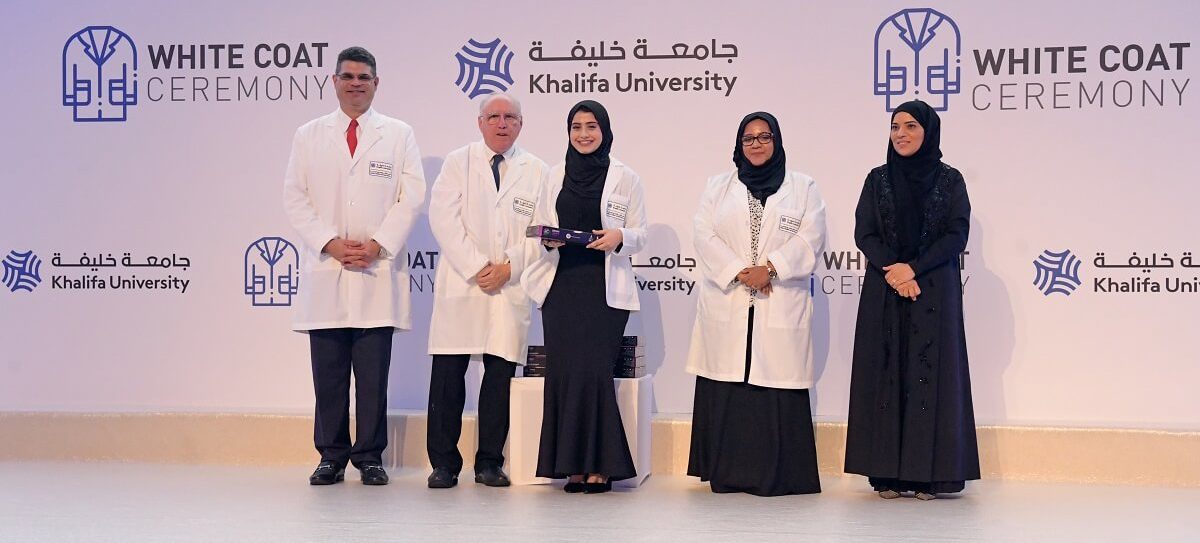
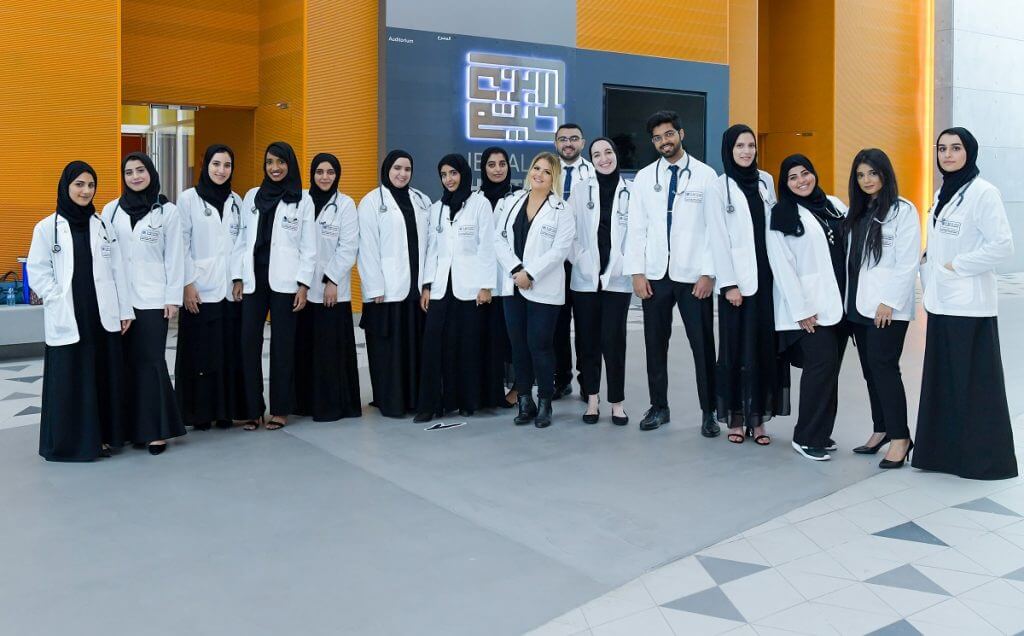
The first day of school is exciting for everyone; but possibly none more so than for the very first class of the College of Medicine and Health Sciences at Khalifa University. The brand new Department of Medicine marked the entrance of the first cohort of students into the medical profession with a White Coat Ceremony held in the Main Campus Auditorium on Tuesday September 10.

A relatively new, but no less momentous ritual, the white coat ceremony is a rite of passage in the journey toward a healthcare career and involves a formal “coating” of students, where each future medical professional receives their white coat.

In the nineteenth century, respect for the certainty of science was in stark contrast to the quackery and mysticism that plagued medicine at the time and to emphasize the transition to the more scientific approach to modern medicine, physicians rejected the black overcoat of yesteryear for the most recognizable symbol of the scientist—the white lab coat.


Before even their first class, students are initiated into the medical profession with the commitment to what their white coat represents: becoming (and staying) proficient in the science and technique of medicine and to the human obligations of being a doctor.

The white coat reminds students of their professional duties by being easily recognizable and a repository for information. Pockets hold reference cards and penlights, reflex hammers and notebooks; the neck is adorned by a stethoscope. Above all, the coat is a cloak of compassion.

Donning the white coat is a promise to pursue medical education diligently and to embody all the vital attributes of a good doctor: compassion, honesty, tolerance and respect. It’s a promise to always strive to be worthy of the privilege of being a doctor and a warm welcome to a profession of status and importance.

Jade Sterling
News and Features Writer
10 September 2019

More than 200 Khalifa University Students Gain Crucial Workplace Experience as Part of 2019 Summer Internship Program

Over 60 Local and International Organizations Offer Students an Opportunity to Chart their Future Professional Careers

More than 200 students from Khalifa University of Science and Technology successfully interned within the UAE at various government organizations, private sector enterprises, and leading multinational corporations, as well as across the world at renowned scientific research institutions, universities, and major companies as part of Khalifa University’s 2019 Summer Internship program. A few students also interned within some of the 18 research centers at Khalifa University campuses.

Over 40 organizations located in the UAE and 20 international organizations across the world, as well as some of the Khalifa University research centers and facilities hosted these interns throughout the summer for the internship program.

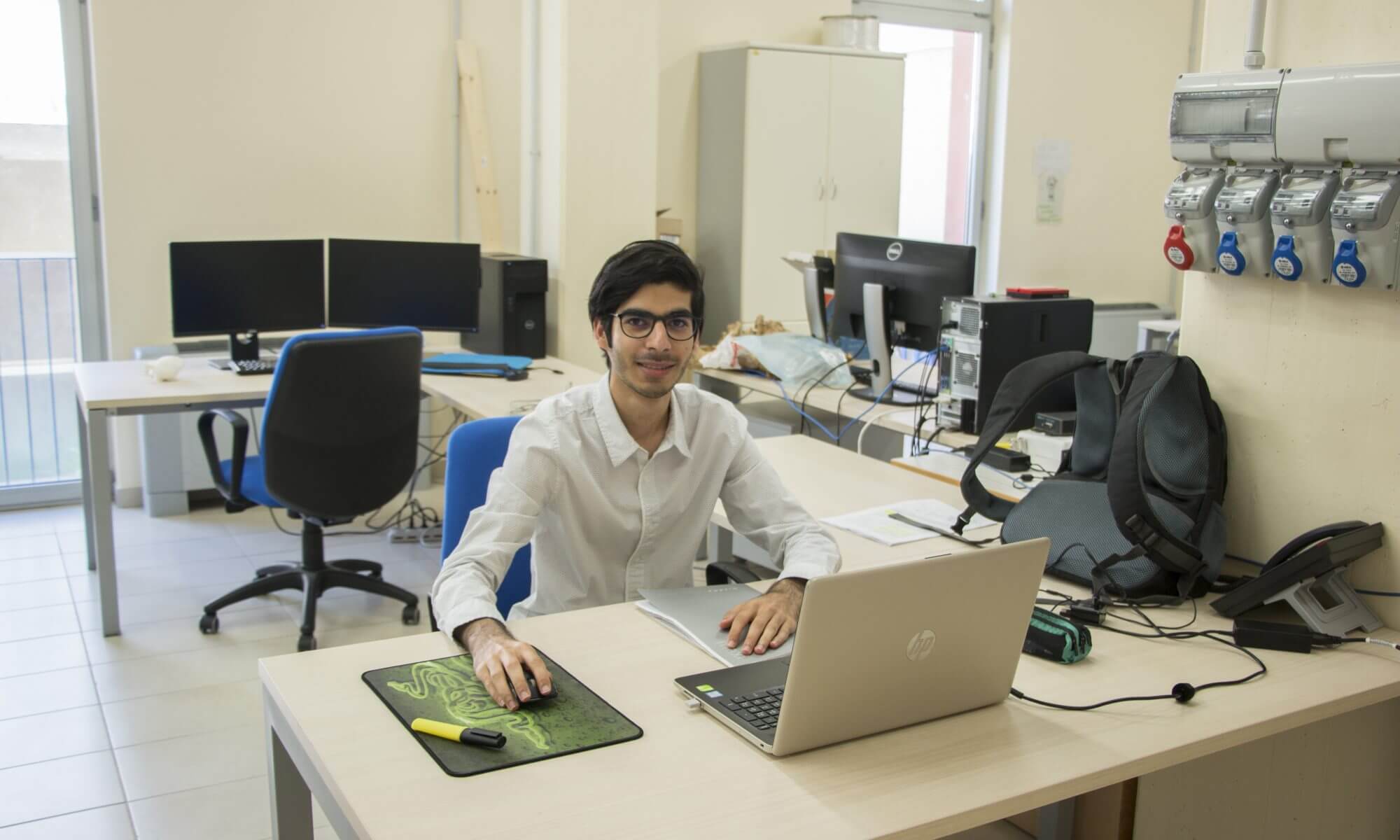
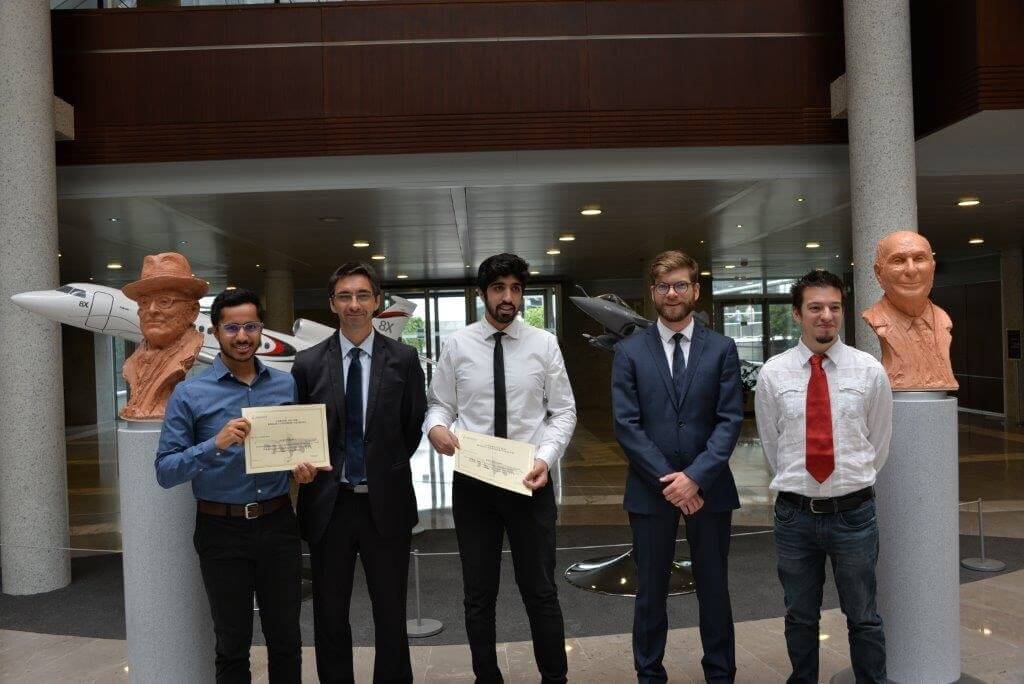
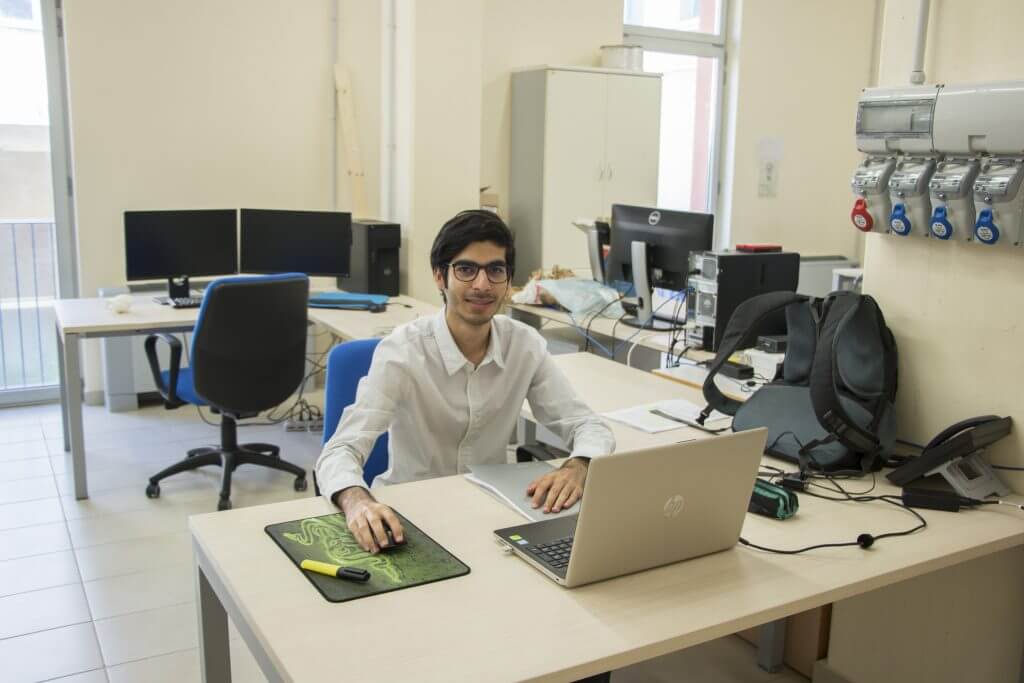
Among these interns were six students who completed their programs at prestigious organizations including the Abu Dhabi National Oil Company (ADNOC) and its group entities, Al Yah Satellite Communications Company (YahSat), Collins Aerospace and Dassault Aviation in France, as well as Italy’s Scuola Superiore Sant’Anna (The Biorobotics Institute) at Pontedera, and the Don Carlo Gnocchi Rehabilitation Center in Florence.

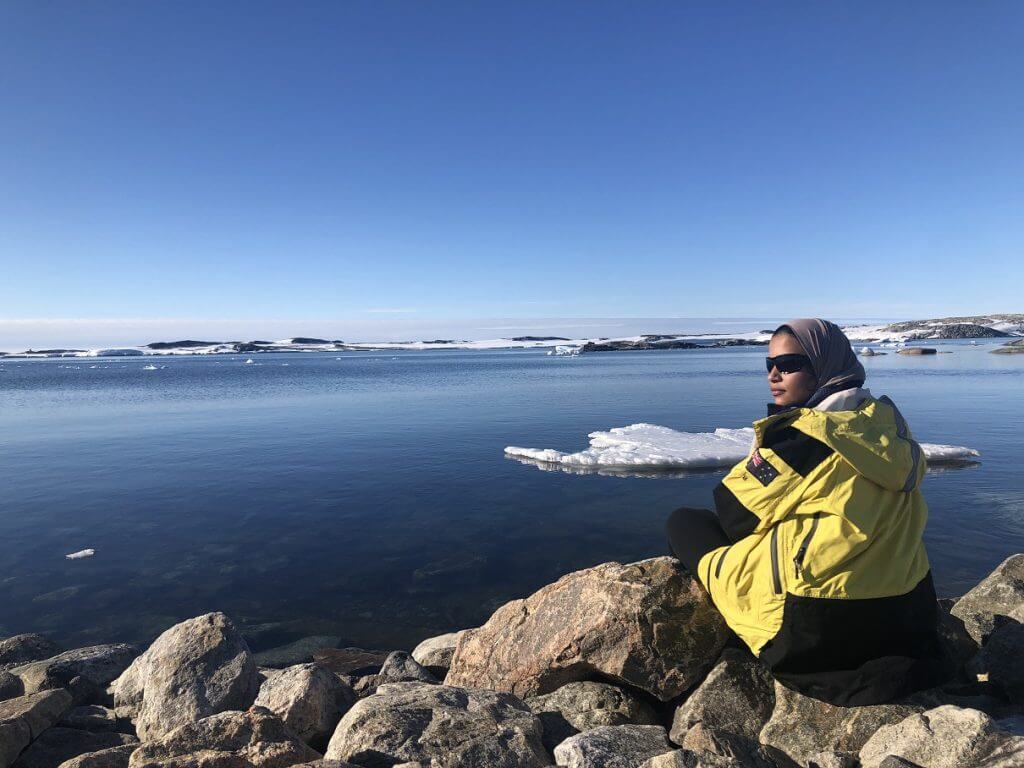
Additionally, a Material Science and Engineering graduate completed her internship in Antarctica, while two Khalifa University alumni interned at The Boeing Company for more than 18 weeks. The range of internships strongly illustrates Khalifa University’s commitment to offer students an opportunity to chart their future.

Interning at the Abu Dhabi National Oil Company (ADNOC) Drilling Company, Electrical Engineering student Sumaya Zaid Saeed Ali Alzubaidi realized the marked difference between the campus life of a student and an engineer’s schedule in a professional setting. During the internship, she was responsible for completing daily tasks for a project allotted by her mentor.

Alzubaidi, who chose ADNOC Drilling because of her special interests in ‘power systems’ and ‘instruments’ sectors, said: “During my internship at ADNOC Drilling, I learnt a lot about the electrical and mechanical components of the drilling rigs, and the different tasks of an electrical engineer.”

Chemical Engineering student Azza Mohamedbara Mohamedfaisal Ragheb Adi interned with the Gas Processing Pipeline Network Division at ADNOC. Site visiting was one of Azza’s main tasks which helped her to closely observe operations and equipment, thus relating theory to practice. She was also was involved in a project that updated the alarm system to ensure safety of operations at the ADNOC Division.

Adi, who emphasized the integral role of internship in a student’s life, said: “I learnt a lot about the oil and gas industry and was introduced to ADNOC’s essential values, which include 100% HSE (health, safety and environment) commitment. I also learnt about the nature of office and site work, which, I believe, will help me decide on my future plans, including my postgraduate studies.”

Communication Engineering student Khuloud Khaled Al Hamdi chose Al Yah Satellite Communications Company (YahSat), a global provider of reliable, innovative and affordable satellite connectivity solutions, for her internship because she felt the world is moving towards satellite communications. Besides, she wanted to do her internship at a place that would offer her the best opportunity to connect the theories she has learnt with the right work environment.

Al Hamdi said: “I was assigned to work with the Systems Engineering team from whom I learned about areas related to communications engineering and satellites such as link budget, channel coding, and digital communications. I also learned about various satellite components and the functioning of each component. Apart from this, I interacted with other teams to learn more about the company and how each team coordinates with the other.” Al Hamdi is now keen to do her Master’s after gaining a few years of work experience.

For Computer Engineering student Omar Abdulla Hasan Ali Almansoori, who completed his internship at Collins Aerospace in Toulouse, France, the experience was significantly different. Collins Aerospace’s Toulouse plant mostly deals with aviation electronics and Almansoori worked with the team responsible for communication devices.

Almansoori said: “This was the first time I had to actively think about the task at hand and use all my knowledge. I also noticed how software engineers work at a typical engineering job. The sort of real-life implementation of the theories I learned at the university was truly an enriching experience.”

Almansoori added that he gained more insight into the functions of an aircraft’s communication software and devices. Though he never considered a career in the aerospace industry earlier, after the internship experience at Collins Aerospace in Toulouse he felt “it was not entirely impossible”. He believes he was lucky to find an internship program in a place full of software engineers who all had a lot of experience in areas where he is only a novice.

Aerospace Engineering student Ali Mustafa Abdulla Mohamed Almusawa chose aerospace pioneer Dassault Aviation in Bordeaux, France, for his summer internship because of its long history in designing and manufacturing civil and military aircrafts. During the program, he was responsible for improving the standards of the Rafale (fighter jet) slats assembly. The ‘slats’ are control devices in an aircraft’s wing.

Almusawa, who believes internship is the perfect opportunity for students to experience the workplace environment, said: “The internship at Dassault Aviation in Bordeaux gave me an excellent overview of the aircraft production processes and techniques, in addition to the latest technology used in military aircraft. I would like to use the knowledge I gained from this internship to improve and enhance the local aerospace industry.”

For Mechanical Engineering Student Abdulaziz Ali Abdulla Abdulaziz Alzurahi with Individual Biomechanics Concentration, it was a joint undergraduate research internship in Italy – at Scuola Superiore Sant’Anna (The Biorobotics Institute, Pontedera, Italy) and at Don Carlo Gnocchi Rehabilitation Center, Florence, Italy.

Alzurahi’s internship program mainly focused on building a complex MATLAB algorithm for patients’ experimental methodologies to measure gait initiation parameters. His research focused on a novel study of children’s motion behaviors, in addition to children’s lower limb muscle study analysis, using the BTS Gait Lab systems.

He said: “I have learnt how an engineer can play a vital role in healthcare research and believe that initiating collaborations between doctors and engineers would dramatically change the medical research industry.” Alzurahi will present his research outcome at the International Biomedical Engineering Conference to be held in Dubai in October 2019.

Earlier in the year, Material Science and Engineering graduate Tawaddod Alkindi became the first student to complete her internship at the Casey research station that is part of the Australian Antarctic station, located on Vincennes Bay in the Windmill Islands, just outside the Antarctic Circle. Also, two alumni – BSc in Mechanical Engineering graduate Sara Almahri and BSc in Aerospace Engineering graduate Hind Saeed Ahmad Mohd Amin – successfully completed their internships with The Boeing Company.

The Khalifa University research centers and facilities that hosted some of the interns during summer include the Center for Biotechnology (BTC), the Center for Membranes and Advanced Water Technology (CMAT), the Center for Autonomous Robotic Systems (KU-CARS), the Math Research Lab, Technology Management and Innovation Center, the Petroleum Engineering Department, the Emirates ICT Innovation Center (EBTIC), the Khalifa Innovation Center (KIC), and the Masdar Institute Solar Platform (MISP). The Emirates Advanced National Research and Education Network (Ankabut) also hosted some interns.

Some of the UAE organizations that offered students the internship opportunity include Abu Dhabi Airports, Abu Dhabi General Services Company-Musanada, Abu Dhabi Police, UAE Armed Forces, Department of Urban Planning and Municipalities, Dolphin Energy, Dubai Civil Aviation, Dubai Police, Emirates airlines, Emirates Nuclear Energy Corporation (ENEC), Etihad Airways, Etisalat, Fujairah Electricity and Water Authority (FEWA), Mohammed Bin Rashid Space Centre (MBRSC), UAE Ministry of Education, Mubadala Petroleum, Shaikh Khalifa Medical City, Strata Manufacturing, UAE Space Agency, and Al Yah Satellite Communications.

Some of the international partners that provided workplace experience to the interns include Beijing Research Institute of Chemical Engineering and Metallurgy, Brain Science Institute (BSI) Riken, Diehl Group of Companies, GAL, GamaLearn, Halcon Systems, Hitachi Central Research Lab in Japan, Honeywell, Huawei, IBM, Japan International Cooperation Center (JICE), Korea Advanced Institute of Science and Technology (KAIST), Liverpool University, Protiviti Global, Rockwell Collins, Schlumberger, Schneider Electric, Siemens, St George’s University London, The BioRobotics Institute Scuola Superiore Sant’Anna, The University of Tokyo, University of Applied Sciences, and Yokogawa Middle East & Africa.

In addition to the summer internship program, Khalifa University also hosts an annual Internship Fair during which a large number of local and international organizations also participate and identify talented students for potential internships and possible future employment.

Clarence Michael
News Writer
11 September 2019


Student Spotlight: Saeed Ahmad Gains Engineering Skills and Valuable Life Lessons at UC Berkeley

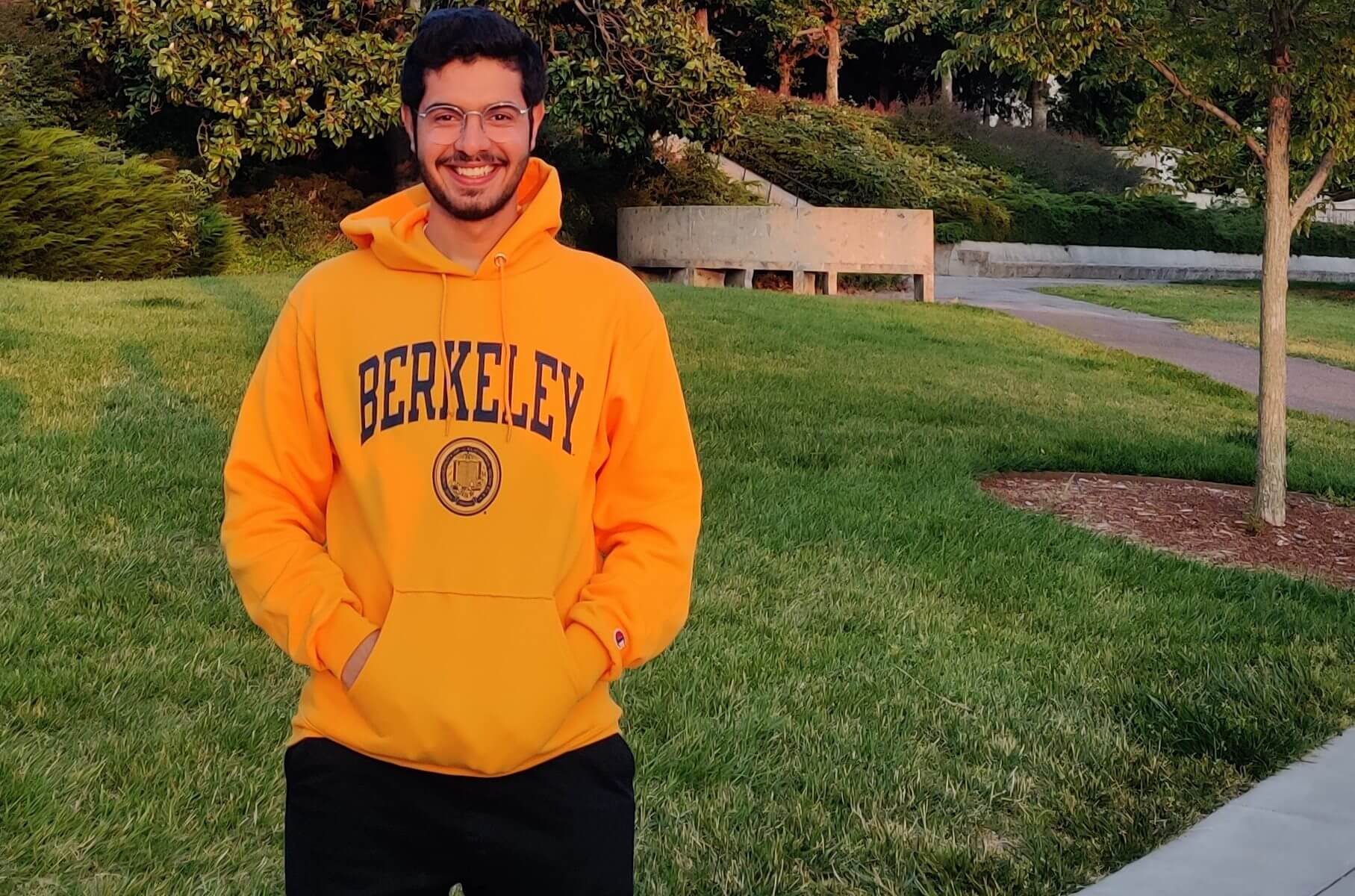
Saeed Ahmad, BSc student in Mechanical Engineering, spent the summer in California, studying at one the US’s top schools, UC Berkeley, during a study abroad program sponsored by the UAE Ministry of Education.

As one of only 30 undergraduate students selected from all universities across the UAE to participate in the MOE’s Ambassadors Program, Saeed is extremely grateful for the study abroad opportunity and described his experience as “unforgettable.”

“I was always motivated to participate in a study abroad program from the moment I began my education at KU. And I am so glad I did it! I would definitely do it again if I could,” Saeed shared.

During his two-and-a-half-month visit, Saeed gained key skills and life lessons that have reinforced his interest in mechanical engineering and in learning.

“This experience reinforced my future goals in many ways. It made me focus more on what’s important in my life. While I was there, I started planning what I am going to do when I come back. For example, I now want learn to learn a third language – Spanish! I also want to do my undergraduate internship somewhere outside the country, for more experience.”

Saeed took the course ‘System Dynamics and Controls’ at UC Berkley, which is one of the most important courses in the field of Mechanical Engineering.

“UC Berkeley is considered as one of the top 10 best engineering schools in the world. The outstanding reputation of the university was enough to push me to apply for it. With so many courses offered there during their 4 summer sessions, it was really easy for me to pick the right course that is relevant to my graduation plan.”

The young mechanical engineer enjoyed learning about the culture and found learning in the classroom with the other students to be truly inspiring.

“One thing I definitely liked about the classes is that everyone seemed to be motivated and well-focused in their studies. In all the classes, students were constantly engaging with the lecturer; positive energy was all around. The classes were quite large compared to our classes here, at KU which gave me the chance to meet many different people of different cultures.”

“I noticed that education seemed more stressful there, but at the same time, the students enjoyed it and dealt with it differently. I could tell that the students were dedicating all their time to building their life so they can be financially stable later on.”

The experience also helped him learn a lot more about himself. “The simplest way to say it would be, I value education. I find passion in learning and educating myself. I find that knowledge is ‘power’. The more you learn, the more successful you become, and the better you handle your life.”

The UAE National hopes to be able to use his education and passion for learning to give back to his country.

“I am extremely motivated by what the country does for its youth, and I want to return this favor by educating myself as much as possible, and use my knowledge and cognitive abilities to improve this country later on in any way. I would also like to thank KU for giving me the chance to be the student that I always wanted to be.”

Erica Solomon
Senior Editor
23 September 2019

First C2PS Symposium on Applied Artificial Intelligence and Cyber Security Hosted at Khalifa University

At its first symposium on September 12, the Center for Cyber-Physical Systems (C2PS) convened center researchers, potential research partners, guest speakers from institutions around the world, and organizations involved in the AI industry to discuss applied artificial intelligence and cybersecurity.

The projects undertaken at the center were proudly presented and framed in the context of how they respond to the major challenges of Industry 4.0, the exponential growth in the size of ambient data, particularly in the context of the Internet of Everything, and the need to ultimately shift from assisted to autonomous intelligence paradigms. Techniques for establishing trust relations among internet-of-everything (IoE) devices, edge processors, cloud-based applications, and other components of the cyber-physical systems (CPS) ecosystem were also highlighted.

“We aim to create understanding and empowerment through support and development of existing technological capabilities and responsibility for global standardization,” said Dr. Ernesto Damiani, C2PS Director. “In doing so, we are improving quality of life, as well as the cyber technology experience for users in the long term.”

After opening remarks from Dr. Arif Al Hammadi, Executive Vice President, and Dr. Steve Griffiths, Senior Vice President of Research and Development, explaining the university’s commitment to researching the complete range of technological areas underlying CPS and supporting the secure technological innovations required to achieve the Abu Dhabi Economic Vision 2030, Dr. Damiani opened the symposium with a presentation on the open problems in artificial intelligence and security.

“We are privileged to live in such a dynamic time where emerging technologies create endless opportunities for value creation,” he said.

“Looking back to the last decade, we can easily highlight the game changers—the discoveries that ushered in a new framework for thinking, spurred scientific enquiry, and revolutionized our lives. Thanks to such discoveries, we no longer assert that something is technologically impossible; we only wonder how long before it will fit in the hand of a child.

“The Internet of Things (IoT) promises to add efficiency at all layers of our globalized society’s fabric. From industry, to business, government, and even entertainment, IT is going to change our lives for the better, enabling a smarter, sustainable future.”

Delegates were offered a glimpse of this future through many presentations, including that of key note speaker Dr. Fakhri Karray, Visiting Professor and Director of the Waterloo University’s Center for Pattern Analysis and Machine Intelligence. Dr. Karray explained the advances in intelligent mobility and how the goal is to design more efficient, more intelligent, and safer transportation systems better suited to the latest advances in information and communication technologies. He laid out the challenges and opportunities in designing the next generation autonomous vehicles and building the more sustainable cities of the future.

Following Dr. Karray, Dr. Naoufel Werghi, Associate Professor at C2PS, introduced the concept of visual data representation and its importance in the process of facial identification. He explained that face recognition applications and distinguishing features within the spectrum of biometric modalities have been rigorously researched, but that there are new challenges to facial data that need to be researched. Dr. Werghi emphasized the vital role of face shape representation when dealing with 3D images and addressed the problem of people identification in fully arbitrary and extreme conditions.

Fellow Research Scholar in C2PS, Dr. Song-Kyoo Kim followed, introducing a framework for how to appropriately adopt and adjust machine learning (ML) techniques to construct electrocardiogram-based (ECG) biometric authentication schemes. The proposed framework can help investigators and developers on ECG-based biometric authentication mechanisms define the boundaries of required datasets and get training data with good quality.

Dr. Ibrahim Elfadel, Professor of Electrical Engineering and Computer Science, was joined by Dr. Rupesh Karn, Postdoctoral Fellow, to survey the field programmable gate array (FPGA) virtualization challenges, and the various solutions proposed by academia and industry to address them. They explained the pressing performance demands of AI workloads have led data centers and cloud service providers to deploy heterogeneous hardware fabrics, including CPUs, GPUs and FGPAs that offer users a wide spectrum of performance and cost options. They concluded that FPGAs provide more hardware flexibility, higher performance, and lower power footprint, but that they present distinct challenges to the deployment of a lightweight virtualization layer that does not hamper the advantages of their bare-metal usage.

Lunch was followed by a presentation from visiting professor Dr. Moataz Ahmed, Associate Professor of Information and Computer Science at King Fahd University of Petroleum and Minerals, on artificial lifts in the oil industry and how automation of their monitoring can improve performance and prevent financial losses. Importantly, he explained how just a one percent improvement in their performance could provide over half a million additional barrels of oil each day worldwide, and that various machine learning methods could be used to monitor conditions, detect anomalies, identify issues, and predict failures in artificial lift devices.

With the tremendous advances in ubiquitous computing, mobile crowd sourcing (MCS) has become an appealing part of IoT, explained KU’s Dr. Rabeb Mizouni, Associate Professor of Computer Engineering, and Engineer Menatella Abououf. They detailed how in MCS systems, workers collect data with a certain quality of service (QoS) and get incentivized in return, but that MCS systems are vulnerable to misbehavior, with workers submitting false or fake reports to degrade the QoS or maximize their profit with minimal costs. They presented a selection approach based on game-theory in their presentation, in which their model detects and eliminates misbehavior.

The final presentation was delivered by visiting scholar Dr. Emanuele Bellini, contributor to the European Virtual Institute for Integrated Risk Management. Dr. Bellini noted that it is cumbersome to evaluate the credibility of messages transmitted on an open and vast network, and that a decentralized trust management system, made possible through block chain technology, can authenticate the messages received from other systems. His talk focused on the adoption of block chain in trust and reputation management systems implementation, highlighting significant trends and providing valuable recommendations.

A panel discussion rounded off the event, with Dr. Damiani closing the symposium.

The C2PS Symposium brought together some of the most innovative minds in cyber-physical systems and computer technology sectors, reflecting KU’s commitment to creating an environment that encourages the sharing of ideas about key areas of science and engineering, which can lead to further innovation and useful collaborations.

Jade Sterling
News and Feature Writer
25 September 2019

Making Incremental Support Vector Regression Greedy to Win the Clash Royale Competition 2019

In a challenge set to teams the world over to construct the most efficient machine learning model, EBTIC walked away with first and second place. Their model to predict win rates of the most popular decks of online video game Clash Royale will now be used to improve the game’s AI engine as well as add new objectively vetted predictive capabilities to the work of EBTIC and its partners.

Clash Royale is a video game combining elements from collectible card games, tower defense and multiplayer online battle arena, mixing all the popular game mechanics into a card-based online video game that surpassed USD2.5 billion revenue in the three years since its launch in 2016.

The game’s objective is to destroy the most opposing towers, with playable troops, buildings, and spells represented as cards. Prior to each battle, players construct a deck of eight cards which they use to attack and defend against their opponent’s cards. Clash Royale is a hugely popular game, and even has its own e-sports world championship.

The machine learning element enters into the game at the very start, with both players beginning with four randomly chosen cards from their deck of eight. Once a card has been played, a new card is automatically drawn from the player’s deck. Dr. Dymitr Ruta and Dr. Ling Cen from EBTIC’s Big Data Analytics group developed a model to achieve the most accurate win rate predictions from the cards chosen. The two researchers enhanced support vector machine models with their own parallelized greedy search algorithms to take first and second place in the competition.

In machine learning, support-vector machines (SVM) are supervised learning models with associated learning algorithms that analyze data and then classify them. Given a set of training examples, each marked as belonging to one or another category, an SVM algorithm builds a model that assigns new examples to each category. Support vector regression (SVR) extends the original capability of the SVM model into the regression space, wherein the relationships among variables are estimated.

“The Challenge focused on efficiently predicting the win rates of the most popular Clash Royale decks in 1v1 play using support vector regression,” explained Dr. Cen. “Specifically, the intention was to find out whether it is possible to build an efficient win-rate prediction model on a relatively small subset of decks, whose win rates were estimated in the past.”

“Support vector regression is a powerful supervised machine learning model especially well-suited to normalized or binarized data,” said Dr. Ruta. “However, its quadratic complexity in the number of training examples eliminates it from training on large datasets, especially high dimensionally data with frequent retraining requirements.”

In other words, support vector regression would not be appropriate to use on large datasets like the Clash Royale Challenge 2019 training dataset, which included 100,000 decks comprising exactly 8 cards out of the total of 90 unique possible cards with accompanied win rates computed for over 160 million games.

“We proposed a simple two-stage greedy selection of training data for SVR to maximize its validation set accuracy at the minimum number of training examples and illustrate the performance of such a strategy in the context of the competition,” continued Dr. Ruta. “Hundreds of thousands of labelled data examples were reduced to just hundreds.”

A greedy algorithm is a simple, intuitive algorithm used in optimization problems. It makes the optimal choice at each step given the data available at each step as it attempts to find the optimal way to solve the entire problem. Such algorithms will take all of the data in a particular problem and then set a rule for which elements to add to the solution at each step.

“With the first place scored by our model, we have demonstrated an extreme efficiency of the proposed data editing strategy, which relatively quickly squeezed out the winning accuracy out of just 1 percent of the original dataset,” said Dr. Ruta. “Our model outperformed over one hundred competitive teams from around the world and our results will now be used to improve the game’s AI engine.”

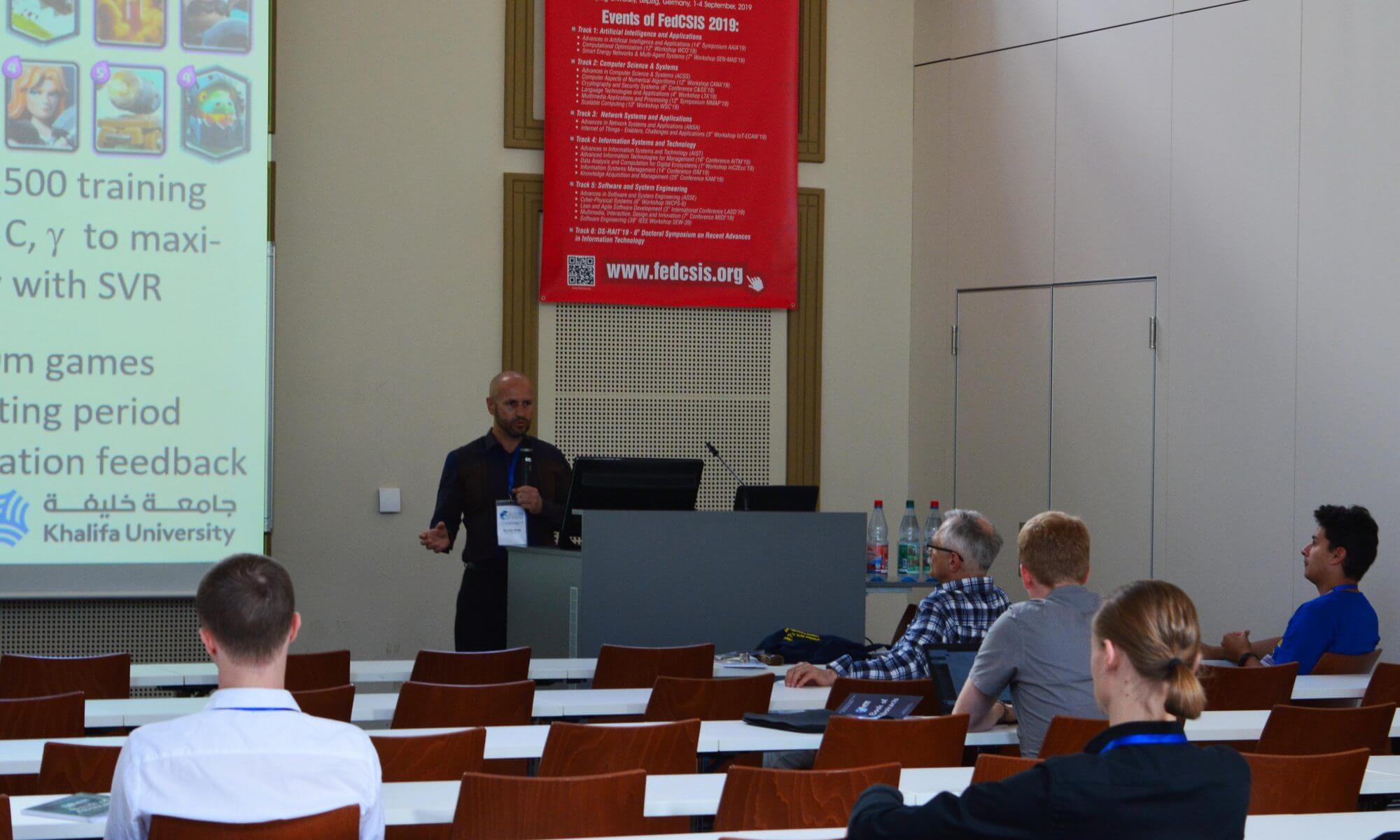
The team was presented with their awards at the Federated Conference on Computer Science and Information Systems (FedCSIS) 2019 conference in September 2019.

Jade Sterling
News and Features Writer
29 September 2019

Graduate Students’ Research and Achievements in Biomedical, Aerospace, and Applied Chemistry fields Illustrate KU’s Enriching Academic Experience

Undergraduate alumni from Khalifa University have myriad opportunities ahead of them, from fulfilling careers to using their education to give back to their communities. Further study is also an option, with many students returning to the university to pursue their academic interests to higher summits, and investigate some of the most pressing science and technology challenges of our time.

With postgraduate admissions open at Khalifa University until October 2019, current students enrolled in Masters and PhD courses share their experiences and research projects here.

Getting to the heart of the problem

Heart disease remains a health concern for UAE residents, as the high prevalence of obesity, diabetes, high cholesterol and increasing stress levels contributes to greater strain on the hearts of the nation. Cardiologists also warn of the blood thickening that can occur during long periods spent in the heat; with Emirati nationals more prone to cardiovascular diseases, life in the desert poses a certain risk to the population here. Many of the at-risk residents will require heart surgery at some point. Hessa Alfalahi, studying for her MSc in Biomedical Engineering, recognized that while minimally invasive cardiac surgeries (MICS) are performed as a safer alternative to traditional open-heart surgeries in many cases, the robotic catheter systems developed to assist in this surgery suffer from control uncertainty—the forces and torques applied at the proximal end of the catheter are not purely and smoothly transmitted to the distal end. This can lead to catheter positioning errors and even tissue damage, while the lack of force control makes reaching certain sites difficult.

Alfalahi’s research involves designing a concentric tube robotic catheter with “zero” stiffness, thought to be the optimal solution to the engineering design problem seen in conventional robotic catheter systems. Her solution will see constant contact force between the catheter tip and the cardiac wall regardless of its displacement, achieving a synchronized motion with the rhythmic beating of the heart.

Cardiac catheterization is a procedure used to diagnose and treat many heart problems, with one major limitation to the surgical technique being the inability to manually manipulate the catheter to follow the high-speed motion of the heart. Alfalahi’s innovative solution could see heart surgeries become safer and easier for patients in the UAE and around the world.

“Here at KU, we are not taught to be typical engineers—we are taught to be leaders and to take part in the technological revolution within the region,” said Alfalahi. “KU offers a motivating environment for students interested in research, especially with the establishment of several research centers. The diversity of research projects proposed in different engineering and scientific disciplines, the excellent supervision from our faculty, and the availability of research laboratories and other facilities have all encouraged me to pursue my postgraduate studies at KU.”

Reaching the great ‘out-there’

From internal surgery to exploring the outer regions of our solar system, Adham Alkhaja, PhD student in Aerospace Engineering, is taking his research interests off-world and designing spacecraft trajectories to explore the giant planets. The outer planets—Jupiter, Saturn, Uranus and Neptune—are particularly interesting in terms of what they can reveal about the origin and evolution of the solar system. They are also local analogs for the many extra-solar planets that have been detected over the past twenty years.

The problem with exploring them? They’re very far away. Getting a spacecraft to Jupiter or Saturn can be achieved, but once the spacecraft is in orbit around the planet, the major challenge is to identify fuel- and time-efficient strategies for an exploration tour. Being so far from the sun, the solar radiation needed for electrical power generation is scarce and the communication link needed with the scientists back on Earth adds further geometrical and time constraints to trajectory and maneuver design. Alkhaja’s project builds upon state-of-the-art solutions in this field and uses the most advanced astrodynamics tools to further our understanding of our own solar neighborhood and provide the foundations for understanding distant planetary systems.
“Space has always been my passion and studying at Khalifa University has brought my passion to life,” said Alkhaja. “It has given me the opportunity to work with professionals on a project that addresses critical issues in spacecraft mission design. Also, the courses are led by experts who explain the latest developments in the field while sharing their practical experiences from the industry; this has given me the full picture and prepared me to start contributing to the field. I am grateful for all the tools this university has provided and how it has prepared me to contribute to the UAE space workforce.”

Serving the nation and protecting the planet

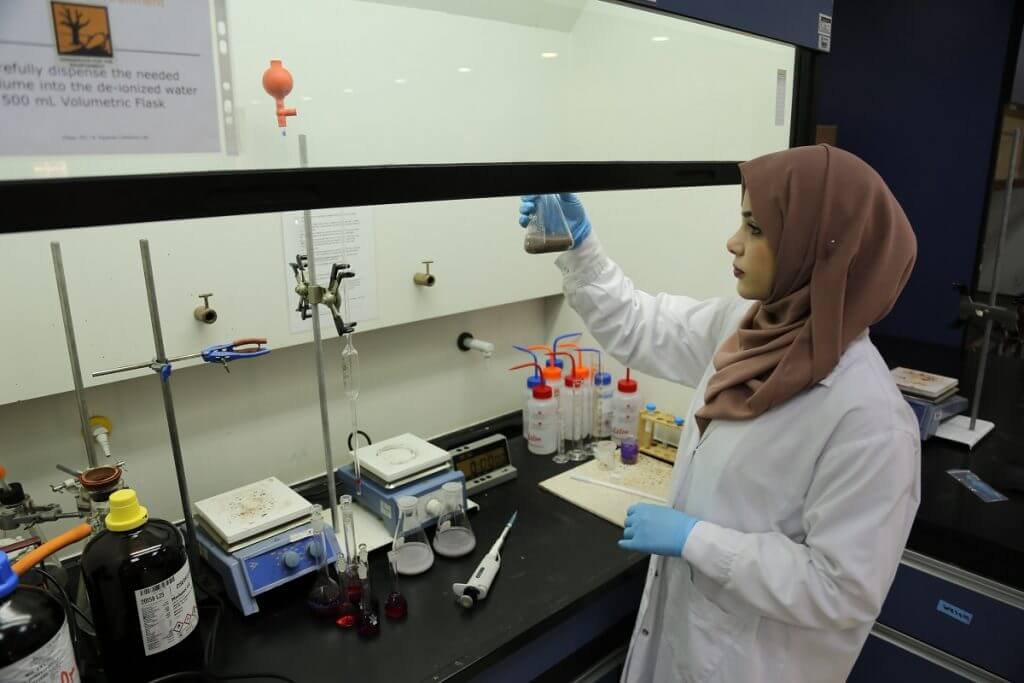
Back on planet Earth, Hebah Sami, Msc student in Applied Chemistry, is working on protecting the environment and human life with her project, capturing hydrogen sulfide from Claus tail gas. The Claus process recovers elemental sulfur from the gaseous hydrogen sulfide found in raw natural gas and from the by-product gases derived from refining crude oil. The Claus tail gas is the gas produced in a refinery and not required for any further processing, meaning most of the sulfur has already been recovered. However, even the small amount of sulfur compounds remaining in the tail gas needs removing.

Hydrogen sulfide is one of the major environmental pollutants, with many industrial sectors focused on controlling and monitoring the concentration of hydrogen sulfide in the environment—as little as tens of parts per million may cause severe health problems in humans and at high concentrations leads to death. Hydrogen sulfide also undergoes a chemical reaction to form sulfuric acid, which is highly corrosive and responsible for damaging metallic parts like tanks and pipes in various industries. Sami’s project investigates the interaction and adsorption of hydrogen sulfide gas on nanoparticles to aid in the removal of hydrogen sulfide from Claus tail gas in the UAE. Her research is of such interest to the nation that her project to synthesis a hybrid material for the removal of hydrogen sulfide is sponsored by ADNOC.

Jade Sterling
News and Features Writer
02 October 2019


Criteria for Learning Without Forgetting in Artificial Neural Networks

Winning the Best Paper Award at the IEEE International Conference on Cognitive Computing, Dr. Ibrahim Elfadel, Professor of Electrical and Computer Engineering, and his group use novel algorithms to better predict information saturation in artificial neural networks.

Artificial intelligence (AI) systems have achieved state-of-the-art performance in many machine learning tasks, but are yet to outperform the human brain, not least because they keep forgetting previously learned information. In a paper which won the Best Paper Award at the IEEE International Conference on Cognitive Computing, Milan, Italy, in July 2019, Dr. Ibrahim Elfadel, Professor of Electrical Engineering and Computer Science and Principal Investigator with the KU Center for Cyber Physical Systems, Dr. Rupesh Raj Karn, Postdoctoral Fellow, and Dr. Prabhakar Kudva, IBM Research Staff Member address this important problem of forgetful systems.

Artificial neural networks (ANN) are computing systems inspired by biological neural networks found in animal brains. Such systems learn to perform tasks by considering examples, generally without being programmed with task-specific rules. In image recognition, for example, an ANN may learn to identify images that contain cats by being trained on example images that have been manually labelled as “cat” or “not cat” and then using these the trained network to identify cats in other images. They do this without any prior knowledge of what constitutes a cat—i.e. that they have tails, whiskers and fur—by generating identifying characteristics from the examples they process.

However, when building a system or adding new capabilities, increasing the number of tasks required means that the system must preserve the inference accuracy based on the original data while incrementally training on additional data. For example, a robot may be delivered to a customer’s house with a set of default object recognition capabilities, but new site-specific object models may needed for the robot to navigate in the presence of objects not included in the original training set.

“Traditional machine learning models have typically assumed that all the training data is available prior to the model building phase,” explained Dr. Elfadel. “Very often, this is not the case.”

ANNs, especially those with multiple interconnected layers of neurons, also known as Deep Neural Networks (DNNs), have a higher capacity for progressive learning than other traditional machine learning models, mainly due to the potentially large number of parameters which can be tuned to incrementally build more accurate models. “However, even progressive learning on such DNNs cannot go on forever,” said Dr. Elfadel.

Programming AI to Not Forget with Task Progressive Learning

Catastrophic forgetting is the tendency of an ANN to completely and abruptly forget previously learned information upon learning new information. This makes continual learning difficult. While an ANN is based on the design of the human brain, there’s a fundamental difference between the two: humans leverage prior experiences to acquire new knowledge, but an AI system almost always needs to start from scratch. Granting ANNs with this ability is a cognitive computing conundrum.

“You can think of it this way: in an ANN (and possibly also in the human brain) memory data is encoded diffusively in the weights of the connections between the neurons,” explained Dr. Elfadel. “It is not easy to pin down the memory cells undergoing catastrophic forgetting. Nor is it easy to pin down what is being forgotten among already stored data.”

One possible solution is task progressive learning. This should effectively transfer knowledge across a series of tasks, incorporating prior knowledge at each layer by reusing old computations in learning new ones. Progressive networks are designed to retain a pool of pre-trained models throughout training and learn lateral connections to extract useful features for new tasks—much like the human brain does.

“Task progressive learning without catastrophic forgetting using artificial neural networks has demonstrated viability and promise,” said Dr. Elfadel. “Due to the large number of ANN hyper-parameters, a model already trained over a group of tasks can further learn a new task without forgetting the previous ones.”

Several algorithms have been proposed for progressive learning, including synaptic weight consolidation, ensemble, rehearsal, and sparse coding.

Detecting Information Saturation in ANNs

“One major problem with such methods, however, is that they fail to detect the congestion in the ANN shared parameter space to indicate the saturation of the existing network and its inability to add new tasks using progressive learning,” explained Dr. Elfadel. “The detection of such saturation is especially needed to avoid the catastrophic forgetting of old trained tasks and the concurrent loss in their generalization quality.

An ANN is based on a collection of connected units called artificial neurons, with each connection able to transmit a signal to other neurons. An artificial neuron that receives a signal then processes it and signals other neurons connected to it. These connections have a “weight” that adjusts as learning proceeds. The weight increases or decreases the strength of the signal at a connection.

“In all these methods, the set of ANN weights needed to accommodate the new tasks grow with their number. Intuitively, the ANN should become congested as soon as the set size is too high relative to the total number of weights. This intuitive congestion measure is clearly correlated with the onset of catastrophic forgetting.”

“In progressive learning, a tuning criterion is typically applied over the trajectory of ‘important’ ANN parameters in weight space so that their contours do not deviate much with respect to those defined by older tasks,” explained Dr. Elfadel. “The basic idea is that in an ANN, congestion should be detected when all of the parameters become ‘important’ for the training of older tasks. Once this is achieved, a barrier to progressive learning is created, and any further learning of new tasks would result in the catastrophic forgetting of older tasks.”

The paper proposes a methodology for ANN congestion detection based on computing the Hessian of the ANN loss function at the optimal weights for a group of previously learned tasks. In mathematics, the Hessian describes the local curvature of a function of many variables.

Predicting Saturation with Heuristic Algorithms

“Since the Hessian calculation is compute-intensive, we provide Hessian approximation heuristics that are computationally efficient,” said Dr. Elfadel. “The algorithms are implemented and analyzed in the context of two cloud network security datasets with results showing that the proposed metrics give an accurate assessment of the ANN progressive learning capacity for these datasets. Furthermore, the results show that progressive learning capacity is very much data-dependent with the network security data sets exhibiting higher congestion thresholds for progressive learning than the more traditional image data sets used in DNNs.”

The paper describes how a snapshot of the parameters is taken after each progressive training phase, with the rank of the loss function Hessian measured at these parameters. Closeness to full rank is indicator of a congestion risk in the ANN and of possible catastrophic forgetting.

“Our work provides a way to measure congestion and can be applied to several incremental learning paradigms such as multi-task continual learning, transfer learning, and progressive learning, to measure the risk of catastrophic forgetting with the learning of newer tasks,” said Dr. Elfadel. “We are very pleased with this award and grateful to the KU Institute for Artificial Intelligence and Intelligent Systems and its Center of Cyber Physical Systems for facilitating our participation in this IEEE conference. We hope that our techniques will become part of the automated machine learning design toolbox of data scientists and cognitive system designers.”

Jade Sterling
News and Features Writer
6 October 2019