



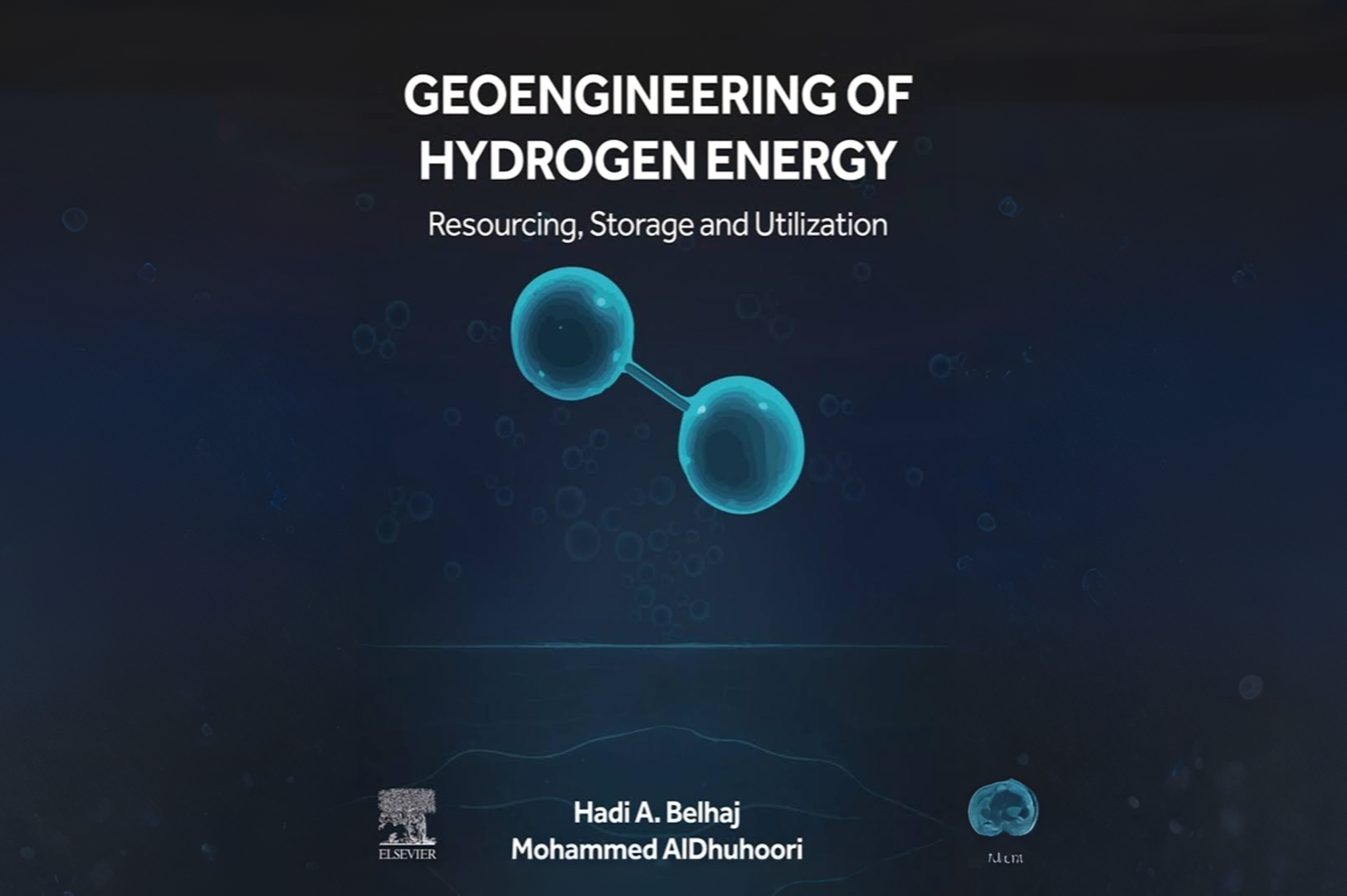
Structured to Help Students, Dr. Mohammed AlDhuhoori’s ‘Geoengineering of Hydrogen Energy’ Offers End-of-Chapter Exercises
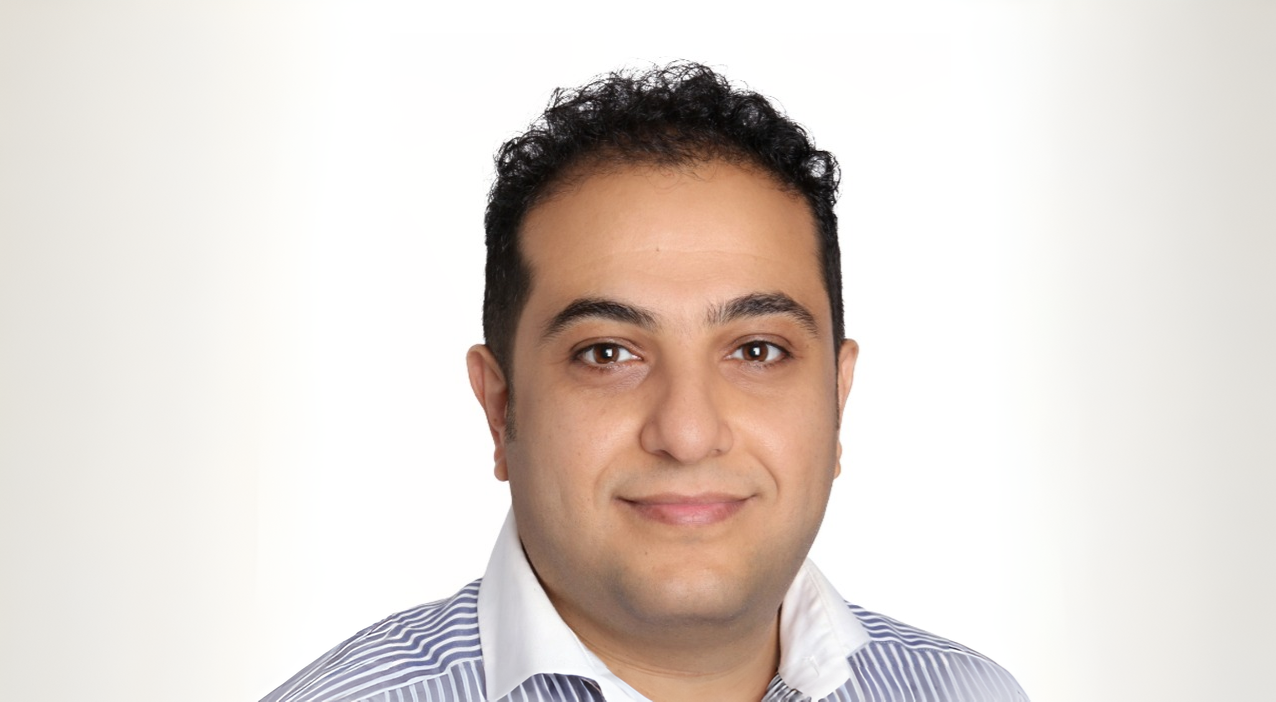
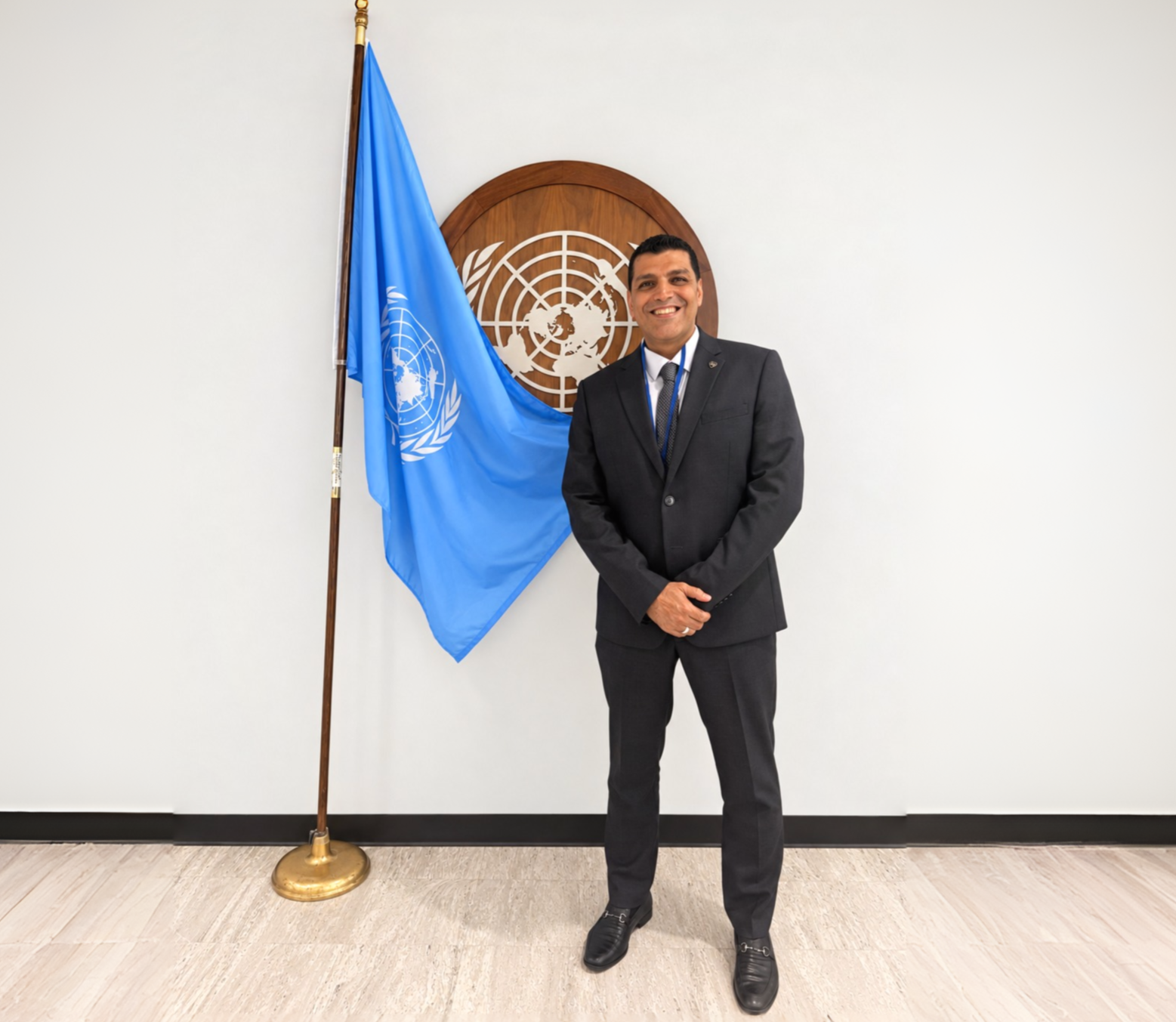
Dr. Mohammed AlDhuhoori, a Postdoctoral Fellow under the National Faculty Development Program at Khalifa University, has published a book titled ‘Geoengineering of Hydrogen Energy’ in collaboration with his advisor and former faculty Dr. Hadi Belhaj.
Available online on Elsevier’s official website, the book has been developed with a strong educational focus and is aligned with the United Nations Sustainable Development (SDG) Goals, SDG 7 (Affordable and Clean Energy) and SDG 13 (Climate Action).
The book fills the knowledge gap of currently fragmented literature on connecting hydrogen energy to full-scale energy transition. It meets the diverse needs of academia and industry by providing a combination of hydrogen subsurface storage basics, advances, and applications, making it suitable for university students interested in energy, environmental, and industrial disciplines with end-of-chapter exercises, and relevant to energy engineering researchers and practicing energy engineers.
Drawing from a combination of contemporary global laboratory investigations, modelling approaches and breakthroughs, pilots, case studies, and hydrogen storage projects, Dr. AlDhuhoori’s unified volume collects, filters, and summarizes developments to deliver a comprehensive resource in this field.
The book also considers critical questions of viability and sustainability with a goal of increasing understanding of fundamentals and furthering applications of hydrogen subsurface storage.
At Khalifa University, AlDhuhoori’s research focuses on the potential for underground hydrogen storage in the UAE, evaluating its applicability and economic viability, while advancing the understanding of hydrogen-related geo-mechanical, geo-chemical and microbial phenomena that remains underexplored.
Dr. Mohammed AlDhuhoori said: “Hydrogen energy represents more than an alternative fuel as it is a cornerstone of a resilient, low carbon future. I am grateful to my faculty adviser, and Dr. Ali Elkamel, Chair, Chemical and Petroleum Engineering Department, as well as Dr. Mohammed Al Kobaisi, Director, National Faculty Development Program, for helping me to further expand my work in hydrogen research. This book is written for students, researchers, engineers, and decision-makers, bringing together geoengineering principles and hydrogen energy technologies to present a rigorous, systems level perspective on how subsurface resources, advanced engineering, and sustainability can converge to support the global energy transition.”
Clarence Michael
English Editor – Specialist