



Ahead of 2026 UN Water Conference the UAE-Anchored Platform Will Unite Research, Policy and Industry to Advance Water Security and Accelerate Action on UN SDG 6
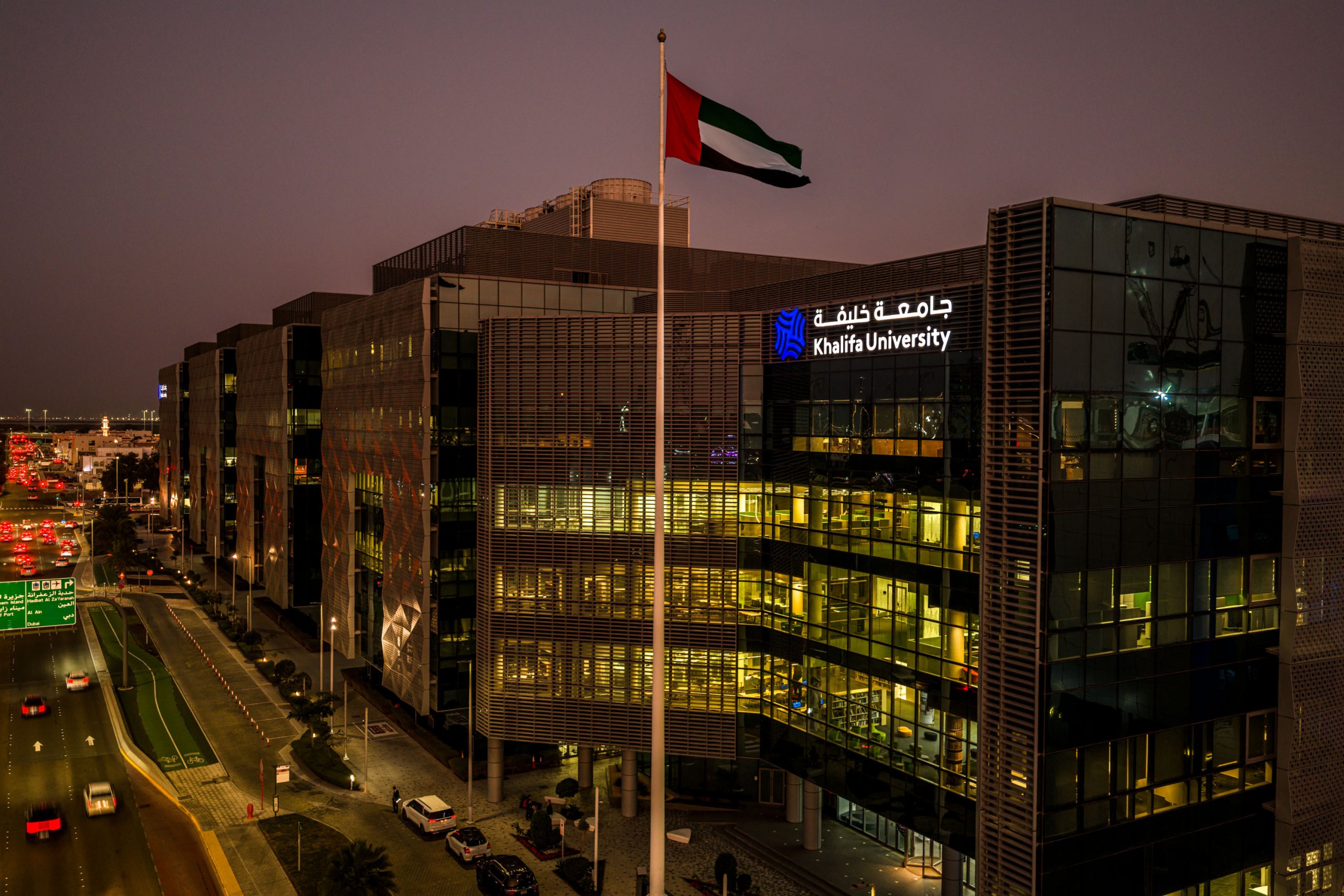
Khalifa University of Science and Technology today announced the establishment of the UNESCO Chair on Global Water Resilience, Innovation and Sustainable Solutions, creating a UAE-anchored global platform connecting scientific research, innovation, policy and implementation to accelerate the development and deployment of sustainable water solutions.
Hosted by Khalifa University through its Center for Membranes and Advanced Water Technology (CMAT), the Chair will address the growing need for resilient and sustainable water systems amid increasing pressures from climate change, population growth and rising demand. It will bring together researchers, government entities, academia and industry partners to advance solutions in water treatment, desalination, wastewater reuse and sustainable water management, while strengthening international cooperation, talent development and evidence-based water governance.
The Chair was established on 30 June 2026, ahead of the UAE’s co-hosting of the 2026 United Nations Water Conference with Senegal in Abu Dhabi, from 8–10 December. It will contribute to the UAE’s broader efforts to accelerate progress towards the Sustainable Development Goal 6 on clean water and sanitation, connecting scientific knowledge and technological innovation with policy and practical implementation.
The Chair’s global network includes internationally recognized academic institutions across Europe, Asia, North America and Australia. The network will support joint research, researcher and student mobility, knowledge exchange and capacity development, strengthening pathways from scientific discovery to practical application.
Its research agenda spans six areas: water security and climate resilience; water treatment, reuse and circular solutions; membrane science and advanced water technologies; water quality monitoring and sensing; nature-based solutions; and water policy and governance. Through joint research and international collaboration, the Chair will advance more efficient, resilient and sustainable water systems.
For the UAE, the Chair will contribute to building institutional capability aligned with the UAE Water Security Strategy 2036 and the UAE Net Zero by 2050 Strategic Initiative, while strengthening the country’s contribution to global water cooperation and reinforcing Abu Dhabi’s position as a hub for water research, innovation and policy dialogue.
H.E. Professor Ebrahim Al Hajri, President of Khalifa University, said: “Water security will be defined by how effectively and rapidly the world can turn knowledge into action. This UNESCO Chair gives Khalifa University and its partners a powerful platform to accelerate that transition at scale, reinforcing the UAE’s position as a convener of global water solutions. It also demonstrates that Khalifa University is not simply contributing to the conversation. We are building the partnerships, talent and technologies capable of delivering measurable change. I extend my appreciation to the teams at Khalifa University and our partners whose commitment and collaborative efforts have made this achievement possible.”
H.E. Sheikh Salem Al Qassimi, Minister of Culture and Chair of the UAE National Commission for Education, Culture and Science, said: “The establishment of the UNESCO Chair on Global Water Resilience, Innovation and Sustainable Solutions at Khalifa University reflects the UAE’s commitment to advancing knowledge and innovation in addressing global challenges. This milestone marks the UAE’s fourth UNESCO Chair as part of the Organization’s global network, reinforcing the UAE’s role in fostering collective action on water resilience for a more sustainable future. Through the UAE National Commission for Education, Culture and Science, we are proud to continue supporting initiatives that strengthen collaboration between national institutions and UNESCO, while creating opportunities for international cooperation in research, knowledge exchange and capacity building.”
Dr. Abou Amani, Director of the Division of Water Sciences in UNESCO’s Natural Sciences Sector and Secretary of the Intergovernmental Hydrological Programme (IHP) said: “Water resilience will increasingly depend on our ability to connect science, innovation, and the next generation of talent. The new UNESCO Chair on Global Water Resilience, Innovation and Sustainable Solutions at Khalifa University of Science and Technology, Abu Dhabi, UAE hosts the UNESCO IHP Youth4Water Flagship Initiative which provides an important platform to advance this ambition, translating knowledge into solutions, strengthening international cooperation, and empowering young scientists and innovators to help shape the future of water. UNESCO IHP is committed to ensuring that young people are not only beneficiaries of this transformation, but active contributors to it.”
His Excellency Abdulla Balalaa, Assistant Minister of Foreign Affairs for Energy and Sustainability, said: “Water is at the heart of sustainable development, human dignity and economic prosperity. The establishment of the UNESCO Chair on Global Water Resilience, Innovation and Sustainable Solutions demonstrates the vital role that science, innovation and international cooperation must play in addressing shared water challenges. By bringing together researchers, policymakers and industry leaders, the Chair will help strengthen the partnerships, knowledge and practical solutions needed to accelerate progress on Sustainable Development Goal 6.”
“As the UAE prepares to co-host the 2026 United Nations Water Conference with Senegal, initiatives such as this will play an important role in advancing knowledge, developing practical solutions and helping translate ambition into action for communities around the world.”
H.E. Ali Al Hajj Al Ali, Ambassador and Permanent Delegate of the UAE to UNESCO said: “The establishment of this UNESCO Chair marks an important milestone for the UAE on the road to the 2026 UN Water Conference in Abu Dhabi. Together with Khalifa University’s leadership of UNESCO’s Youth4Water flagship initiative, it demonstrates how science, policy and youth engagement can come together to advance international water cooperation. At a time when water increasingly connects questions of development, resilience and peace, these platforms can help turn shared challenges into opportunities for dialogue and collective action.”
Professor Shadi W. Hasan, Chairholder of the UNESCO Chair on Global Water Resilience, Innovation and Sustainable Solutions, Chair of the Youth4Water Advisory Board, Chair of the Global Water Hackathon, and Director, CMAT, Khalifa University, said: “This Chair is designed for impact, and we will connect leading researchers with policymakers and industry to accelerate the development and adoption of sustainable water technologies. Our ambition is to move solutions beyond the laboratory, strengthen technical and institutional capacity, and deliver measurable advances in water resilience.”
A central pillar of the Chair will be developing the next generation of researchers, engineers and policymakers through international research collaborations, student and scholar exchanges, graduate courses and capacity-building programs. The Chair aims to deliver 10 international research projects and more than 20 high-impact publications, while connecting scientific evidence with policy and decision-making on water security, climate adaptation and sustainable development.
In the lead-up to the 2026 UN Water Conference, key initiatives have already been launched, including the UNESCO IHP Youth4Water Flagship Initiative and the Global Water Hackathon 2026, an international research and innovation competition in partnership with UNESCO. The Hackathon winners will be announced during the UN Water Conference, with AED290,000 in cash prizes recognizing innovative solutions developed by young people from around the world to address key water challenges.
The establishment of the Chair builds on Khalifa University’s specialist capabilities in advanced water technologies and its multidisciplinary research ecosystem.
Through the Chair’s global network, research programs and capacity-development activities, Khalifa University will further strengthen its contribution to water research, innovation and the development of solutions with real-world impact.