



Study Finds Nanocellulose Fibers Extracted from Food Waste Can Enhance Soil’s Water Retention, Mechanical Strength, and Nutrient Availability
Khalifa University of Science and Technology today announced its researchers have developed a cost-effective, sustainable technology to improve sandy soils using nanocellulose fibers extracted from pineapple peel waste, in order to address critical challenges in water scarcity, soil degradation, and food security across arid regions.
The study titled ‘Evaluating nanocellulose from food waste as a functional amendment for sandy soils: Linking fiber structure to water dynamics, soil mechanics, and plant-microbe interactions’, was published in the Journal of Bioresources and Bioproducts, a top 1% journal. It demonstrates how nanocellulose fibers can transform sandy soils into fertile ground by enhancing water retention, mechanical strength, and nutrient availability. Researchers also evaluated how well these fiber-soil mixes resist breakdown over time and how they help retain nutrients for plants.
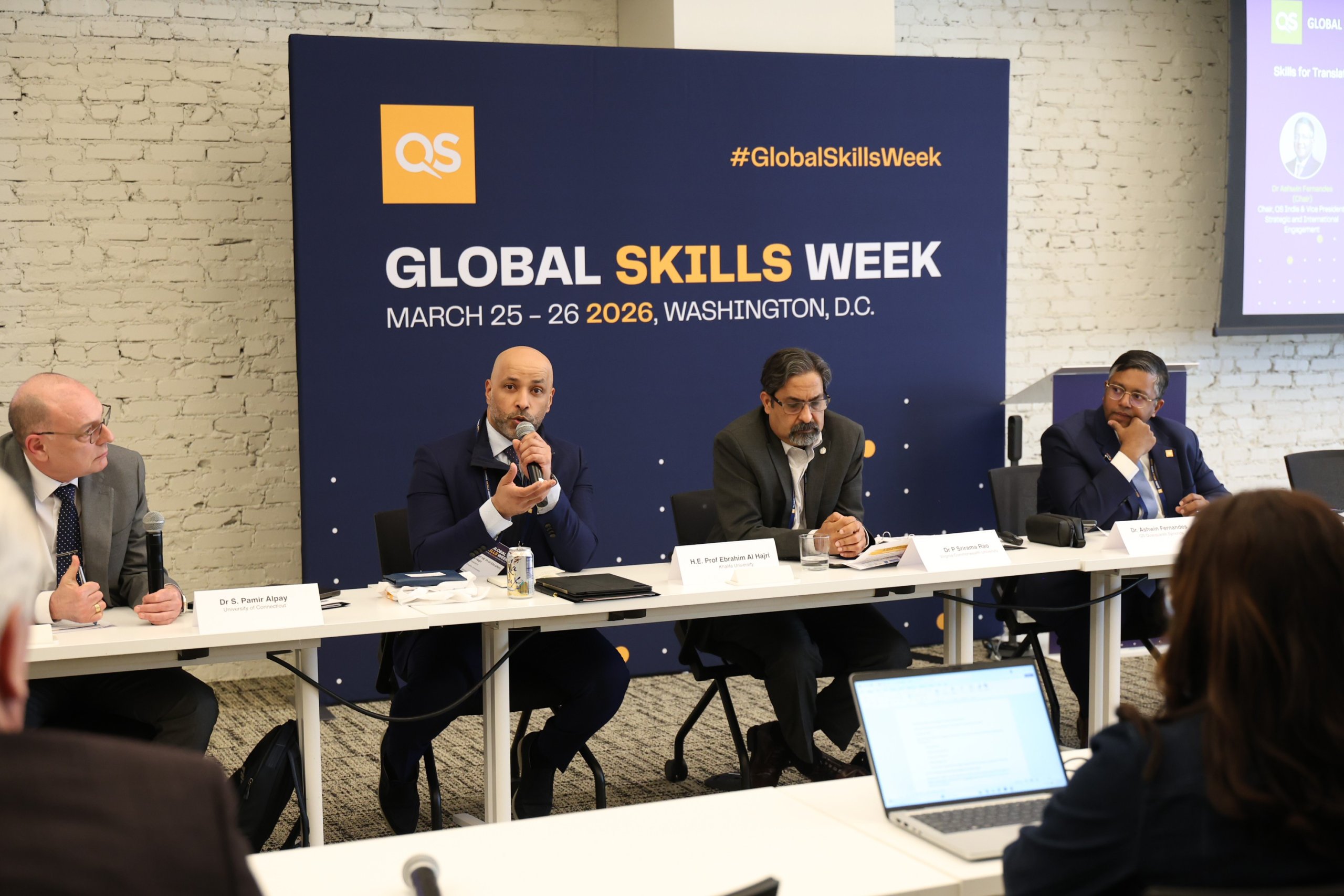
His Excellency Prof. Ebrahim Al Hajri, President, Khalifa said: “Khalifa University researchers have developed this novel method that can transform arid regions into green areas, illustrating the region-relevant research that aligns with the UAE’s objectives towards achieving food security and tackling water scarcity. This solution could be a boon to the Middle East and North Africa regions, which face severe challenges in soil fertility and water scarcity. This scalable, low-cost solution that leverages local waste streams to restore degraded soils and enable sustainable agriculture, will also benefit the environment and sustainable development.”
The paper was authored by M. Haidar Ali Dali, Dr. Mohamed Hamid Salim, Malak AbuZaid, Maryam Omar Subhi Qassem, Dr. Faisal Al Marzooqi, Dr. Andrea Ceriani, Alessandro Decarlis, Ludovic Francis Dumée, and Blaise Leopold Tardy. Khalifa University researchers represent the Department of Chemical and Petroleum Engineering, Food Security and Technology Center (FSTC), Research and Innovation Center on CO2 and Hydrogen (RICH), and the Center for Membrane and Advanced Water Technology (CMAT).
Micro- and nanofibers can significantly improve soil by enhancing water transport and mechanical cohesion, which are crucial for sustaining life in sandy soils. Pineapple peels, a common hospitality by-product, were processed into nano-scale cellulose fibers using eco-friendly mechanochemical methods. Researchers have found that adding just 2% nanocellulose to sandy soils can enhance soil performance significantly. It is found to reduce water permeability by 58%, increase water-holding capacity by 32.7%, and imbue compressive strength of up to 0.5 Mpa (megapascals).
These nanocellulose fibers were tested on three desert sand types to assess improvements in compressive strength, water holding capacity, permeability, and evaporation rates. Such fibers helped plant growth as researchers found tomato seedlings grown in fiber-amended sand showed higher survival rates and healthier development at optimal fiber levels. As desert sands are unable to biodegrade the fibers, they will act until the soil is regenerated to support both microbial and plant growth. In addition, this approach supports circular bioeconomy goals by repurposing food waste and reducing reliance on conventional soil amendments, contributing to carbon storage and soil health improvement.
Dr. Blaise Leopold Tardy said: “Our research has established that food waste – if adapted to desert soil needs – can be a powerful resource for soil restoration, especially in regions that face water shortage and poor soil. Nanocellulose fibers not only improve water dynamics but also strengthen soil structure, paving the way for greener deserts. This technology can also be integrated into desert agriculture programs, soil restoration projects, and food security policies.”
Clarence Michael
English Editor – Specialist