




Six International Research Teams Identify Key Public Health Insights Using World Bank, WHO, and UN Data
A total of 31 students from Khalifa University, the University of Maryland, Baltimore County (UMBC), and Miami University presented the results of a semester-long international research collaboration at the 2026 UAE-U.S. Research Conference on Youth Well-Being and the United Nations Sustainable Development Goals (UN SDGs). The initiative highlighted the impact of economic, environmental, and social factors on global public health outcomes.
Students presented virtually at the conference, which marked the culmination of the Spring 2026 Youth Well-Being virtual exchange program. Supported by the Stevens Initiative, this program connects undergraduate students in UAE and U.S. through collaborative research and virtual exchange.
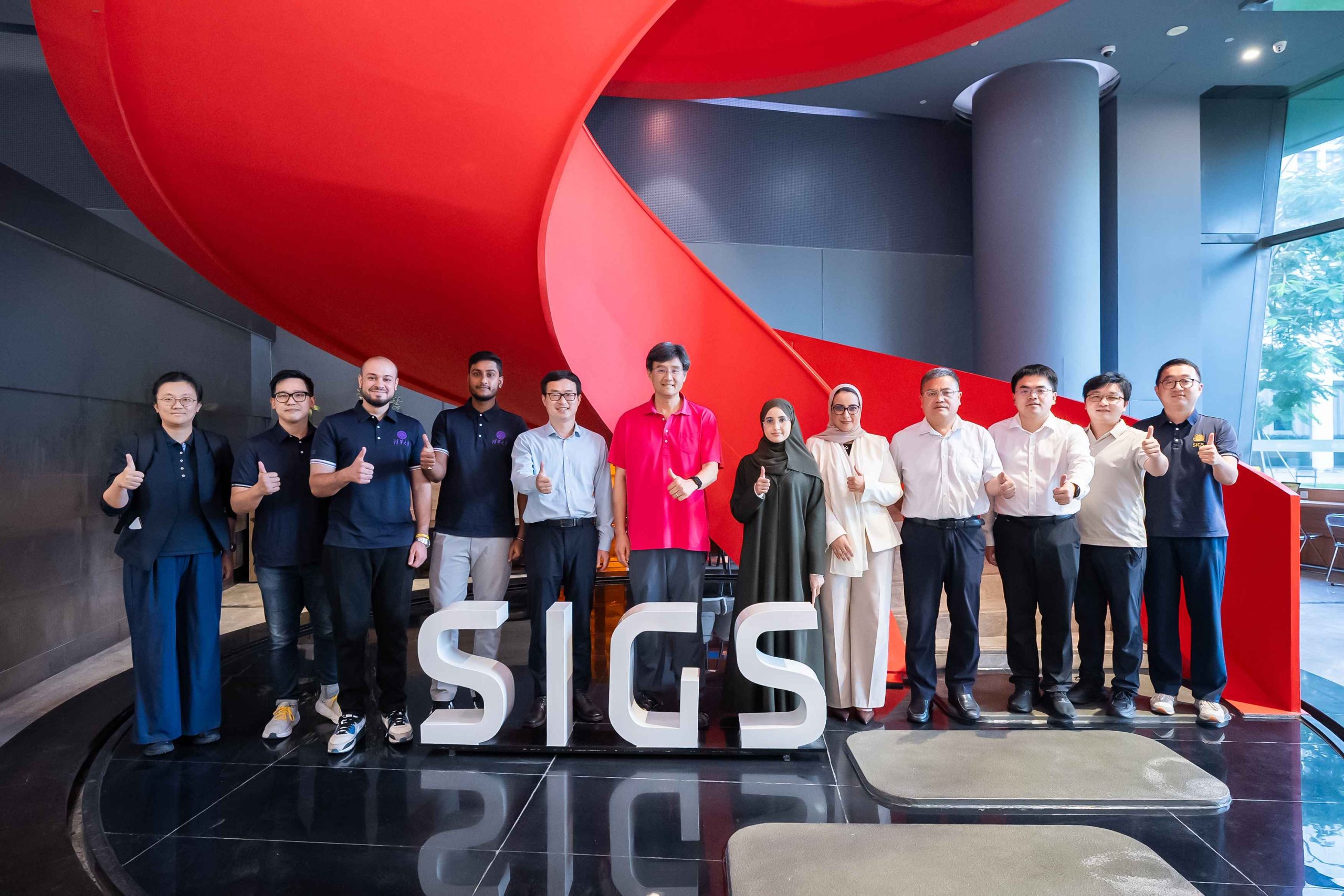
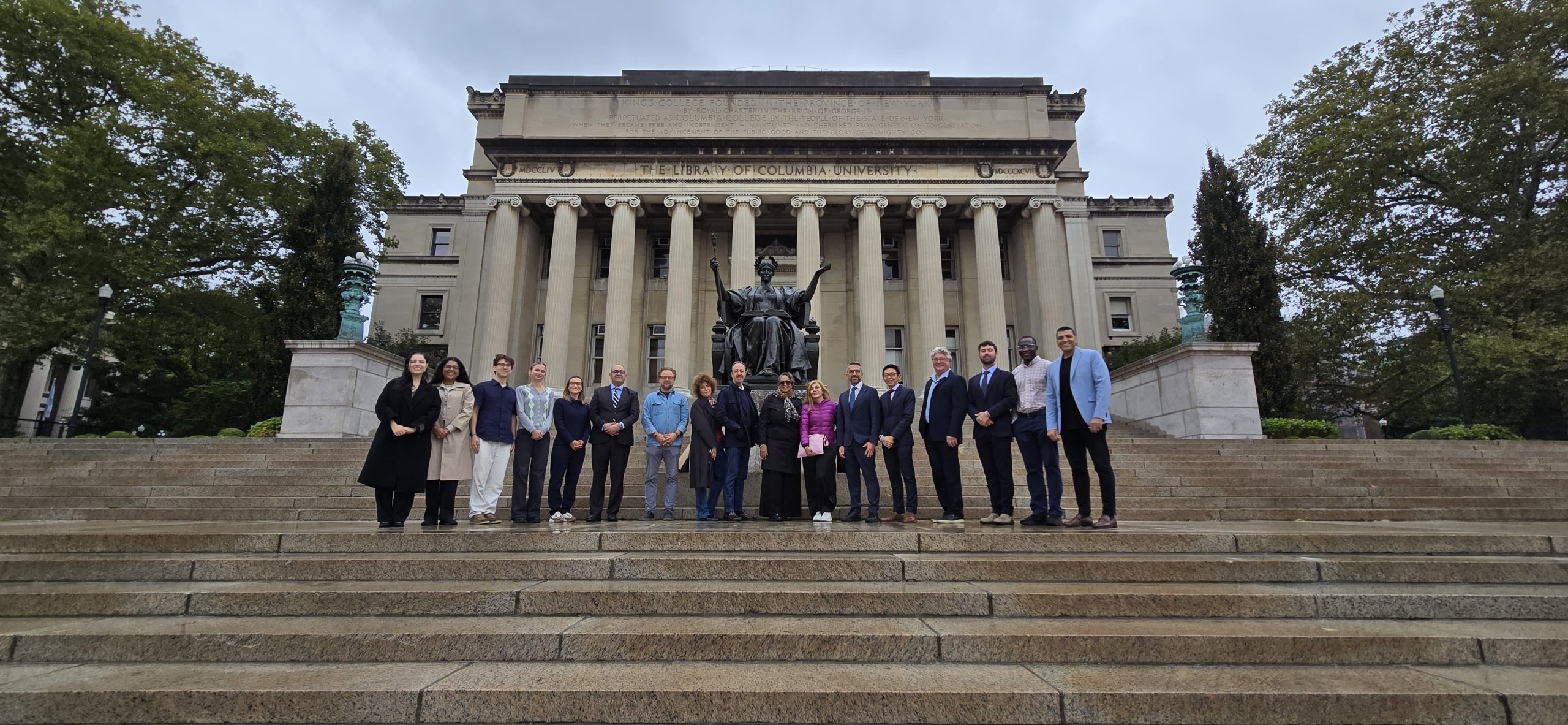
As part of the program, a three-member U.S. faculty delegation visited Khalifa University’s Main Campus to guide student research and collaborative activities. The visit also included a meeting with alumni from previous cohorts of the Youth Well-Being program, who spoke about long-term academic and professional benefits of participating in international collaborative research.
The U.S. delegation included Professor Takashi Yamashita, Director of Sociology, Anthropology, and Public Health, and Dr. Christine Mair, Associate Professor of Sociology, both from UMBC, along with Dr. Jennifer Bulanda, Associate Professor of Sociology and Gerontology at the Scripps Gerontology Center and Fellow at Miami University. They joined Professor Glenn Muschert, Dr. Wei Chen, Lecturer, and Dr. Aizhan Shomotova, Senior Lecturer from Khalifa University’s Department of Public Health and Epidemiology to launch a series of in-person and virtual sessions that brought together students from all three institutions.
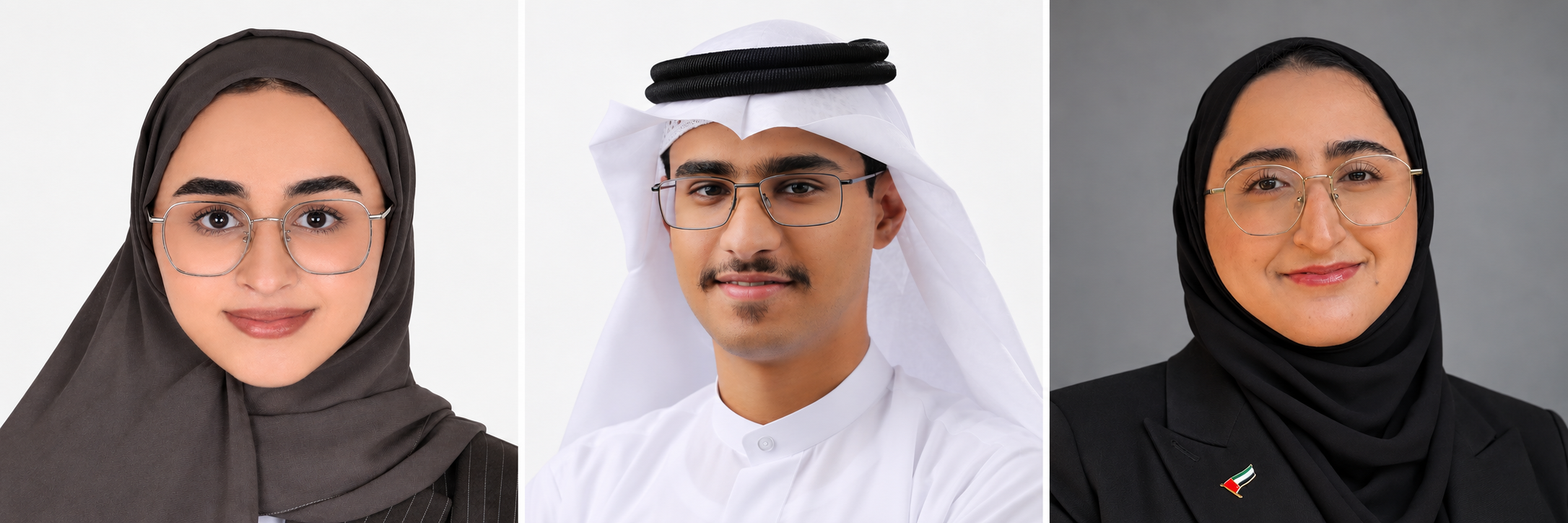
The research teams involved 20 students from Khalifa University, six from UMBC, and five from Miami University in six international research teams under joint faculty supervision. The students conducted comparative studies focused on UN SDG Goal 3: Good Health and Well-Being.
Using data from the UN SDG Global Database, the World Bank, the World Health Organization, and other international sources, teams examined public health challenges and outcomes across countries at different stages of development.
The six research groups investigated a range of topics within the SDG 3 framework. One team examined the determinants of child mortality across five countries, analyzing the influence of food insecurity, education completion, and access to clean water and sanitation. A research group also studied under-five mortality trends in India, the UAE, and the U.S. between 2000 and 2024, identifying access to sanitation as the most consistent predictor of lower mortality rates across all three countries.
Another explored how environmental factors, including access to clean energy and forest coverage, relate to life expectancy in UAE, U.S., Sweden, and Nigeria. Other groups examined health coverage and access across Cambodia, Vietnam, and Thailand, and the role of environmental governance and urban pollution in pediatric health outcomes in the U.S., UAE, Kenya, and Brazil.
Professor Glenn Muschert said: “The Youth Well-Being virtual exchange program helps participants develop research expertise, intercultural competencies, and a deeper understanding of global health and sustainable development challenges, while strengthening academic collaboration between students in the UAE and the U.S.. Throughout the semester, students met weekly with their international research teams through video conferencing platforms, collaborating on research design, data analysis, and presentation development, while strengthening their intercultural communication and teamwork skills.”
Alisha Roy
Science Writer