


Greenhouse Gas Emissions Inventory Report
Khalifa University
Reporting Year 2024
Executive Summary
This report presents the comprehensive greenhouse gas (GHG) emissions inventory for Khalifa University, with 2024 established as the baseline year. The inventory has been prepared in accordance with the GHG Protocol Corporate Standard, covering all relevant emissions sources across Scope 1 and 2 categories. Using 2024 as the baseline allows for accurate tracking of emissions reductions, progress toward sustainability goals, and future comparisons. To support our commitment to sustainability, we have implemented a series of actions, including energy efficiency improvements, adoption of renewable energy solutions, and promotion of sustainable transportation. Additionally, this report will serve as the building campus footprint, providing a detailed assessment of emissions associated with the university’s infrastructure and operations, and supporting efforts to enhance environmental performance across the campus.
Summary of Key Performance Indicators
| Number of Stakeholders | 5,426 | tCO2/stakeholder | 3.9 |
|---|---|---|---|
| Area of the premises m2 | 302,756.81 | tCO2/m2 | 0.069 |
This inventory covers all operations within Khalifa University's main campus, including:
- Auxiliary buildings
- Auxiliary laboratories
- Auxiliary housing facilities
- Auxiliary buildings
- Auxiliary facilities
- Auxiliary fleet
- Auxiliary services
The inventory encompasses:
- Scope 1: Direct emissions from owned or controlled sources
- Scope 2: Indirect emissions from purchased energy
The purpose of this report is to establish a clear and accurate baseline of Khalifa University’s greenhouse gas emissions. This report serves as a critical tool for understanding our environmental impact, identifying key areas for improvement, and tracking progress toward our sustainability goals. By aligning with the GHG Protocol, Khalifa University demonstrates its dedication to environmental stewardship, transparency, and accountability. This report not only establishes a foundation for measuring progress but also reinforces our commitment to achieving Abu Dhabi’s environmental goals and the UAE’s Net Zero 2050 Strategic Initiative.
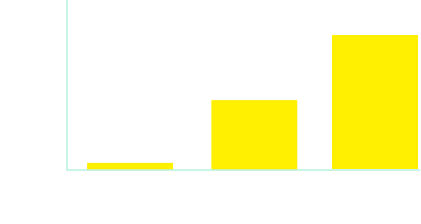
Breakdown of KU’s Total GHG Emission by Scope
| Scope | Emissions (tCO2e) | Percentage of Total |
|---|---|---|
| Scope 1 | 2,906.5 | 13.7% |
| Scope 2 | 18,278.78 | 86.3% |
| Total | 21,185.28 | 100% |

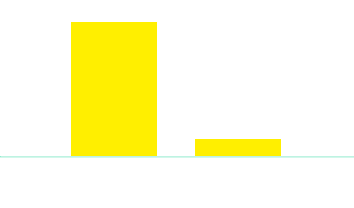
> LPG in-house cooking – 46.77
> University fleet vehicles – 1,053.95
> Landscaping Equipment – 0.78
> Refrigeration and AC systems – 1,805
| Metric | Value |
|---|---|
| Emissions per stakeholder | [3.9] tCO2e/stakeholder |
| Emissions per square meter | [0.069] tCO2e/m² |
| Source | Emission Factor | Reference |
|---|---|---|
| Grid Electricity | 0.2 | Abu Dhabi National Energy Company PJSC (TAQA) 2023 Sustainability Report – SustainabilityReports.com] |
| Vehicle Fuel (Gasoline) | 2.3 | Calculation Tools and Guidance | GHG Protocol |
| Equipment Fuel (Diesel) | 2.6 | Calculation Tools and Guidance | GHG Protocol |
| Liquified Petroleum Gas | 1.47 | Calculation Tools and Guidance | GHG Protocol] |
| Refrigerant Type | Global Warming Potential | Reference |
|---|---|---|
| R22 | 1,810 | GHG Emission Factors Hub | US EPA |
| R410 | 2,088 | |
| R134A | 1,430 | |
| R407C | 1,774 |
| Scope 1 | |||
|---|---|---|---|
| Stationary Combustion | Consumption in litres | Emission Factor kg/l | tCO2 Emissions |
| LPG | 31,821 | 1.47 | 46.77 |
| Mobile Combustion | Consumption in litres | Emission Factor kg/l | tCO2 Emissions |
| University fleet vehicles (Gasoline) | 458,243.19 | 2.3 | 1,053.95 |
| Landscaping equipment (diesel) | 300 | 2.6 | 0.78 |
| Scope 1 | ||||
|---|---|---|---|---|
| Fugitive Emissions | Refrigerant Type | Usage in Kg | Global Warming Potential (GWP) 1kg of refrigerant is equivalent to the below kg of CO2 | tCO2 Emissions |
| R22 | 696 | 1,810 | 1,259.76 | |
| R410 | 62.4 | 2,088 | 130.29 | |
| R134A | 180 | 1,430 | 257.4 | |
| R407C | 89 | 1,774 | 157.8 | |
| Scope 2 | |||
|---|---|---|---|
| Energy | Consumption in MWh | Emission factor | tCO2 Emissions |
| Purchased Energy | 82,008.956 | 0.2 | 16,401.79 |
| Purchased Cooling | 9,384.97 | 0.2 | 1,876.99 |
Khalifa University is implementing a range of initiatives to reduce its environmental impact and enhance sustainability across its operations. Key efforts include energy efficiency programs such as upgrading to LED lighting, optimizing HVAC systems, and installing smart building controls to minimize energy consumption. In addition, the university is investing in renewable energy solutions, including the installation of solar panels and the procurement of green power. To promote sustainable transportation, the university is expanding its infrastructure with electric vehicle charging stations and is planning to improve bicycle facilities. These initiatives collectively support the university’s commitment to reducing emissions and fostering a more sustainable campus environment.
The university has developed a comprehensive 5-year sustainability strategy that serves as a roadmap for advancing environmental sustainability across its operations. This strategy not only highlights current programs and initiatives but also outlines ambitious plans, setting clear annual targets across three key thematic areas: Resource Management, Academic Excellence, and Community Engagement.
Under Resource Management, the strategy focuses on optimizing the use of energy, water, and fuel through initiatives such as energy efficiency upgrades, waste reduction programs, and sustainable procurement practices. In the area of Academic Excellence, the university aims to integrate sustainability into its curriculum and research fostering a culture of environmental stewardship and equipping students with the knowledge and skills to address global sustainability challenges. For Community Engagement, the strategy emphasizes raising awareness, and encouraging active participation in sustainability initiatives among students, faculty, staff, and the broader community.
By aligning its efforts with this strategy, the university is committed to achieving measurable progress and contributing to local and global sustainability goals. The annual targets provide a framework for accountability and continuous improvement, ensuring that sustainability remains a core priority in the university’s mission and operations.
- Utility bills/meter readings
- Building management systems
- Supplier reports
- Internal data verification procedures
- Uncertainty assessment
To ensure accuracy and transparency in Khalifa University’s greenhouse gas (GHG) emissions inventory, the following calculation methodologies have been applied for key emission sources: LPG, Gasoline, diesel, fugitive emissions, and purchased electricity and cooling. These methodologies align with the GHG Protocol Corporate Standard and best practices for emissions accounting.
LPG is a direct source of Scope 1 emissions, as its combustion releases carbon dioxide (CO₂) and other greenhouse gases directly into the atmosphere. The emissions factor for LPG has been taken directly from the calculation’s tools and guidance in the GHG protocol standard. Consumption of one litre of LPG releases 1.47kg of CO2
Gasoline is a direct source of Scope 1 emissions, as its combustion releases carbon dioxide (CO₂) and other greenhouse gases directly into the atmosphere. The emissions factor for gasoline has been taken directly from the calculation’s tools and guidance in the GHG protocol standard. Consumption of one litre of gasoline releases 2.3kg of CO2 per litre
Diesel is a direct source of Scope 1 emissions, as its combustion releases carbon dioxide (CO₂) and other greenhouse gases directly into the atmosphere. The emissions factor for gasoline has been taken directly from the calculation’s tools and guidance in the GHG protocol standard. Consumption of one litre of gasoline releases 2.6kg of CO2 per litre
For LPG, Gasoline and Diesel the following formula was applied to get the emissions in metric tonnes:
tCO2 = (consumption in litres X emission factor) / 1,000
Fugitive emissions are unintentional releases of greenhouse gases, typically from refrigeration and air conditioning systems, which use refrigerants with high global warming potential (GWP). These are classified as Scope 1 emissions. GWP values are typically calculated over a specific time frame, such as 20, 100, or 500 years. The most used time horizon is 100 years. GWP is critical for calculating the carbon dioxide equivalent (CO₂e) of non-CO₂ greenhouse gases. This allows organizations to aggregate emissions from different gases into a single metric for reporting and reduction purposes.
For fugitive emissions, the following formula was applied to get the emissions in metric tonnes:
tCO2 = (consumption in kg X GWP) / 1,000
Purchased Electricity and cooling are an indirect source of Scope 2 emissions, as the emissions occur at the facility where the electricity is generated. The emission factor for electricity is based on the grid’s average emissions intensity, which varies by region. In Abu Dhabi, according to Abu Dhabi National Energy Company’s (TAQA) sustainability report, the emission factor of electricity distributed is nearly 0.2 tCO2 per MWh in 2023.
For purchased electricity and cooling, the consumption was first converted to Megawatt-hour (MWh) from Kilowatt-hour (kWh) and then the following formula was applied:
tCO2 = (consumption in MWh X emission factor)
| Data | Source | Reference |
|---|---|---|
| LPG | Catering Supplier | Monthly Report |
| University fleet vehicles | Transportation provider | Monthly Report |
| Fuel (landscaping equipment) | Facilities Management | Annual Report |
| Fugitive Emissions | Facilities Management | Annual Report |
| Purchased Electricity | Facilities Management | Meter readings |
| Cooling | Facilities Management | Meter readings |