Overview
Khalifa University manages water responsibly through conservation, wastewater reuse, hygiene infrastructure, public outreach and water management educational opportunities including hackathons, challenges, and competitions.
Water Consumption Metrics
Water Reuse
Campus Access & Care
Community Engagement & Research
Faculty lead regional and global dialogues, such as:
Research:
Khalifa University researchers are using microalgae to achieve the UN SDGs and strengthen climate resilience. Their work focuses on the eco-friendly use of microalgae for wastewater treatment, the potential of microalgal biofuels as a low-carbon alternative to fossil fuels, and the production of various value-added products from microalgal biomass, highlighting the important role of microalgae in supporting a circular bioeconomy.
Other Research includes:
Awareness
Khalifa University promotes conscious water use through on-campus education and behavior campaigns.

62.66 m³ per person
Water consumption per person

412,051 m3
Volume of water used in the university: Inbound (treated/extracted water)

6576
Campus population
62.66 m³ per person
Water consumption per person
412,051 m3
Volume of water used in the university: Inbound (treated/extracted water)
6576
Campus population
TAQA Water Solutions is enhancing Abu Dhabi’s sustainability profile through renewed infrastructure projects, including new treatment plants in Abu Dhabi, Al Ain, and the Western Region. As part of the TAQA Group, it manages wastewater collection and treatment, processing over 1.3 million cubic meters daily. Rebranded in 2024, TAQA Water Solutions aligns with Abu Dhabi Vision 2030 and the UAE’s Net Zero by 2050 target, contributing to the United Nations Sustainable Development Goals. For more information, visit TAQA
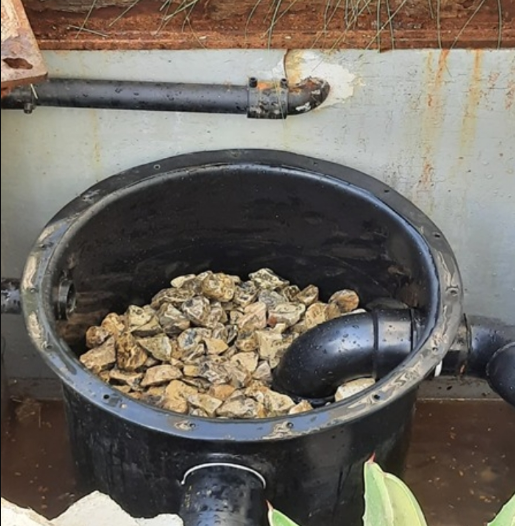
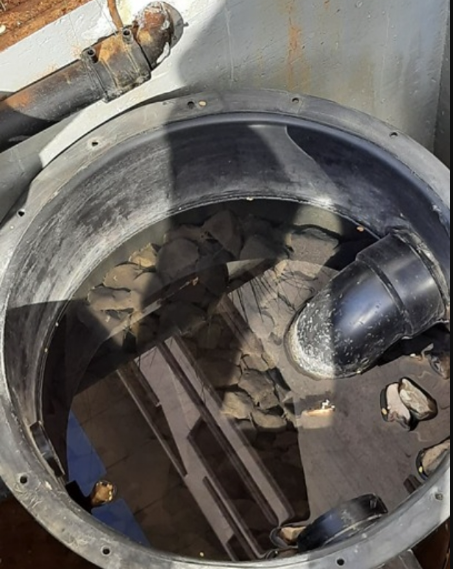
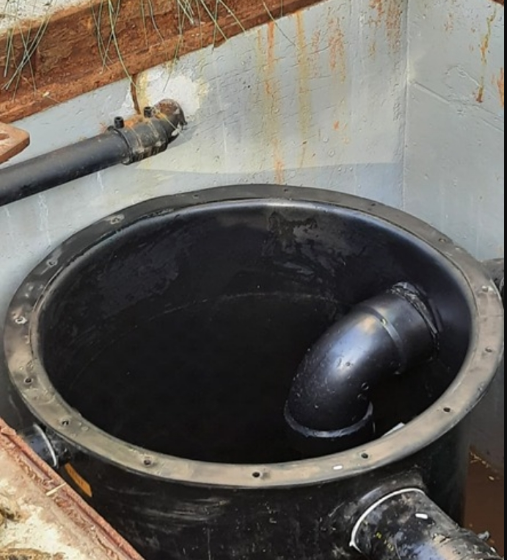
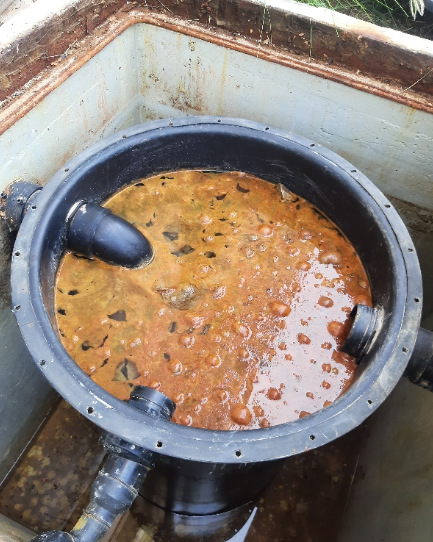
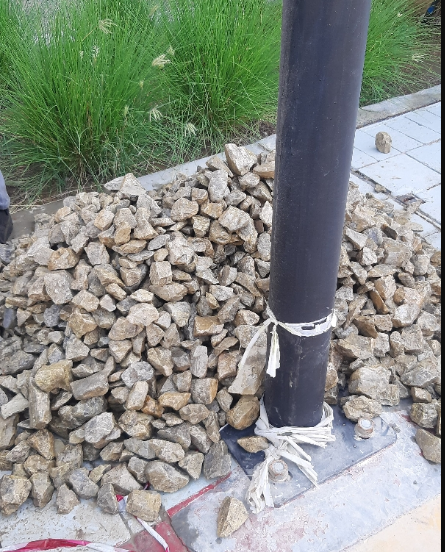
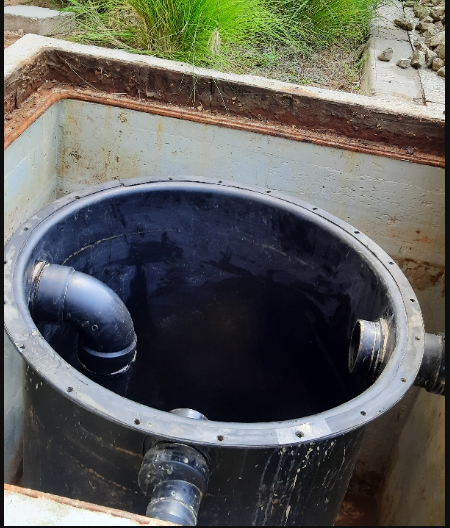
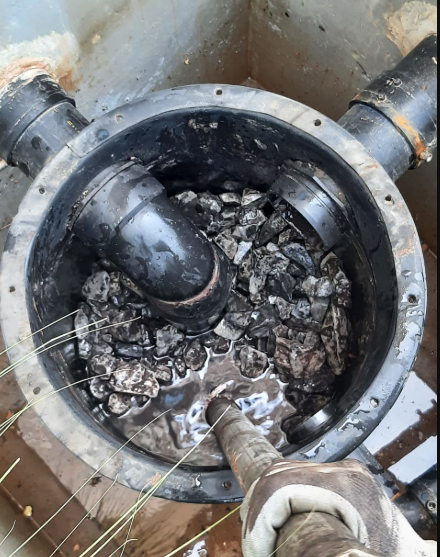
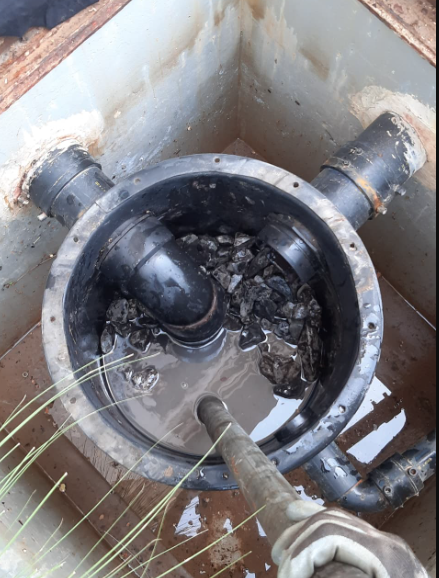
KU is committed to preventing water system pollution by installing systems such as “Grease traps” and “Neutralization tanks” that prevent harmful pollutants from entering our waterways. Khalifa University is dedicated to protecting water systems from pollution through the implementation of advanced infrastructure and preventive measures. These include the installation of grease traps in kitchens and food court areas to intercept fats, oils, and grease, as well as neutralization tanks to safely manage chemical discharges. To ensure the safety and quality of potable water, the university utilizes non-ferrous, non-corrosive storage tanks and maintains a separate potable water network that is completely isolated from the sewage system.
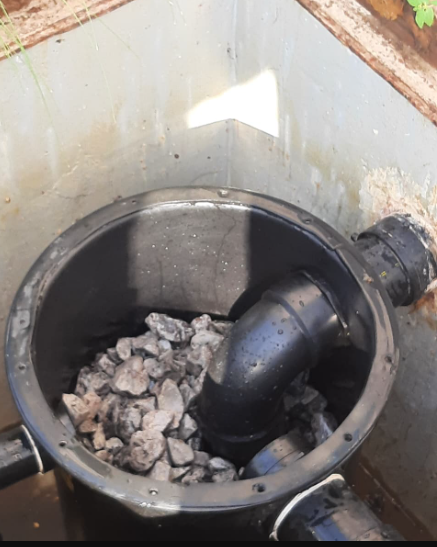
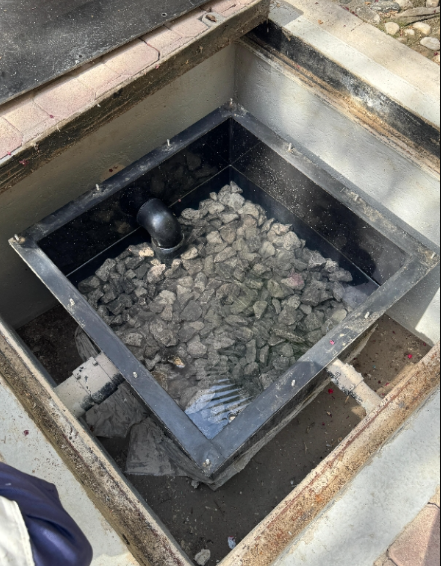
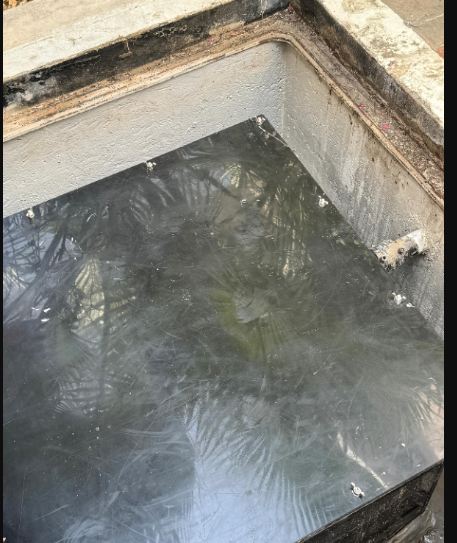
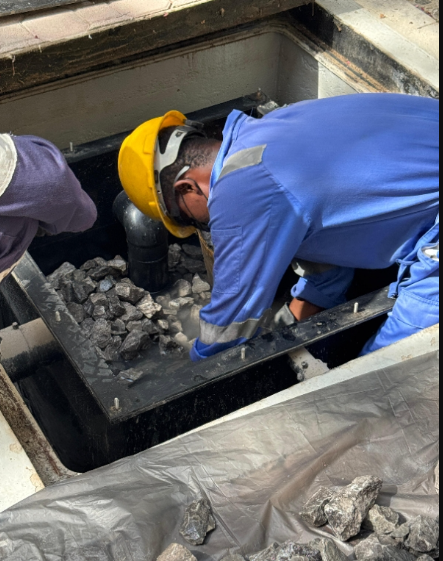
OVERVIEW
The condensation water is collected from all of the air handling units within the campusthrough a tray system that collects the water through out the building. Once the water is collected, it’s pumped to irrigation water tank, and from there it goes to the network within the campus to water the plants around the campus.
Aerators and sensor-based water tap system: At SAN Campus, 17 sensors and 16 aerators are installed across buildings. At Main Campus, 459 sensors and aerators are installed in old and new buildings, contributing to water use reduction and improved water efficiency. Smart energy monitoring will be implemented in 6 buildings at SAN and 10 at Main Campus. AC condensate water is utilized for landscape irrigation, further supporting water conservation and reducing potable water consumption. Refer to page 10 of the KU Sustainability Plan 2025-2030
31834.24
TOTAL REUSED
Khalifa University Professors from Biological Sciences, Dr. Syed Salman Ashraf, Chair, and Dr. Ashfaq Ahmad, Research Scientist, are leading research on using microalgae to achieve the UN Sustainable Development Goals (SDGs) and strengthen climate resilience. Their work focuses on the eco-friendly use of microalgae for wastewater treatment, the potential of microalgal biofuels as a low-carbon alternative to fossil fuels, and the production of various value-added products from microalgal biomass, highlighting the important role of microalgae in supporting a circular bioeconomy. For more details, visit Harnessing microalgae: Innovations for achieving UN Sustainable Development Goals and climate resilience
Panelist at COP 29 Workshop on Water Security, UAE Pavilion, Baku, Azerbaijan (2024), Chair of The First Global Hackathon for Sustainable Water Desalination and Reuse, December 2024 visit
Keynote speaker at the International Desalination Workshop (IDWS) in Jeddah, Saudi Arabia, Panelist at COP 29 Workshop on Water Security, UAE Pavilion, Baku, Azerbaijan (2024), Chair of the Khalifa University–Saudi Water Authority (SWA) Joint Workshop, December 2024, Co-Chair of the Urban Water Academy, Paestum, Italy, June 2024
Distinguished Speaker and , Chair of The First Global Hackathon for Sustainable Water Desalination and Reuse, December 2024Panelist at the 2D Material Symposium for Water Purification, Dresden, Germany (2024), Panelist at COP 29 Workshop on Water Security, UAE Pavilion, Baku, Azerbaijan (2024), Chair of the Khalifa University–Saudi Water Authority (SWA) Joint Workshop, December 2024, Co-Chair of the Urban Water Academy, Paestum, Italy, June 2024