HUB71 and Khalifa University to Accelerate Opportunities for Exceptional Students to Become CEOs of their Own Companies

  • Students and alumni of Khalifa University in Abu Dhabi will gain access to Hub71’s community to participate in programs and receive dedicated support to bring their tech ideas to life
  • Hub71 startups will benefit from special upskilling and technical support from the university’s students
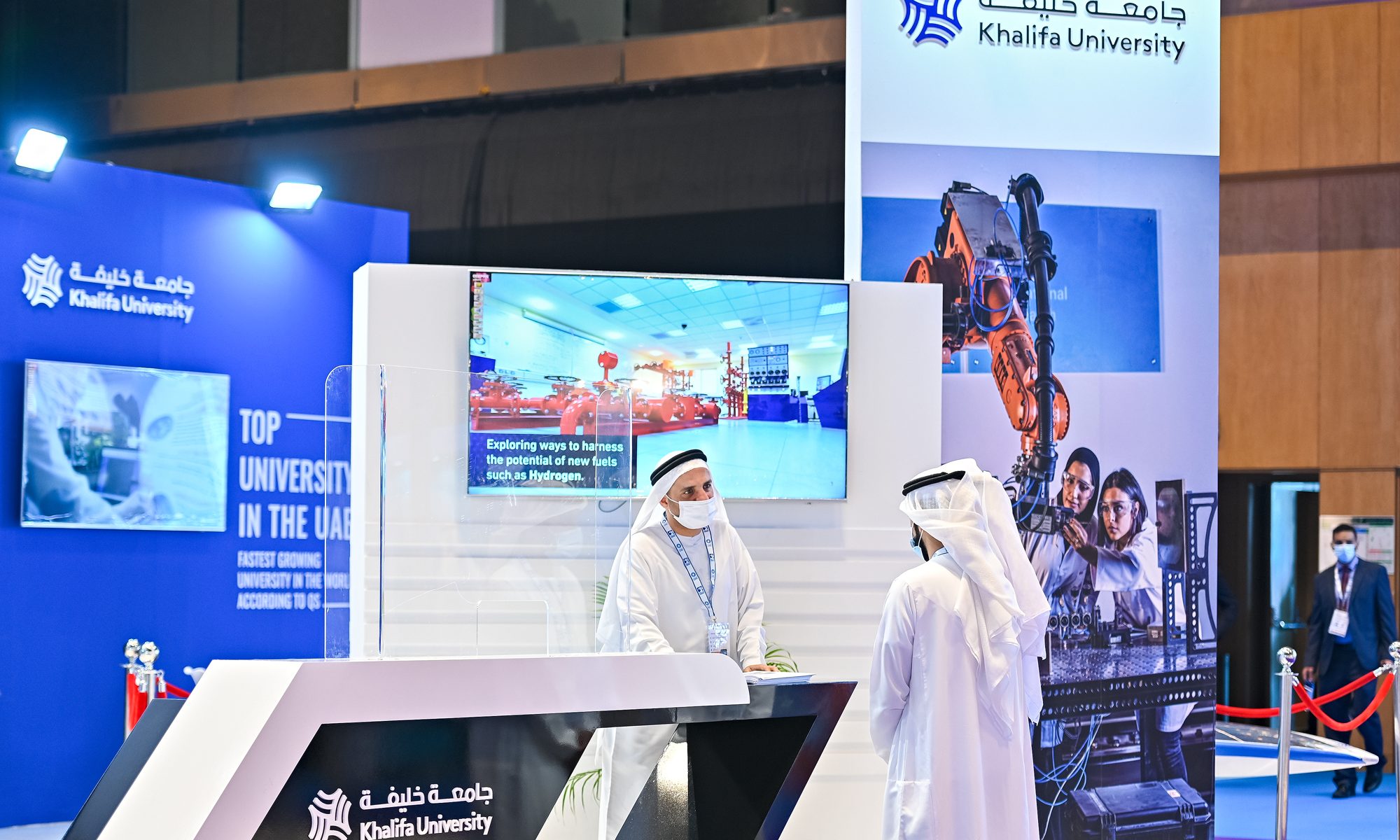
  • Partnership was signed during Hub71’s participation at Global Manufacturing and Industrialisation Summit (GMIS) 2021


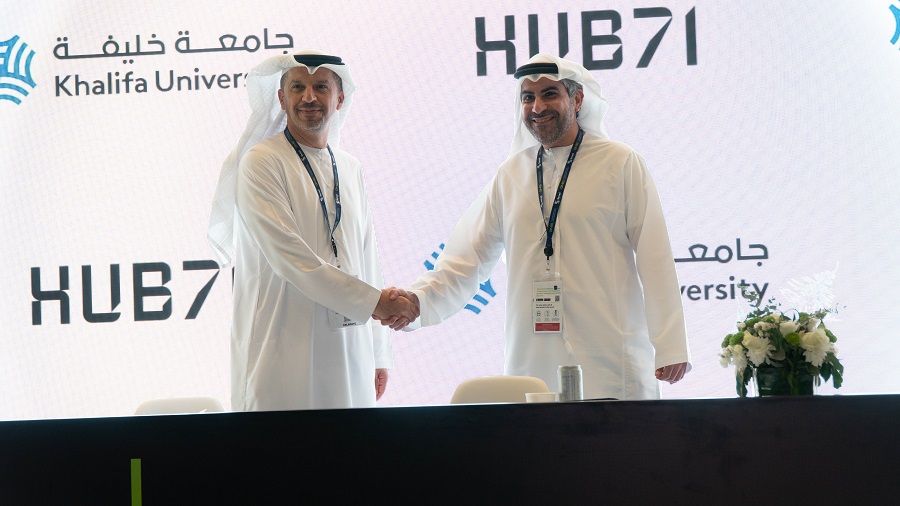
Hub71, Abu Dhabi’s global tech ecosystem, and the Khalifa University of Science Technology signed a strategic partnership at Global Manufacturing and Industrialisation Summit (GMIS) to enable students and alumni to work alongside tech startups, and opening the private sector and entrepreneurship door for their career paths.


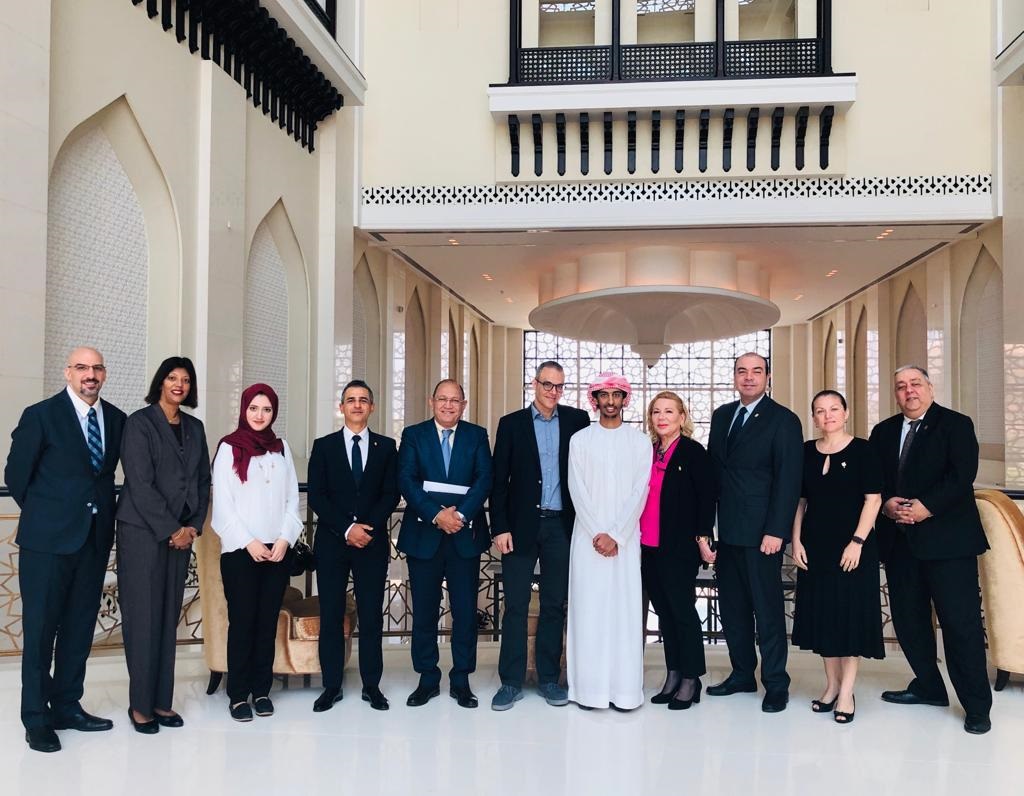
Signed by Badr Al-Olama, Acting Chief Executive Officer of Hub71 and Dr. Arif Sultan Al Hammadi, Executive Vice President, Khalifa University, the partnership will accelerate the development of entrepreneurial talent among students and will promote new technologies entering the market through expert mentorship and guidance, as well as Hub71’s value-driven programs.


The partnership will explore the use of Khalifa University’s state-of-the-art laboratory facilities for Hub71 startups and will increase opportunities for the university’s network of students and alumni to participate in Hub71’s programs aimed at increasing access to Abu Dhabi’s marketplace. Both Hub71 and Khalifa University will collaborate in workshops, talent exchange programs and events that will increase the exposure of entrepreneurial students and professors to Abu Dhabi’s global tech ecosystem.


Badr Al Olama, Acting CEO, Hub71, commented: “Talent is the bedrock of a thriving tech hub, which is why we are committed to ensuring students have the ability to prosper as entrepreneurs and take their solutions to market. This partnership is a clear reflection of the value we place on nurturing young entrepreneurial talent who can contribute to the continuous development of our economy. Khalifa University is a prestigious institution in Abu Dhabi, and through its leadership in cutting-edge research and development, we can effectively position the Emirate as a global knowledge economy anchored in entrepreneurial and academic excellence.” 


Hub71’s technology startups will be significantly relevant to the Khalifa University community. In the calendar year 2020 alone, Khalifa University had a total of 36 awarded patents, with the number of patents filed touching 100. As of May 2021, Khalifa University has 202 issued patents, 270 patent applications pending, and 478 inventions disclosures.


Dr. Arif Sultan Al Hammadi said: “Khalifa University is delighted to enter into this arrangement with Hub71 to provide further momentum to Abu Dhabi’s drive for establishing technology startups. As a research-intensive university, with innovation sourced from 20 dedicated research centers that are focusing on various technologies and solutions, Khalifa University is rightly placed in the UAE to commercialize research outputs. We believe this MoU will facilitate tapping the synergy of the partners that will benefit both researchers and entrepreneurs, especially students who are keen to explore the commercial world for their new laboratory-bred technologies.”


Khalifa University’s 20 research centers drive research and innovation in several areas including clean energy and sustainability, oil and gas, robotics, healthcare, machine intelligence, data science, supply chain logistics, aerospace technologies, advanced materials and manufacturing, as well as water and environment, in addition to Information and Communication Technologies (ICT). 


Staff Report
28 November 2021

His Highness Sheikh Hamed Witnesses Launch of UAE’s First Driverless Autonomous Vehicle and Signing of AED 170-million Operating Agreement for EBTIC

Khalifa University Becomes First in UAE to Deploy On-Campus AV


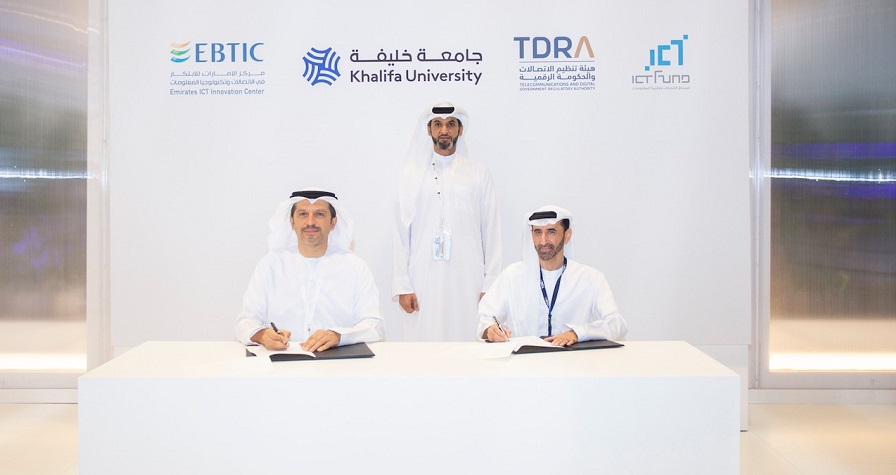
His Highness Sheikh Hamed bin Zayed Al Nahyan, Member of the Executive Council of the Emirate of Abu Dhabi and Chairman of the Board of Trustees of Khalifa University of Science and Technology, witnessed the launch of the Khalifa University autonomous vehicle (AV), the UAE’s first driverless, autonomous 12-seater shuttle that will transport students and staff around the Sas Al Nakhl Campus, and the signing of an AED170-million operating agreement for the Emirates ICT Innovation Center (EBTIC) by the three founders Khalifa University, Etisalat, and BT (U.K.), in addition to UAE’s Telecommunications and Digital Government Regulatory Authority (TDRA).


Khalifa University has thus become the first university in the UAE to deploy an AV on campus that can also run in ‘real environment’ off campus, bringing smart sustainable mobility to the community and contributing to the UAE’s sustainable development initiatives.


The driverless and 100% electric shuttle is one of the first-ever autonomous vehicles to be deployed in the UAE in a ‘mixed traffic mode’, as it can drive on the road with other cars. The environment-friendly shared transportation solution will also provide a research and development platform to  faculty and researchers at the Khalifa University Center for Robotics and Autonomous Systems (KU-CARS), to investigate autonomous driving in challenging scenarios. With around 50 researchers and state-of-the-art laboratory facilities, KU-CARS provides a vibrant multidisciplinary environment for conducting robotics and autonomous vehicle-related research and innovation.


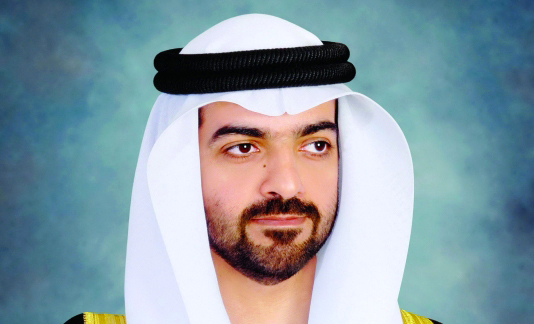
His Highness Sheikh Hamed said: “The autonomous vehicle at Khalifa University’s SAN Campus reflects the University’s commitment to contribute to Abu Dhabi’s Vision 2030 targets towards creating a knowledge economy, and making Abu Dhabi a world hub of research and development. It also contributes towards driving innovation while creating knowledge and human capital. Congratulations to the faculty, researchers and student engineers who have done a commendable job by making us proud of such an achievement by a local university in the UAE.”


During his visit, His Highness Sheikh Hamed met with students from ‘Al Nokhba’ program, who are also members of National and Reserve Service, in the presence of  His Excellency Brigadier-General Obaid Ali Al-Mansoori, Director of the Directorate of Information and Corporate Communication, National and Reserve Service Authority, discussed research projects related to autonomous shuttles, and then took a group photo with the UAE Military trainees.


After the launch, His Highness Sheikh Hamed travelled in the driverless AV between various buildings within the SAN Campus.


Members of the Khalifa University Board of Trustees including H.E. Salem Rashed Al Nuaimi, Chief Executive Officer, Abu Dhabi Health Services Company, SEHA, H.E Salem Butti Salem AlQubaisi, Director-General, UAE Space Agency, and H.E Humaid Al Shammari,  Deputy Group CEO and Chief Corporate and Human Capital Officer, Mubadala Investment Company, also attended at the event, in addition to Dr. Arif Sultan Al Hammadi, Executive Vice President, Khalifa University.


His Highness Sheikh Hamed also visited the Khalifa University Center for Autonomous Robotics Systems (KU-CARS) at SAN campus, which includes the shuttle’s operations room. He  showed keen interest to learn more about the safety and security features of the AV, vehicle tracking techniques, the surveillance camera network system and other features of the Khalifa University AV. Dr. Lakmal Seneviratne, Director, KUCARS, and Dr. Jorge Manuel Miranda Dias, Professor, Electrical Engineering and Computer Science, offered His Highness Sheikh Hamed an overview of the entire project. Later, His Highness Sheikh Hamed visited the Autonomous Vehicles Lab to know more about future plans including a project to fulfill conditions for driving the shuttle without an operator, the SAN Campus simulator, and the simulator platform to design new algorithms.


The Khalifa University AV can detect and avoid potential obstacles thanks to the onboard sensors, Light Detection and Ranging (LiDAR) cameras, GPS, odometry and inertial measurement units. The shuttles are also equipped with onboard Wi-Fi communications to capture data generated during operation. The shuttles run safely and effectively in a wide range of environments, including varying traffic conditions such as segregated roads, mixed traffic with bicycles and pedestrians, mixed traffic with low-speed cars, as well as changing weather conditions.


His Highness Sheikh Hamed viewed the University innovative projects showcased by faculty members – Dr. Fahad Al Maskari, Assistant Professor, Aerospace Engineering, Dr. Majed Khonji, Assistant Professor, Electrical and Computer Engineering and Dr. Hamad Karki, Associate Professor, Mechanical Engineering. The projects on display included an unmanned robot designed by the students led by Dr. Majid Khonji, that won top spot in the Ground Robots category at the Dubai World Challenge for Self-Driving Transport 2021. Another unmanned drone, designed by students led by Dr. Hamad Karki, which won second place in the Drones category at the Dubai World Challenge, was also on display. Also on display was the prototype of Al Nokhba’s Agile autonomous UAV project, led by Dr. Yahya Zweiri, Associate Professor, Aerospace Engineering, and his team of Al Nokhba students.
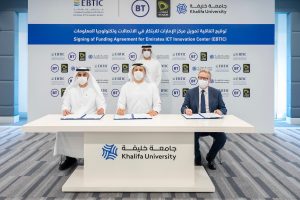


His Highness Sheikh Hamed also viewed projects by EBTIC, led by Dr. Nawaf Al Moosa, EBTIC’s Acting Director, and witnessed the signing of the operating agreement totalling AED170-million. EBTIC Board members who were present included H. E. Dr Mohammed Ebrahim Al Mualla, Undersecretary of Education for Academic Affairs, Ministry of Education, Professor Dr. Tim Whitley, Managing Director, Applied Research, BT, Saleh Sayed Ahmed, Divisional Head of Digital Services and Customer Experience Division of Technology, Etisalat, and Dr. Steve Griffiths, Senior Vice-President,  Research and Development, Khalifa University.


Saleh Sayed Ahmed, Vice-President, Digital Services and Customer Experience Division of Technology, Etisalat and a Senior Management Board member of EBTIC, said: “Etisalat is delighted to support EBTIC in driving advanced intelligent systems technologies’ innovation for the Next Generation Networks (NGNs) and NGN-enabled ICT applications and services. As a pioneer in 5G and a great enabler of technologies, Etisalat has always embraced the latest technologies through its strategy of ‘Driving the digital future to empower societies’. We look forward to strengthening our relations with EBTIC and contributing to the next level of development by playing a greater role in the digital lives of researchers, consumers and enterprises.”


Paul O’Brien, AI, Service, Security and Operations Research Director, Applied Research, BT, said: “We’re delighted to continue BT’s involvement in EBTIC for its third phase of operations. EBTIC has proved to be a very successful joint initiative with our close partners, Etisalat and Khalifa University. BT has a long-standing commitment to the Middle East and we’re pleased to continue to build the richness and diversity of BT’s research and innovation capabilities in the region. We look forward to another five years where we are sure EBTIC will continue to go from strength to strength.”


Since 2009, EBTIC has consistently driven innovation in advanced intelligent systems. In June 2021, SPL Solutions, a platform developed by EBTIC, won awards in the Best Cloud Automation Tool and Best Use of Automation categories at the prestigious 2021 Artificial Intelligence (AI) and Machine Learning Awards in the UK. The technology is currently undergoing commercialization as a start-up in collaboration with Khalifa Innovation Center (KIC).


Clarence Michael
English Editor Specialist
27 November 2021

Khalifa University Launches ‘Khalifa University Enterprises Company’, Backed by AED100-Million Endowment

  • KUEC Will be Investment and Business Platform for Investors, Private Partners, Government Entities and Entrepreneurs to Accelerate Economic Impact of Research and Intellectual Property;

  • KUEC Will Leverage the Support of BlackRock, J.P. Morgan and Techstars to Speed Up Commercial Potential of University’s Cutting-Edge Technical and Scientific Resources, Assets and Patents


Khalifa University of Science and Technology today announced the launch of ‘Khalifa University Enterprises Company – KUEC’, which will act as the business and investment arm of the University. The new company is backed by an endowment of AED100-million.


KUEC will include ‘Innovation Acceleration and Startups’ and ‘KU Ventures’, which will support establishing and operating non-IP technology companies. KUEC also includes the Endowment Fund that will allocate funds for investments and operations.


The mission of KUEC is to boost and speed up business engagement with the University to accelerate innovation and create impact on the University’s scientific research assets and resources. Furthermore, KUEC will also aim to encourage technology investors and entrepreneurs to partner with the University to commercialize its growing patent portfolio in areas such as energy, advanced manufacturing, health, artificial intelligence and robotics through creation of technology startups. 


Established and structured in consultation with three partners, KUEC will leverage the support of the leading asset manager, BlackRock, and global financial services leader JPMorgan. On the innovation side, Techstars will play a pivotal role in growth and scaling of UAE startups.


BlackRock will invest the endowment assets on behalf of KUEC in a diversified global portfolio, while J.P. Morgan will provide custodial services to KUEC, supporting the asset management part of the endowment. Techstars will focus on reviewing Khalifa University’s patents, conducting research to identify commercial suitability and viability, as well as in market assessment and validation that will then lead to development of prototypes and use cases.


KUEC will work in collaboration and partnership with Khalifa University’s Technology Management and Innovation Office to help generate commercial outputs of University intellectual property and introduce university spin-outs to the market. Similarly, KUEC will work with the University’s Finance and Business Development Office to ensure external partners and entities benefit from university resources and assets. 


Dr. Arif Sultan Al Hammadi, Executive Vice-President, Khalifa University, said: “The Khalifa University Enterprises Company will usher in a new research-education-economy ecosystem paradigm in Abu Dhabi, the UAE and the region. In line with the best practices of some of the globally high-ranked universities which have similar companies to maximize their economic development mission, we have launched this new entity not only to work within our mandate and benefit the country and the region, but most importantly to realize the vision of our leaders in creating a knowledge-based economy. The intellectual, innovation and financial revenue coming out of KUEC will advance and enhance the University’s mission in research and innovation.” 


Paschalis Bouchoris, Managing Director, Country Head for BlackRock in Dubai, said: “We are delighted to be able to support the university with this endowment. The commitment to supporting innovation and entrepreneurship will inevitably benefit not just the students, but also the broader economy. We thoroughly look forward to watching the endowment flourish.”


Bouchoris’ responsibilities include BlackRock’s business operations, strategy and senior client relationships across the Middle East (ex-Saudi) region. In his previous role at BlackRock since May 2015 he led the activity of Financial Market Advisory (FMA) in Southeastern Europe and Middle East and served as a senior oversight in multiple client engagements with financial and official institutions focusing on risk management and policy advisory, capital markets, asset valuations and transactions.


“J.P. Morgan has been providing custodial services to some of the most prestigious University endowments and foundations for many years, and we are delighted that the Khalifa University Enterprise Company has selected us to partner with them for this important initiative.” – Timothy Peters, head of Securities Services CEEMEA at J.P. Morgan.


“Techstars’ global reach coupled with our passion of supporting the development of entrepreneurs, provides a highly engaged experience to unlock their entrepreneurial potential as we support these teams through validating and invalidating their theories to launch new ventures for growth” said Esther Lim, Director of Engagement for Techstars.


Leading global universities have played a vital role in translating intellectual property into successful business ventures. According to PitchBook, a research and technology company covering private capital markets, between 2006 and 2017, Massachusetts Institute of Technology (MIT) produced 907 company founders as alumni or current students, creating 780 companies – the third most among all universities in the world. An earlier MIT study in 2015 reported that 30,000 companies founded by MIT alumni were active as of 2014, employing 4.6 million people and producing annual revenues of US$1.9 trillion, equivalent to the world’s 10th largest economy.


The newly launched Khalifa University Enterprises Company is expected to work along similar lines, encouraging innovation and stimulating the creation of technology startups while further motivating students and alumni to explore entrepreneurship based on university research outputs. 


Clarence Michael
English Editor Specialist
25 November 2021

Research Associate Leads Winning Team at CLIMATHON 2021

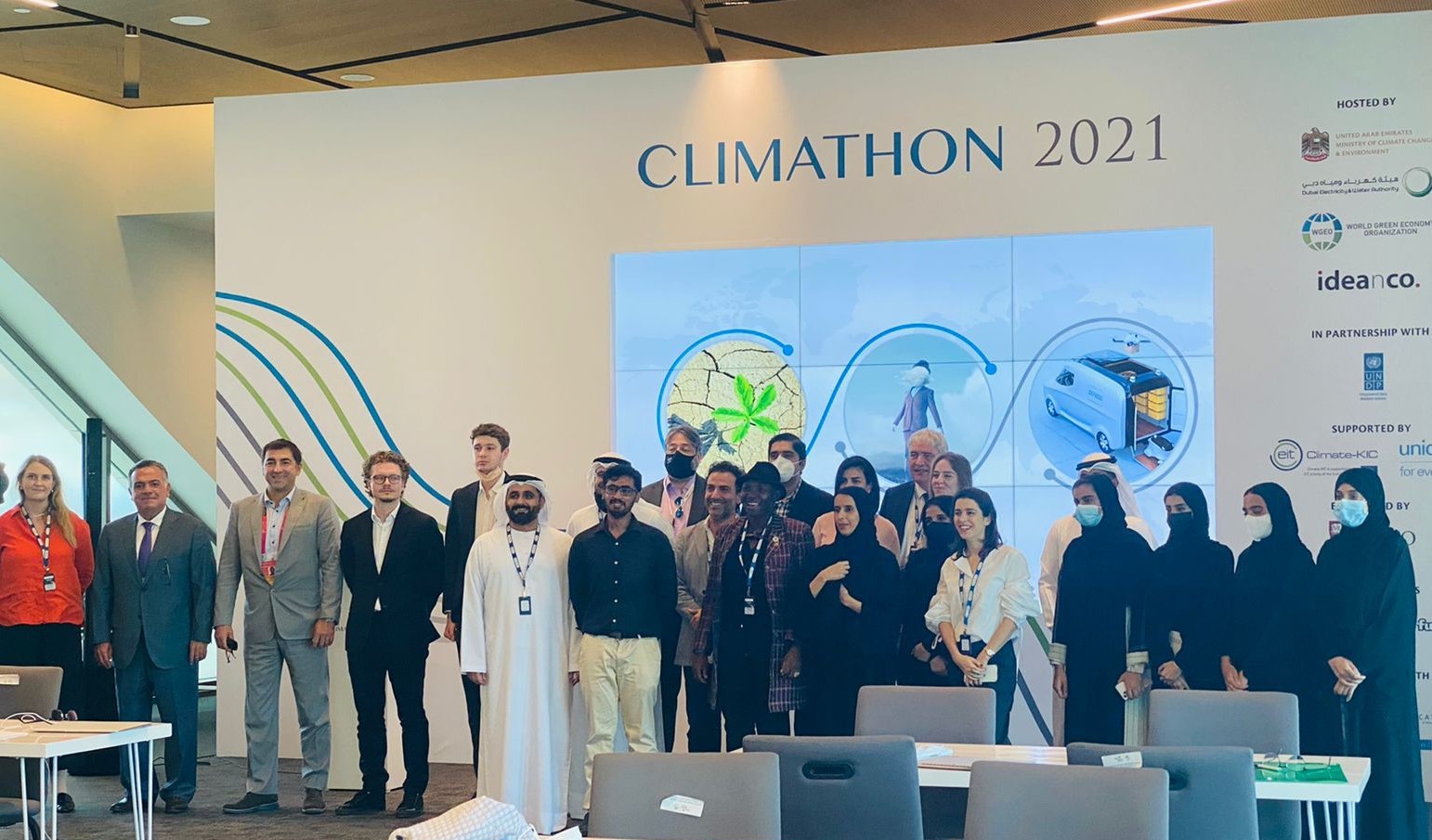
Photo Caption: Abhijith Suboyin and other regional innovators with H.R.H. Princess Abze Djigma, Ambassador for Renewable Energy and Energy Efficiency of Burkina Faso and Initiator and Leader of the ‘MAMA-LIGHT Initiative for Sustainable Energy”, a worldwide program that provides access to affordable energy for women, small business and children. The program was selected by the United Nations as one of the 14 global breakthrough solutions for achieving the new Sustainable Development Goals.


Abhijith led the Dubai team that won Best Cohort in the Agribusiness category and Top Cohort Winner at Climathon 2021. Their winning solution proposes a restructured product labeling system that improves data transparency and promotes sustainable practices, while also building trust among producers, retailers, and consumers. 


Climathon 2021 is a climate change initiative that brings together innovators around the globe who have the passion, expertise, and capability to tackle climate challenges. The hybrid event took place from October 2 to 12, 2021 and was co-hosted by the UAE Ministry of Change and Environment and the World Green Economy Organization (WGEO). The event is also led by Ideanco in partnership with UNICEF and the United Nations Development Programme (UNDP). 


This year, Climathon connected 475 innovators from 9 selected cities, namely New York, Bristol, Tampa, Toronto, Calgary, Vancouver, Orange County, Dubai, and Beirut, to resolve three core challenges: agribusiness, air pollution, and mobility. 


The event was divided into three parts:

  • Greenhouse (Learn) – A virtual sustainable academy offering hands-on experience to validate ideas, build business models and structures, and form teams. 
  • Greenhouse (Award & Explore) – Innovators based in the UAE were invited to attend the World Green Economy Summit (WGES) 2021 at the Dubai Expo. 
  • C-Lab (Ideate) – This part of the event is dedicated mainly to come up with climate solutions for the participating cities. Each core challenge is shared with three focused cities, with each city having one cohort or team. 


Khalifa University’s Abhijith Suboyin, a Petroleum Engineering Research Associate, was among the top innovators shortlisted to participate in the finals and chosen to lead the Dubai cohort. Abhijith’s team was assigned in the agribusiness category and they had to propose solutions for the challenge within 72 hours. 


To address the agribusiness challenge, Abhijith and his teammates devised a solution that redefines product labeling. The solution is a simple, color-coded, and restructured labeling system that is compliant with ISO 28219:2017 and Regulation (EU) No 1169/2011, and addresses the UN Sustainable Development Goals (SDGs) of Good Health & Well-Being (SDG 3) and Responsible Consumption and Production (SDG 12). 


They came up with a system where labels will incorporate a QR code, an illustration of key components (including allergens), and sustainability metrics that will be available in an app accessible and easily understandable by everyone, including those with disabilities. The platform will contain a digital, decentralized ledger for data transparency and tracking food provenance to create/promote sustainable practices, as well as build trust among producers, retailers, and consumers. 


The team’s proposal impressed the judges and won Best Cohort in the Agribusiness category. The cohort also garnered the highest score out of all the other cohorts in all three challenge categories, catapulting them to take home the Top Cohort Winner award. 


“Participating in Climathon was an extraordinary experience and is definitely something we hope to carry with us for the rest of our lives. I am extremely grateful to everyone involved, especially for their support and allowing our team to share our ‘dream’/‘solution’,” Abhijith said. 


“As someone in R&D, I’ve always been motivated by creative projects, teamwork, and contributing to the pool of knowledge to design a better future. Furthermore, it is rare to get an opportunity to present an idea and potentially implement it in reality. Thankfully, we live in one of the best regions that fosters scientific curiosity, growth, and development.


“We all, particularly the KU community, have the capability to do better and work towards a brighter future. And I encourage everyone to have a look around, as events such as these are a great place for us to kick-start this journey,” he added. 


Ara Maj Cruz
Creative Writer
25 November 2021

Students’ Artworks Featured in Art + Technology Exhibit at Khalifa University

The two-week exhibition showcased 13 artworks created by KU students who participated in a workshop hosted by Abu Dhabi Art earlier this year.


Artwork by students who completed the Art + Technology Program were displayed in an exhibit on the Ground Floor of Building E & D at the Main Campus from October 17 to 30, 2021. 


Art + Technology is an annual community program launched in 2017 by Abu Dhabi Art in partnership with Khalifa University to connect art and technology for students majoring in STEM, nurturing their creativity and allowing them to harness their artistic talents. The program invites established artists from around the world to visit and collaborate with students in a series of workshops. 


The “Viral Images” exhibit showcased artwork created by students during their sessions under the mentorship of Alfred Tarazi, a Lebanese multidisciplinary artist who is active in collaborating in initiatives that seek to promote and expand the appreciation for contemporary art. 


Students during their tour at the Louvre Abu Dhabi.

Due to the pandemic, this year’s collaboration was through online workshops, with students and the artist meeting in a virtual studio space over a period of eight days. Aside from the lectures with Tarazi, the students also visited Louvre Abu Dhabi to further inspire them while working on their own art pieces. 


According to Tarazi, ‘Viral Images’ is a reaction to the clutter of images in which we live; a paradigm shift imposing on its participants the limit of the production of a single image. 


“Viral Images is a crash course in image-making, alternating the urgency of expression with the necessity of reflection. It aims to inscribe the individual practice of each aspiring artist within a greater tradition of image-making,” he said. 


The students’ artworks were also exhibited at the Abu Dhabi Art Fair at Manarat Al Saadiyat in November 2021. The Art Fair is a yearly event that culminates all the visual arts initiatives of Abu Dhabi Art throughout the year. It brings together local and international artists to showcase their works. 


Ara Maj Cruz
Creative Writer
24 November 2021

Khalifa University and UAE Telecom and Digital Government Regulatory Authority Sign Funding Agreement for EBTIC to Support Research and Build Capacities

  • His Excellency Eng. Majed Sultan Al-Mismar said: “This agreement is vital to the government and private sectors and the Academia for achieving common national goals that go in line with the country’s ambitions and aspirations towards a future that is focused on the implementation of emerging techniques for sustainability, happiness and luxurious life.”
  • Arif Sultan Al Hammadi said: “The funding agreement strongly illustrates our close partnerships with government organizations and renowned industry brands to seek new technologies and solutions.”


The Telecommunications and Digital Government Regulatory Authority (TDRA) and Khalifa University of Science and Technology have signed an agreement to fund the Emirates ICT Innovation Center (EBTIC).


The agreement was signed by His Excellency Eng. Majed Sultan Al-Mismar, Director General of TDRA, and Chairman of the Board of Trustees of ICT Fund, and Dr. Arif Sultan Al Hammadi, Executive Vice-President, Khalifa University.


EBTIC was founded by Khalifa University, Etisalat, and BT in 2009 as the first UAE-based ICT research and innovation center. The award by the TDRA follows an earlier grant awarded in 2014 to support EBTIC’s transformation to a national industry-academia-government research center focused on developing home-grown and globally-competitive technologies and Emirati talent in the vital ICT sector.


On this occasion, H.E. Eng. Majed Sultan Al Mesmar said: “In today’s world of rapid changes and developments, we are in urgent need of paying attention to research, development, capacity building, and enhancement of skills. Based on our experience full of achievements in the UAE, we realize the importance of cooperation among different sectors for the general benefit of society.”


He added: “This agreement greatly embodies the partnership among the government, the private sector, and the academic sector to achieve common national objectives in line with the UAE’s aspirations to apply trending technologies to achieve sustainability, happiness, and wellbeing. Within this context, we in TDRA will not save any effort to support development, future foresight, and enhancement of skills required for the age of the 4th Industrial Revolution. This is based on our role to enable digital transformation within society.


Dr. Arif Sultan Al Hammadi said: “The funding agreement strongly illustrates our close partnerships with government organizations and renowned industry brands to seek new technologies and solutions. EBTIC is already in a commendable position because of its successful track record in obtaining new innovations and generating IPs over the years, and we believe this funding agreement will help EBTIC reach new milestones, while contributing to human capital development in  the UAE, as well as regionally and internationally.”


According to the agreement, EBTIC will lead a national research and innovation program focusing on areas including healthcare, education, communications, information technology, IoT, and data science. It will seek innovative solutions that can be exploited commercially in communications and information technology (ICT), while entering into partnerships with other renowned academic institutions to promote research and scientific excellence.


EBTIC will also work with industry to ensure that research and innovations can be leveraged to tackle business and societal challenges and deliver benefits at the national level. Additionally, it will work towards submitting patents, publishing scientific papers and exploiting intellectual property rights in the ICT sector. Moreover, the Center will contribute to enhancing the country’s international standing and position in the networked readiness index. It will also contribute to developing national skills and talents and to the dissemination of trained talents in various ICT areas.


At the same time, EBTIC will ensure human capital development, rate of Emiratization, training of public and private sector employees through training courses and assignments, while also training university students through summer internships and graduation projects. In addition, it will organize knowledge-sharing lectures, presentations, and workshops, and submit relevant research projects in the ICT sector.


In order to further strengthen the ICT sector, EBTIC will take up a number of research projects in the ICT sector for the UAE Government, for Khalifa University, and its industrial partners. It will also present research papers at conferences, publish in scientific journals, and issue white papers, in addition to generating new IPs.


Clarence Michael
English Editor Specialist
23 November 2021

Seeing Clearly with Bifocal Contact Lenses That Can Measure Blood Glucose Levels and Correct Vision


A collaborative team of researchers from Khalifa University and Imperial College London has developed a new contact lens that could help people with diabetes by monitoring their glucose levels without the need for daily blood tests, while also correcting the near-sightedness common in diabetic patients.


A metabolic disease, diabetes mellitus is characterized by high blood glucose levels, and if left untreated, can lead to severe complications including blindness, kidney and heart disease, stroke, loss of limbs, and reduced life expectancy. It is a major public health problem, affecting hundreds of millions of people worldwide and representing a substantial economic burden on society.


There are two types of diabetes: Type 1 usually begins in childhood with individuals suffering from their body’s inability to produce enough insulin, while Type 2 is commonly associated with obesity and age of onset is usually in middle age. Both types of diabetes tend to run in families and hence genetic factors contribute to the disease. Among UAE citizens, the prevalence of diabetes is the second highest in the world with over 1.1 million cases of diabetes recorded in the UAE in 2017.


A collaborative team of researchers from Khalifa University and Imperial College London has developed a new contact lens that could help people with diabetes by monitoring their glucose levels without the need for daily blood tests.


Continuous monitoring of glucose levels in people with diabetes is essential to managing the disease and avoiding the complications that can be associated with poorly-managed treatment. Diabetes is predicted to become the seventh deadliest disease by 2030 and involves either a deficiency in the production of insulin or the body’s inability to use its available insulin to process glucose.


Long-term complications of diabetes develop gradually, and the less controlled a person’s blood sugar levels are, the higher the risk of complications. Eventually, diabetes complications may be disabling or even life-threatening, as excess sugar can—for example—injure the walls of the capillaries nourishing the nerves, damage the glomeruli blood vessel clusters in the kidneys, and affect the blood vessels of the retina, potentially leading to blindness.


The research team includes Dr. Haider Butt, Associate Professor of Mechanical Engineering, Dr. Mohamed Elsherif, Postdoctoral Fellow, Dr. Fahad Alam, Postdoctoral Fellow, Dr. Bader Alqattan, Visiting Researcher, and recent MSc graduate Ahmed Salih, all from Khalifa University, along with Dr. Ali Yetisen, Associate Professor of Chemical Engineering at Imperial College London. They published their research in the highly acclaimed journal, Small.


“Continuous glucose monitoring systems have emerged to obtain frequent measurements throughout the day and this could revolutionize the way diabetes is managed,” Dr. Butt explained. “However, they are currently limited by high costs and the need to be recalibrated at least twice a day as a result of signal drift. Commercial systems detect glucose concentration in the interstitial fluid, which is the fluid that fills the spaces between cells. This needs an electrochemical probe to be inserted through the skin, which is an invasive process that could be avoided by other means. Our solution uses contact lenses with integrated sensors that sample and measure tears for numerous biomarkers, including those indicative of high glucose levels.”


Tears are easily accessed and can be examined to diagnose cancer, Alzheimer’s disease, Parkinson’s disease, cystic fibrosis, systemic sclerosis and glaucoma without the need for drawing blood.


The research team’s contact lenses provide a novel way of measuring glucose levels in diabetics by integrating light diffraction sensors which are embedded in a hydrogel matrix to make the contract lenses. Hydrogels are the soft, pliable and thin materials that make up more than 90 percent of contact lenses prescribed in the United States: they are water-swollen polymeric materials that maintain a 3D structure.


Traditional glucose monitoring devices use enzyme-based sensors in which the enzymes interact with the glucose molecules, resulting in an electrical response that can be correlated to the concentration of glucose. These sensors are highly sensitive and give rapid results, but their short-term stability is affected by temperature, pH level and humidity. Enzymes are unstable by nature and sterilizing the contact lens would denature any enzymes in the sensors, rendering them useless. Additionally, hydrogen peroxide is a byproduct of the glucose-enzyme interaction, which would interfere with the sensor’s response and is not a substance desired in the eye area. Enzyme-based sensors are also difficult to embed into contact lenses and require a power supply, making their use in contact lenses impractical.


Light diffractive glucose sensors, on the other hand, use molecules that bind with parts of the glucose molecule and cause changes in the volume of the hydrogel contact lens. The lenses swell when glucose is detected, influencing the focusing efficiency. The research team used the light sensor in a smartphone to capture light reflected from the contact lenses and then used that data to determine glucose levels.


“Practically, a smartphone could be used as a portable reader for a contact lens-integrated glucose sensor,” Dr. Butt explained. “We could also install a light source in a glasses frame, which would be worn when patients need to measure their glucose concentrations. The light beam would hit the worn contact lens and the photodetector would collect data about the amount of light reflected back, sending this information to the user’s phone via Bluetooth. The smartphone application would then correlate the received signals with glucose concentrations in tears.”


Additionally, for those who need corrective eyewear in addition to glucose monitoring, a contact lens that could do both would be ideal. The research team developed their contact lenses to be bifocal, which can help produce clear vision at near and far distances. A complication of diabetes is myopia, or near-sightedness, which causes distant objects to appear blurry, while close objects appear normal. Bifocal contact lenses have been shown to help control myopia, decreasing its progression in diabetes sufferers.


The lenses can also act as an informational tool for the wearer: when glucose is detected in tears, the lenses will swell and change shape, changing the focus for the wearer. Once vision goes blurry, the user knows to check their blood glucose and top up their insulin levels. 


“Our lenses can be fabricated quickly and easily and fine-tuned to any desired sensitivity for any eyesight,” Dr. Butt said. “They offer practicality in their readout methodology and could be a basis for a minimally-invasive glucose monitoring system for diabetics as well as other diseases by changing the detection methods for the various biomarkers found in tears.”


Jade Sterling
Science Writer
23 November 2021

Khalifa University and Dassault Aviation Sign MoU on Aeronautical Education and Research Collaboration at Dubai Air Show 2021

Partners Agree on Sponsorship of Students, Internships, and Capacity Building and Development  


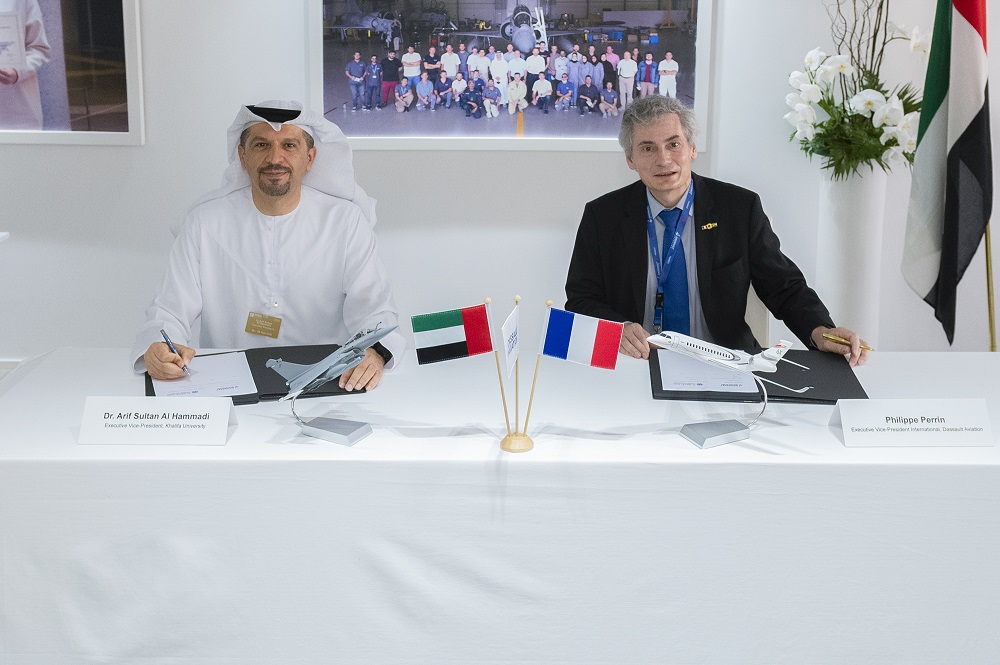
Khalifa University of Science and Technology and global aerospace leader Dassault Aviation today announced they have signed a memorandum of understanding (MoU) to establish academic cooperation in developing aeronautical education and related research in the UAE, involving industrial experience as well as advanced technologies.


The two partners will jointly promote and implement cooperation in areas including collaborative high-skilled research programs, student sponsorships and internships, support to academic programs as well as capacity building and development. The MoU will build on existing strengths within Khalifa University in the critical aviation, space, and defense systems sectors, covering aeronautics and astronautical engineering, as well as the Aerospace Research and  Innovation Center (ARIC) that drives innovation in these areas.


The MoU was signed by Dr. Arif Sultan Al Hammadi, Executive Vice-President, Khalifa University, and Philippe Perrin, Executive Vice-President International, on behalf of Eric Trappier, Chairman and Chief Executive Officer, Dassault Aviation, at Dubai Airshow 2021.


Dr Arif Sultan Al Hammadi said: “The collaboration with France-based global aerospace leader Dassault Aviation reflects our internationalization efforts to collaborate with best partners around the world to bring great minds and expertise to the UAE and our strong commitment to developing human capital in the UAE’s strategic areas. The partnership will benefit our researchers and scientists to explore new frontiers in this industry, while helping students to augment their knowledge and understanding of this vital sector. Through this MoU, we believe we will be able to contribute to the UAE and the region with innovative technology solutions and skilled manpower, capable of handling challenges specific to aerospace and aviation.”


Eric Trappier stated : “Dassault Aviation, as a reliable partner of the UAE for over 45 years, is committed for more than 20 years in contributing to human capital development of the UAE through the development of local capabilities and the enhancement of knowledge, technologies and industrial know-how. Our products, from Rafale fighter as well as Mirage 2000-9 brilliantly operated by the United Arab Emirates Air Force & Air Defence (UAE AF & AD) to Falcon family jets demonstrate our expertise in research and development in the field of Aeronautics and Systems with innovative solutions and a pragmatic and dynamic approach to cooperation. Today this new agreement illustrates our determination to share our expertise providing Khalifa University’s students with the highest education standards within the ambitious projects developed by the UAE industry for the benefit of strategic sectors of the UAE economy.”


Among other initiatives, Dassault Aviation intends to sponsor a cooperative research program on Smart and Advanced materials for aeronautic applications to be jointly conducted at Khalifa University. This activity, benefiting from the skills and outstanding expertise developed at the university, is seen as an important stepping-stone for the maturation of disruptive technologies and future integration on aircraft.


Clarence Michael
English Editor Specialist
22 November 2021

Khalifa University Researchers to Present Papers on New Solutions in Offshore, Marine, Upstream and Downstream Segments at ADIPEC 2021

Displays on Most Recent Patents to Cover New Innovative EOR Technologies, Geoscience, and Oil and Gas Field Developments  


Faculty and researchers from Khalifa University of Science and Technology will present more than 11 research papers, covering the most innovative technology advancements in offshore, marine, upstream and downstream segments of the global oil and gas industry at Abu Dhabi International Petroleum Exhibition and Conference (ADIPEC) 2021.


Hosted by the Abu Dhabi National Oil Company (ADNOC), ADIPEC 2021 is scheduled to be held from 15-18 November at the Abu Dhabi National Exhibition Center (ADNEC). The Khalifa University stand, focusing on the activities of Petroleum Institute, the university’s main R&D component for oil and gas, will display information on the latest IPs including six issued patents for enhanced oil recovery (EOR),  one for artificial intelligence, robotics, and hybrid intelligent systems in geoscience, one each on oil field development and management, unconventional resources development, data analytics and machine learning in geosciences, as well as gas field development and management.


It will also showcase a drone, developed by Dr. Hamad Al Karki, Associate Professor, Mechanical Engineering, and his team of students, which won second place at the Dubai World Challenge for Self-Driving Transport 2021.


Dr. Arif Sultan Al Hammadi, Executive Vice-President, Khalifa University, said: “Reflecting the status of Khalifa University’s Petroleum Engineering Department which at present is ranked 21st internationally, the participation in ADIPEC 2021, a leading industry networking platform and technology showcase, will project our leading status as a pioneer in oil and gas sector innovation. In addition, our faculty will present research papers, and offer their expertise, while students will demonstrate their entrepreneurial prowess at the SPE ADIPEC Virtual University Program competition. We believe through ADIPEC, we aim to provide a glimpse of our leading research projects in the oil and gas industry.”


In addition to displays at the stand, Khalifa University faculty and students will be closely involved in the 2021 SPE ADIPEC Virtual University Program, which gives students clear insights into the industry and provides opportunities for students to build their professional networks and work with peers across the MENA region on joint virtual activities.


Khalifa University faculty including Dr. Ahmed Al Shoaibi, Associate Professor, Chemical Engineering, and Senior Vice-President for Academic and Student Services, will be a Committee Advisor for the Steering Committee of the SPE ADIPEC University Program, while Dr. Emad Al Shalabi, Assistant Professor, Petroleum Engineering, is a member.


A team of four senior Khalifa University petroleum engineering students will be developing a two-minute video and a 500-word write-up on this year’s project theme, ‘Hydrogen Energy as an Enabler for a Net Zero Carbon Target’. They will be joining a total of 29 teams from the Middle East and North Africa region for the competition. A judging panel will shortlist the top six teams who are expected to work closely with a young professional mentor for two weeks, to present a video presentation. The presentations will once again be reviewed by the judging panel, who will decide the winners.


Clarence Michael
English Editor Specialist
15 November 2021

KU Students Complete Six Sigma Project at Bab Al Qasr Hotel


Maha AlDhaheri and Mariam Ramadan, both BSc in Industrial and Systems Engineering students, successfully optimized the service delivery at Bab Al Qasr hotel, a luxury hotel in Abu Dhabi, in Spring 2019, as part of their Six Sigma Methodology and Applications course.


The course, delivered by Dr. Maher Maalouf, Associate Professor of Industrial and Systems Engineering, engages the students through an experiential learning approach with real-life projects and activities. The students learn-by-doing the Six Sigma set of tools and methodologies, these include powerful techniques used by major companies worldwide to help improve production processes, eliminate defects, and guarantee quality. 


Mahriam and Maha put their retained skills from the Six Sigma course into work to help identify optimal ways to streamline the beverage delivery at Bab Al Qasr hotel. Using DMAIC (Define, Measure, Analyze, Improve, Control) tools, the students streamlined the chain of activities at the hotel, resulting in an improved workers’ efficiency by 16.5%, with a 1000% return on investment (ROI) as judged by the Hotel management.


“This project has opened our eyes to the importance of Six Sigma and process improvement in hospitality to enhance organizations’ operational and financial performance,” the students shared. 


They credit the experience for improving their communication and technical skills, as they had to collect information from several different stations, machines and people across many departments.


“Working on this project also helped us identify non-value-added activities and inefficiencies in the hospitality sector, a field in which Six Sigma application is limited in the existing literature,” they said.


“In terms of technical skills, the project boosted our data collection and analyses skills. These are vital to being able to better identify the problem, validate its existence, understand where opportunities exist, and make significant and sustained improvements that help the organization.”


Several courses in the Industrial and Systems Engineering department, including Six Sigma, involve hands-on projects like this one, to help emphasize the experiential learning and learn-by-doing approach.


Erica Solomon
Senior Publication Specialist
14 November 2021

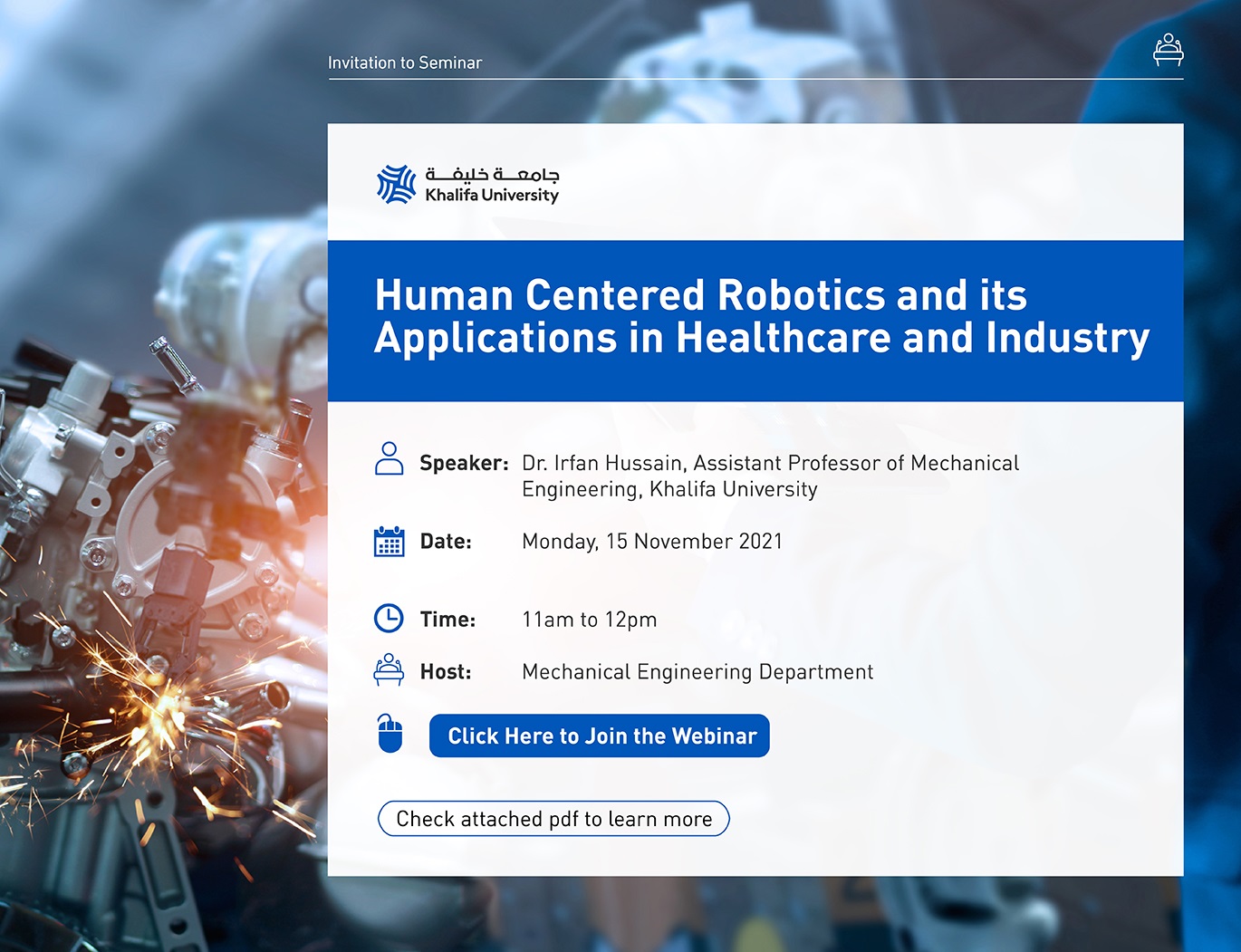
Dr. Irfan Hussain Delivers Human-Centered Robotics Webinar

Dr. Irfan Hussain, Assistant Professor in Robotics and Mechanical Engineering, delivered a webinar titled “Human Centered Robotics and Its Applications in Healthcare and Industry” on Thursday, 11 November.


Human-centered robotics (HCR) focuses on the science and systems needed for robots to interact, assist and cooperate with humans. HCR holds a special place in the robotics field because they both mimic human sensing/actuation (Physical Intelligence) and cognitive behavior (Artificial Intelligence), and are designed to assist humans for safety and productivity. To explore human-centered robotics is to explore human beings and how we sense the world, analyze complex and often conflicting information, and act upon our findings, modifying perception, understanding, and action as new information is available. Such machines could be of great practical benefit to humans on long space flights to Mars, for instance, or as human proxies in hazardous environments or healthcare and Industry. HCR is a multifaceted and challenging domain which entails robot operation in human environments and close interaction with non-professional users. Obviously, creating human-centered robots poses many challenges in conception, design, and the hardware and software that support them. In this keynote, I will introduce our work in human centered robotics and its applications to healthcare and Industry.

KU Faculty Joins the Mohammed bin Rashid Academy of Scientists Roster

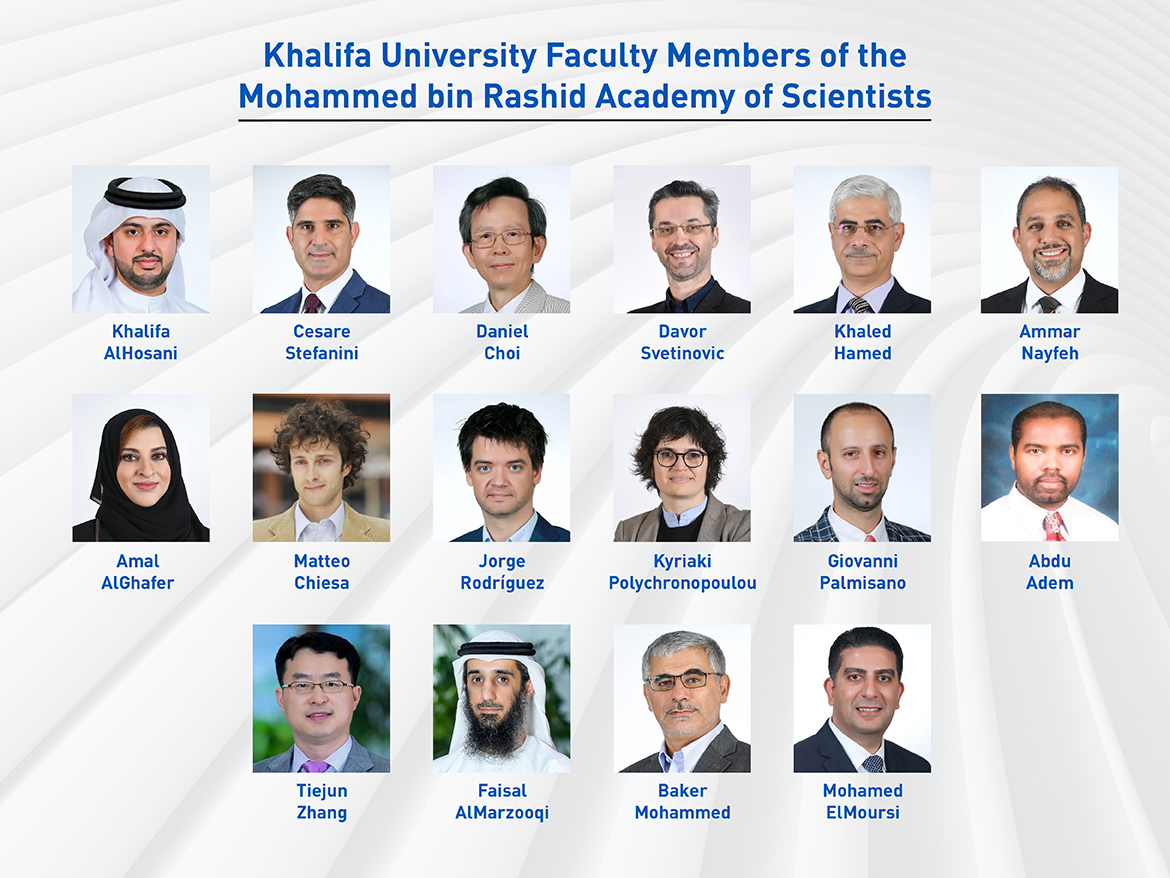
Eighteen Khalifa University faculty members have been selected to be part of the second cycle of the prestigious Mohammed Bin Rashid Academy of Scientists (MBRAS), the primary body of the UAE’s science community composed of top researchers from different institutions in the country. 


The Khalifa University MBRAS members were selected for their expertise in their respective fields. In addition, four KU students were selected to participate in the new Youth Member category.


The KU members join other prominent scientists from around the UAE who were selected. The total number of members that form the MBRAS second cycle is 64, along with 45 new affiliate members and 40 new youth members. This brings the total number of members in MBRAS to 97, in addition to 85 affiliate members.


Khalifa University is deeply committed to the UAE’s knowledge economy transformation and to empowering the local community, which is why it is proud to see many of its faculty and students pool together with other experts in the country to explore new ways to drive scientific progress in the country.


Congratulations to the KU faculty and students who were selected! 


The KU members include: 


Health and Medical Science Member:


Engineering and Technology Members:


Affiliate Members:


Youth Members:


  • Ayesha Alkhoori, PhD in Engineering
  • Falah Alhammadi, PhD in Engineering
  • Ahmed Aldhanhani, BSc in Mechanical Engineering
  • Aaesha Alnuaimi, BSc in Computer Engineering
  • Taimur Hassan, PhD in Electrical Engineering and Computer Science


Erica Solomon
Senior Publication Specialist
10 November 2021