This Boxing Day, Have an Extra Helping of Pickled Vegetables

It takes guts – healthy guts – to fight Covid-19


With a week to go until the start of 2022 – and so much demand for a better year ahead than the one we are leaving behind – the time is ripe for making New Year’s resolutions. Few lists will be significantly different than those of years past. Every year, polling companies find the most popular resolutions to be the same the world over: eating better, exercising more and losing weight.


It is hardly a wonder why; the holiday season at the end of December is, in many wealthier countries, responsible for up to half of the average weight gained over the course of the year.


In a world ridden with Covid-19, old ambitions for a slimmer waistline have gained a new urgency. Diet, exercise and overall fitness are major factors in staying healthy during this pandemic. Maintaining a healthy diet is arguably the trickiest of these, particularly so soon after one has spent days feasting on Christmas dinners, Boxing Day lunches and New Year’s brunches.


According to a new study carried out in the UAE, however, diet may play an even larger role than was previously thought in maintaining the body’s defences against Covid-19. Scientists at the University of Sharjah and Khalifa University of Science and Technology, among others, found that the make-up of the body’s gut microbiome – the ecosystem of bacteria inhabiting our bellies – may influence the severity of a Covid-19 infection.


Read the rest of the article here: https://www.thenationalnews.com/opinion/editorial/2021/12/26/this-boxing-day-have-an-extra-helping-of-pickled-vegetables/

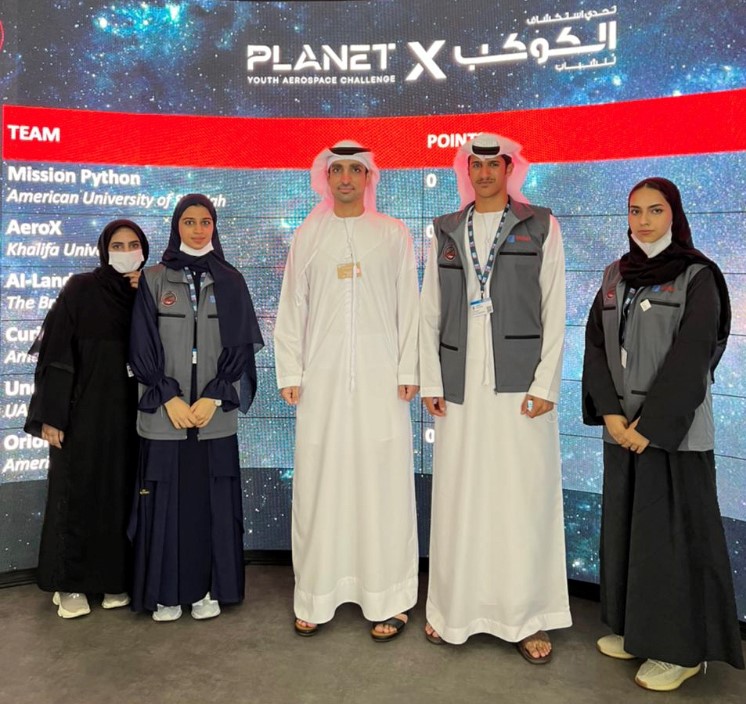
Khalifa University Participates in Emirates Mars Mission’s Planet X Youth Challenge


Khalifa University competed in the Planet X Youth Challenge, a nationwide event aimed to promote students’ interest in STEM. The competition was launched by the Emirates Mars Mission, in partnership with Dubai Airshow 2021, and was designed specifically to inspire the youth to pursue careers in space and aviation. 


A prequalification round was held in September where more than 200 teams from various universities in the country applied to be part of the challenge. This was followed by a two-day training in October. And finally, the main challenge that took place during the Dubai Airshow 2021.  


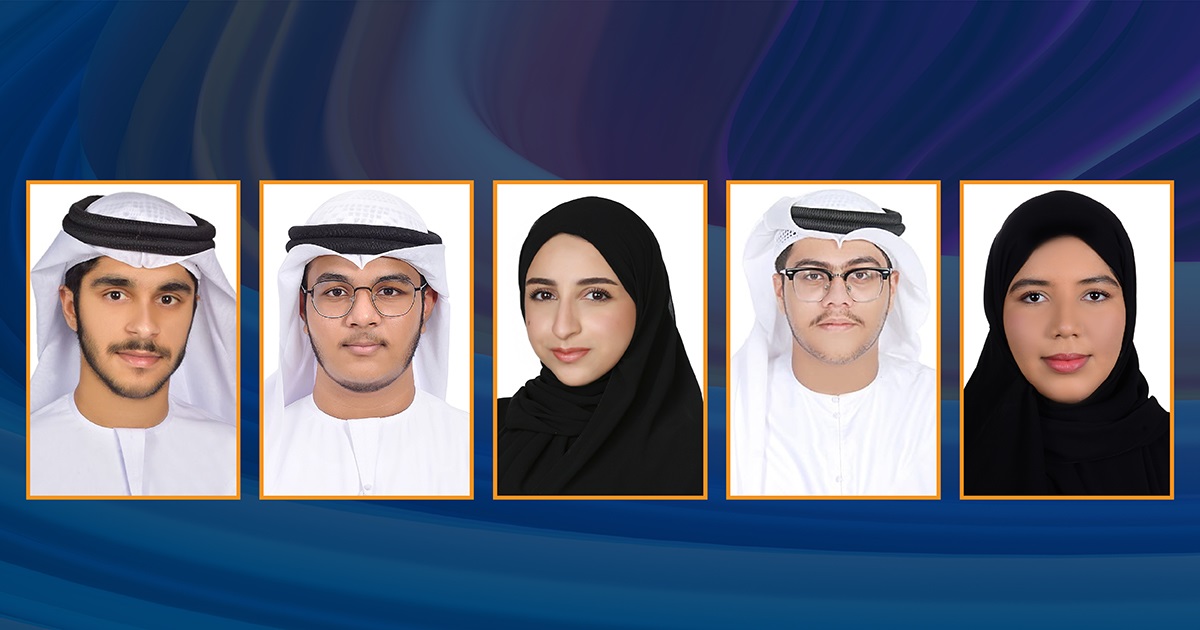
AeroX, KU’s representative team to the competition, was among the top 6 groups that qualified to compete in the final stage of the challenge after scoring a high score in the Python Hackathon. The team was composed of undergraduate students:

  • Soghah Mohamed Ali Jedeid Alshehhi (Electrical Engineering);
  • Ahmed Husain Hamad Abdulla Alawani (Aerospace Engineering);
  • Somayyah Mohamed Rashed Abdulla Althabahi (Aerospace Engineering); and
  • Fatema Saleh Hasan Ali Almarzooqi (Aerospace Engineering). 


During the finals, the teams worked on two main challenges:

  • UAV Challenge – The teams were tasked to design, print, and present an unmanned aerial vehicle (UAV) that will be able to conduct exploration missions and collect samples on a fictional planet, Planet X. In creating the model UAV, the teams had to consider the physics behind the design, as well as the environment of the planet. 
  • UGV Challenge – This challenge required teams to program an unmanned ground vehicle robot to accomplish several tasks while successfully overcoming obstacles within the 5-minute time limit. 


The AeroX team designed an UAV specific to the environment of Planet X, taking into consideration its gravity, surface temperature, atmospheric pressure, etc. The team observed the differences between Earth’s environment and Planet X, and from their observations they were able to develop their UAV “HEXAPLORE”. Hexaplore is a unique UAV that has five main parts: hexagonal body (base), hexa rotor, higher antenna, drills, and a multi-mission radioisotope thermoelectric generator (MMRTG). It is designed to automatically perform the missions required to explore Planet X, including discovering new areas, taking pictures, and collecting samples.


“From this experience, we are able to sharpen our way of thinking and we have gained a lot of knowledge about space missions, especially the Emirates missions. Furthermore, the challenges introduced us to a new programming language and designing software that helped us complete the challenges,” Fatema and Soghah said. 


“We are very honored that we got the chance to meet people from the Mohammed bin Rashid Space Centre (MBRSC) who are currently working on different space missions and Eng. Omran Sharaf, the project manager of the UAE’s first mission to Mars. Winning the prize wasn’t our only consideration in participating but meeting these passionate people who push us, the youth, to take part in these amazing opportunities and motivate us to work hard to have a bright future working on STEM jobs,” they added.


Ara Maj Cruz
Creative Writer
26 December 2021

Petroleum Engineering Faculty Discusses Advanced Discretizations in New Book on MATLAB Reservoir Simulation

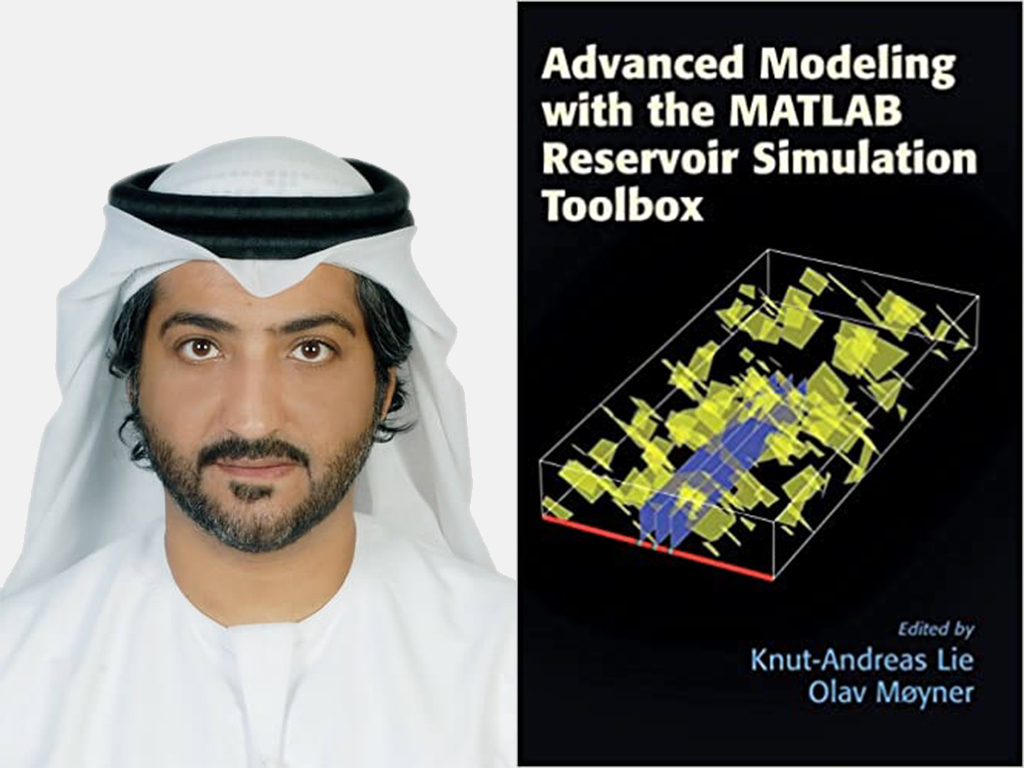
Dr. Mohammed Saad Al Kobaisi, Associate Professor of Petroleum Engineering, is sharing his expertise in advanced discretizations and has collaborated with other leading industry experts in the newly published book Advanced Modeling with the MATLAB Reservoir Simulation. Dr. Al Kobaisi authored Chapter 2 of the book titled “Nonlinear Finite-Volume Methods for the Flow Equation in Porous Media,” which succinctly explains the formulation of nonlinear finite-volume (NFV) methods as advanced discretization schemes. 


“It was in 2019 when I first received the invitation from Chief Scientist Knut-Andreas Lie, of the SINTEF research center in Oslo, to contribute with a chapter in an upcoming book titled ‘Advanced Modeling with the MATLAB Reservoir Simulation Toolbox’. I was humbled to learn that our recent works in the area of advanced discretizations were gaining traction in the scientific computing community and being cited in prestigious research centers and universities’ publications (the likes of NASA Ames Research Center, Stanford University, University of Illinois at Urbana-Champaign, Institute of Applied Physics and Computational Mathematics, Communication University of China, among others). Although our developments were primarily targeting the oil and gas industry, the numerical tools we are working on at KU have applications in numerous industries and fields such as aerospace engineering, material sciences, environmental engineering, hydrology, CCUS, applied mathematics, and more,” Dr. Al Kobaisi shared. 


The advanced discretization schemes Dr. Al Kobaisi talks about in his chapter are consistent and monotone by design. “We show the basic ideas of how to construct one-sided fluxes, interpolate using harmonic averaging points, and obtain unique discrete fluxes through grid faces with convex combinations of one- sided fluxes. Key functions in the accompanying nfvm module in the MATLAB Reservoir Simulation Toolbox (MRST) are outlined and examples of how the method is applied are presented,” he explained.


Dr. Mohamed Sassi, Professor & Acting Department Chair of the Petroleum Engineering Department commented: “Dr. Al Kobaisi’s contribution to the book and his work with other eminent scientists in the petroleum engineering world is a great achievement. This is testimony of the exceptional caliber of our faculty and the strength of our Petroleum Engineering program, which ranks 21st worldwide in the QS World University Rankings.” 


Dr. Al Kobaisi has extensive experience in the industry, previously serving as Energy Affairs Manager of the Directorate of Energy and Climate Change (DECC) at the Ministry of Foreign Affairs (MOFA) where he was in charge of the work on bilateral energy relations in oil, gas, and renewable energy. He was also Deputy Permanent Representative of the UAE Mission to the International Renewable Energy Agency (IRENA) and an Advisor to the Ministry of Climate Change and Environment (MOCCAE) from 2017 to 2019. 


The book Advanced Modeling with the MATLAB Reservoir Simulation is published by Cambridge University Press and electronic copies of the book can be downloaded for free from their website.


Ara Maj Cruz
Creative Writer
26 December 2021

Celebrating UAE’s Golden Jubilee with Solar Lights and Reflections on Antarctica

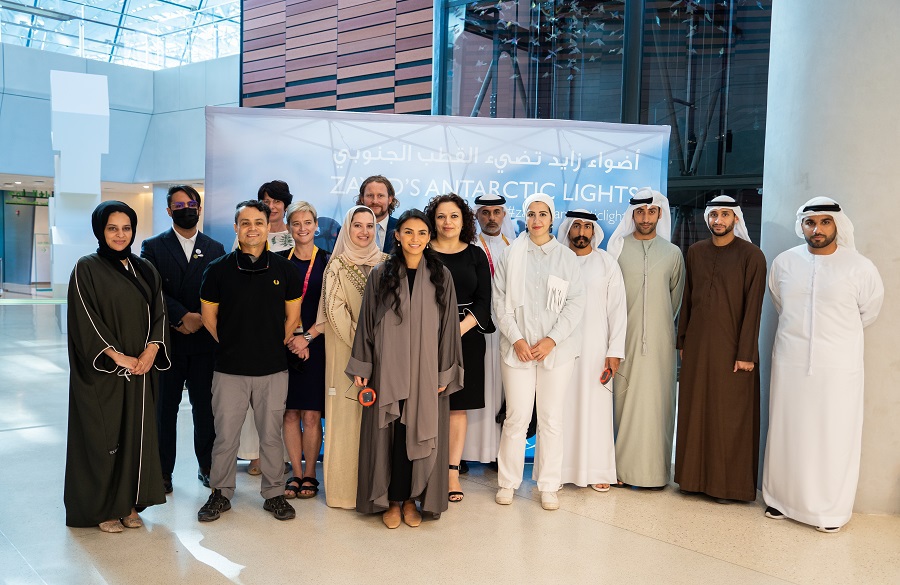
Dr. Diana Francis, Senior Scientist and Head of Environmental and Geophysical Sciences (ENGEOS) Lab at Khalifa University, participated in the Antarctica Day event on 1 December 2021 at the Dubai Expo. The event, which was hosted by Environment Agency — Abu Dhabi (EAD), brought together the 35 people from the UAE who have visited the world’s polar regions of Antarctica and the Arctic. 


The purpose of the gathering was to share stories on historic UAE Antarctic and Arctic expeditions from the previous 50 years, discuss the importance of the polar regions to the UAE with respect to climate change and plan future environmental collaborations, in celebration of the UAE’s 50th anniversary.


“I have been studying polar regions and particularly Antarctica for more than five years,” Dr. Francis shared. 


“My interest is specifically in the climate science of Polar Regions with emphasis on the link between the atmosphere and the cryosphere (both land ice and sea ice). In this context, I organize every year, along with two other polar scientists, a workshop on Polar Meteorology and Climatology at the European Geosciences Union General Assembly to facilitate the exchange of new knowledge among the international community of polar scientists, which helps us to identify current gaps and plan future activities,” she added.


Currently, at the ENGEOS Lab, KU researchers are conducting a project on Antarctic sea ice and how global warming is affecting it. KU has instruments in Antarctica to measure the state of ice and gain invaluable knowledge about its variability. The work is being done in collaboration with Australia.


Future plans include additional projects to study the variability of Antarctic Ice and its impact on Sea level rise globally and regionally, as well as the development of new methods to investigate the Antarctic environment from space (via satellites) and on the ground (via in-situ observations).


The Antarctic Day event was organized under the Zayed’s Lights initiative. During the gathering, each participant received a Zayed light, which is a small solar powered light, in recognition of their contribution to Antarctic science and polar science in general.


Over 100 Zayed Lights were used in 2018 by a team of UAE researchers from EAD who traveled to Antarctica to light up the Antarctic sky, sending a message of unity, hope and action on climate change.


To symbolically raise awareness on the importance of climate change action, in replicating the initiative of EAD’s Team Zayed in Antarctica, the attendees at the Expo 2020 Dubai event wrote the following words: ‘Antarctica, Climate Change, Dubai Expo, UAE 50 Years and COP 28’, using 50 individual solar lights, reflecting 50 years of the UAE.


The participants, who are now part of the UAE Polar Network, also discussed the key messages from the August 2021 Intergovernmental Panel on Climate Change (IPCC) Report, which warned about the impact of climate change and the urgency to take action to mitigate the worst impacts of climate change in the future. 


Erica Solomon
Senior Publication Specialist
26 December 2021

Healthy Gut Bacteria Can Reduce Severity of COVID-19, UAE Researchers Say

The study shows that certain types of anti-inflammatory bacteria and fatty acids in the intestines strengthen the body’s immune response


Scientists in the UAE have found that some bacteria in the gut may reduce the severity of Covid-19 in infected people.


The study carried out by scientists at the University of Sharjah, Khalifa University of Science and Technology in Abu Dhabi, and other institutions, said the make-up of the gut microbiome may influence the severity of the disease and the body’s immune response.


The work is among the latest of many studies of the relationship between the gut microbiome and Covid-19, some of which have analysed how diet influences a person’s ability to fend off the coronavirus.


The study, published in Frontiers in Microbiology, looked at 86 infected people and another 57 without the disease.


Read the rest of the article here: https://www.thenationalnews.com/uae/health/2021/12/23/healthy-gut-bacteria-can-reduce-severity-of-covid-19-uae-researchers-say/

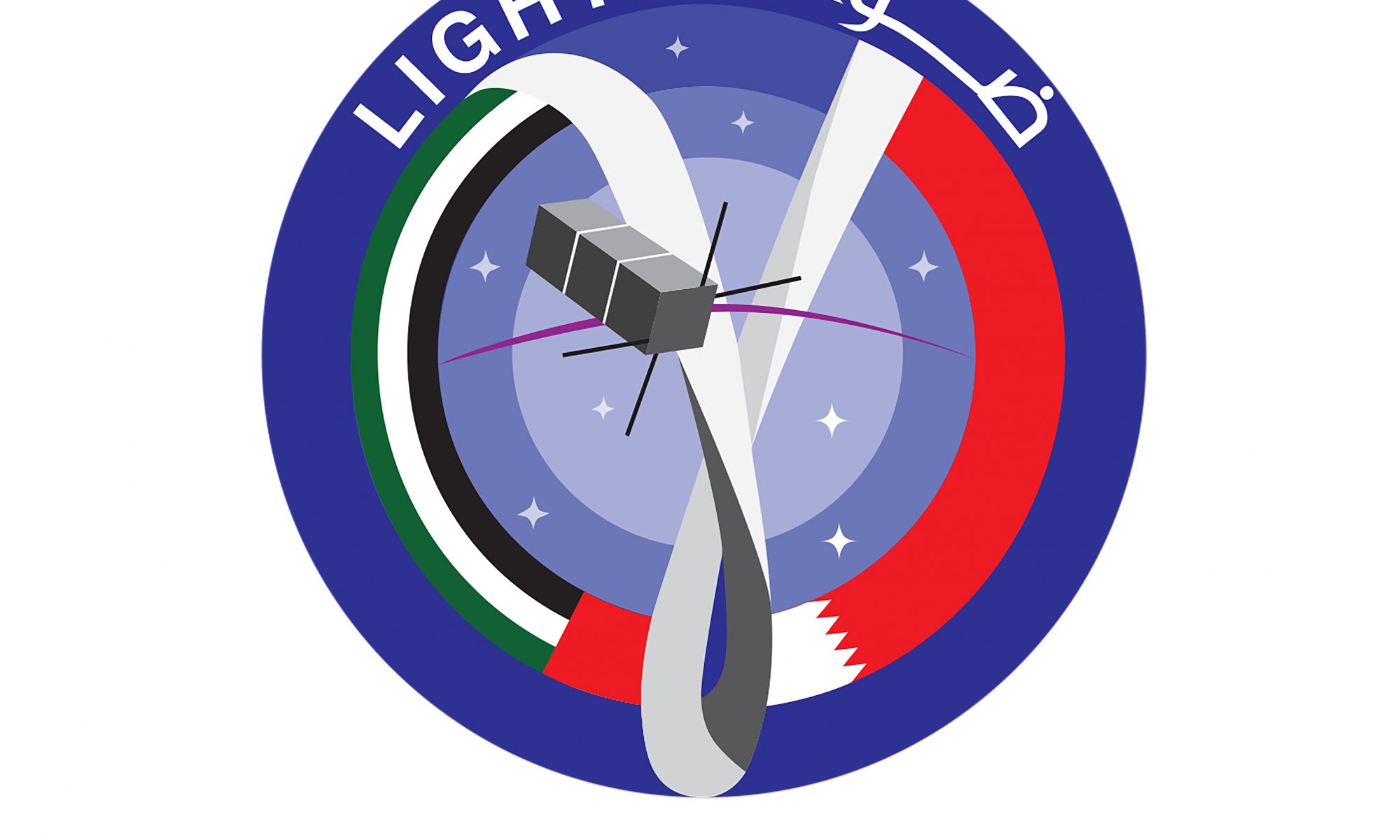
Joint UAE-Bahraini nanosatellite Light-1 set to launch on 21st December

The team is made up of 22 students from Khalifa University, 10 Emiratis and 9 Bahrainis and 3 International students.


The joint UAE-Bahraini nanosatellite Light-1 will be launched to the International Space Station on 21st December 2021. It represents a major milestone of cooperation in space science, technology and engineering between the UAE and Bahrain.


Light-1 will take off onboard a SpaceX CRS-24 flight on board of a Falcon 9 rocket after undergoing rigorous safety and environmental tests for thermal and vibration, communication systems and more. Light-1 then will get deployed from the Japanese Experiment Module (KIBO) in the ISS into orbit, under supervision from the Japanese Aerospace Space Agency (JAXA).


The nanosatellite was built and designed in collaboration between the UAE Space Agency and Bahrain’s National Space Science Agency (NSSA). It is a testament to the bilateral ties between the Kingdom of Bahrain and the UAE, underscoring the social, economic and scientific cooperation between both countries in priority industries, including space.


Light-1 is a nanosatellite, but it is no different from other larger satellites in terms of the technology or technical expertise required to build or launch it. It is also a cube satellite that consists of three units and is often referred to as a 3U CubeSat.


Light-1’s name was inspired by His Majesty King Hamad bin Isa Al Khalifa of Bahrain’s book, The First Light. It recounts key points in Bahrain’s history and the name symbolizes the country’s growth and scientific progress.


The research spacecraft was developed by leading Bahraini and Emirati engineers and scientists working from labs in the UAE. The team is made up of 23 students, including nine Bahrainis and 14 Emiratis from Khalifa University and New York University Abu Dhabi.


After reaching its orbit around Earth, Light-1 will monitor and study terrestrial gamma ray flashes (TGRs) from thunderstorms and cumulus clouds. TRG analysis is an emerging field of geoscientific research which the mission will contribute to at an international level. It will be the first study of its kind in the region. New York University will be leading the science data analysis aspect for this mission.


In addition to the joint Light-1 satellite, the Khalifa University of Science and Technology in Abu Dhabi supports the capacity building of NSSA staff by including them in key projects. This has helped train and upskill talent in space field.


The strong and mutually-beneficial partnership between the UAE Space Agency and NSSA will also see the UAE Space Agency participate in the Bahrain International Airshow 2022; in which an agreement was signed by Sarah bint Yousif Al Amiri, Minister of State for Advanced Technology and Chairwoman of the UAE Space Agency, and Eng. Kamal bin Ahmed Mohammed, Minister of Transportation and Telecommunications and Chairman of the NSSA at the Dubai Airshow 2021.


Bahrain is also a member of the Arab Space Cooperation Group, an initiative adopted to promote cooperation on space among Arab countries. It has 14 member states and is headquartered in Abu Dhabi.


A New Blood Glucose Monitoring Device Using Holey Graphene


Real-time monitoring of sugar molecules is crucial in diabetes treatment, but current methods are invasive and expensive. Researchers from Khalifa University collaborated with an international team to investigate holey graphene, a novel low-cost material, for glucose sensors


The World Health Organization estimates that over 382 million people worldwide have diabetes, a metabolic disorder affecting blood sugar levels. The underlying cause of diabetes varies by type, but each type can lead to excess sugar in the blood, which could cause serious health problems. For all patients, blood sugar monitoring plays a crucial role in treatment.


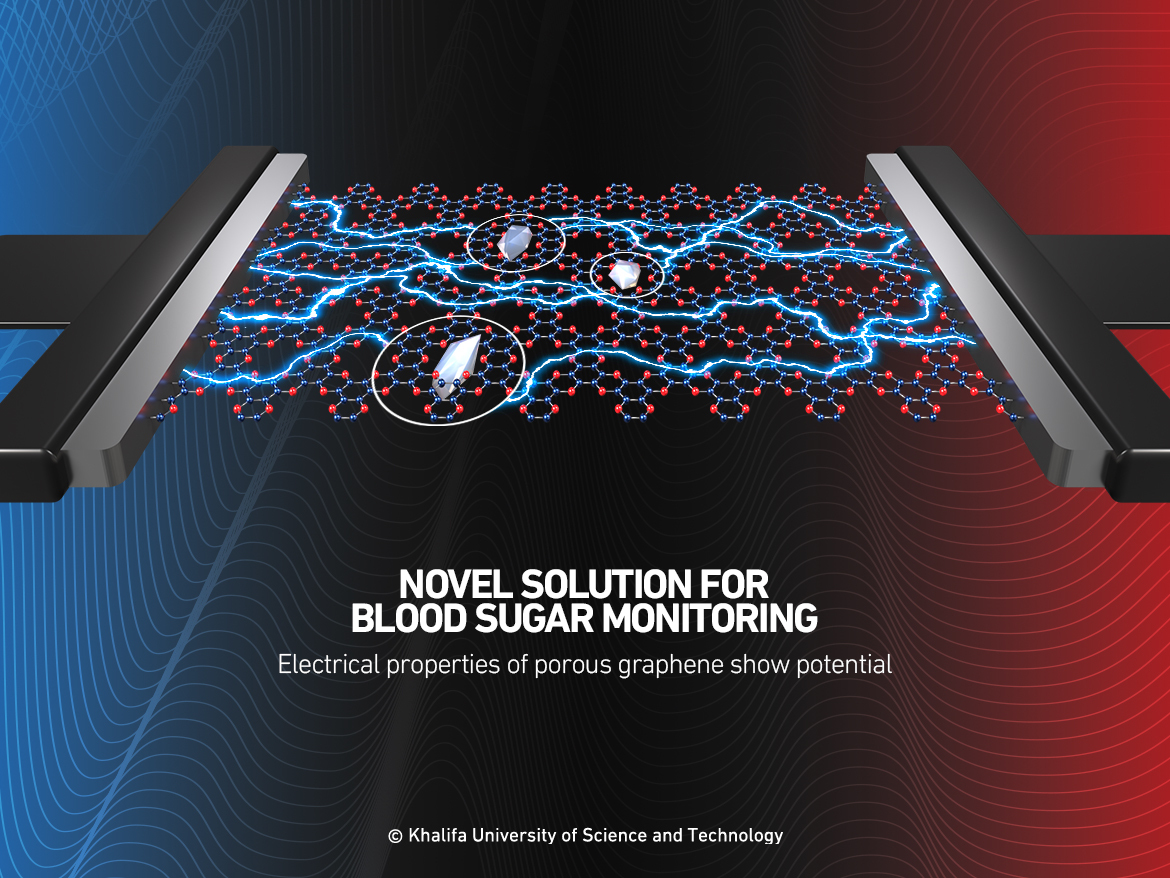
The sugar molecules adsorb onto a layer of holey graphene, which alters the electronic properties of the material. These changes can be measured and correspond to blood sugar monitoring data to check the blood sugar levels without invasive testing.


Dr. Muhammad Sajjad, Postdoctoral Fellow, and Dr. Nirpendra Singh, Assistant Professor, both in the Khalifa University Department of Physics, collaborated with Dr. Puspamitra Panigrahi, Hindustan Institute of Technology and Science, India, Dr. Deobrat Singh and Prof. Rajeev Ahuja, Uppsala University, Sweden, Dr. Tanveer Hussain, The University of Queensland, Australia, and Prof. J. Andreas Larsson, Lulea University of Technology, Sweden. They published their results in Applied Surface Science.


“Since the first invention of a biosensor for glucose detection, there has been tremendous demand for low-cost, portable, and reliable glucose sensors,” Dr. Singh said. “So far, most of the available devices are dependent on an expensive glucose oxidase enzyme-based recognition unit and require people to deal with the painful finger-pricking process.”


Continuous monitoring of glucose levels in people with diabetes is essential to managing the disease and avoiding the complications associated with poorly-managed treatment. There are two types of glucose monitoring sensors, enzymatic and non-enzymatic, currently available in the market.


Enzyme-based sensors use glucose dehydrogenase (GDH) or glucose oxidase (GOx), which interact with glucose molecules, resulting in an electrical response correlated to the concentration of glucose. However, these sensors are expensive to manufacture and are sensitive to environmental conditions. Non-enzymatic sensors allow glucose to be oxidized directly on the surface of the sensor, where the atoms at the surface act as the electrocatalysts, resulting in high stability with repeated use and cost-effective fabrication.


Different materials have been used to develop non-enzymatic sensors, and although each material has its own advantages and limitations, the research team focused on graphene—specifically, holey graphene.


Graphene is a unique material comprising densely packed carbon atoms arranged in a hexagonal honeycomb lattice and can be exfoliated from the graphite. It is extremely versatile and has potential applications in various fields, particularly thanks to its superior optical, electrical, thermal, and mechanical properties.


In its purest form, graphene offers myriad applications. However, in recent years, the nanoscale perforation of 2D materials has emerged as an effective strategy to enhance and widen the applications of the material beyond its pristine form.


Holey graphene is a form of graphene with nanopores in its plane. The performance of the material is affected by the pore size, density, shape, and volume. Uniform pore shape and size distribution are usually optimal as it leads to enhanced thermal, mechanical and electrical properties. These pores are perfect for adsorption, where target molecules are collected by attaching to the surface of the pores.


“Since the performance of an electrochemical biosensor depends on the surface area to improve charge transfer and catalytic activity, two-dimensional graphene-like nanomaterials and functionalized graphene are now the best possible materials for a new generation of highly sensitive glucose sensors,” Dr. Singh said. “The holey graphene is very sensitive even at very low concentrations of glucose.”


These fluids are easily accessed without the need for any finger pricking and can be examined to identify various biomarkers, such as those involved in cancer, Alzheimer’s disease, Parkinson’s disease, cystic fibrosis, systemic sclerosis and glaucoma, and blood sugar levels for diabetes management.


When saliva, tears, or sweat hit the surface, the sugars interact with a layer of nitrogenated holey graphene (C2N) that is only a single atom thick. Glucose, fructose and xylose are the sugar molecules found in the body and when they interact with the holey graphene layer, the electronic properties of the layer are altered. These changes are measured and interpreted as various levels of sugar in the bodily fluid tested.


This work was supported by the Swedish Research Council, the Abu Dhabi Department of Education and Knowledge, and Khalifa University of Science and Technology.


Jade Sterling
Science Writer
20 December 2021

KU EECS Senior Students Win 2nd Place at 15th IEEE UAE Student Day 2021 Competition

A team of four Electrical Engineering and Computer Science senior students have won 2nd place at the 15th IEEE UAE Student Day 2021 competition in the category “Senior Design Project – Power and Renewable Energy,” for their innovative electric vehicle wireless charging system. The Competition took place virtually on 6 November 2021.


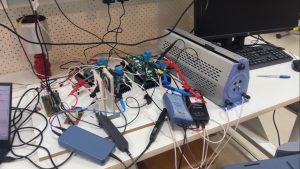
The 7kW multi-coil wireless charging system the team designed was based on a thorough research/literature review of wireless charging systems. The team studied the various compensation strategies, selected the best compensation strategy, modeled and designed the wireless charging system, verified it through computer simulation, and finally built an experimental prototype.  


The team included senior students Faris Alazzani, Esmaeil Alhajeri, Ali Alzaabi, and Saeed Al Qubaisi. They were supervised by Dr. Balanthi Beig, Associate Professor, Dr. Khaled Al Jaafari, Assistant Professor, and Dr. Khalid AlHammadi, Assistant Professor, all from KU’s EECS Department. Dr. Nazar Ali, Associate Professor of EECS is the course instructor. 


“Participating in such competitions motivates students to work hard, and winning 2nd place encourages us to develop our project further,” Faris, the Team Leader, shared. 


“Since the sky’s the limit at Khalifa University, we will do our best to participate in more competitions and conferences with our project and aim for first place. Many thanks to Khalifa University and the EECS department for giving us this opportunity to participate in this competition and for providing all the equipment we needed to develop and test our system. Moreover, many thanks to our supervisor Dr. Balanthi Beig. He supported us from the beginning and he encouraged us to participate in this competition. Lastly, we are thankful to our supervisors Dr. Khaled Al Jaafri and Dr. Khalid Al Hammadi, and to researchers Dr. Ahmed Shehada, Dr. Motiur Mohammed and Mr. Nguyen The Hoach for their help in the lab. We would also like to thank Dr. Shihab Jimaa, Associate Professor of EECS and KU coordinator of the IEEE Student competition for his encouragement.”


The KU multi-coil wireless EV charging system consists of a rectifier with capacitor filter – a device which converts an alternating current (from the Abu Dhabi Distribution Company’s  distribution supply socket at 230 volts and 50 Hertz),  into a direct  current. 


Then this DC power is converted to 85 kilohertz high frequency AC using a silicon carbide-metal-oxide-semiconductor field-effect transistor (SiC-MOSFET) based DC to AC converter.


This high frequency AC power is then transmitted wirelessly through a magnetic field using transmitter and receiver coils. 


The electric vehicles are fitted with receiver coils and the high frequency AC signal is converted to DC using another high frequency rectifier. This DC is then used to charge the car battery.


The KU students selected the series compensation strategy after conducting a thorough literature review. In the first stage, they modelled and designed a wireless charging system based on a single coil arrangement. Through simulation studies, they found that the energy transfer is reduced due to misalignment and the distance between transmitter and receiver coil. To increase energy-transfer efficiency, three coils were used at the transmitter end. The design was then verified through computer simulation using MATLAB/SIMULINK software.


The team then fabricated a scaled down experimental prototype and successfully tested it at the power electronics and sustainable energy research lab in KU’s Advanced Power and Energy Center. 


Erica Solomon
Senior Publication Specialist
20 December 2021

On the Hunt for Carbon Capture Materials with Computer Modeling Technologies

A team of researchers from Khalifa University asks: Are we missing something when evaluating adsorbents for CO2 capture at the system level?


We may be on the brink of global-scale change in the way we consume hydrocarbon fuels, but until the policies and agreements made at COP26 in Glasgow this month can be actualized, our relentless fossil fuel consumption continues to pump carbon dioxide into the atmosphere. These continuous emissions are the leading cause of climate change and it’s clearer than ever that we need to do something about the levels of carbon in our atmosphere.


In 2015, the international community adopted the Paris Climate Agreement, agreeing to limit the global average rise in temperature this century to less than 2° C, compared to pre-industrial levels, but with ambitions to limit the rise to less than 1.5° C. Along with a paradigm shift from fossil fuels to renewable energy sources, deployment of carbon capture, utilization and storage technologies was proposed as a core strategy to actively and significantly reduce greenhouse gas emissions. This is in addition to the clear economic benefit that could be derived from using CO2 as a feedstock material for chemical products in a resilient circular economy.


This means that carbon capture and storage technologies can be implemented across a range of industries from heating to electricity generation. To remove existing carbon dioxide from the atmosphere, we can use chemical solvents of different types, including membranes that adsorb carbon dioxide into porous molecules such as potassium hydroxide. However, this technology is currently expensive and energy intensive, as the amount of CO2 in the atmosphere is much diluted. Alternatively, CO2 capture from concentrated sources such as power plants is expected to play an important role in avoiding CO2 emissions, contributing to climate change mitigation. The more mature technology used in industry today for this purpose is absorption with chemical solvents.


Absorption works well but there’s a trade-off: many of our existing solvents come with an energy cost associated with heating the water for the removal of the CO2 to recover them. Ideally, we need processes that require less energy to capture and separate the CO2.


Dr. Ahmed AlHajaj, Assistant Professor, Hammed Balogun, Research Engineer, Dr. Daniel Bahamon, Research Scientist, Saeed Almenhali, Master student, and Prof. Lourdes Vega, all from the Khalifa University Research and Innovation Center on CO2 and Hydrogen (RICH), developed a systematic tool uses various key performance indicators such as energy consumption and cost to screen novel adsorbents operating at a commercial scale, while maintaining the US Department of Energy requirements of 95 percent CO2 purity and 90 percent CO2 capture rate. They published their results in the prestigious journal Energy and Environmental Science.


“There have been many previous attempts to assess the technical performance of adsorbents using experimental and modelling approaches,” Dr. AlHajaj explained. “Ours goes further by considering non-monetized factors including the purity of the captured CO2 as well as the quantity captured, and the energy required for the whole process at commercial scale.”


The team used molecular simulations to generate missing experimental data on the efficacy of the adsorptive material – how much it could adsorb – and a dynamic process model to simultaneously determine its economic potential.


Then, they selected the five most promising candidates for the detailed assessment at industrial carbon capture conditions. These five materials included a zeolite, three metal organic frameworks (MOFs), and activated carbon, all of which were evaluated for capturing CO2 from the flue gas of an industrial coal-fired power plant. The materials were examined for their performance in terms of CO2 purity, CO2 capture rate, productivity, energy consumption, and unit cost of CO2 captured at a commercial scale.


Flue gas is the by-product gas that leaves a fossil fuel power plant via a chimney known as a flue. While its composition depends on the fuel being burned, it mostly comprises nitrogen, carbon dioxide, water vapor and a number of pollutants such as particulate matter, carbon monoxide, nitrogen oxides and sulfur oxides. The ‘smoke’ seen pouring from these flues is not smoke at all, but the water vapor in the gas forming a cloud as it meets cooler air. Carbon dioxide is the second largest component of flue gas at around four to 25 percent, depending on the fuel source. It is sent to the atmosphere unless a carbon capture unit is used to separate it from the flue gas.


“Since the performance of a process can be altered when we scale it up, it was essential to evaluate these materials at commercial and industrial scales,” Prof. Vega said. “The zeolite was included as a comparison as it is already widely used in industry for air separation, where CO2 needs to be removed as an impurity. While one particular MOF performed as well as the traditional zeolite, the zeolite was still the best performing low-cost material, as it’s cheaper to synthesize than the MOF. A very relevant result is that other MOFs appear to be very good for CO2 capture when examined at lab scale using technical performance indicators, but fail when considered at industrial carbon capture conditions.” 


“This is very relevant in the search for the right materials for CO2 capture”, added Dr. AlHajaj. “Using the tool we have proposed to assess materials for carbon capture, including the right key performance indicators, will save time and economic efforts towards this goal.”


Zeolites are microporous materials commonly used as adsorbents and catalysts and are often considered “molecular sieves” as they can selectively sort molecules based primarily on a size exclusion process. However, they have limited capacity for CO2 capture and they are deactivated with water and other impurities. The best performing MOF would become a much more viable alternative if its production cost could be reduced. Hence the need for continued laboratory research on MOFs for use in carbon capture operations.


Jade Sterling
Science Writer
13 December 2021

KU Professor Chairs Research in Options: RiO 2021

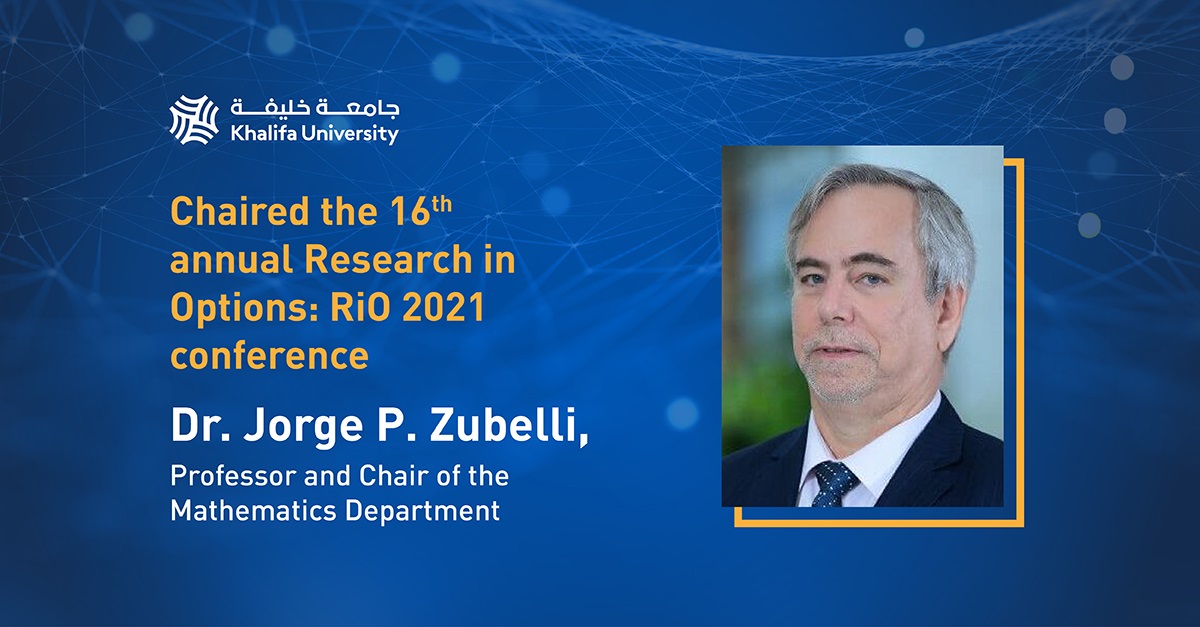
Dr. Jorge P. Zubelli, Professor and Chair of the Mathematics Department, recently chaired the 16th annual Research in Options: RiO 2021 conference. RiO 2021, which was held virtually from 21-24 November, provided a forum for experts to discuss some of the latest breakthroughs in mathematical research in Applied Mathematics.


This year’s meeting was co-hosted by FGV EMAp (School of Applied Mathematics in Rio de Janeiro), Universidade Federal Fluminense (UFF), Universidade Federal de Santa Catarina (UFSC) in Brazil, and KU’s Mathematics Department. Over 200 scientists, mathematicians, and practitioners who work on the interface of mathematics and finance discussed the latest research and tools that are advancing understanding of complex financial phenomena. 


The conference builds on the success of previous editions, which were hosted by Brazil’s National Institute for Pure and Applied Mathematics’ (IMPA) and the Laboratory for Analysis and Mathematical Modeling in the Applied Sciences (LAMCA), which was headed by Dr. Zubelli from 2011 – 2019. 


This year, the conference focused on different aspects of mathematical finance, including option pricing, fixed income, volatility trading, real options, commodities, algorithmic trading, portfolio and risk management.


Some of the most prominent names in quantitative finance and risk management participated in the event, including Bruno Dupire, Head of Research Bloomberg, who is recognized as one of the most influential quantitative analysts having received in 2008 the “Lifetime Achievement Award” by Risk Magazine. KU’s Dr. Giorgio Consigli, Associate Professor of Mathematics, also participated in the conference and presented on the topic of “Optimal option portfolios with volatility as asset class in a discrete market.” While KU’s Dr. Marcos Lopez de Prado, Professor of Practice in the Mathematics Department and ADIA’s Global Head on Quantitative Research & Development, presented on “Escaping The Sisyphean Trap: How Quants Can Achieve Their Full Potential.”  


The RiO conference sheds light on the increasingly important role of mathematical tools to model and understand how risk is assessed and managed, and how to address the growing number of mathematical and computational challenges the financial industry is facing.


Submitted manuscripts from RiO 2021 will be published in a special issue of the Journal of Computational Mathematics and Data Science, titled “Computational Mathematics and Data Science Methods in Quantitative Finance,” with Dr. Zubelli and two others serving as guest editors. 


Erica Solomon
Senior Publication Specialist
13 December 2021

KU Student Team Places 3rd in World Robot Olympiad

First time Khalifa University joined the WRO competition. 


A team of Khalifa University students won 3rd place at the World Robot Olympiad (WRO) UAE 2021 that was held from October 1 to 3, 2021. 


The WRO is a series of national robotics competitions of WRO member countries with over 85 national events organized worldwide. The WRO UAE 2021 event gathered around 800 participants grouped in 300 teams.


The teams competed in three categories, Regular, Open, and Future Engineers, under the theme “Powerbots – The Future of Energy.” This season’s theme focused on the challenges that come with using more energy from renewable sources. The teams were asked to build robots that specifically address the following:


  • Modernizing the energy use of a house;
  • Assisting e-vehicle charging in a parking garage;
  • Managing the energy mix on the grid; and
  • Designing self-driving cars that use sensors to avoid obstacles. 


Students in the Regular category were tasked to design, build, and program robots to solve specific challenges within a set timescale. The instructions were given at random during the day of the competition and the students had to video record themselves as they worked on their robot to complete the challenges given to them. They submitted their video within 24 hours after the instructions were given to them.  


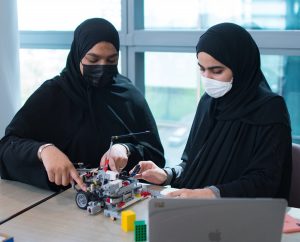
Khameis Mosabbah Alzeyoudi, BSc in Electrical Engineering, Wasan Khameis Aldhanhani, BSc in Aerospace Engineering, Humaid Abdulla Alhammadi, BSc in Computer Science, Khaled Ali Alshaloubi BSc in Mechanical Engineering, Khawla Mohammed Ashkanani, BSc in Electrical Engineering, Shamma Fadhel Alghfeli, BSc in Chemical Engineering, Muna Abdelrahman Almaazmi BSc in Aerospace Engineering, and Mahra Eid Alsuwaidi, BSc in Industrial and Systems Engineering, competed as two teams in the Regular Senior Category where they designed a robot that was built and programmed to perform certain tasks that can facilitate the use of renewable energy. 


Not only were the students able to build up on their STEM and robotics knowledge, but they were also able to hone other soft-skills such as creativity, collaboration, critical thinking, and communication, all of which are important and needed in the digital transformation of global businesses and industries. 


Team member Shamma shared, “We are so honored to be one of the top three teams in the National World Robotics Olympiad 2021, and grateful to be the recipient of the third position award. A huge thanks to our team for always working hard and still maintaining a friendly environment. In addition, special thanks to the university for supporting us by providing us with the required materials and a space for us to embrace our creativity and to potentially win this competition. We are always willing to compete again in this competition and hopefully win the top position one day.”


Ara Maj Cruz
Creative Writer
13 December 2021

Khalifa University and Lockheed Martin to Collaborate on Image Analysis System for Aircraft

Project Framework to Integrate Computer Vision, Machine Learning, and Expert Systems, Capable of Accurately Locating Markings and Symbols on Aircraft  


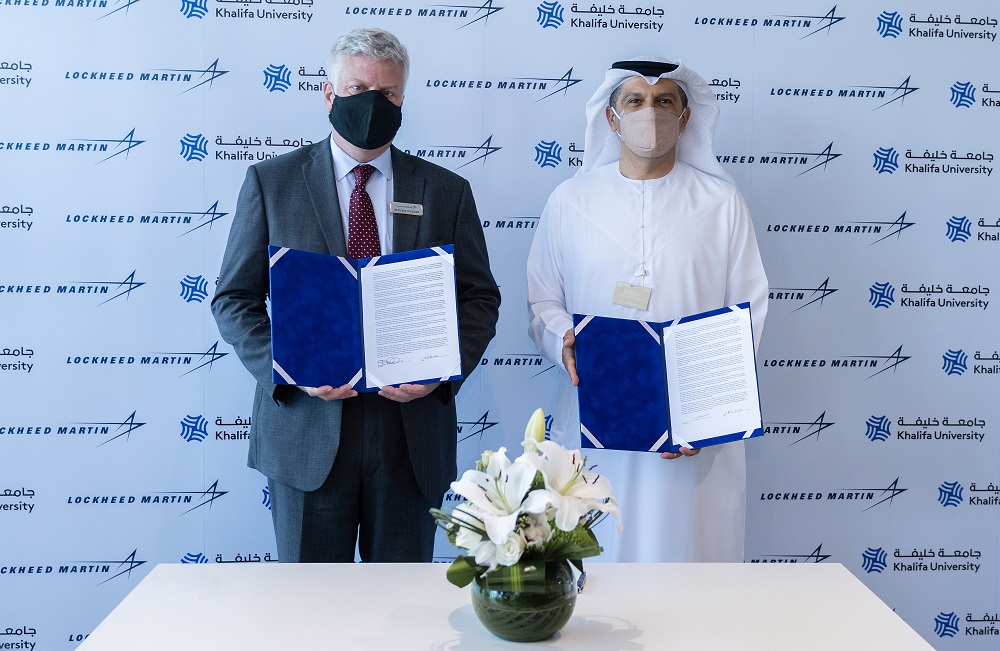
Khalifa University and Lockheed Martin today announced the signing of an agreement to create a framework to utilize Artificial Intelligence (AI) and computer vision to inspect and verify measurements, in order to improve the speed and accuracy of logo inspections during aircraft production cycle. 


The agreement was executed by Dr. Arif Sultan Al Hammadi, Executive Vice-President, Khalifa University, and Dr. Steve Walker, Vice President and Chief Technology Officer, Lockheed Martin, at Dubai Airshow 2021, held from 14-18 November 2021 at DWC. 


Lockheed Martin and Khalifa University will collaborate on a Computer Vision & Pattern Recognition (CVPR) project using AI reinforcement learning and training sets. CVPR techniques have become more ubiquitous as computer hardware and software techniques have improved over the past 20 years. CVPR has been applied to biometrics, target identification, aimpoint refinement and automated control. It is of interest to Lockheed Martin for use across all domains. 


“Khalifa University’s collaboration agreement with Lockheed Martin signifies our status not only as a top-ranked research-intensive university but also as a center for academic and innovation excellence in advanced technologies such as machine learning and augmented reality systems through our research centers,” said Dr. Arif Sultan Al Hammadi. “We believe this partnership will lead to an outcome that will benefit industry stakeholders while ushering in quality systems to assist professionals in the global aviation sector.” 


“We are excited by the opportunity to collaborate with Khalifa University on this AI project based on the Memorandum of Understanding we signed last year,” said Dr. Steven Walker. “Khalifa University is a leading research institute in the region and the results will be applicable to the production line and a variety of technology developments efforts across space, air, land, sea, underwater and cyber.” 


This effort will research techniques to improve the ability of CVPR to accurately register standard symbology in imagery. The techniques developed can then be applied to any product that is attempting to accurately locate markings and symbols. 


Dr. Naoufel Werghi, Professor of Electrical Engineering and Computer Sciences, Khalifa University, will be the Principal Investigator, while Dr. Ernesto Damiani, Director, Research Center on Cyber-Physical Systems (C2PS), will be the Co-PI.


Clarence Michael
English Editor Specialist
12 December 2021